

Agriculture in the Philippines 2025: Must‑Know Trends
“Agriculture employs ~22% of Filipinos but contributes about 9% of GDP in 2025, highlighting productivity gaps.”
The current state of agriculture in the Philippines 2025 reflects a pivotal moment for the sector. Despite decades of structural change, the sector remains vital for food security and rural livelihoods, employing a significant share of the workforce even as agriculture’s contribution to GDP has declined. The current status of agriculture in the Philippines is shaped by recent shocks, including the 2023–24 El Niño droughts, which disrupted production, exposed vulnerabilities in supply chains, and accelerated the adoption of resilience measures. In this industry trends and policy overview, we examine the current trends in agriculture in the Philippines, focusing on rice, mechanization, agritech, irrigation, resilience, and inclusive value chains.
Anchored in 2025 and looking beyond, agriculture in the Philippines 2025 faces climate risks, market volatility, and persistent productivity gaps. Farmers grapple with fragmented smallholdings, limited mechanization, aging demographics, uneven access to quality inputs, and constrained, often unaffordable credit. Yet, policy adjustments—such as targeted subsidies, seed and fertilizer support, and greater investment in irrigated areas—aim to raise productivity and reduce shocks to food security.



For developers and enterprises integrating digital advisory, satellite data, or weather services into farm management systems, visit Farmonaut API and API Developer Docs.
Table of Contents
- Current State of Agriculture in the Philippines 2025
- Climate Shocks, Water Management, and Resilience Measures
- Rice in 2025: Productivity, Policy, and Self‑Sufficiency
- Mechanization, Digital Agritech, and Advisory Systems
- Irrigation Rehabilitation and New Projects
- Value Chains, Postharvest, Logistics, and Export Competitiveness
- Fisheries, Aquaculture, and Livestock in Transition
- Structural Constraints: Tenure, Credit, and Infrastructure
- Policy Priorities in 2025 and What’s Next
- 2025 Philippines Agriculture Trend Benchmark (Comparison Table)
- Roadmap 2025–2027: Practical Steps for Raising Productivity and Resilience
- FAQ: Philippine Agriculture 2025
The Current State of Agriculture in the Philippines 2025
The current state of the Philippine agriculture sector in 2025 is defined by resilience under stress. The 2023–24 El Niño led to droughts that disrupted production in Luzon (Ilocos Region, Cagayan Valley, Central Luzon, Bicol), parts of Visayas (Western and Eastern Visayas), and Mindanao (SOCCSKSARGEN, Davao, BARMM, Northern Mindanao). These shocks exposed vulnerabilities in supply chains, from seed systems and irrigation to logistics and market information services.
Productivity gaps persist. Yields of rice, corn, and horticultural crops lag regional competitors due to fragmented smallholdings, limited mechanization, aging farmers, and uneven access to quality inputs and affordable credit. The current status of agriculture in the Philippines 2025 shows many farmers rely on rainfed systems, making rainfall patterns, intense storms, and rising temperatures critical variables for planning. Altered rainfall reshapes cropping calendars and increases pest and disease pressures across lowland and upland communities.
At the same time, adoption of climate‑smart practices is gaining ground: drought‑tolerant varieties, diversified rotations, conservation agriculture, agroforestry, and improved water management are scaling in irrigated areas and upland farms. Agritech solutions, digital advisory services, and cooperatives are helping raise productivity by reducing input waste, guiding pest and disease management, and connecting growers to buyers. Despite progress, digital divides and low digital literacy continue to limit reach in many rural communities.

Key 2025 characteristics of the sector include:
- Resilience measures mainstreamed after recent droughts and storms.
- Mechanization and digital technologies steadily expanding but still uneven.
- Policy adjustments following rice tariffication to balance consumer prices and farmer incomes.
- Greater investment in irrigated areas and reservoir rehabilitation to reduce reliance on rainfed systems.
- Strengthening of cooperatives and aggregation to improve market access, logistics, and bargaining power.
Climate Shocks, Water Management, and Resilience Measures
Climate change defines much of the sector’s agenda in 2025. The Philippines’ agriculture is repeatedly exposed to intense storms, altered rainfall patterns, and rising temperatures. These climate pressures increase pest and disease risks for rice, corn, bananas, pineapples, mangoes, and high‑value vegetables. They also reshape sowing dates and harvesting calendars across Luzon, Visayas, and Mindanao.
Resilience measures now prioritize water management, soil health, and diversified systems to reduce losses. Efficient irrigation, reservoir rehabilitation, rainwater harvesting, and on‑farm storage aim to buffer water shocks. Conservation agriculture, crop rotations, and agroforestry expand to raise soil organic matter, reduce erosion, and improve infiltration. These systems, when combined with quality seed and timely advisory information, can raise yields and stabilize production.

Critical adaptations being adopted in 2025 include:
- Drought- and flood-tolerant varieties of rice and corn, plus timely planting windows.
- Integrated pest management using monitoring, beneficial insects, and precise, lower‑dose inputs.
- Water harvesting (small reservoirs, farm ponds) and gravity/pressurized irrigation to reduce reliance on rainfed systems.
- Soil and water conservation in uplands to reduce sedimentation, protect watersheds, and safeguard downstream irrigation.
- Agroforestry with fruit trees and timber species for income diversification and microclimate protection.
Policy programs in 2025 elevate watershed protection and reforestation to reduce landslide and flood risks. In tandem, better extension services and digital advisory tools increase access to actionable information during shocks. The approach is coordinated across national and local governance structures, with emphasis on sustained investments and inclusive protection for rural communities.

Rice in 2025: Productivity, Policy, and Self‑Sufficiency
Rice remains central to food security and policy in 2025. The era following rice tariffication highlighted tradeoffs between consumer prices and farmer incomes. Policymakers adjusted with targeted subsidies, seed and fertilizer support, and stronger focus on irrigated areas to raise yields and stabilize supply. Rice self‑sufficiency remains a strategic goal, but imports continue to play a role under volatile climate and global market conditions.
“Philippines imported about 4 million tons of rice in 2024, shaping 2025 self‑sufficiency and resilience policy.”
Key priorities for rice in 2025:
- Productivity and quality: Better seed systems, site‑specific nutrient management, and pest monitoring to raise yields and quality premiums.
- Irrigation coverage: Expansion and rehabilitation in Central Luzon, Cagayan Valley, Ilocos, and parts of Mindanao where potential for dry‑season cropping is high.
- Mechanization: Harvesters, transplanters, and dryers to reduce postharvest losses and improve timeliness.
- Balanced trade approach: Imports to manage consumer prices during shocks, while support programs raise farm productivity and incomes.
- Market and logistics: Storage and cold chain interfaces for diversified rotations (e.g., rice–corn–vegetables) to spread risk and raise cashflow.
Mechanization, Digital Agritech, and Advisory Systems
Mechanization and digital agritech are gaining ground in Philippine agriculture in 2025, though adoption is still uneven. Many small farms face high costs per hectare, making shared services and cooperatives important. Mechanized land preparation, precise seeding, modern irrigation controls, and efficient harvesting reduce losses, improve labor productivity, and stabilize cropping calendars even when rainfall patterns shift.
Digital advisory systems help farmers adopt climate‑smart practices, monitor crops, and access markets. Satellite monitoring, mobile alerts, and AI‑powered advisory provide timely information on weather, crop health, and pest/disease risks. These tools reduce input waste, guide fertilizer efficiency, and improve decision‑making at the farm and cooperative levels. However, digital literacy gaps and connectivity constraints in rural areas remain a challenge.

As a satellite technology company, we provide real‑time monitoring, AI‑based advisory, and resource management through Android, iOS, web, and API. We leverage multispectral imagery to assess vegetation indices, soil and water signals, and climatic stressors, enabling farms, businesses, and agencies to optimize management and reduce losses. See API and Developer Docs to integrate digital advisory and monitoring into your systems.
We also offer AI‑driven decision support through the Jeevn AI Advisory System, blockchain‑based traceability for transparent supply chains, and fleet/resource management for logistics. Explore relevant solutions:
- Carbon Footprinting — quantify emissions and soil carbon in farm systems to guide conservation agriculture and agroforestry investments.
- Traceability — blockchain‑based transparency from farm to buyer, reinforcing quality and market access.
- Crop Loan & Insurance — satellite‑based verification that can help financial institutions reduce fraud and improve access to credit and protection for farmers.
- Fleet Management — monitor logistics and machinery to reduce costs and improve on‑time harvesting and postharvest operations.
- Large‑Scale Farm Management — manage multi‑farm operations, monitor KPIs, and coordinate advisory services.
- Crop Plantation & Forest Advisory — access satellite insights and advisory on crop health, water, and risk signals.
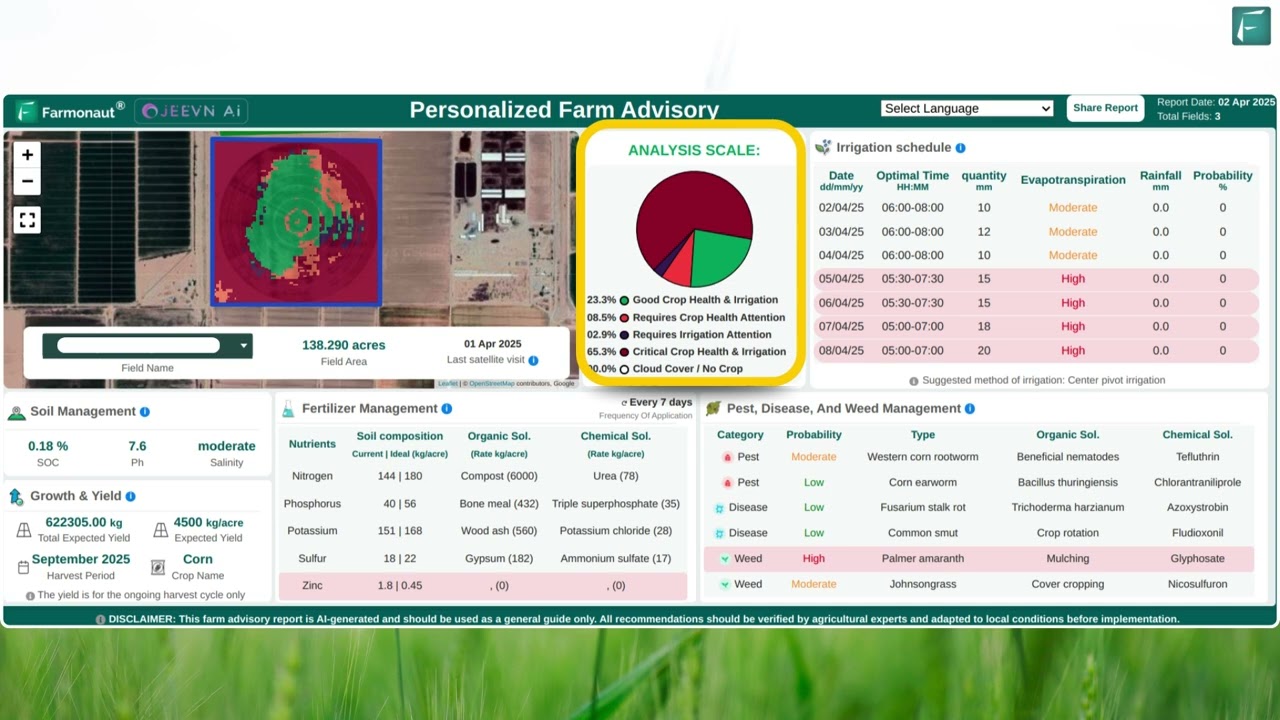
Mechanization and digital adoption work best when integrated into cooperative models. Cooperatives can aggregate demand for services, negotiate better prices for inputs, and coordinate training to raise digital literacy. This coordinated governance reduces barriers to access and ensures investments translate into measurable productivity gains.
Irrigation Rehabilitation and New Projects
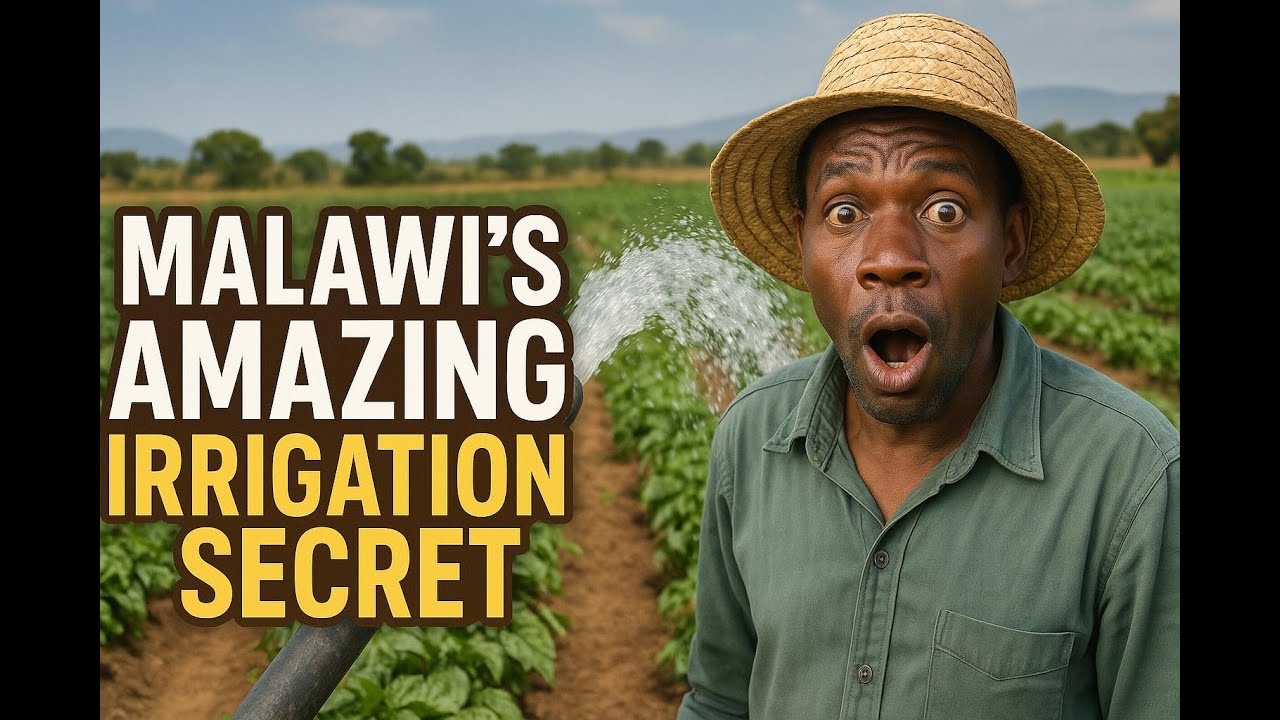
Expanding and rehabilitating irrigation is a core 2025 policy priority. Efficient systems reduce reliance on rainfed production and enable double‑cropping where feasible. Reservoir rehabilitation and canal lining improve water delivery, while on‑farm pressurized systems and water‑saving technologies reduce losses. Regions with high potential include Central Luzon, Cagayan Valley, Ilocos, Western Visayas, and parts of Mindanao (SOCCSKSARGEN, Davao, Northern Mindanao, BARMM).
Rice, corn, and high‑value vegetables all benefit from reliable water. Irrigation coverage also underpins diversification: farmers can adopt dry‑season crops, build rotations that break disease cycles, and apply conservation practices more effectively. These measures raise yields and stabilize incomes, especially for communities repeatedly exposed to droughts and storms.
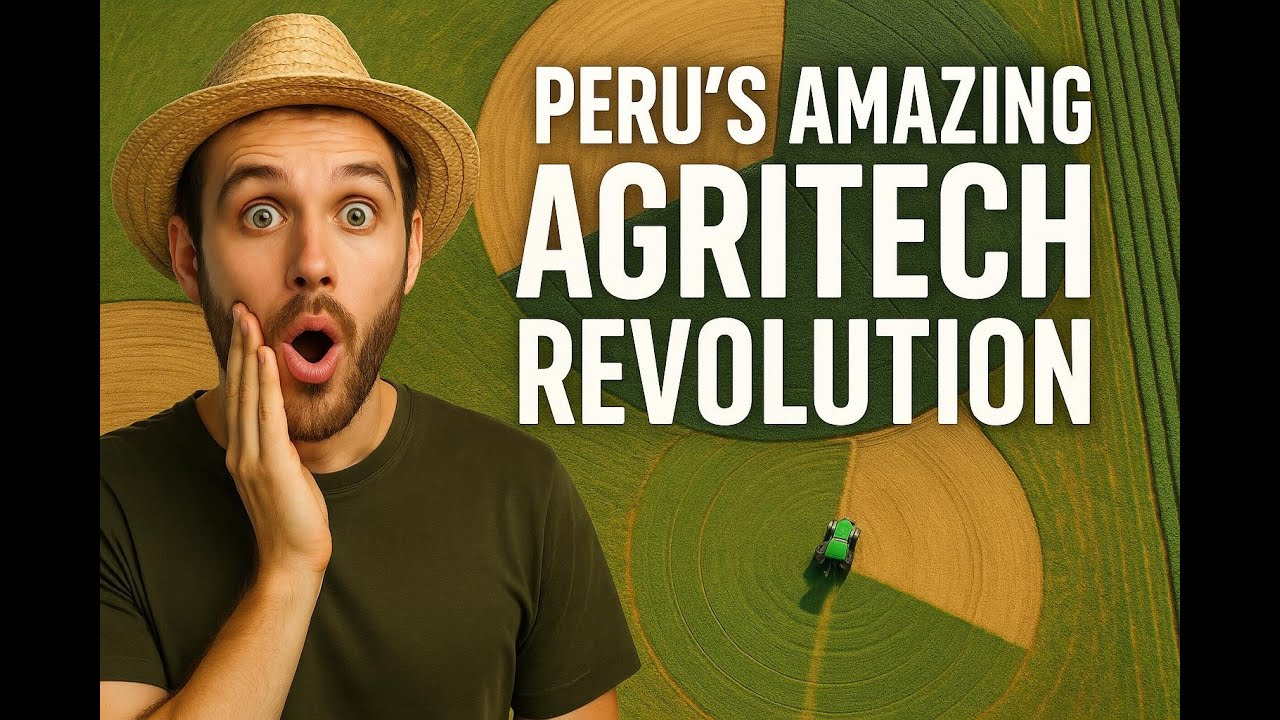
In upland areas, watershed and forest management complement irrigation investments. Reforestation and community forest management reduce sedimentation and flood risks, safeguarding downstream systems. In lowland irrigated areas, better measurement, scheduling, and equitable water distribution increase system efficiency while supporting inclusion.
Value Chains, Postharvest, Logistics, and Export Competitiveness
The 2025 agenda prioritizes value chain development to reduce postharvest losses and raise export competitiveness. Cold chains, packhouses, warehousing, and transport logistics are expanding for bananas, pineapples, mangoes, and high‑value vegetables. These investments stabilize supply for domestic markets and strengthen export performance by maintaining quality standards.
Postharvest services, including drying, grading, and sorting, can reduce losses for rice and corn. In fruits and vegetables, careful handling and cold storage extend shelf life and improve market prices. Logistics improvements lower transport time and variability, connecting rural communities to urban and export markets. Cooperatives and private enterprises play major roles, supported by targeted programs and advisory services that build management capacity and ensure compliance with sanitary and phytosanitary requirements.
Market information systems reduce uncertainty for buyers and growers. Digital price discovery, demand forecasting, and transparent grading help align production to market signals. This coordinated, data‑driven approach is vital for competitiveness under climate and market shocks.
Fisheries, Aquaculture, and Livestock in Transition
Beyond crops, fisheries, aquaculture, and livestock are evolving to stabilize supply, improve biosecurity, and diversify rural livelihoods. Aquaculture expansion with improved pond and cage management reduces pressure on wild stocks and raises domestic fish availability. In 2025, stricter biosecurity measures help prevent disease outbreaks that can reverberate through supply chains.
Hog and poultry sectors continue recovering from past disease events, emphasizing vaccination, improved feed management, and farm biosecurity. These measures are complemented by better logistics and market access, which reduce losses and stabilize prices for consumers and producers.
Structural Constraints: Tenure, Credit, and Infrastructure
Transformation in the sector remains slow due to structural constraints. Land tenure insecurity and slow agrarian reform limit consolidation and long‑term investment. Small farm sizes raise per‑hectare costs and complicate mechanization. Credit remains difficult to access for many smallholders, despite public and private lending programs. Rural infrastructure deficits—roads, storage, and irrigation—contribute to postharvest losses and market barriers.
Addressing these constraints requires coordinated governance, targeted public investments, and incentives for private sector participation. Cooperatives and aggregation models can help smallholders access inputs, mechanization, and financing. Digital tools simplify record‑keeping and verification, enabling lenders and insurers to reduce risk and increase access.
Policy Priorities in 2025 and What’s Next
Policy in 2025 emphasizes resilience, inclusion, and value chain development. Government programs focus on:
- Expanding and rehabilitating irrigation and investing in watershed protection.
- Strengthening extension services and integrating digital advisory systems.
- Supporting aggregation through cooperatives and inclusive business models.
- Encouraging public–private investments in postharvest facilities and logistics.
- Scaling social protection during climate shocks to safeguard vulnerable communities.
Complementary investments in farmer education, gender‑inclusive programs, transparent governance, and market information systems determine whether gains are widespread. With sustained financing and attention to smallholder needs, the Philippines can raise productivity, reduce vulnerabilities, and reinforce food security under climate change.
2025 Philippines Agriculture Trend Benchmark (SEO‑Optimized Comparison Table)
This benchmark summarizes policy‑relevant trends with estimated values to aid decision‑makers. Regional focus and commodity links help align programs with on‑the‑ground needs.
| Trend | 2024 Baseline (est.) | 2025 Estimate | 2025–2027 Outlook (est. CAGR) | Primary Commodities Affected | Regions Most Impacted | Expected Yield Impact (est. %) | Adoption/Mechanization Rate (est. %) | Irrigation Coverage (est. % area) | Climate Risk Level | Policy/Program Link | Notes/Assumptions |
|---|---|---|---|---|---|---|---|---|---|---|---|
| Climate shocks and resilience | High shock frequency (est.) | Moderate–High; El Niño/typhoon risk (est.) | Resilience adoption +8–12% p.a. (est.) | Rice, corn, vegetables, bananas, pineapple | Luzon lowlands/uplands; Visayas; Mindanao | -5% to +10% depending on measures (est.) | CSA practice adoption 30–40% (est.) | ~35–40% irrigated (est.) | High | Resilience/DRRM; watershed protection | Adoption varies by service access and region |
| Rice self‑sufficiency and imports | High imports in 2024 (est.) | Imports moderate; productivity push (est.) | Yield +2–4% p.a. with support (est.) | Rice | Central Luzon, Cagayan Valley, Ilocos, Mindanao | +3–6% with irrigation/mechanization (est.) | Mechanization 35–45% (est.) | Irrigated rice area ~55–60% (est.) | Medium–High | Targeted subsidies; seed/fertilizer support | Imports remain a buffer during shocks |
| Mechanization uptake | Low–Moderate baseline (est.) | Steady growth; cooperative services (est.) | +6–10% p.a. adoption rate (est.) | Rice, corn, horticultural crops | Major rice/corn belts; peri‑urban veg hubs | +2–5% yield; -5–10% postharvest loss (est.) | 30–45% use of key machines (est.) | Indirect; requires water reliability (est.) | Medium | Mechanization grants/loans; training | Costs eased via cooperatives and credit |
| Agritech/digital advisory adoption | Fragmented uptake; digital divides (est.) | Mobile/satellite tools scaling (est.) | +10–15% p.a. user growth (est.) | Rice, corn, fruits, vegetables, livestock | Nationwide; stronger in connected hubs | +3–7% via better decisions (est.) | Active users 20–35% of farmers (est.) | N/A | Low–Medium (depends on connectivity) | Digital extension programs; APIs | Training and devices remain constraints |
| Irrigation rehabilitation and new projects | Deferred maintenance; gaps (est.) | Higher rehab spend; new schemes (est.) | +5–8% p.a. serviceability (est.) | Rice, corn, vegetables | Central Luzon, Cagayan, Ilocos, Visayas, Mindanao | +4–9% with reliable water (est.) | Mechanization benefits contingent on water (est.) | Area served +3–5% p.a. (est.) | Medium | Irrigation agencies; rehab programs | Watershed protection integral to long‑term gains |
| Financing and insurance penetration | Low‑moderate coverage (est.) | Gradual expansion; digital verification (est.) | +8–12% p.a. policyholders/borrowers (est.) | All major crops and livestock | Nationwide; stronger in organized clusters | Indirect yield stability; loss reduction (est.) | N/A (service penetration metric) (est.) | N/A | Medium | Agri‑insurance and credit programs | Satellite verification can reduce fraud risk |
| Input prices and fertilizer use efficiency | Volatile prices; uneven quality (est.) | Efficiency gains via advisory (est.) | +3–6% p.a. in NUE improvements (est.) | Rice, corn, vegetables | All regions; strongest in irrigated hubs | +2–4% yield; -5–8% cost/ha (est.) | Advisory uptake 25–40% (est.) | N/A | Medium | Targeted subsidies; advisory programs | Soil testing and timing drive efficiency gains |
| Export opportunities and market access | Mixed performance; logistics gaps (est.) | Cold chain and traceability scaling (est.) | +5–9% p.a. value growth potential (est.) | Banana, pineapple, mango, vegetables, cacao | Mindanao export corridors; Luzon/Visayas hubs | Quality premiums, lower rejection rates (est.) | Traceability adoption 20–30% firms (est.) | N/A | Medium | Export promotion; SPS compliance support | Logistics and standards drive competitiveness |
Roadmap 2025–2027: Practical Steps for Raising Productivity and Resilience
1) Water and Climate Risk Management
- Prioritize irrigation rehabilitation and equitable water distribution in Central Luzon, Cagayan Valley, and Mindanao rice–corn belts.
- Scale rainwater harvesting, small reservoirs, and micro‑irrigation to reduce reliance on rainfed systems.
- Integrate watershed protection and community forest management to reduce sedimentation and flood risk.
2) Productivity through Agronomy and Inputs
- Adopt drought/flood‑tolerant varieties and diversified rotations to break pest and disease cycles.
- Improve fertilizer timing and dosage via digital advisory; expand soil testing and nutrient management.
- Enhance mechanization for land prep, transplanting, and harvesting; use dryers to reduce postharvest losses.
3) Digital Advisory, Market Information, and Traceability
- Deploy mobile and satellite‑based advisory to inform planting windows, pest alerts, and irrigation scheduling.
- Strengthen market information systems for price discovery and demand forecasting.
- Adopt traceability to meet export standards and build consumer trust in domestic markets.
We support this roadmap with affordable, scalable tools that integrate satellite data, AI advisory, and blockchain traceability. Explore Traceability, Large‑Scale Farm Management, and Fleet Management to coordinate operations and logistics across cooperatives and agribusinesses.
4) Financing, Insurance, and Social Protection
- Expand access to affordable credit with transparent, digitized verification.
- Increase crop insurance penetration to cushion climate shocks and disease events.
- Integrate safety nets for farmers in high‑risk regions during extreme weather periods.
To enable digital verification and risk insights, we offer Crop Loan & Insurance tools that use satellite data to support lending and insurance workflows. For sustainability and carbon‑smart investments, consider Carbon Footprinting.
5) Inclusive Governance and Capacity Building
- Strengthen cooperatives and farmer organizations for shared mechanization and input procurement.
- Invest in digital literacy, gender‑inclusive training, and youth engagement to address aging farmer demographics.
- Promote transparent governance for programs and public investments to improve outcomes.
Get Started with Satellite‑Powered Insights
We make satellite‑driven insights affordable and accessible across web, Android, iOS, and API—helping farmers, cooperatives, businesses, and agencies raise productivity, reduce losses, and protect communities from climate shocks.
Developers can integrate satellite, weather, and advisory into their systems with Farmonaut API and API Docs.
FAQ: Philippine Agriculture 2025
What defines the current state of agriculture in the Philippines 2025?
The current state of the Philippine agriculture sector is shaped by resilience after recent El Niño droughts, uneven mechanization, growing digital advisory adoption, and renewed investment in irrigation. The sector remains vital for food security and livelihoods, employing a significant share of the workforce, even as its GDP contribution has declined over decades.
Which trends are most important for farmers in 2025?
- Resilience measures to manage climate shocks and water risk.
- Mechanization and postharvest improvements to reduce losses.
- Digital advisory and market information systems to improve decisions.
- Strengthened cooperatives for shared services and market access.
- Policy support for inputs, irrigation, and social protection.
How are rice policies evolving after tariffication?
Policies balance consumer prices with farmer incomes by combining targeted subsidies, seed and fertilizer support, and irrigation investments, while allowing imports as a buffer during shocks.
What role does irrigation play in resilience?
Irrigation reduces reliance on rainfed systems, enables double‑cropping, and stabilizes yields. Rehabilitation, efficient delivery, and watershed protection are priorities in 2025 across Central Luzon, Cagayan Valley, Ilocos, Visayas, and Mindanao.
Where does digital agritech add the most value?
Digital agritech adds value in weather alerts, crop health monitoring, fertilizer timing, pest and disease advisory, and market information. It helps reduce input waste, raise productivity, and improve logistics and traceability.
What structural constraints still slow transformation?
Land tenure insecurity, small farm sizes, limited and costly credit, and infrastructure gaps in roads, storage, and irrigation remain key constraints. Digital divides and low digital literacy also limit agritech adoption.
How can cooperatives improve outcomes?
Cooperatives aggregate demand for inputs and mechanization services, negotiate better prices, coordinate training, and improve market access. They help raise adoption of technologies and reduce unit costs for smallholders.
Which commodities have strong export potential?
Bananas, pineapples, mangoes, high‑value vegetables, and cacao have export potential when backed by cold chains, traceability, and compliance with sanitary and phytosanitary standards.
Conclusion
In 2025, agriculture in the Philippines stands at a pivotal moment. The sector remains vital, with many farmers adopting resilience measures to manage climate shocks and market volatility. Policies focus on irrigation, mechanization, agritech, cooperatives, and value chain logistics to reduce losses and raise productivity. Success depends on coordinated governance, sustained investments, and inclusive access to services, credit, and information. With secure tenure, better infrastructure, and digital advisory systems, the Philippines can protect communities, raise yields in rice, corn, and horticultural crops, and strengthen its role in a resilient, diversified rural economy through 2027 and beyond.
To deploy practical, scalable tools that support these goals, we provide satellite‑based monitoring, AI advisory, and traceability via web, mobile apps, and API—built to reduce losses, guide farm management, and improve market trust.
Discussion
Questions, corrections or field experience? Share them below. First-time comments are reviewed before they appear, and your email is never published.
No comments yet. Be the first to add a question or your experience.

 Oath Inc
 Reddane Farming
 Esri North East Africa
 Farmer Amigo
 Cresol
 Atur Kuliner
 MDCV UK
 Zerella Group
 Etech Consulting Madagascar
 Vestlandsforsking
 Agritein
 Delicio
 WB Dev
 Sama Premium
 Prochecker
 Tres Valles
 LACOS Geoinformation
 Magrifly
 LatConnect 60
 Blickwinkel
 Agricultural Credit Policy Council
 Exploration consultancy · South Africa · Gold
 Licence holder · Niger · Gold
 Licence holder · Nigeria · Gold + lithium










