

Honey Farming in India: How to Start & Succeed 2025
Meta Description: Honey farming in India is gaining momentum with sustainable practices and advanced technologies leading the way in 2025. Discover how to start & succeed in honey agriculture, understand bee species, set up hives, and explore environmental and economic benefits.
“India produces over 120,000 metric tons of honey annually, making it one of the world’s top ten honey producers.”
Understanding Honey Farming: Practices, Importance, and Benefits
Honey farming, also known as apiculture, involves the systematic keeping of honeybee colonies in hives to produce honey, beeswax, propolis, royal jelly, and valuable by-products. This ancient agricultural practice has gained renewed significance in recent years, driven by environmental awareness, economic incentives, and the crucial role bees play in pollination and biodiversity support.
- Honey farming is not just about farming honey, but about ensuring the health and survival of bee populations.
- Bees are critical pollinators supporting the security of food supply through their role in growing crops.
- Modern honey agriculture encompasses sustainable practices, technological advances, and value-added production of products like beeswax and royal jelly.
Globally and in India, there is growing awareness of pollinator decline and the need to conserve bee populations. Honey farming in India has transformed from a traditional occupation to an integral part of modern, sustainable agriculture.

Importance of Honey Farming in India: Environmental & Economic Impact
India’s vast geography and diverse flora create ideal conditions for honeybee farming. With states like Uttar Pradesh, Himachal Pradesh, and Maharashtra as leading producers, honey farming in India is a vital supplementary occupation for many rural farmers. The country produces a range of honey types such as multifloral, litchi, and sunflower honey, bolstering local economies and contributing to export growth.
- Supports rural livelihoods by providing an additional income source.
- Boosts crop yields through pollination by honeybees, enhancing overall agricultural productivity.
- Promotes biodiversity by supporting multiple plant species critical for food security.
- Generates exports and meets domestic honey demands for food, traditional medicine, and wellness.
Today, honey farming is increasingly seen as both a commercial opportunity and a sustainable method to conserve declining pollinator populations worldwide.
“Over 80% of India’s honey comes from the indigenous Apis cerana indica bee species, vital for sustainable agriculture.”
Bee Species in India: Characteristics and Honey Production (2025 Estimates)
| Bee Species | Major Regions Found | Average Honey Yield per Hive (kg/year) | Pollination Efficiency | Environmental Suitability (Climate & Flora) | Sustainability Score (2025 Est.) |
|---|---|---|---|---|---|
| Apis cerana indica (Indian Honey Bee) | Uttar Pradesh, Himachal Pradesh, West Bengal, Kerala | 12–18 | High (adapted to local plants & conditions) | Excellent: Subtropical, humid, diverse flora | 9.5/10 |
| Apis mellifera (European Honey Bee) | Punjab, Haryana, Maharashtra, Tamil Nadu | 25–35 | Very High (superior honey yields, but needs care) | Good: Temperate, cultivated fields, orchards | 8/10 |
| Apis dorsata (Rock Bee) | Central India, Western Ghats, forested regions | 30–40 (in wild hives) | Extremely High (wild pollinator, not farmed in boxes) | Excellent: Forests, wild areas, minimal pesticides | 8/10 |
| Apis florea (Dwarf Bee) | South India, Gujarat, Rajasthan | 3–8 | Moderate (small hives, efficient in pollinating small crops) | Very Good: Arid to semi-arid, ornamental & wild shrubs | 7.5/10 |
Summary Table Notes:
The Apis cerana indica dominates honey farming in India due to its sustainability and adaptation to local climates, while Apis mellifera is valued for commercial expansion and higher honey yields. Wild bees (Apis dorsata) are crucial for environmental pollination but are less suitable for box farming, and Apis florea thrives in select dry zones.

How to Start Honey Farming: Key Steps for 2025 Success
How to start honey farming in 2025 requires a blend of traditional knowledge, modern techniques, and technology-driven decision-making. Here’s a step-by-step guide for aspiring beekeepers and those aiming to enhance sustainable honey agriculture in India:
-
Site Selection & Hive Setup
- Appropriate location is crucial—choose areas with abundant flowering plants, clean water sources, and minimal pesticide exposure.
- Sites in Himachal Pradesh and Uttar Pradesh offer multifloral potential due to natural and cultivated plant diversity.
- Movable-frame hives like the Langstroth hive are preferred for their efficiency in honey extraction and inspection. These hives support sustainable honeybee cultivation and make hive management easier.
-
Choosing Bee Species
-
Two main species dominate honey farming in India:
- Apis cerana indica: Local, resilient, essential for organic and sustainable practices.
- Apis mellifera: Foreign, higher honey yields (25-35 kg/hive/year), but needs careful management of disease and climate sensitivity.
- Both species play a critical role in pollination and crop productivity.
-
Two main species dominate honey farming in India:
-
Colony Management & Monitoring
- Perform regular inspections of hives for honey stores, brood health, disease, and pest activity.
- Maintain hive hygiene and use AI-based apps and digital trackers for remote monitoring and early warning of colony stress.
- Apply proper feeding techniques during periods of low natural forage (summer or post-monsoon gap).
-
Sustainable & Modern Practices
- Avoid overuse of chemical pesticides near apiaries. Introduce wildflower strips and preserve native flora for diverse bee nutrition.
- Focus on multi-crop environments to boost both honey yields and environmental biodiversity.
-
Harvesting and Processing
- Use smokers gently to calm bees during honey harvest. Remove supers and extract honey with centrifugal extractors.
- Filter and store honey in clean, airtight containers meeting domestic and export standards.
- Process value-added products like beeswax and royal jelly for supplementary income.

Sustainable Practices in Honey Farming: Ensuring Biodiversity and Farm Resilience
Sustainability is at the heart of modern honey farming in India. Integrating eco-friendly strategies is essential to conserve bees, enhance biodiversity, and ensure environmental and economic benefits for the future.
- Minimize synthetic pesticide use to reduce harmful exposure for bees. Promote natural pest control and use biological alternatives whenever feasible.
- Conserve natural habitats (forest patches, hedgerows, wild orchids) around apiaries to support diverse bee foraging and to help maintain population resilience against climate fluctuations.
- Promote native plant species and introduce wildflower strips/nurseries across Uttar Pradesh, Maharashtra, and Himachal Pradesh for greater honeybee forage opportunities.
- Manage hive movement ethically (transhumance) to support seasonal flowering cycles while avoiding over-exploitation of a single landscape.
- Provide clean water sources and protected apiary locations, especially during high heat or dry spells, to reduce bee stress and mortality.

Economic & Environmental Benefits of Honey Agriculture in 2025
Honey farming brings multiple income streams and delivers profound environmental benefits. Let’s break down its importance for farmers, rural communities, and India’s agricultural landscape:
Economic Benefits
- Honey sales form the backbone of honey farming income.
- Products like beeswax, royal jelly, propolis, and pollen powder offer additional revenue.
- Pollination services by bees can increase yields of crops such as mustard, sunflower, litchi, mango, and apple—directly benefiting local farmers and food security.
Environmental Benefits
- Supports biodiversity—farm and wild ecosystems thrive with robust bee populations.
- Conserves native flora by providing food for bees and other pollinators.
- Promotes environmental sustainability by reducing chemical inputs and increasing natural plant diversity.
- Reduces risk of crop failures by stabilizing pollinator populations amid changing climate.
For those keen on tracking the true environmental impact of their honey farming practices, check out our Carbon Footprinting solution. It empowers sustainable decision-making, offering detailed carbon tracking data for modern farms.
Top Challenges & The Future Outlook for Apiculture in India
Despite its many opportunities, honey farming in India faces significant challenges—both environmental and economic:
-
Colony Collapse Disorder (CCD):
- Beekeepers report sudden die-offs, often linked to pesticide exposure, disease, and stress.
-
Pesticide & Chemical Exposure:
- Modern agricultural practices in intensive farming regions like Punjab and Haryana can increase exposure risk for bees, threatening hive health.
-
Climate Change:
- Shifts in rainfall, temperature extremes, and unpredictable flowering cycles jeopardize bee foraging and honey production.
-
Market Fluctuations & Adulteration:
- Price instability and counterfeit honey present hurdles for genuine producers—traceable, blockchain-backed honey is the future.
-
Lack of Training or Best Practice Adoption:
- New entrants often lack access to scientific training, leading to suboptimal yields and poor hive hygiene.
Government and NGOs are increasing support through tailored training, subsidies, and resilient bee breed research in 2025, helping mitigate these hurdles.

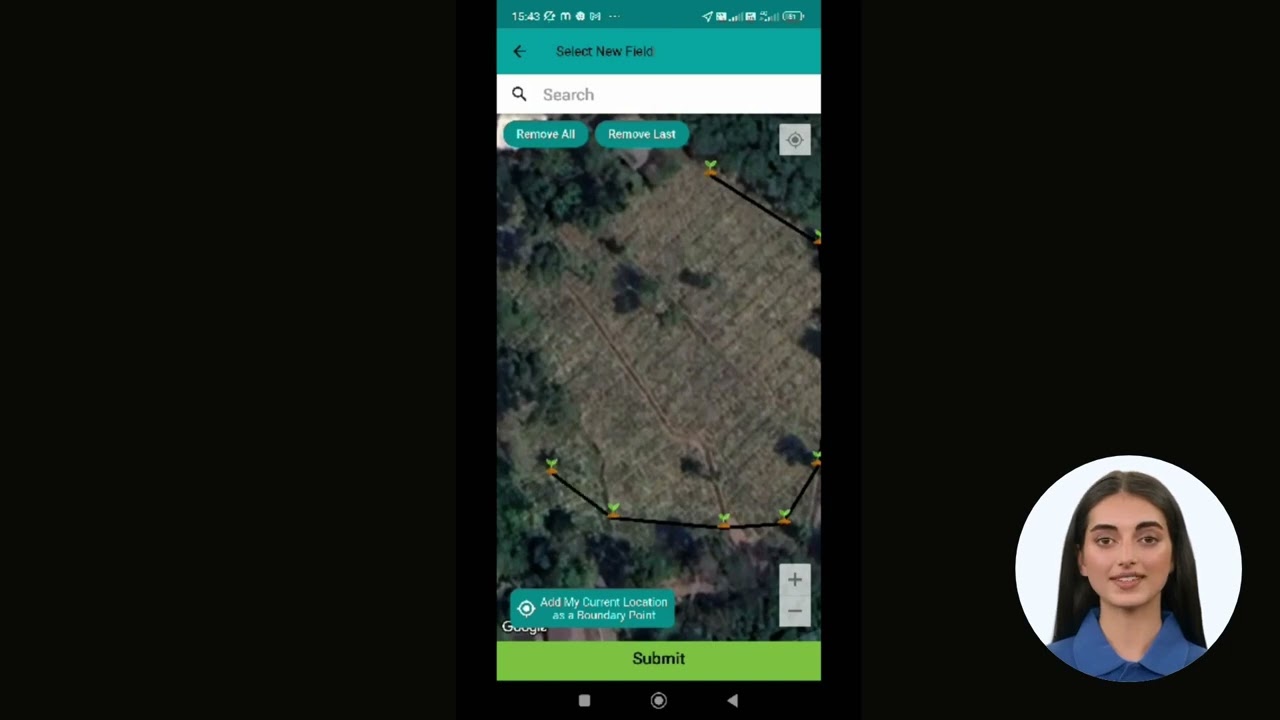
Ensure the purity and authenticity of your honey products with Farmonaut’s Product Traceability solution. Leverage blockchain for verifying honey origin and building market trust in 2025 and beyond.
Role of Technology in Sustainable Honey Farming in 2025
Technological innovations are transforming honey farming in India, making the sector more resilient and sustainable:
-
Remote Hive Monitoring:
- Smart sensors, AI tools, and satellite imagery enable beekeepers to monitor hive health, temperature, humidity, and forage quality in real-time.
-
AI & Automation:
- Drones, machine learning, and predictive analytics help optimize hive placement and anticipate environmental threats.
-
Blockchain Traceability:
- Tracking each step of honey production—from hive to consumer—assures purity, combats adulteration, and increases export viability.
-
Satellite Technology:
- Satellite data facilitates crop, weather, and environmental monitoring, helping pinpoint the best regions and practices for high-yield, sustainable bee farming.
-
Environmental Impact Monitoring:
- Advanced tools track carbon emissions, pollinator habitat health, and land use, accelerating the adoption of eco-friendly practices in agriculture and apiculture.
Farmonaut’s Satellite Support for Apiculture: Enhancing Honey Farming in 2025
At Farmonaut, we are committed to empowering farmers, businesses, and governments with satellite-driven insights and AI advisory systems that transform honey farming, crop management, and ecosystem sustainability.
- Real-time Monitoring: Our Farmonaut platform delivers real-time field status, enabling informed decisions about apiary locations, crop support, and resource allocation for beekeeping.
- AI-Based Advisory: Leverage Jeevn AI for site selection, weather forecasts, and tailored strategies to optimize beekeeping efficiency and honey yields.
- Blockchain Traceability: Use our traceability tools to ensure the purity of your honey and establish transparent supply chains.
- Environmental Impact: Our carbon footprinting solution helps monitor, manage, and minimize your honey farm’s environmental footprint for a sustainable tomorrow.
Whether accessed via Android, iOS, or Web, these solutions make honey agriculture in India more profitable, sustainable, and traceable for 2025 and beyond.



Developers and agribusinesses can also harness Farmonaut’s satellite and weather data APIs for integrated traceability, monitoring, and resource management. See our API and developer docs here to get started!
For professional and large-scale honey producers, Farmonaut’s Farm Management platform streamlines multi-farm monitoring, optimizing workflow and boosting productivity.
Frequently Asked Questions – Honey Farming in India 2025
-
Q: What is the minimum investment required to start honey farming in India?
A: Starting small (with 10 hives) generally requires INR 50,000–75,000 for hives, bee colonies (Apis cerana indica or Apis mellifera), basic equipment, and safety gear. Costs can be offset with government grants and subsidies designed to promote new beekeepers. -
Q: Which Indian states are best for honey agriculture?
A: Leading states include Uttar Pradesh, Himachal Pradesh, Maharashtra, Punjab, West Bengal, and Kerala. Regional flora, water sources, and climate ultimately determine suitability. -
Q: How much honey can be extracted from a single hive annually?
A: Yields depend on bee species, local environment, and management practices—Apis cerana indica hives range from 12–18 kg annually, while Apis mellifera hives average 25–35 kg under optimal care. -
Q: What technologies support sustainable honey farming in 2025?
A: Key technologies include AI decision-making, smart hive sensors, blockchain traceability, and satellite monitoring apps like Farmonaut. These enable real-time monitoring and sustainable planning. -
Q: How do I ensure my honey production is sustainable?
A: Adopt integrated pest management, conserve local flora, minimize chemical exposure, practice ethical harvesting and maintain traceable records of your supply chain. -
Q: Is honey farming profitable in India?
A: Yes, especially when combined with crop pollination and value-added products. Traceability, quality control, and access to export markets further enhance profit margins for professional apiculturists. -
Q: Can Farmonaut help beekeepers improve productivity?
A: Absolutely. Our satellite platform provides detailed data on field health, flowering patterns, climate, and hive environments—enabling data-driven decisions for beekeepers of all scales.
Conclusion: Honey Farming in India – Sustainable Success for 2025 and Beyond
Honey farming in India stands at an exciting crossroad—rooted in ancient agricultural traditions yet driven by modern technologies, growing environmental awareness, and evolving market dynamics. As we look ahead to 2025 and beyond, embracing sustainable practices, local flora, and advanced traceability tools will define the sector’s growth and resilience.
Whether you are a new farmer seeking to start honey farming, an established beekeeper aiming to enhance productivity or a landowner exploring agro-ecological synergies, the opportunities are immense. By choosing bee species wisely, setting up hives in optimal locations, leveraging real-time environmental intelligence (using platforms like Farmonaut), and focusing on ecosystem health, you can contribute to India’s food security, biodiversity, and rural prosperity.
Honey farming is more than a business—it’s a mission to support nature and nourish communities. With innovation, collaboration, and care for our bees, India continues to lead as a global honey producer and a torchbearer of sustainable agriculture in 2025.

 Agreeta Solutions
 Agricultural Credit Policy Council
 BayWa
BayWa MCSOD
MCSOD Marei Nursery
 eKGIS
eKGIS Mostas Tech
 Native Seeds
 Andex
Andex FCF India
 Unifrutti Gulf
 Deluxe Conseil
 TVS Electronics
 WICO
WICO Chimera Innovation
 SkyHarvest
