

Latest Agriculture News: Philippine Farming & Deforestation
“Over 7 million hectares of Philippine forests have been lost since 1900, impacting agriculture and biodiversity.”



Context: The Philippines’ Agricultural Landscape and Deforestation
The latest news about agriculture in the Philippines shines a spotlight on a crucial phase for the nation’s farming sector. Here, agriculture, environment, and community-driven stewardship converge amid mounting economic, climatic, and policy pressures. Across rural Luzon, Visayas, and Mindanao, Filipino farmers face increasingly complex challenges: the history of deforestation rate in the Philippines (among Southeast Asia’s highest), ongoing land conversion, and the imperative to boost productivity without eroding vital natural resources.
This latest landscape reveals bold policy shifts, accelerating adoption of sustainable farming practices, investments in infrastructure development, and enhanced forestry stewardship. These trends are shaping a more resilient and eco-friendly agricultural sector—where practical implications are visible in everything from rice fields to forest margins and fruit orchards to mountainous coffee zones.
📊 Key Facts Shaping Agriculture & Forest Management
- ✔ Deforestation rate in the Philippines remains a pressing concern—with roughly 47,000 hectares lost yearly.
- 🌱 Integrated systems (combining crops, livestock, and aquaculture) are promoted to bolster nutrient cycling and soil health.
- 💧 Improved irrigation and climate-resilient seeds enhancing yields, lowering water footprint.
- 🌾 Push for high-value crops: Export demand for organic fruits, vegetables, and specialty products is rising.
- 🌳 Agroforestry & reforestation programs are increasingly central to balancing agricultural expansion and ecosystem integrity.
Key Drivers & Trends in the Philippine Agricultural Sector
The latest article about agriculture in the Philippines underscores several pull factors and modernization efforts:
- Policy Shifts: Renewed government focus on sustainable resource management and food security has solidified support for technological adoption, regional specialization, and rural industry expansion.
- Technological Adoption:AI-driven monitoring (like that enabled by Farmonaut’s crop & land monitoring tools), improved hybrid seed varieties, and digital extension services are revolutionizing farming and resource management.
- Rising Environmental Pressures: Climate variability—typhoons, droughts, and shifting rainfall—drives the transition to sustainable practices that mitigate volatility and minimize input footprints.
- Community and Private Sector Engagement: Partnerships and localized planning delivering training, pest management, and market integration amplify productivity while expanding opportunities.
Key Insight
Philippine agriculture is entering a crucial period where investing in infrastructure, digitized resource management, and inclusive, sustainable farming practices can create resilient livelihoods for Filipino communities while reducing pressure on forests and vital ecosystems.

Resilient, Sustainable Farming: Practices Shaping the Sector
One of the latest news highlights is farmers’ embrace of diversification and climate-smart practices across the Philippines. These changes are not only responses to weather variability and market volatility, but are reshaping the very fabric of rural livelihoods and environmental stewardship:
🌱 Examples of Climate-Smart & Integrated Practices
- ✔ Integrated farming systems: Combining multiple elements—crops, livestock, aquaculture—is being promoted to bolster productivity and enhance soil health through nutrient cycling.
- 💡 Climate-resilient seed varieties: More farmers are accessing seeds adapted to resilient cropping calendars, water stress, and pest profiles.
- 💧 Improved irrigation efficiency: Drip and sprinkler systems reduce water wastage and increase field-level control.
- 🌾 Sustainable soil-improvement technologies: Use of green manure, organic compost, and precision fertilization is lowering input costs and restoring natural fertility.
- 🍍 Push for high-value & organic crops: Fruits, vegetables, specialty products (e.g. cacao, coffee) targeted for export meet consumer demand and stabilize income.
- 💼 Public-private extension services: On-farm training, post-harvest handling, pest management—delivered via digital and face-to-face platforms—raise quality and reduce losses.
Pro Tip
Integrating tree crops and forest products into farm systems not only provides shade and improves soil but also delivers secondary income streams from timber, fruits, resins, and non-timber forest products.

Deforestation, Forestry Stewardship & Integrated Land Management
Central to the latest agriculture news is the challenge of balancing agricultural expansion with forest ecosystem integrity. The Philippines has made significant policy efforts to address deforestation concerns and promote reforestation:
- Deforestation rate in the Philippines: Although improved forest governance is slowing losses, illegal logging, shifting cultivation, and land conversion mean forest cover is still under threat—currently losing nearly 1% annually.
- Landscape-scale stewardship: National and local programs (e.g., National Greening Program) target not just tree planting, but also the integration of smallholder production and watershed protection with restoration objectives.
- Community-based forest management: Rural communities are increasingly empowered to manage, monitor, and benefit from timber and non-timber forest product extraction, aligning local livelihoods with protection of biodiversity and ecosystem services.
- Sustainable harvesting protocols: These ensure that timber, bamboo, rattan, and other products are sourced without degrading forest health, stabilizing long-term income for forest-dependent populations.
- Agroforestry initiatives: Planting trees alongside crops is being promoted for its synergistic benefits: carbon sequestration, microclimate regulation, and improved biodiversity.
Common Mistake
Simply replanting monoculture tree species doesn’t restore lost biodiversity or ecosystem functions. Programs emphasizing tree species diversity and community-based maintenance are much more successful in sustaining forest health.
“Sustainable farming practices could boost Philippine crop yields by up to 30% while reducing deforestation rates.”
Agroforestry & Integrated Land Use: Synergy for Productivity
Agroforestry is at the intersection of the country’s agricultural and forestry strategies, supporting biodiversity as well as farm income stability:
- 🌳 Agroforestry systems improve soil fertility and reduce erosion by shielding land from heavy tropical rainfalls.
- 🐝 Trees and diverse crops provide habitats for pollinators and pest predators, improving resilience against plant health threats.
- 💸 Income is stabilized by harvesting timber, fruits, shade-grown coffee/cacao, and medicinal plants in a single landscape.
- 🌎 Landscape-scale planning integrates smallholder production with targeted reforestation for both food security and carbon footprinting (see Farmonaut’s carbon tracking tools).

Investor Note
Agroforestry products (coffee, cacao, rubber, rattan, and essential oils) linked to traceable, sustainable supply chains are increasingly valued by global markets—provided product traceability is ensured from forest edge to export port.
Mining-Adjacent Rehabilitation: New Frontiers for Philippine Agriculture
Historically, mining activity represented a significant threat to both forest and agricultural lands in mineral-rich provinces from Palawan to Surigao. Today, however, the latest article about agriculture in the Philippines describes a shift toward responsible stewardship and land rehabilitation:
- 🛑 No longer focusing on extractive expansion; instead, discarded mine lands are reintegrated for agroforestry and horticulture (fruit trees, timber, bamboo, and high-value crops).
- 💧 Water quality monitoring and remediation reduce contamination for adjacent farm plots and riverine ecosystems, improving community health.
- 🛰️ Geospatial and satellite monitoring—tools like Farmonaut’s real-time environmental impact assessment—help ensure rehabilitation standards are met and lands add value for food security.
- 🤝 Community consultation and participatory planning underpin the successful transformation of degraded sites, aligning rural livelihoods with broader sustainability goals.

Infrastructure Development: Enabling a Modern Agricultural Sector
Modern infrastructure is a linchpin for improving the entire agricultural value chain in the Philippines:
- 🚜 Better rural roads & storage: Reduce post-harvest losses, stabilize farm prices, and unlock remote farmers’ access to local and export markets.
- 🧊 Cold chain investments: Preserve perishable produce (mango, pineapple, seafood) for longer and support price stability amidst weather disruptions.
- ⚡ Rural electrification & digitalization: Equip smallholders with weather info, pest alerts, and direct market links, empowering smarter decision-making.
- 📱 Mobile advisory systems: Deliver crop training, soil health tips, pest management, and product quality guidance via digital channels.

Key Insight
Investments in cold storage and digital extension services (see Farmonaut farm management platform) empower communities across the archipelago to reduce crop losses, enhance product quality, and extend market reach—even in the face of extreme weather events.
Opportunities in Agriculture in the Philippines: Value, Inclusivity & Innovation
The latest article about agriculture in the Philippines confirms that sustainable transition opens doors for greater value, inclusivity, and innovation:
- 🌏 Export-oriented crops (bananas, pineapples, mangoes, coconuts)—opportunities in agriculture in the Philippines abound for farm clusters that can meet global quality and traceability standards.
- 🌱 Organic farming—sharp rise in farmer groups adopting organic methods targeting health-conscious Filipino and international consumers.
- 👩🔬 Women and indigenous communities have expanding voices in farm management, agroforestry coops, and post-harvest entrepreneurship, catalyzing local innovation.
- 💡 Financial inclusion: Satellite-based crop loan and insurance verification (e.g., Farmonaut’s verification tools) reduces fraud and expands access to credit and insurance for marginalized smallholders.
- 🤝 Risk-sharing models: Crop insurance, cooperatives, and contract growing arrangements buffer farmers from climate and market shocks—strengthening community resilience.
Common Mistake
Focusing solely on export monocultures increases smallholder vulnerability to global price swings and pest outbreaks. Diversification—integrating fruits, vegetables, timber, and livestock—stabilizes income and buffers livelihoods against external shocks.
Technology & Digitalization: Transforming Agricultural & Forestry Management
The digital transformation of Philippine agriculture is accelerating, enabling precision management and enhanced environmental stewardship:
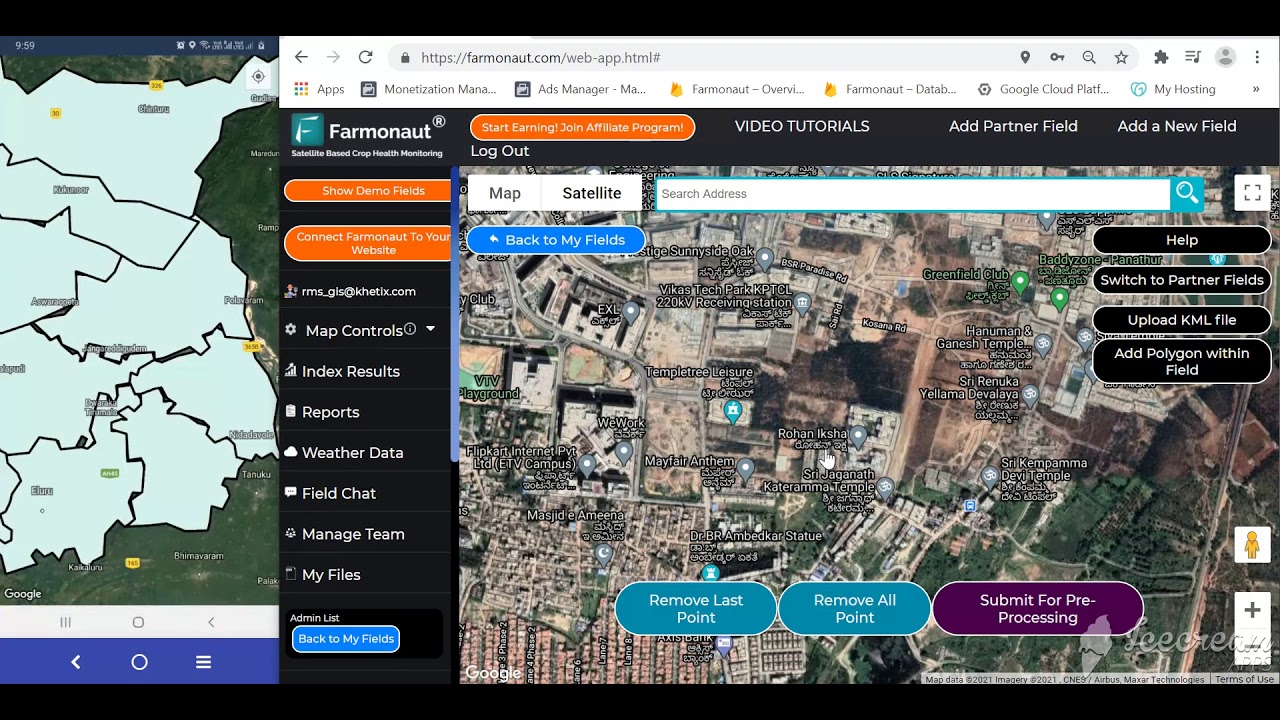
- 🛰️ Satellite-based monitoring tools—like those provided in the Farmonaut platform—offer real-time health checks on crops, analyze soil conditions, and track forest regrowth or loss. This promotes efficient decision-making for farmers and government agencies alike.
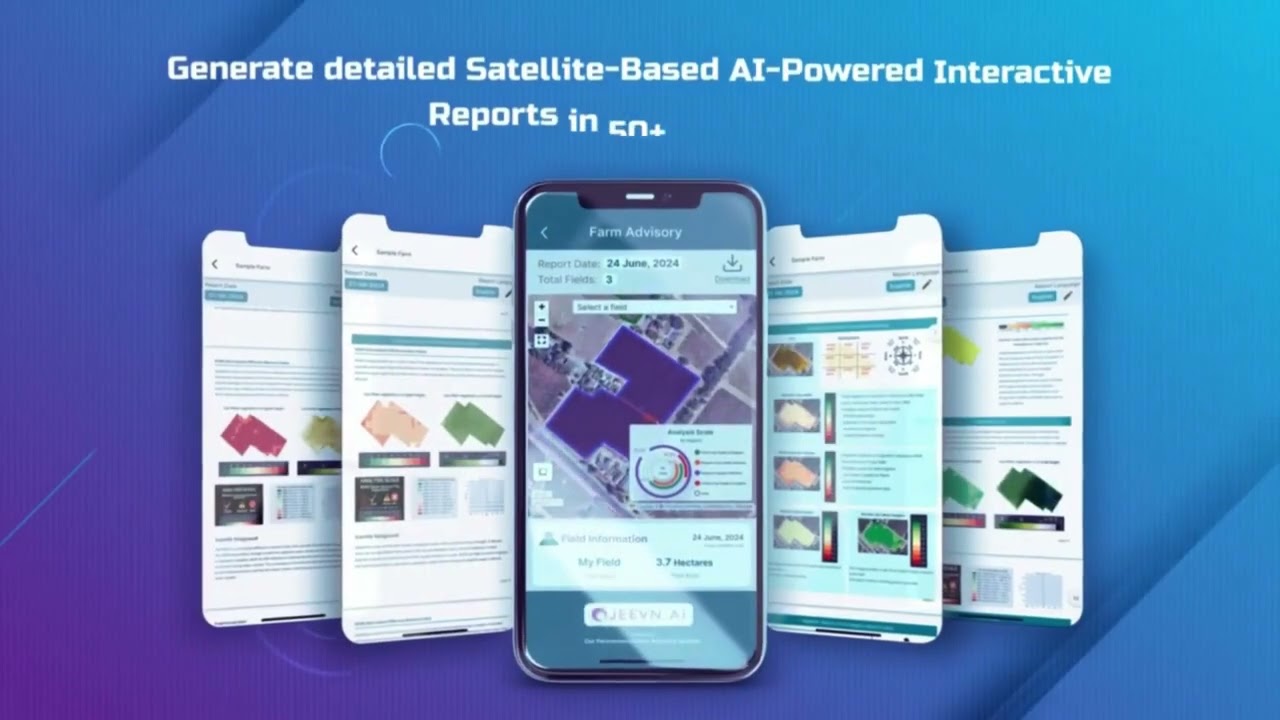
- 🧮 AI-based advisory systems (e.g., Jeevn AI) tailor field-level recommendations—even across sprawling lands—to specific weather, crop, and soil profiles in Luzon, Visayas, and Mindanao.
- ⛓️ Blockchain traceability solutions (offered by us at Farmonaut)—securely connect producers to domestic and global markets by proving product authenticity and origin, fostering trust in supply chains (see product traceability system).
- 🌍 Environmental impact tracking: Farmonaut’s carbon footprinting and emission monitoring help farming and forestry operations comply with international standards and secure sustainability certifications.
- 🚚 Fleet and resource management: Optimizes the use of farming equipment and transport vehicles—reducing operational costs and improving market delivery timeliness (see Farmonaut fleet management solutions).
Pro Tip
Harnessing satellite technology for recurring land health assessments helps Filipino farmers optimize fertilizer and water use—cutting costs and boosting yields while staying compliant with global sustainability standards.

Comparative Impact Table: Deforestation vs. Sustainable Farming
To understand the environmental and productivity trade-offs shaping the Philippine agricultural sector, see the table below. It synthesizes estimated core impacts of conventional deforestation versus sustainable farming approaches:
| Practice Type | Estimated Annual Forest Loss (hectares) | Carbon Emissions (tons/year) | Soil Erosion Rate (tons/hectare/year) | Biodiversity Index (1-10) | Projected Crop Yield (tons/year) |
|---|---|---|---|---|---|
| Deforestation | 45,000 – 60,000 | 16 – 20 million | 30 – 45 | 3 – 4 | Steady to Declining |
| Sustainable Farming | 2,000 – 5,000 | 4 – 6 million | 10 – 16 | 7 – 9 | Rising (up to +30%) |
Data Insight
Transitioning from deforestation-based expansion to sustainable, integrated farming can reduce environmental degradation while raising overall productivity and food security for Philippine communities.
How Farmonaut’s Tools Empower Sustainable Growth
As we look at the latest agriculture news and efforts happening in the Philippines, Farmonaut is dedicated to making advanced satellite-driven resource management and digital advisory services accessible across the agricultural landscape:
- Real-time satellite crop monitoring lets us empower smallholders and businesses to monitor crop health, soil moisture, and field boundaries remotely—optimizing water and input application for sustainable farming and forestry.
- AI-based advisory (Jeevn AI): We provide actionable insights and weather forecasts so users can adjust farming calendars, mitigate risks, and increase yields under changing climate patterns.
- Blockchain-based traceability: We enable secure, transparent farm-to-market journeys for Philippine agricultural and forestry products—building trust and access to premium global markets.
- Resource & fleet management: Our technologies optimize equipment and vehicle deployment, reducing fuel costs, losses, and delivery delays for rural enterprises and supply chains.
- Environmental impact tracking with Farmonaut’s carbon footprinting tools enables organizations to comply with environmental standards, qualify for sustainability financing, and monitor their transition progress.
Key Insight
Affordable, field-level satellite monitoring and AI-powered market insights (see the Farmonaut app) are making it possible for Filipino farmers of every scale to build resilience, maintain compliance, and capture opportunities in modern, eco-friendly value chains.
Top 5 Action Points for Resilient, Sustainable Agriculture
- 🛡 Adopt climate-smart integrated systems—combine crops, trees, and livestock to maximize short- and long-term returns.
- 📈 Invest in training and digital extension services—stay updated with pest, soil, and price advisories via apps or cooperative platforms.
- 🌳 Support reforestation, forest protection, and biodiversity initiatives to sustain natural resources and reduce erosion/landslide risk.
- ⚖ Use satellite/resource monitoring tools (such as those by Farmonaut) for transparent reporting, traceability, and meeting export requirements.
- 🤲 Prioritize inclusivity—involve women, youth, and indigenous leaders as primary actors in farm, forestry, and resource management.
FAQ on Latest Agriculture News, Deforestation & Sustainable Farming in the Philippines
What is the current deforestation rate in the Philippines?
The deforestation rate in the Philippines varies between roughly 45,000 and 60,000 hectares per year, with illegal logging, land conversion, and shifting cultivation as major drivers. Initiatives on reforestation and improved forest governance are actively working to curb this trend and restore ecosystem integrity.
How can sustainable farming boost productivity and reduce deforestation?
Sustainable farming practices use integrated systems combining crops, livestock, and trees; these reduce reliance on new forest land, improve soil health, and can boost average yields up to 30%. Agroforestry, diversified cropping, and organic input use directly contribute to food security while stabilizing landscapes.
What are the new opportunities in agriculture in the Philippines?
Export markets for organic and specialty crops, sustainable agroforestry products, and traceable supply chains (requiring digital evidence of origin/handling) are expanding rapidly. Financial access through satellite-based loan or insurance verification, as well as targeted training in climate adaptation, offer robust opportunities for the next generation of rural entrepreneurs.
How does Farmonaut support Philippine agriculture and forestry?
We provide satellite-based monitoring, real-time environmental impact tracking, resource and fleet management, blockchain-based traceability, and AI-driven advisory. Our goal is to help users optimize productivity, transparency, and sustainability whether they manage smallholder plots or large integrated estates.
Try the Farmonaut web and mobile platform →
Where can I access Farmonaut’s tools, API, or developer docs?
- Farmonaut App: Get the app here
- API for satellite-driven insights: Farmonaut public API
- API Developer Guide: Developer Documentation
- Android: Download for Android
- iOS: Download for iOS
🌱 Build Your Resilient, Sustainable Farming Future Today
The Philippines stands at a pivotal juncture for agriculture. By embracing sustainable farming, improved resource management, digital innovation, and community-based forest stewardship, we can enable lasting, inclusive rural growth that works in harmony with nature.
Explore the full suite of Farmonaut monitoring, traceability, and advisory solutions to maximize your impact—from farm to forest to market.

 Godrej Agrovet
 Hayleys Agriculture
 Linx Agritech
 Adinet
 Save Your Soils
 GalaxEye Space
 Grandstream Algérie
 XOS Realty
 Geospatial Lab Africa
 Agro La Gándara
 HIPSAC
 ZOL Zimbabwe
 Juligerm
 AdBio
AdBio MISE Maroc
 NWNS
NWNS Red August Group
 Farm Inc
 WeMe Global
 Agrotoken
 Blue BearX
 Insignito
 DnCubed
 Indosistim Teknologi
 Liquify Digital
 CU Foods
 BeyondTech Global
 Rouge VC
 AgroRisk
 Oath Inc
 Esri North East Africa
 MDCV UK
 Etech Consulting Madagascar
 Vestlandsforsking
 WB Dev
 Sama Premium
 Tres Valles
 Blickwinkel
 Agricultural Credit Policy Council
 eKGIS
eKGIS Mostas Tech
 Andex
Andex Deluxe Conseil
 WICO
WICO Chimera Innovation
 SkyHarvest
 Teledarbas
 Exurbia Geospatial
 FieldZero
