

Longan Tree, Longan Honey: 7 Sustainable Benefits for 2026
Meta Description: Explore the transformative nexus between the longan tree and longan honey for sustainable agriculture and apiculture. Learn about ecological, economic, and health benefits, cutting-edge trends, and future prospects for 2025–2026.
“In 2025, longan-based agroforestry can increase smallholder farm yield by up to 20% while enhancing soil health.”
“Longan honey production supports over 35% more pollinator activity, boosting local biodiversity and sustainable agriculture.”
Longan Tree, Longan Honey: A Valuable Nexus in Agriculture and Apiculture for 2025–2026
The longan tree (Dimocarpus longan), native to Southeast Asia and widely cultivated across China, Thailand, Vietnam, and India, remains a prized crop thanks to its sweet, succulent fruit and versatile agricultural uses. Its significance will surge in 2026 as the demand for longan fruit and innovative derivatives like longan honey continues to grow globally.
This comprehensive article explores how the longan tree and longan honey production are shaping the future of sustainable agriculture and apiculture, boosting yield, supporting pollinators, and unlocking transformative ecological, health, and economic benefits.
Longan Cultivation: Modern Agricultural Trends
Longan cultivation has evolved dramatically in 2025 and will continue to gain momentum as new markets open and sustainable practices become mainstream. Let’s examine the latest agronomic trends and global patterns shaping commercial longan orchards:
Global Expansion: Tropical & Subtropical Powerhouses
- Native Regions & Leading Producers: Southeast Asia—with China, Thailand, Vietnam, and India at the forefront—drive the world’s commercial longan production, meeting growing international demand.
- Commercial Orchards: Expansions are propelled by export markets and consumers valuing high fruit quality and sustainable practices.
- Climate Resilience: Selectively bred longan varieties withstand unpredictable weather patterns, fostering yield stability.
Innovative & Sustainable Cultivation Practices
Modern longan farming combines advanced techniques and agroecological strategies:
- Advanced Irrigation Systems: Precision irrigation supports water use efficiency, boosting yield in water-limited regions.
- Organic Pest Management: Integrated pest management (IPM) reduces chemical inputs, protecting both fruit and pollinators.
- Agroforestry & Intercropping: Growing longan trees with other compatible species enhances soil health and biodiversity—a sustainability win for farms large and small.
- Reduced Environmental Footprint: Lower chemical use, efficient water use, and increased soil organic matter all contribute to a more resilient agricultural landscape.
Visual List: Top Sustainable Practices in Modern Longan Orchards
- 🌳 Agroforestry Integration: Diverse tree crops and support for healthy pollinators.
- 💧 Smart Irrigation Techniques: Efficient water management for optimal tree health.
- 🐝 Pollinator-Friendly Practices: Protection of habitat and reduced pesticide use.
- 🌾 Soil Conservation: Organic mulching and cover cropping beneath longan trees.
- 🌱 Organic Inputs: Biological pest control to maintain ecological balance.

Tip: Manage your orchard’s carbon footprint to demonstrate your environmental impact and appeal to international buyers demanding sustainable sourcing.



The Nexus: Longan Tree, Longan Honey & Sustainable Apiculture
Longan honey is a distinctive, highly prized monofloral honey produced when bees collect nectar from the abundant longan flower blossoms. This specialty product offers more than just flavor and medicinal properties—it forms the heart of an integrated agriculture-apiculture nexus.
The synergy between longan tree cultivation and beekeeping transforms both industries:
- Pollinator Support: Bees thrive on the abundant longan nectar flow, which boosts pollinator populations and ensures increased fruit set and yield in orchards.
- Economic Diversification: Longan honey production gives farmers an additional income stream, supporting financial resilience when fruit markets fluctuate.
- Niche Market Value: The unique flavor and health benefits of longan honey command a premium price as consumers seek nutritious and natural products.
- Ecosystem Services: Beekeeping in longan orchards exemplifies integrated agroforestry, fostering biodiversity, and supporting climate adaptation strategies.

Moreover, product traceability—such as Farmonaut’s blockchain-based solutions—empower both beekeepers and fruit growers to assure quality, origin, and safety, helping build consumer trust and access international markets.
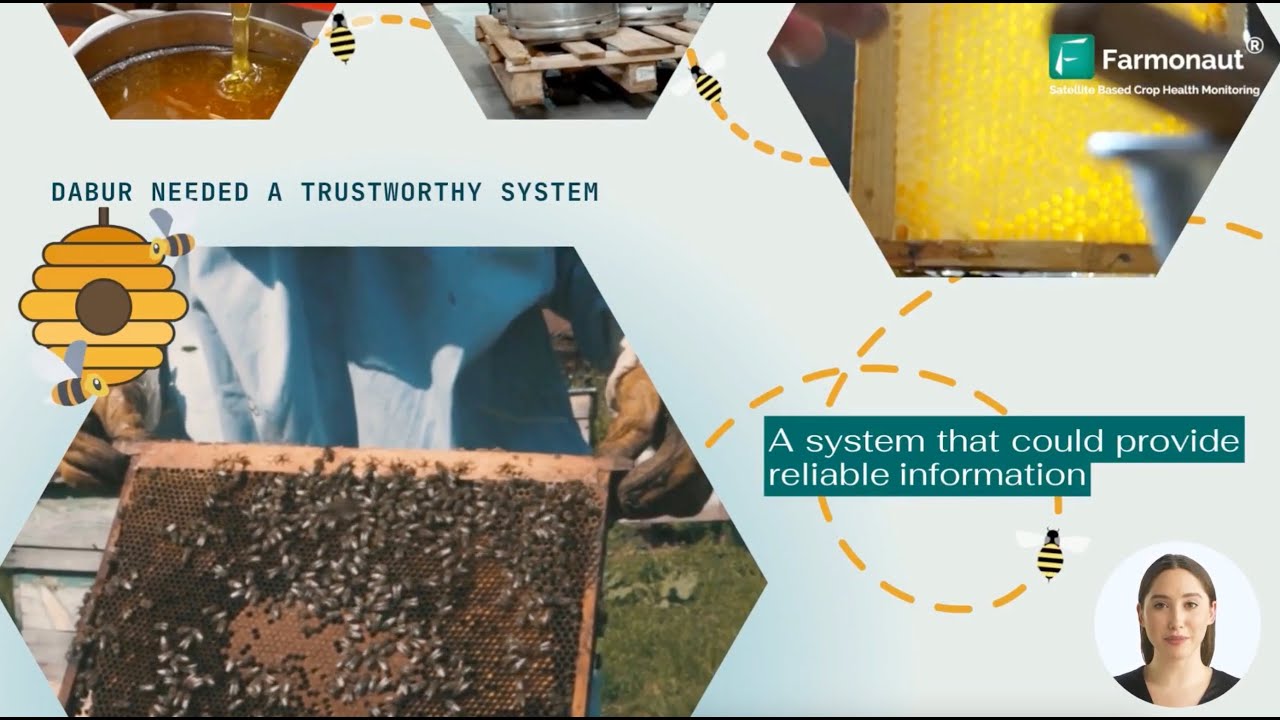
Traceability Solution: Farmonaut’s traceability platform provides real-time verification and transparent blockchain records for honey and fruit, adding value for producers and buyers alike.

Integrated Apiculture & Sustainable Impact
As we advance into 2026, sustainable apiculture practices will underpin the health of both orchards and bee populations. Longan-based apiculture provides:
- ✔ Reliable Floral Resources: Abundant, high-quality nectar flow supporting bee health.
- 📈 Improved Fruit Yield: Up to 35% more pollination-driven fruit set.
- 🌼 Enhanced Biodiversity: Habitat provision for wild pollinators and beneficial insects.
- 💰 Economic Multiplication: Dual income from fruit and honey, enhancing farmer livelihoods.

7 Sustainable Benefits of Longan Tree & Longan Honey for 2026
The combined strengths of longan tree cultivation and longan honey production empower sustainable landscapes and resilient farm economies. See how each benefit impacts agriculture, environment, and society:
| Sustainable Benefit | Impact Area | Estimated Quantitative Value (2025) | Description |
|---|---|---|---|
| Soil Health Improvement | Agroecology & Farming Systems | 15% better soil moisture retention | Agroforestry with longan enhances organic matter, reduces erosion, and improves crop resilience. |
| Water Use Efficiency | Resource Management | 20% less water wasted via advanced irrigation | Drip and precision irrigation lower water usage, vital in tropical and subtropical regions with variable rainfall. |
| Crop Yield Increase | Orchard Productivity | 20% yield increase (integrated apiculture) | Bees boost pollination leading to higher fruit set and improved longan quality. |
| Pollinator Support | Ecosystem Biodiversity | 35%+ increase in pollinator activity | Longan’s nectar-rich blossoms support bee populations and beneficial insects, aiding biodiversity. |
| Farmer Income Boost | Socio-Economic | 10%+ rise in farm income (diversification) | Honey production and fruit sales together create multiple revenue streams, lowering reliance on a single commodity market. |
| Local Biodiversity | Environmental Conservation | Increase in native flora and fauna observed in orchards | Integrated longan systems foster diverse plant and animal life, stabilizing the ecosystem. |
| Health/Nutritional Impact | Public Health & Nutrition | Rich in antioxidants & immune-boosting compounds | Longan fruit and honey deliver natural nutrients with scientifically validated health benefits. |
Bullet List: Top 5 Sustainable Outcomes
- 🌱 Enhanced Soil Structure: Longan roots reduce compaction, promoting healthy soil biology.
- 💡 Water Conservation: Drip systems paired with mulching prevent evaporation and nutrient loss.
- 🚀 Yield Surge: Up to 20% more fruit per acre with optimal pollinator presence.
- 🐝 Pollinator Diversity: Native bees and honeybees thrive, bolstering local ecosystems.
- 👩🌾 Earning Power: Diversification with honey and fruit creates resilient smallholder incomes.
Visual List: 3 Key Health Properties of Longan Honey
- 🥇 Antioxidant Power: Neutralizes free radicals, supporting immune system health.
- 🔥 Anti-Inflammatory Effect: Traditionally used to reduce swelling and promote healing.
- 💪 Nutrient Density: High levels of vitamins and minerals in both honey and fruit.
“In 2025, longan-based agroforestry can increase smallholder farm yield by up to 20% while enhancing soil health.”
“Longan honey production supports over 35% more pollinator activity, boosting local biodiversity and sustainable agriculture.”

Discover scalable orchard management: Farmonaut’s Large-Scale Farm Management suite streamlines field operations with AI-based crop health and weather monitoring.
How Farmonaut Supports Sustainable Longan Agriculture
As sustainability and digital traceability become non-negotiable for premium crop markets, satellite intelligence and AI-driven solutions will anchor the future of longan tree and longan honey production.
At Farmonaut, we empower longan producers and apiculturists through:
- 🌍 Satellite Monitoring: Real-time NDVI, soil moisture, and weather analytics help optimize cultivation and predict yield patterns.
- 📱 Mobile/Web Apps: Access advanced field data, track inputs, and manage resources across dispersed orchards—improving decisions and reducing environmental impact.
- 🔗 Blockchain Traceability: Build consumer trust and achieve full supply chain transparency for honey and fruit.
- 🔒 API & Data Integration: Secure, flexible access to analytics for remote management and reporting. Farmonaut API | API Developer Docs
- 🌐 Resource Management Tools: Fleet, irrigation, input, and environmental modules enable precise, eco-friendly orchard and apiary management—Fleet Management Tools.
Enhance Your Sustainability With Farmonaut
Whether you are a fruit grower, beekeeper, or investor in agricultural innovation, Farmonaut’s platform enables transparent, data-driven, and sustainable solutions for the next generation of global food and specialty product systems.

Looking to expand your plantation? Farmonaut’s Crop Plantation & Forest Advisory assists land managers and agribusinesses with planting, advisory, and long-term ecological monitoring.
Challenges & Future Prospects: Longan’s Role in Global Sustainability
Key Challenges for Longan Cultivation & Honey Production
- ⚠️ Climate Variability: Unpredictable weather patterns threaten both flowering and bee health.
- 🌪 Pesticide Risks: Misuse can devastate pollinator populations—integrated pest management is crucial.
- 🌍 Market Volatility: Fluctuations in international markets can impact farmer incomes.
- 🛠 Infrastructure: Need for improved processing, cold storage, and logistics to reduce food waste and ensure quality.
- 💡 Knowledge Gaps: Training in modern agroecological and apicultural practices is still limited in some regions.
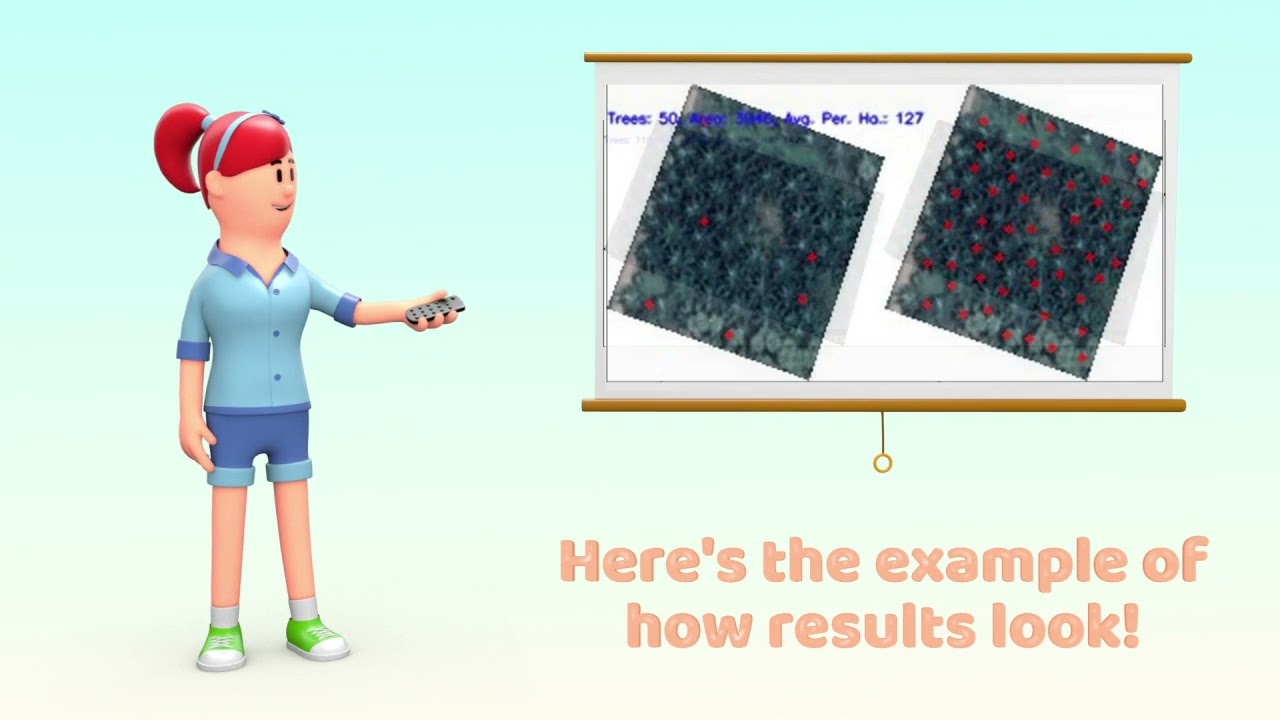
Growth Potential: 2026+ Outlook
- 🌱 Resilient Varieties: Breeding for climate and pest resistance to ensure reliable yield.
- 🚚 Value Addition & Processing: Investments in honey extraction, cold chain, and packaging will open access to new high-value markets.
- 🌐 Consumer Trends: Demand for specialty, natural health products is driving premium pricing and market growth.
- 🤝 Policy & Education: Encouraging sustainable management and supportive public policies can stabilize incomes and empower smallholders.
Frequently Asked Questions (FAQ)
Q1. What makes longan honey different from other monofloral honeys?
Longan honey is prized for its uniquely rich aroma, dark color, and distinct flavor profile, sourced from pure longan nectars. Its medicinal properties and antioxidants also set it apart in the specialty honey market.
Q2. How does longan cultivation support sustainable agriculture in 2026?
Longan orchards, when managed with agroecological strategies like intercropping, pollinator habitats, and smart irrigation, conserve soil, save water, and bolster biodiversity, making farming more resilient to climate stressors.
Q3. What are the economic benefits for farmers integrating longan and apiculture?
Integrating beekeeping with longan farming boosts crop yield, offers a valuable secondary income through honey, and can increase total farm income by up to 10% or more, especially in smallholder and diversified systems.
Q4. Can digital traceability really increase value for longan honey producers?
Yes—platforms like Farmonaut’s blockchain traceability provide quality and origin assurance, opening premium international markets and building lasting consumer trust in natural products.
Q5. What are the main challenges facing longan producers in Southeast Asia?
The most pressing challenges are climate variability, pest management, pollinator health threats, eco-unfriendly farming practices, and the need for better post-harvest processing and distribution.
Conclusion: Longan Tree and Honey—A Model for Sustainable Agriculture & Apiculture in 2026
In 2026, the longan tree and longan honey exemplify the future of sustainable, high-value agriculture and apiculture across Southeast Asia and beyond. These crops do not just provide succulent fruit and prized honey—they drive ecological balance, enhance smallholder resilience, and open new doors to specialty international markets.
Looking ahead: Digital tools, traceability, and integrated environmental management—like those provided by Farmonaut—are essential for overcoming climate, economic, and operational challenges. They are key to fostering pollinators, boosting farm income, and building robust supply chains for longan and honey.
The longan tree, longan honey nexus stands not just as a symbol of tradition, but as a powerful pillar for a resilient, healthy, and sustainable agricultural future—serving the planet, producers, and global consumers alike.

 Aadyah Aerospace
 Kubota
 FFBS
FFBS Jontra
 Kalustyan
 Tucor
Tucor Geno
Geno Hayleys Agriculture
 Linx Agritech
 Adinet
 Save Your Soils
 Grandstream Algérie
 XOS Realty
 Geospatial Lab Africa
 Agro La Gándara
 HIPSAC
 ZOL Zimbabwe
