

Jatropha Tree: Top 7 Benefits for Sustainable Energy
Table of Contents
- Introduction: The Jatropha Tree for Sustainability in 2025
- Trivia: Jatropha’s Clean Energy Impact
- Botanical and Agronomic Characteristics of Jatropha Curcas
- Top 7 Benefits of Jatropha for Sustainable Energy
- Benefit-Impact Table: Jatropha’s Sustainable Energy Value
- Agricultural Applications: Soil, Biodiversity, and Beyond
- Biofuel Production: Renewable Energy and Socioeconomic Value
- Environmental and Socioeconomic Impact
- Satellite Solutions for Sustainable Jatropha Cultivation
- Key Challenges and 2025 Outlook
- Frequently Asked Questions (FAQs)
- Conclusion: Jatropha Tree’s Role in a Greener Future
Introduction: The Jatropha Tree for Sustainability in 2025
The Jatropha tree (Jatropha curcas) has emerged as a pivotal species at the crossroads of sustainable agriculture and renewable energy. As the world intensifies efforts to reduce carbon emissions and shift away from fossil fuels, Jatropha’s relevance spans far beyond traditional uses. By 2025 and the years ahead, this versatile crop addresses critical challenges related to energy security, soil health, and rural development—especially in developing countries facing energy and environmental crises.
This blog post explores how the Jatropha tree stands as a key asset for sustainable agriculture and clean energy. We’ll detail its unique botanical characteristics, delve into the top benefits for sustainable energy, spotlight its agronomic value, and analyze both its transformational potential and the challenges that must be overcome by 2025.



Botanical and Agronomic Characteristics of Jatropha Curcas
The Jatropha tree, scientifically known as Jatropha curcas, is a hardy perennial shrub or small tree native to Central America. Over the years, its remarkable adaptability has led to extensive cultivation in Africa, Asia, and South America.
- 📍 Native Range: Central America, but now widespread in Africa, Asia, and South America.
- 💧 Drought Resistance: Thrives in arid and semi-arid environments—less water needed than most crops.
- 🌱 Soil Adaptation: Prospers in marginal, degraded, or unsuitable lands for food crops.
- 🛡️ Low Competition: Uses minimal fertile land and water, reducing competition with food production—a critical factor for sustainable farming.
- 🌳 Perennial Lifecycle: Productive for 30–50 years, offering long-term agricultural value.
Its extensive root systems help prevent soil erosion and improve soil health by contributing organic matter and stabilizing the land. With leaf litter and organic byproducts, Jatropha supports soil biodiversity and fertility.

Top 7 Benefits of Jatropha for Sustainable Energy
Within the evolving sphere of sustainable energy and agriculture, the Jatropha tree offers a compelling suite of multifaceted benefits relevant to 2026 and well beyond:
- ✔ Biodiesel Production: High-yield, non-edible oil for sustainable biofuels.
- ✔ Carbon Sequestration: Efficient absorption of atmospheric CO2.
- ✔ Soil Restoration & Erosion Control: Improves land quality and stability.
- ✔ Water Conservation: Tolerates drought, promotes sustainable water use.
- ✔ Socioeconomic Empowerment: Job creation and rural income diversification.
- ✔ Support for Biodiversity: Enhances on-farm diversity when intercropped.
- ✔ Transition Toward Renewable Energy: Reduces fossil fuel dependency, aligns with global climate goals.
Below, we break down each of these top 7 benefits, showing the quantitative impact and relevance to the sustainable energy landscape for 2025 and beyond.
Benefit-Impact Table: Jatropha’s Sustainable Energy Value
| Benefit | Estimated Quantitative Value | Impact on Sustainable Energy | Relevance to 2025 Potential/Challenges |
|---|---|---|---|
| Biodiesel Production | ~1,200–2,500 liters oil/ha/year | Clean, renewable alternative to petroleum diesel | Addresses energy security, supports rural livelihoods, and enables energy transition |
| Carbon Sequestration | ~15–50 tons CO2/ha over 20 years | Mitigates greenhouse gas emissions | Supports global climate targets; directly reduces net carbon emissions |
| Soil Restoration & Erosion Control | ~20–40% reduction in annual soil erosion rates | Restores degraded land, enables future cropping | Reclaims marginal lands for sustainable agriculture |
| Water Conservation | Can thrive with <1,000mm rainfall/year | Sustainable crop for semi-arid regions | Addresses water scarcity, supports dryland rural development |
| Socioeconomic Empowerment | Up to 250 jobs per 1,000 hectares (nurseries, processing, transport) | Creates rural jobs and economic opportunities | Boosts local development in high-unemployment regions |
| Biodiversity Support | ~10–25% increase in on-farm species richness | Promotes ecosystem health, pollinator activity | Crucial for resilient, sustainable farming systems |
| Renewable Energy Transition | Displaces up to 65% GHG from fossil diesel (per liter basis) | Direct pathway to decarbonizing transport and industry | Essential for countries with ambitious climate and energy targets |
Agricultural Applications: Soil, Biodiversity, and Beyond
From an agricultural standpoint, Jatropha trees offer multiple substantial benefits beyond energy production:
- 🌱 Soil Erosion Prevention: Extensive root systems anchor the soil, reducing loss from wind and rain.
- 🌳 Organic Matter Addition: Decaying leaves and branches contribute organic matter, enhancing fertility.
- 🫘 Intercropping Advantages: Jatropha is commonly intercropped with legumes and cereals, boosting on-farm biodiversity.
- 💚 Ecosystem Health: Improved plant diversity supports pollinators, beneficial insects, and birds.
- 🌿 Soil Fertility: Certain Jatropha species potentially fix nitrogen, further reducing reliance on synthetic fertilizers.*
*Partial evidence exists for nitrogen fixation via associations, still under active research.
🎯 Key Agronomic Benefits of Jatropha Tree
- 🟢 Improves soil structure
- 🟢 Enhances soil organic carbon
- 🟢 Fosters sustainable land management
- 🟢 Reduces desertification risk
- 🟢 Supports climate adaptation
- 🟢 Promotes rural landscape resilience

Biofuel Production: Renewable Energy and Socioeconomic Value
The most significant contemporary value of the Jatropha tree lies in its high-oil-content seeds—typically containing 30–40% non-edible oil suitable for biodiesel production. Unlike food-based biocrops (such as corn or soybean), using Jatropha eliminates the “food vs. fuel” dilemma and circumvents direct competition with human food resources.
How Jatropha Biodiesel Supports the Green Transition
- 🔋 Renewable & Clean: Biodiesel from Jatropha burns cleaner, reducing CO2, particulates, and SOx emissions versus fossil diesel.
- 🌍 Energy Security: Local production creates energy independence and stabilizes diesel prices in oil-importing, developing regions.
- 🔄 Integrated Value Chains: Opportunities for rural farmers to participate in bioenergy supply chains, increasing overall rural resilience and prosperity.
📊 Data Insights & ⚠️ Risks in Jatropha Production
- 📊 Yields increasing due to genetic improvement
- 📊 Rising demand for sustainable feedstocks
- ⚠ Yield variability remains a core challenge
- ⚠ Requires investment in oil extraction technology
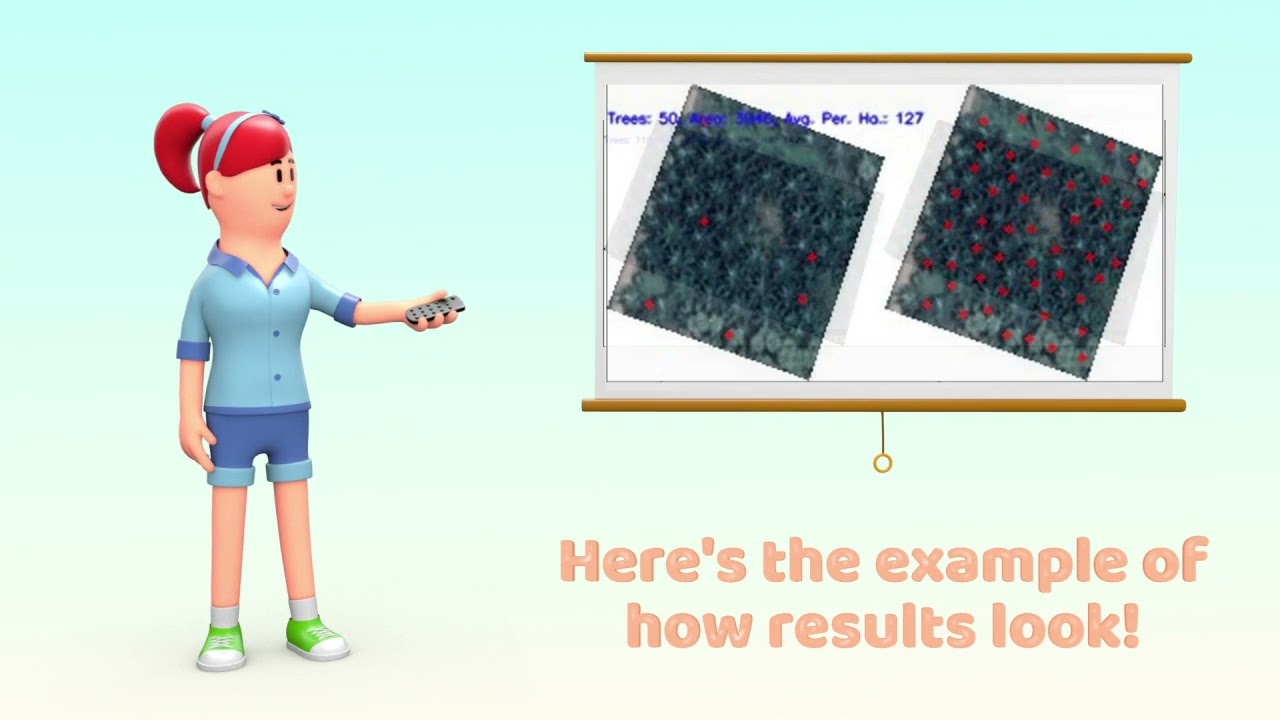
Looking to quantify and monitor the carbon benefits of your Jatropha plantations for regulatory compliance or carbon offset sales? Explore Farmonaut’s Carbon Footprinting Product Page – designed for farmers and plantation managers seeking accurate, satellite-derived carbon impact insights!
Environmental and Socioeconomic Impact
The wider impact of Jatropha tree cultivation goes well beyond energy production:
- 🌬️ Climate Change Mitigation: Sequesters significant carbon in tree biomass and supports a cleaner energy sector.
- 🌾 Land Restoration: Plantations on degraded lands can rehabilitate the environment and halt further land degradation.
- 🚰 Water Resource Protection: Reduces runoff and promotes more stable hydrological cycles.
- 🌺 Biodiversity Preservation: Offers diverse habitats when planted as part of agroforestry systems.
- 👩🌾 Rural Empowerment: Creates local jobs in nurseries, plantations, seed collection, and oil extraction.
- 🔌 Energy Access: Locally produced Jatropha biodiesel powers generators, water pumps, and agricultural equipment in remote locations.
These impacts make Jatropha a critical species in developing countries—advancing energy security, rural prosperity, and environmental repair simultaneously.

Satellite Solutions for Sustainable Jatropha Cultivation
As Jatropha tree cultivation expands globally, advanced monitoring and management systems are essential for success:
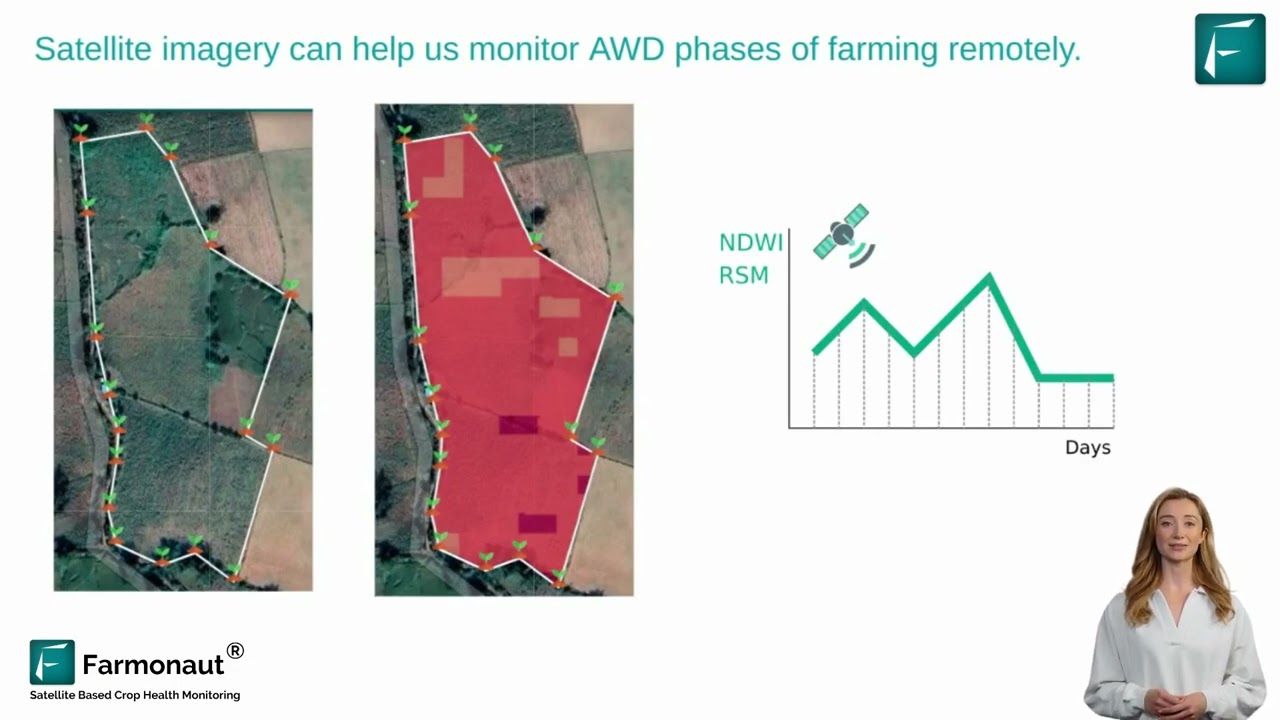
- 🛰️ Satellite Monitoring: Real-time, multispectral satellite imagery helps track tree health, soil conditions, biomass, and stress factors across vast Jatropha plantations. This ensures quick, data-driven intervention and improves plantation yields.
- 🤖 AI-Based Advisory Systems: AI analytics empower farm managers with actionable insights, from seedling planting patterns to irrigation scheduling and bud emergence forecasts.
- 🔗 Blockchain Traceability: Transparent, tamper-proof traceability of Jatropha oil supply chains boosts marketability and secures buyer trust. Explore Farmonaut Traceability for certified, credible biofuel supply.
- 💻 API and Mobile Integration: Developers and agri-businesses can easily integrate Jatropha monitoring via Farmonaut’s API (Developer Docs), for seamless scaling and automation.
At Farmonaut, our mission is to make satellite-driven insights affordable and accessible for every stakeholder in the Jatropha value chain—from farmers and managers to government agencies driving national sustainability agendas.
For managing vast, heterogeneous Jatropha plantations at scale, Farmonaut’s Large Scale Farm Management Platform is the optimal solution: enabling data-backed oversight, resource planning, and yield enhancement for big agri-business and government users.
Ready to kickstart carbon-smart Jatropha cultivation? Our Crop Plantation and Forest Advisory offers seamless plantation monitoring and decision support, tailored for future-ready sustainable projects.

Discover how satellite-based verification simplifies crop loan and insurance access for Jatropha planters–Farmonaut’s Crop Loan & Insurance offering helps reduce fraud and improve agricultural financing for real-world sustainable energy ventures.
Key Challenges and 2025 Outlook
Despite its enormous promise, Jatropha cultivation faces several critical barriers to mainstream adoption:
- 🧬 Yield Variability: Differences in genetic material lead to inconsistent oil yields, requiring ongoing investment in breeding programs.
- 💰 Upfront Costs: Establishing plantations and processing facilities can be capital intensive, especially for smallholder farmers in developing regions.
- 🐛 Pest/ Disease Issues: Occasional outbreaks can damage entire plantations if not managed proactively.
- ⏳ Time to Maturity: Trees typically take 2–4 years to reach full productivity; economic returns are not immediate.
- 🔧 Processing Infrastructure: Scaling up requires investment in local oil extraction and biodiesel processing units.
By 2026 and beyond, the outlook for Jatropha is trending positive as:
- 🌾 Advanced breeding programs deliver high-yielding, drought-tolerant cultivars suitable for diverse agro-climatic zones.
- 🧑🏫 Public, private, and international support for farmer training and technical assistance continues to scale.
- 🏭 Investments in decentralized processing infrastructure make commercial-scale production feasible even in remote rural areas.
- 📊 Data-driven management via platforms like Farmonaut reduces risk, enhances yields, and makes climate-smart Jatropha a practical choice for the next decade.
Frequently Asked Questions (FAQs)
1. What is the Jatropha tree, and why is it ideal for sustainable energy?
The Jatropha tree (Jatropha curcas) is a hardy, perennial shrub native to Central America. It thrives on marginal and degraded lands, its seeds yield non-edible oil that is suitable for clean, renewable biodiesel production—making it a cornerstone for sustainable energy systems in areas unsuitable for food crops.
2. How much biodiesel can be produced from Jatropha trees?
Mature Jatropha plantations can yield approximately 1,200–2,500 liters of oil per hectare per year, depending on genetics, management practices, and environmental conditions. This oil is directly convertible to high-quality biodiesel.
3. What are the key benefits of Jatropha for rural communities?
Jatropha cultivation supports local job creation in nurseries, plantations, seed processing, and biodiesel production—empowering rural communities and diversifying agricultural incomes.
4. Can Jatropha impact soil health and biodiversity?
Yes, Jatropha improves soil organic matter, controls erosion, and contributes to ecosystem health when intercropped. Its ability to enhance on-farm biodiversity is a key advantage for resilient farming.
5. How can I monitor my Jatropha plantations efficiently?
Platforms like Farmonaut provide satellite-based monitoring, API integration, and traceability for real-time crop management, carbon accounting, and sustainable value chain verification.
Conclusion: Jatropha Tree’s Role in a Greener Future
The Jatropha tree, once relegated to the status of a wild shrub, now stands as a symbol of sustainability, energy transformation, and rural development for 2025 and years to come. Its ability to thrive on degraded, marginal land, produce renewable biodiesel, restore soil health, and empower local communities makes it among the most versatile and valuable bioenergy crops globally.
Meanwhile, digital solutions—like the satellite monitoring and advisory tools provided by Farmonaut—enable real-time, cost-effective management of Jatropha at any scale, further accelerating its role in the global clean energy transition.
As technology, genetics, and best practices continue to evolve, the Jatropha tree is positioned to help drive the sustainable agriculture and renewable energy sectors for decades ahead—serving both environmental imperatives and the socioeconomic needs of developing regions.
Leverage Farmonaut’s satellite-based solutions for monitoring, traceability, and resource management—transforming challenges into climate-smart opportunities for 2026 and beyond.
- Real-time satellite crop monitoring: Large Scale Farm Management
- Satellite-driven Carbon Footprinting: Carbon Footprinting for Jatropha Plantations
- Traceability solutions for renewable oil supply chains: Product Traceability
- API for custom integration: Farmonaut API
- Insurance and lending innovations: Crop Loan & Insurance

 MWS Research Centre
 FieldZero
 Indico Company
 Kubota
 FFBS
FFBS Jontra
 Kalustyan
 Tucor
Tucor Geno
Geno Hayleys Agriculture
 Linx Agritech
 Adinet
 Save Your Soils
