

Smart Vegetable Farming in India: Vertical Innovations 2025
“By 2025, India’s vertical farming market is projected to reach $1.2 billion, revolutionizing urban vegetable production.”
“Smart vegetable farms in India can yield up to 10 times more produce per square meter than traditional methods.”
The Future of Vegetable Farming in India: Embracing Smart and Vertical Farming for Sustainable Growth in 2025
Vegetable agriculture in India stands at a crossroads in 2025, ushering in a new era of innovation, sustainability, and technological advancement. For millions, vegetable farming in India has always been a cornerstone of agricultural livelihoods, feeding urban and rural India, and supporting economic stability nationwide. As our country advances, smart vegetable farming and vertical vegetable farming are not just buzzwords—they are transforming the agricultural sector, redefining resource management, and enabling us to meet the food demand of a rapidly growing population with sustainable, efficient methods.
The shift from traditional farming methods, heavily reliant on seasonal cycles, manual labor, and unpredictable market dynamics, to smart, technology-driven approaches is palpable. In this comprehensive exploration, we will outline the core challenges of vegetable farming in India, analyze the latest advancements in smart and vertical farming, and examine how embracing innovation will drive us towards resilient, profitable, and sustainable food production in 2025 and beyond.
Challenges in Traditional Vegetable Farming in India
Before delving into the promise of future-ready smart and vertical vegetable agriculture, it is crucial to understand the challenges that have historically limited the agricultural sector:
- Land Fragmentation and Scarcity: With rising land fragmentation, small-holder vegetable farms across India struggle to achieve economies of scale. As cities expand, urbanization encroaches upon available agricultural land, making efficient, intensive farming increasingly necessary.
- Climatic Variability: Unpredictable monsoons, increasing frequency of droughts, and sudden weather shifts disrupt planting and harvesting cycles, affecting crop yields and farmer incomes.
- Water Scarcity: Agriculture accounts for over 80% of India’s freshwater use. Traditional irrigation techniques result in wastage and unsustainable groundwater depletion, especially in vegetables farming.
- Pest and Disease Attacks: Unpredictable pest infestations and disease outbreaks can wipe out entire crops, while excessive pesticide use raises food safety and environmental concerns.
- Profitability and Market Risks: Fluctuating prices due to seasonal gluts or shortages pose significant economic risks. Post-harvest losses, often 25–30% for perishable vegetables, further erode profits.
- Manual Labor Dependency: Traditional methods demand substantial manual work, which is increasingly unviable amid rising labor costs and rural migration towards urban centers.
- Knowledge Gaps: Many smallholder farmers lack timely access to updated agricultural advisory services or market data, resulting in suboptimal farm management.
- Environmental Impact: Intensive traditional agriculture can lead to soil degradation, biodiversity loss, and increased carbon footprint—contradicting our nation’s goals for environmental sustainability.
Clearly, overcoming these challenges requires a paradigm shift in approach, embracing technology for sustainable, profitable, and scalable vegetable production.
Smart Vegetable Farming: Precision Agriculture in India for 2025
Smart vegetable farming is changing agriculture in India by leveraging digital tools, sensors, and data analytics to optimize every step of the farming process. These precision agriculture techniques are enabling Indian farmers to monitor environmental and biological indicators in real-time, make data-driven decisions, and dramatically improve resource use and yields. Let’s examine how this new paradigm is redefining vegetable farming in India:
Key Technologies Redefining Vegetable Farming
-
Internet of Things (IoT) Devices:
- IoT sensors installed in vegetable fields monitor soil moisture, nutrient levels, and temperature—crucial for crops’ health and optimizing irrigation schedules in real-time.
- Smart irrigation systems can reduce water usage by up to 30%, enhancing both resource conservation and cost savings.
-
Drones & Satellite Imagery:
- Drone technology and satellite images offer precise, large-area monitoring of crop development, moisture levels, and pest infestations.
- Early detection of pest outbreaks allows for timely, targeted interventions, reducing chemical inputs and safeguarding yields.
-
AI-Based Forecasting & Mobile Advisory Platforms:
- AI-driven predictive models process massive amounts of weather, soil, and historical data, helping plan sowing and harvesting cycles optimally.
- Mobile apps provide cost-effective access to crop advisory, pest alerts, and market prices, empowering smallholder farmers to make informed choices.
-
Automated Farm Management Systems:
- Farm management software enables the integration of data from multiple sources—soil, weather, crop health—into a single decision dashboard.
- These act as force multipliers, improving efficiency, reducing labor inputs, and enhancing yield quality.

Smart vegetable farming aligns with Indian government initiatives aimed at digital transformation of agriculture. Schemes like PM-KISAN, Soil Health Cards, and promotion of affordable agri-tech solutions are facilitating broader adoption of precision farming innovations.
Benefits of Smart Vegetable Farming for India
- Increased yield and quality: Monitoring crop health down to the plant level results in optimized fertilizer, water, and pesticide use, boosting growth and improving nutritional content.
- Resource optimization: Automated systems track water and energy usage, cutting wastage and costs.
- Reduced environmental impact: By targeting interventions, smart vegetable farming reduces input overuse, lowers emissions, and enables sustainable food production.
- Market resilience: Real-time advisories and price discovery tools buffer against the impact of sudden market fluctuations and post-harvest losses.
- Empowering farmers: Smallholders, who make up the majority in vegetable agriculture, access knowledge and skills once exclusive to large commercial operations.

Vertical Vegetable Farming: Revolutionizing Urban Agriculture by 2025
As India urbanizes, more people are moving into cities with limited access to farmland. Vertical vegetable farming stands out as a revolutionary solution, particularly for urban and peri-urban regions, where land scarcity is severe and the need for fresh, nutritious food is greatest. Let us explore how vertical farming is transforming the vegetable agricultural landscape in India:
Core Features of Vertical Vegetable Farming
-
Stacked Growing Systems:
- Vegetables are cultivated in vertically stacked trays or towers, maximizing yield per square meter and enabling intensive agriculture in small footprints.
- Space once limited to single-layer cropping now supports multi-crop cycles, multiplying farm output.
-
Controlled Environment Agriculture (CEA):
- Climate, light, humidity, and CO2 levels are optimized using climate control systems, insulated enclosures, and LED lighting tailored to crops’ photosynthetic needs.
- Such precise control enables year-round farming, independent of monsoons or external weather variability.
-
Hydroponics and Aeroponics:
- Roots are supplied with nutrient solutions without soil—for hydroponics—or with nutrient mist—for aeroponics.
- These systems use up to 90% less water than conventional soil-based farming, addressing India’s acute water scarcity challenge.
-
Urban and Peri-Urban Siting:
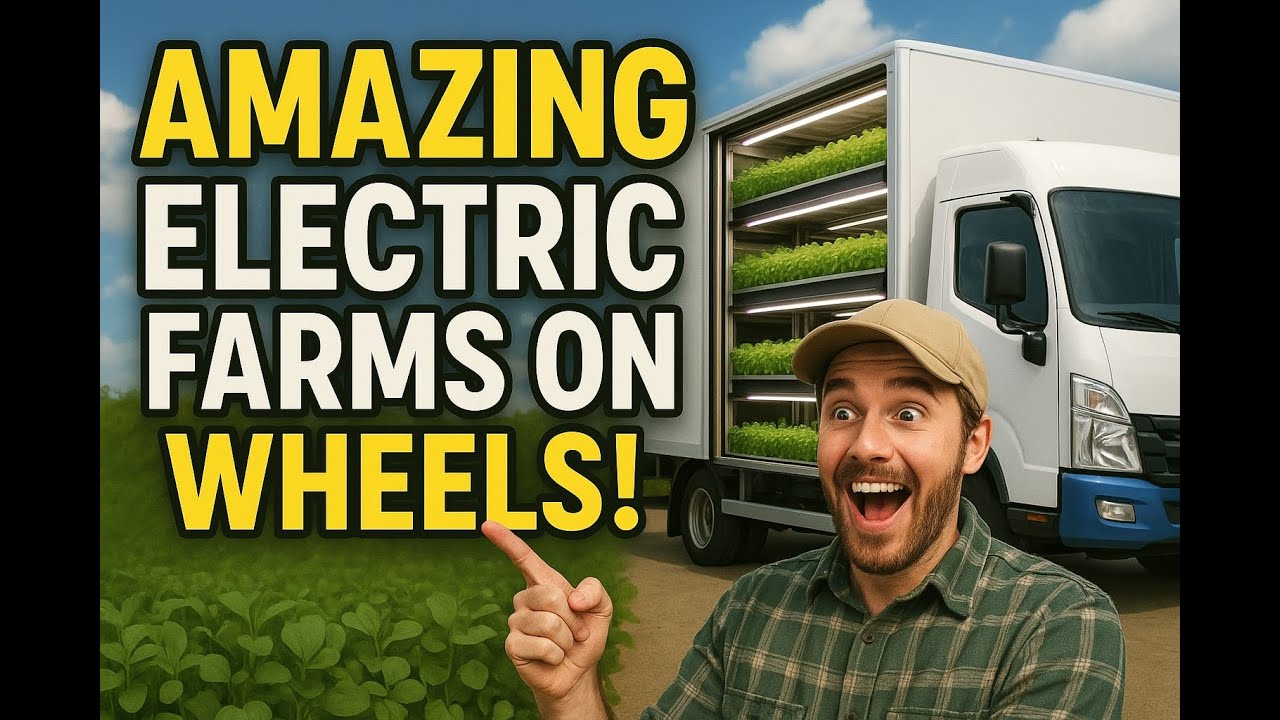
- Vertical farms can be established atop buildings, in warehouses, or in converted shipping containers near city centers, minimizing transportation distances and reducing post-harvest losses.

Why Vertical Vegetable Farming is a Smart Choice for India in 2025
- Land Efficiency: Produces more vegetables per square meter, crucial for dense cities like Mumbai, Bengaluru, or Delhi.
- Efficient Resource Use: Water and nutrient recycling, combined with zero soil management, drastically cuts operating costs and environmental impact.
- Pest and Disease Management: Closed environments eliminate the need for chemical pesticides and allow predictable, organic farming cycles.
- Food Security and Quality: Fast, local supply chains provide fresh, nutritious vegetables directly to consumers, supermarkets, or restaurants, preserving taste and vitamins.
- Employment & Urban Economic Growth: New jobs emerge in urban farming technology, system maintenance, and produce marketing—vital for supporting livelihoods of rural migrants.
- Climate Resilience: Reliable vegetable farming in the face of erratic monsoons and rising temperatures, crucial as climatic variability increases.
Comparative Overview Table: Conventional vs. Smart Vertical Vegetable Farming (2025 Estimates)
| Farming Method | Yield per Sq. Meter (Estimated, kg/year) |
Water Usage (Liters/kg, Estimated) |
Land Requirement (m²/ton, Estimated) |
Labor Input (Man-hours/ton, Est.) |
Initial Investment (INR, Estimated) |
Sustainability Rating |
|---|---|---|---|---|---|---|
| Conventional Vegetable Farming | 4–5 | 200–300 | 200–250 | 250–350 | 50,000–100,000 | ★★☆☆☆ |
| Smart Vertical Farming (2025) | 40–50 | 20–40 | 25–40 | 80–120 | 400,000–800,000 | ★★★★★ |
Table Notes: Data are 2025 estimates, highlighting smart vertical vegetable farming’s clear superiority in yield, resource efficiency, and sustainability—key factors for India’s future food security.
Want to experience the transformative power of data-driven, sustainable farm management?



Access APIs and Developer Docs:
Farmonaut’s API |
API Developer Documentation

Synergy: Integrating Smart and Vertical Vegetable Farming for the Future
The true promise of Indian agriculture in 2025 lies in the integration of smart vegetable farming and vertical farming. When combined, these technologies amplify each other’s strengths, offering precision-controlled environments, real-time monitoring, and data-driven resource optimization that redefine our farming landscape.
How Smart Systems Elevate Vertical Farms
- Precision Data Management: Vertical farms, equipped with AI and IoT sensors, can monitor moisture, light, and nutrient levels at every layer, adjusting irrigation and lighting systems automatically for each crop cycle.
- Real-Time Monitoring for Urban Farms: Drones and satellite-based tools enable oversight of even the largest vertical farming operations in Indian cities, ensuring no crop is left unmonitored.
- Blockchain and Traceability: Digital ledgers guarantee transparent supply chains—consumers can trace their vegetables from urban farms to their table, boosting trust and branding for premium, organic, locally-grown produce.
- Automated Resource Allocation: With sensors and software, water, energy, and fertilizer use is constantly optimized, lowering operational costs and environmental impacts.

Integration drives sustainable intensification: India’s expanding population gains access to fresh, affordable vegetables all year—without degrading natural ecosystems. This synergy supports India’s journey towards sustainable growth and food security for 2025 and the future.
Farmonaut: Empowering Smart & Vertical Vegetable Farming with Satellite Intelligence
At Farmonaut, we recognize the pressing challenges and tremendous opportunities for vegetable farming in India. Our suite of satellite-based technologies, advanced analytics, and AI-powered advisory services is crafted to advance vegetable agriculture and vertical innovation across the country.
- Satellite-Based Monitoring: Our platform integrates multispectral satellite imagery for monitoring crop vegetation health (NDVI), soil moisture, and nutrient levels—critical for smart vegetable farming and vertical farms looking to maximize productivity and reduce resource consumption.
- Jeevn AI Advisory System: We offer real-time, tailored agronomic strategies powered by AI, weather insights, and satellite data. This system enables every Indian farmer to optimize crop cycles and implement swift, efficient responses to pest and climate variability.
- Blockchain-Based Traceability:
Learn more about our traceability tools here. These solutions help vegetable growers ensure food safety, compliance, and consumer trust by making every transaction in the supply chain transparent and secure. - Environmental Impact Monitoring: Farmonaut supports sustainable growth by facilitating
carbon footprint analysis for vegetable agriculture. This empowers farmers and businesses to comply with environmental standards and implement responsible water and resource usage practices. - Fleet and Resource Management: Our fleet management platform enables large-scale and urban vertical farms to monitor and optimize logistics, machinery, and transportation routes, reducing overheads and enhancing operational efficiency.
- Financing Solutions: Through satellite-based verification for agricultural loans and insurance, we streamline access to finance and de-risk loan portfolios for banks supporting emerging agri-enterprises in India.
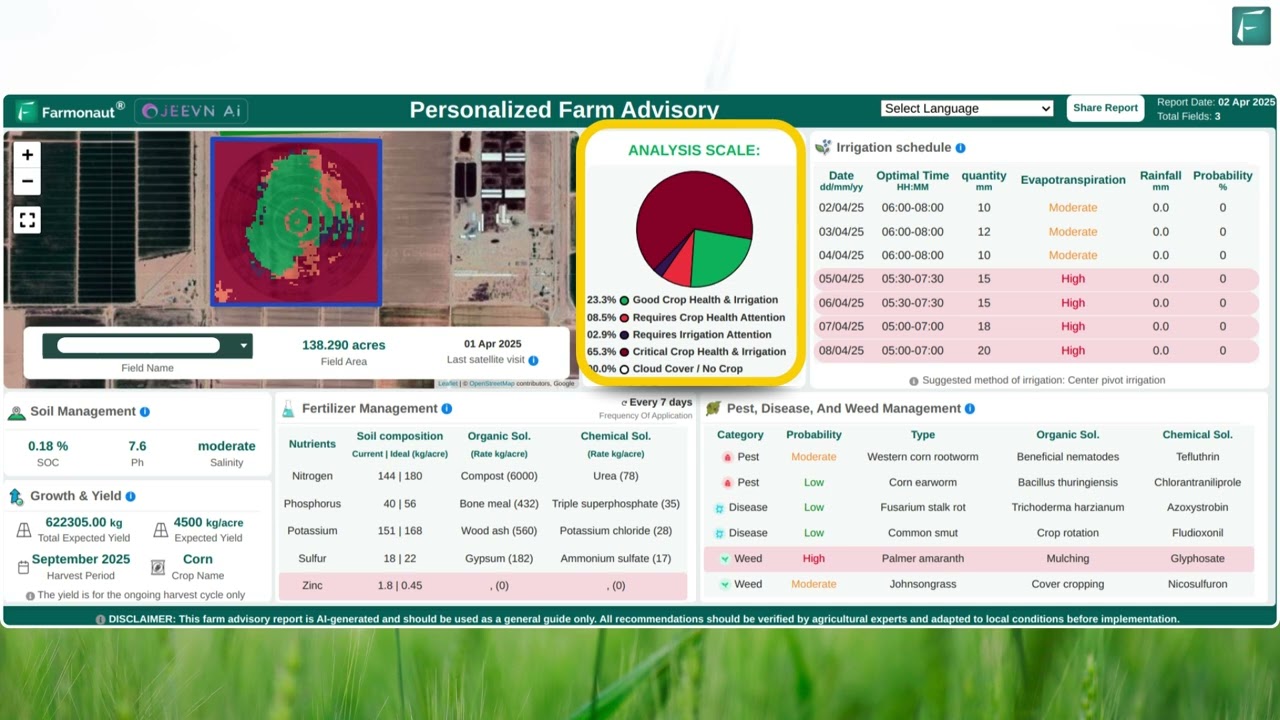
Scalable Platform for Every Stakeholder: Our modular model serves the needs of individual farmers, agribusinesses, government institutions, and financial entities; from small rural fields to vast vertical farms, our tools streamline, secure, and digitize the entire process of vegetable farming in India.

Looking to modernize your farm operation or scale your urban vertical farm?
Explore our Agro Admin App for large-scale farm management here, purpose-built to monitor and optimize multi-hectare vegetable and mixed-crop farms.
The Road Ahead: 2025 and Beyond
The coming years will see the Indian agriculture sector push the limits of innovation, efficiency, and sustainability. Smart vegetable farming and vertical vegetable farming are set to deliver not only food security for a growing population but also economic, social, and environmental gains that can transform rural and urban lives alike.
- Government Support and Policy Direction: National and state governments will continue investing in smart agriculture infrastructure, farmer training, and incentives for sustainable vertical farm establishment.
- Private Sector and Tech Innovation: Investment in agri-technology startups and scale-up of low-cost hardware—including sensors, climate control systems, and advanced LED arrays—will make smart and vertical farming affordable for all farm sizes.
- Education and Farmer Awareness: Agricultural extension services, digital learning platforms, and AI-powered advisories will bridge knowledge gaps and foster rapid skill development for the next generation of Indian veg farmers.
- Collaboration and Ecosystem Building: The synergy between public agencies, research centers, technology companies, and local communities will create solutions tailored to every region’s climatic, economic, and social context.
The time to embrace the future of vegetable farming in India is now. The union of smart vegetable farming and vertical vegetable farming accelerates our march towards a food-secure, climate-resilient, and prosperous nation in 2025 and beyond.
FAQs: Smart & Vertical Vegetable Farming in India
What is smart vegetable farming, and how is it different from traditional methods?
Smart vegetable farming uses digital tools, real-time data analytics, IoT sensors, satellite imagery, and AI to optimize farming decisions. Compared to traditional methods—which depend heavily on manual labor and seasonal cycles—smart farming dramatically improves yield, reduces resource usage (like water and fertilizer), enhances profitability, and minimizes environmental impact.
How does vertical vegetable farming work in Indian cities?
Vertical vegetable farming involves cultivating crops in stacked layers under controlled conditions. Innovations like hydroponics and aeroponics allow vegetables to grow without soil, using nutrient-rich water or mist. These farms are typically set up in urban areas—on rooftops, in shipping containers, or warehouses—to supply fresh, high-quality vegetables directly to city consumers while saving space and resources.
What are the main advantages of integrating smart and vertical farming?
- Up to 10x higher yields per square meter than conventional farms.
- Water use reduced by up to 90% thanks to recycling and automation.
- Resilience against climate variability and urban land scarcity.
- Real-time monitoring, resource optimization, and efficient supply chains.
- Reduced carbon footprint and enhanced traceability in the food chain.
How does Farmonaut support smart and vertical vegetable farming?
Farmonaut provides satellite-based vegetation and soil health monitoring, AI-driven crop advisory, blockchain-based product traceability, and automated fleet/resource management tools. These solutions empower both traditional and high-tech vertical farms with actionable intelligence, promoting sustainability and maximizing yield and profitability.
Are smart and vertical vegetable farming methods feasible for smallholder farmers?
Yes. As technology costs decrease and with targeted government support, smallholder farmers in India can access solutions like low-cost sensors, mobile-based advisories, and modular vertical farming systems. Farmonaut’s subscription model and mobile app put advanced monitoring and advisory tools within reach of even the smallest growers.
Conclusion: Embracing India’s Vegetable Farming Future
To summarize, smart vegetable farming and vertical vegetable farming represent the technological and sustainable evolution of Indian agriculture for 2025 and years to come. By integrating digital tools, data analytics, resource-efficient methods, and urban-centric solutions, we are solving age-old challenges, driving economic resilience, and supporting the livelihoods of millions—from rural villages to bustling metros. Embracing this future unlocks a new era of food security, environmental sustainability, and prosperity for India.
“By 2025, India’s vertical farming market is projected to reach $1.2 billion, revolutionizing urban vegetable production.”
“Smart vegetable farms in India can yield up to 10 times more produce per square meter than traditional methods.”

 Kubota
 Grow Indigo
 FFBS
FFBS Jontra
 Kalustyan
 Tucor
Tucor Geno
Geno Hayleys Agriculture
 Linx Agritech
 Adinet
 Save Your Soils
 Grandstream Algérie
 XOS Realty
 Geospatial Lab Africa
 Agro La Gándara
 HIPSAC
 ZOL Zimbabwe
 Juligerm
