

Top 10 Regen Agriculture Tools in India & Prices
Summary: Regen agriculture tools: empowering resilient farming systems in India
Regenerative agriculture (regen farming) isn’t just a trend—it’s the heart of a movement reshaping Indian agriculture, helping us restore soil health, conserve water, encourage biodiversity, and enable sustainable food systems. The right regen agriculture tools are critical: from affordable sensors to smart irrigation, innovative seeders to composting aids, Indian farmers are adopting a blend of traditional and modern implements to boost productivity without sacrificing eco-resilience or profitability. This guide explores the top 10 regen agriculture tools in India, detailing their features, uses, prices, and key advantages for resilient, sustainable farming.



Table of Contents
- Introduction & Key Benefits of Regen Agriculture Tools
- Why Regenerative Tools Matter in Indian Agriculture Systems
- Top 10 Regen Agriculture Tools in India — Comparison Table
- In-Depth Guide to Top 10 Regen Farming Tools: Uses, Innovations, and Prices
- Integrating Regenerative Tools in Indian Farming Practices
- How Farmonaut Technology Supports Regenerative Decisions
- Key Callout Highlight Boxes
- Visual Benefit Lists and Bullets
- FAQ: Regen Agriculture Tools in India
- Conclusion: Empowering Resilient Indian Farming with Regenerative Tools
Introduction & Key Benefits of Regen Agriculture Tools
The journey toward empowering resilient, regenerative farming systems in India hinges on technology, innovation, and a commitment to restoring the land. Regen agriculture tools—spanning soil health probes, smart irrigation, mechanical weeders, and more—play an essential role in:
- ✔ Boosting Soil Health: Enable monitoring & improved nutrient management.
- ✔ Conserving Water: Use smart moisture sensors and irrigation setups.
- ✔ Reducing Chemical Inputs: Rely on mechanical weeders, composting instead of synthetic fertilizers.
- ✔ Increasing Biodiversity: Enable cover cropping and crop rotation for resilient systems.
- ✔ Improving Profitability: Strengthen yield and income without harming eco-health.

Why Regenerative Tools Matter in Indian Agriculture Systems
Regen farming in India focuses on restoring soil, conserving water, increasing resilience, and minimizing dependency on chemicals. Unique climatic challenges, small-scale landholdings, and local knowledge make adaptability essential. The right regen agriculture tools blend traditional wisdom with innovative approaches, helping farmers:
- 🌱 Monitor and Improve Soil Structure: Use sensors, probes & testing kits.
- 💧 Enhance Water Retention & Reduce Waste: Smarter irrigation means less evaporation and leaching.
- 🌾 Support Biodiversity and Healthy Cropping: Tools for cover crops & weed management.
- 🔄 Facilitate Organic Matter Cycling: Promote composting & residue management.
- 🌳 Empower Agroforestry Practices: Enable tree planting & sustainable land management.

From Punjab’s wheat belts to Tamil Nadu’s groundnut fields, and from Rajasthan’s arid patches to Assam’s tea estates—regen agriculture tools are helping Indian farmers protect soil, build sustainable systems, and empower livelihoods all while boosting yields and reducing input costs. The agriculture tools price spectrum in India ensures these implements are increasingly accessible.
Top 10 Regen Agriculture Tools in India — Comparison Table
Use the table below to compare key features, prices, and innovative highlights for each of the leading indian agriculture tools supporting regenerative farming practices.
| Tool Name | Category | Key Function | Estimated Price (INR) | Innovation Highlight | Ideal Crop/Application |
|---|---|---|---|---|---|
| Soil Moisture Probe/Meter | Soil Health & Moisture | Monitor soil moisture, temperature, nutrient status | ₹1,500 – ₹12,000 | Digital sensors, Bluetooth/WiFi enabled models | Rice, wheat, groundnut, horticulture |
| Soil Testing Kit & Nutrient Brush | Soil Health | Test pH, NPK, organic matter, guide amendments | ₹3,000 – ₹18,000 | Portable, rapid test kits with digital readouts | Universal—any crop type |
| Drip/Micro-sprinkler System | Water Management | Precise, efficient irrigation | ₹12,000 – ₹55,000 (per acre) | System with programmable timers, sensor integration | Vegetables, grapes, sugarcane, flowers, arid crops |
| Mechanical Weeder/Row Cultivator | Weed Management | Reduce weed pressure, promote soil aeration | ₹6,500 – ₹28,000 | Hand, bullock, or motorized variants | Paddy, millets, maize, pulses |
| Mulch/Compost Spreader | Organic Matter Application | Distribute organic mulch, compost | ₹9,000 – ₹21,000 | Manual or PTO-driven, adjustable spread width | Vegetables, orchards, field crops |
| Precision Seeder for Cover Crops | Crop Diversification | Sow cover crops (beans, oilseeds, clover, etc.) | ₹17,000 – ₹39,000 | Multicrop, adjustable seed spacing, low till | Grains, pulses, legumes, organic farms |
| Seedling Plastic/Biodegradable Mulch Layer | Crop Establishment | Apply mulch films for temperature, weed, moisture | ₹16,000 – ₹32,000 | Uses eco-friendly, compostable films | Vegetable and fruit nurseries, high-value crops |
| Compost Turner & Tumbler | Composting & Fertility | Speed up compost conversion, aerate piles/rows | ₹9,000 – ₹48,000 | Rotary drum, manual/battery powered | All farming systems, community composting |
| Bokashi/Fermentation Kit | Organic Amendment | Produce quick, microbe-rich organic amendments | ₹8,000 – ₹18,000 | Closed system, produces pre-compost in 2 weeks | Horticulture, vegetable, specialty crops |
| Agroforestry Tree Pruner/Planting Bar | Agroforestry Support | Trim coppices, plant trees, conserve biomass | ₹7,000 – ₹22,000 | Ergonomic, lightweight for field use | Timber, fruit, windbreak, border tree plantations |

In-Depth Guide to Top 10 Regen Farming Tools: Uses, Innovations, and Prices
Let’s examine each tool for regen agriculture in India—why it matters, how it works, and practical pricing for smallholders and progressive Indian farms alike.
1. Soil Moisture Probe & Meter
Category: Soil health & moisture management
How it works: Simple or digital probes/meter measure soil moisture, temperature, and, on advanced models, nutrient status—often displaying real-time data via Bluetooth/APP connectivity, enabling timely irrigation or drainage.
- ✔ Benefits: Avoid water waste, optimize nutrient cycling, protect soil structure.
- ✔ Price Range: ₹1,500–₹12,000
- ✔ Innovation: Smart sensors now enable automated water delivery, critical in arid regions like Rajasthan or Saurashtra.
Use cases: Essential for wheat, paddy, vegetables, grapes, and other crops sensitive to over/under-irrigation. Pairs with Farmonaut’s satellite-based crop monitoring for advanced moisture analytics and yield forecasts, maximizing soil health and productivity.

2. Soil Testing Kit & Nutrient Brush
Category: Soil health, nutrient management
These kits test pH, NPK (nitrogen, phosphorus, potassium), organic matter and sometimes micronutrients. Brushes allow for easy sampling at multiple points for a true field average.
- ✔ Benefits: Regular tests guide optimal fertilizer/compost applications. Reduce overreliance on synthetics, build soil health.
- ✔ Price: ₹3,000–₹18,000
- ✔ Pro Tip: Test soils before sowing, during crop growth, and after harvest to ensure soil health and sustainable nutrient cycling.

3. Drip & Micro-Sprinkler Irrigation Systems
Category: Water management, moisture retention
Modern drip and micro-sprinkler setups, equipped with timers and integrated soil moisture sensors, reduce water waste and support soil biota by maintaining ideal wet/dry cycles.
- ✔ Price: ₹12,000–₹55,000 per acre
- ✔ Innovation: Automated, zone-based irrigation, integration with weather data for optimal scheduling.
- ✔ Best for: Water-scarce states (Gujarat, Rajasthan, Maharashtra), intensive horticulture, arid and semi-arid regions.
Explore tools for precision water management and connect with advanced carbon footprinting solutions for monitoring sustainable irrigation and emission reduction.

4. Mechanical Weeder & Row Cultivator
Category: Weed management
Mechanical weeders (manual, bullock-drawn, or motorized) support regenerative practices by reducing herbicide dependence. They aerate soil, preserve soil life, and minimize harmful compaction.
- ✔ Price: ₹6,500–₹28,000
- ✔ Key functions: Row weeding in paddy, maize, millets, pulses; maintenance of cover crop layers.
- ✔ Innovation: Adjustable blade types for timely, targeted weed management.
Pro Tip: Combine with mulch and cover crop sowing to reduce repeated weed emergence.
5. Mulch/Compost Spreader
Category: Organic matter application, soil health
These tools efficiently distribute composted manure, plant residues, or various mulches. This increases water retention, organic matter buildup, and feeds soil microbial activity.
- ✔ Price: ₹9,000–₹21,000
- ✔ Innovation: Adjustable width, rotary drum or tractor-PTO powered for large fields.
- ✔ Use: Fruit orchards (Maharashtra, Himachal Pradesh), vegetable belts, field crops.
Common Mistake: Over-application can suppress oxygen; spread thin, repeated layers for best results.
6. Precision Seeder for Cover Crops
Category: Diversified cropping, pest and weed suppression
Precision seeders (manual or tractor-mounted) allow rapid establishment of regenerative cover crops: pulses (mung, urad, cowpea), oilseeds, clovers, or mustards.
- ✔ Price: ₹17,000–₹39,000
- ✔ Why it matters: Ensures dense cover crop layers for nitrogen fixation, weed suppression, soil structure improvement.
- ✔ Use: Field rotation in Punjab, Haryana, Andhra Pradesh, and all organic farms.
Data Insight: Cover crops can supply up to 130 kg N/ha/year and increase soil organic matter by 0.2-0.5% annually.

7. Seedling Plastic/Biodegradable Mulch Layers
Category: Crop establishment, weed management
Mulch layer tools apply plastic or rapidly degradable films to new seedbeds. These regulate soil temperature, reduce evaporation, and suppress weed emergence, supporting vigorous early-stage crop growth.
- ✔ Price: ₹16,000–₹32,000
- ✔ Eco-Innovation: Biodegradable/compostable films reduce future pollution and improve soil structure long term.
- ✔ Use: Tomatoes, chilies, cucumbers, melons, tobacco, all nursery crops.
Key Insight: Conserves up to 30% more field moisture during extreme heat/summer months.
8. Compost Turner, Aerator & Tumbler
Category: Composting and fertility enhancement
Whether windrow, pit, or drum, these tools speed up organic matter conversion by supplying oxygen and mixing compost for quick, even results. Vital for closed-loop nutrient cycling.
- ✔ Price: ₹9,000–₹48,000
- ✔ Use: All scales—community composting, field-side, home gardens.
- ✔ Innovation: Drum or battery-powered tumblers allow smallholders or urban farmers to join the regenerative revolution.
Pair with bokashi kits for integrated composting of diverse organic waste streams (crop residues, cow dung, fruit peels etc.).
9. Bokashi & Fermentation Kits
Category: Organic amendments, microbial inputs
Bokashi kits use EM (Effective Micro-organisms) in airtight containers, accelerating the conversion of farm waste to microbial-rich pre-compost within two weeks.
- ✔ Price: ₹8,000–₹18,000
- ✔ Boosts: Soil microbial diversity, nutrient uptake, and disease resistance.
Pro Tip: Apply bokashi-inoculated amendments in fruit orchards, flower beds, or vegetable beds just before major rainfall or irrigation for rapid soil health improvement.
10. Agroforestry Tree Pruning Tools & Planting Bars
Category: Agroforestry, diversification, biomass retention
Tools such as ergonomic hand pruners, loppers, bow saws, and light planting bars allow Indian farmers to establish woodlots, windbreaks, and agroforestry strips. Pruning vegetation re-invigorates growth and supports bio-diverse understory.
- ✔ Price: ₹7,000–₹22,000
- ✔ Supports: Timber/fuel, fruit, windbreaks, and carbon sequestration.
- ✔ Innovation: Lightweight, replaceable blades aid repairability and long-term use on diverse holdings.
Pair with shredders and bale presses to convert pruning residues into mulch or biochar for further soil health gains.
Integrating Regenerative Tools in Indian Farming Practices
Implementing regen agriculture tools is most effective when done strategically, considering local context, climate, and farmer needs. Here’s a smart approach for building your regenerative toolbox:
Stepwise Implementation Pathways
- 1️⃣ Soil Health First: Begin with soil probes, testing kits, and routine data collection. Guide your amendments and cover crop choices based on real-time soil health status.
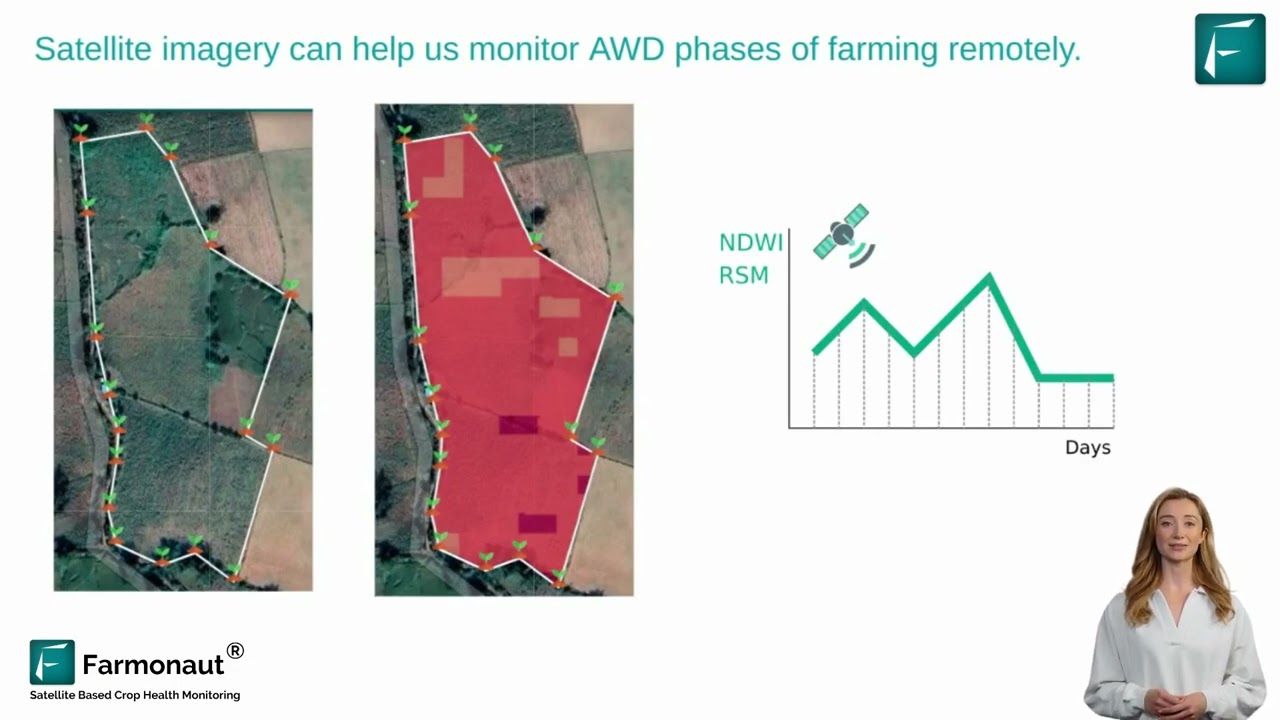
- 2️⃣ Moisture & Irrigation: Introduce drip/micro-irrigation and advanced soil moisture sensors. Smarter water management means healthier crops and less waste—pair with satellite insights like those found in Farmonaut’s Large-Scale Farm Management App for field-wide optimization.
- 3️⃣ Cropping & Mulch: Add mechanical weeders and precision seeders to establish cover crops and maintain mulch layers. Promote biodiversity, improve water retention, and support soil life.
- 4️⃣ Composting & Fertility: Invest in compost turners, bokashi, and spreader tools for on-farm waste conversion into soil food—enable closed-loop nutrient cycling and reduce chemical import dependence.
- 5️⃣ Agroforestry Diversification: Integrate tree planting and pruning tools for windbreaks, timber, fruit and climate resilience. Compost and mulch wood residues for maximum ecosystem benefits.
Local Support Mechanisms
- ✔️ Community Workshops: Encourage local fabrication, tool sharing, and repairability workshops—lowering costs and improving tool availability.
- ✔️ Training & Knowledge: Equip farmers with practical, hands-on training in tool operation and regenerative practices for faster adoption and improved results.
- ✔️ Collaborative Networks: Leverage seed banks, compost networks, and community machinery pools to reduce individual input costs.
How Farmonaut Technology Supports Regenerative Decisions
As a leading satellite technology provider, we at Farmonaut empower Indian farmers, agronomists, and agri-enterprises to:
- ✔️ Remotely Monitor Crop & Soil Health: Get real-time vegetation and soil status data using satellite imaging through Android, iOS, and web platforms.
- ✔️ Leverage AI Advisory Systems: Our Jeevn AI Advisory System analyzes farm-level satellite and weather data to guide timely irrigation, fertilization, and carbon footprint optimization—directly supporting regen agriculture tool adoption.
- ✔️ Integrate Blockchain Traceability: Access blockchain-based traceability to validate and market sustainably produced crops, reinforcing consumer trust and premium pricing opportunities for regenerative produce.
- ✔️ Optimize Large-Scale & Smallholder Fleets: Our fleet management system helps efficiently deploy agricultural implements across multiple locations, saving fuel, time, and ensuring tool readiness for regen practices.
- ✔️ Democratize Access to Innovation: Our cross-platform approach lowers barriers to satellite-driven advisory, enabling every farmer, business, or agri-official to make data-powered regenerative decisions—regardless of scale.
See API access for tech partners & startups:
Farmonaut API | Developer Docs
Farmonaut helps build, monitor, and sustain resilient regen farming systems across India, advancing the transition from conventional chemical-dependent agriculture to regenerative, climate-smart models.
Key Callout Highlight Boxes
Regular soil testing and moisture monitoring with affordable regen agri tools increases farm yields by up to 25%—while reducing irrigation costs and chemical input dependence.
“Always calibrate mechanical weeders for your specific row/crop spacing to avoid root damage and maximize weed removal with minimal soil compaction.”
“Applying plastic mulch in humid/rainy zones without adequate soil aeration encourages fungal growth—choose breathable, biodegradable films in such regions.”
The Indian regen agri tools sector is growing at over 12% CAGR. Digitally-connected implements and AI data integration are rapidly driving profitability and resilience for smallholder and industrial agri enterprises alike.
Regen agriculture tools are critical in India’s climate adaptation strategy, helping farmers mitigate drought, improve carbon sequestration, and support food security across all states.
Visual Benefit Lists and Bullets
Visual List: Top 5 Benefits of Regen Agriculture Tools for Indian Farmers
- 🌾 Soil Restoration: Improves structure, balances pH, and builds organic matter rapidly
- 💧 Water Conservation: Timely, targeted irrigation drastically reduces water waste
- 🌱 Biodiversity Boost: Supports cover crops, mulching, and agroforestry for healthy ecosystems
- 🚜 Reduced Labor and Input Costs: Mechanical and digital tools enable less work for more gain
- 🎯 Yield and Quality Gains: Healthier soils = stronger crops, pest resilience, and premium produce
Visual List: Key Features of Innovative Indian Agriculture Tools
- ✔️ Sensor-integrated for “smart” farming
- ✔️ Battery/motor-powered for minimal manual effort
- ✔️ Easy to maintain and locally repairable
- ✔️ Adaptable for multiple cropping systems
- ✔️ Data/app connectivity for performance monitoring
Bullet Points: Regen Agri Tools at a Glance
- ✔ Soil moisture probes help avoid incorrect irrigation and prevent root zone stress.
- ✔ Mulch spreaders and composters reduce the need for chemical fertilizers.
- ✔ Mechanical weeders preserve earthworm populations and beneficial soil fungi.
- ✔ Agroforestry aids enhance income diversification while sequestering carbon.
- ✔ Data-driven decision-making (Farmonaut) multiplies the benefits of every tool in your kit.
FAQ: Regen Agriculture Tools in India
What are regen agriculture tools?
Regen agriculture tools are implements designed to restore soil health, conserve water, enhance biodiversity, and reduce chemical input in farming. They include soil probes, moisture meters, testing kits, mechanical weeders, mulch spreaders, seeders, agroforestry aids, and composting equipment.
How much do top regen agriculture tools cost in India?
The average price range for leading indian agriculture tools is ₹8,000 to ₹1,20,000, depending on the technology level and application—handheld/manual options are more affordable, while motorized or sensorized tools cost more but offer increased efficiency.
Are these tools suitable for smallholders?
Yes—most tools are offered in scalable formats, from manual to motorized, making them accessible and effective for India’s small and medium-sized farms. Community-based sharing, local fabrication, and focus on repairability help lower long-term costs.
Do regenerative tools really improve yields?
Absolutely. Field trials and farmer experiences consistently show better yields, healthier soils, and reduced input costs with the adoption of regen agriculture tools, particularly when combined with regular monitoring and organic matter management.
How do I link satellite technology to my regentoolkit?
By using Farmonaut’s platform, you can integrate satellite-based crop, soil, and water status analytics directly into farm planning, resource allocation, and crop health tracking—making every tool work smarter.
Is training available for these tools?
Many local agricultural extension offices, NGOs, and digital platforms offer hands-on or online/app-based training in tool operation, maintenance, and regenerative practices to ensure optimal and safe use.
How do I select the right tool for my Indian farming context?
Assess your farm size, cropping patterns, soil type, climate, and labor availability. Prioritize tools with proven durability, repairability, and compatibility with your specific agroecological zone. Use the comparison table above for guidance.
Conclusion: Empowering Resilient Indian Farming with Regenerative Tools
The era of regen agriculture tools is transforming Indian farming—empowering us to build resilient, productive, and sustainable food systems that benefit both current and future generations. Whether through moisture sensor integration, smart composting aids, eco-material mulch layers, or local repairable implements, these tools offer immense value:
- ✔ Support healthier, carbon-rich soils
- ✔ Conserve precious water resources across diverse climate zones
- ✔ Enable true biodiversity and crop/livelihood diversification
- ✔ Reduce risk, input costs, and dependency on external chemicals
- ✔ Restore ecological balance to Indian farming sectors and related rural livelihoods
By aligning our choices with regenerative principles and leveraging technology-driven insights wherever possible, we secure productivity, profitability, and sustainability— today, and for the future. Begin your journey with affordable, durable, locally-adapted indian agriculture tools and let innovation guide a new era of Indian agriculture!
Choose your regenerative tools wisely—empower your farm, your soil, and your future today!

 Godrej Agrovet
 Hayleys Agriculture
 Linx Agritech
 Adinet
 Save Your Soils
 GalaxEye Space
 Grandstream Algérie
 XOS Realty
 Geospatial Lab Africa
 Agro La Gándara
 HIPSAC
 ZOL Zimbabwe
 Juligerm
 AdBio
AdBio MISE Maroc
 NWNS
NWNS Red August Group
 Farm Inc
 WeMe Global
