

Vechur Cow for Sale: 7 Top Benefits of Vechur Cow
The Vechur Cow: A Treasure for Sustainable Agriculture in 2025
“Vechur cows can produce up to 3,000 liters of A2 milk annually with 50% lower feed intake than average cattle.”
By 2025, the Vechur cow has emerged as a critical driver for sustainable agriculture, particularly in Kerala, India, as farmers face mounting challenges like climate change, rising costs, and land fragmentation.
Origin and Characteristics of the Vechur Cow
The Vechur cow breed—native to the lush, water-fed regions around the village of Vechur in Kerala, India—holds a unique status as the world’s smallest cattle breed. What sets this diminutive cow apart is not just its size but a catalogue of traits that support sustainable agriculture practices in 2025 and beyond.
- ✔ Weighing just 200–250 kg (compared to 350–500 kg for many conventional breeds), the Vechur cow stands around 85 cm tall.
- 📊 Produces highly nutritious, easily digestible milk—richer in A2 protein and medicinal properties than most mainstream breeds.
- ⚠ Adaptability: Thrives in hot, humid, and flood-prone regions where other cows may struggle.
- ✔ Low veterinary inputs due to robust resistance to tropical diseases and parasites.
- 📊 Sustainable asset: Requires less feed, water, and land—making it ideal for smaller farms or integrated systems.
The breed’s origins tie back centuries, and despite near-extinction in the late 20th century due to indiscriminate crossbreeding in Kerala, intense conservation programs have preserved the genetic purity of these invaluable cows.

- 🐄 Breed: Vechur, native to Kerala, India
- 📉 Size: Smallest cow breed, avg. 85 cm tall
- 💧 Water Use: Up to 40% less water (2025 farm reports)
- 🥛 Milk: Rich A2 protein, high digestibility, 3,000 liters/yr
- 🌿 Adaptability: Withstands tropical diseases, minimal inputs
Why the Vechur Cow Is a Game-Changer for Progressive Farmers in 2026
With land holdings shrinking and the pressure to maintain food security with lower environmental footprints, the Vechur cow for sale is increasingly sought after among smallholder farmers, urban agriculture projects, and organic farming advocates in both Kerala and broader India.
For best results, source Vechur cows from certified breeders who actively maintain breed purity—an essential factor in maximizing both milk quality and sustainable agriculture outcomes.



Farmonaut’s apps empower individual farmers, smallholders, and agri-businesses with real-time satellite data, AI-driven crop suggestions, and resource-tracking—offering a smart approach to breed management, pasture monitoring, and organic certification. Explore large-scale farm management solutions for optimized livestock tracking and pasture rotation.
Importance of Vechur Cow in Sustainable Agriculture (2025 and Beyond)
As we approach 2026, the importance of Vechur cows in sustainable farming systems continues to grow. Let’s examine the specific ways this breed addresses major challenges in the realm of environmentally responsible agriculture in Kerala, India, and worldwide:
- Low Feed and Water Requirements:
The Vechur cow requires 50%–60% less feed and water compared to conventional breeds. Its unique digestive system allows it to thrive on local fodder, crop residues, and naturally available grasses (e.g., those abundant in Kerala’s wetlands and paddy fields), reducing the need for commercial feeds. This not only lowers input costs for farmers, but also minimizes the cow’s environmental footprint by eliminating the need to import feed and use fertilizers.

- Disease Resistance and Low Veterinary Inputs:
The Vechur cow’s robust natural immunity and resistance to tropical diseases, parasites, and climate stressors mean farmers need fewer antibiotics and veterinary interventions. This makes the Vechur cow well-aligned with sustainable, low-emission agriculture and carbon-footprinting goals for 2026 and beyond.
- ✔ Strong disease resistance inherited from adaptation to Kerala’s wet, humid, vector-borne disease-prone conditions.
- 📊 Lower instances of mastitis and metabolic disorders vs. exotic dairy breeds.
Some farmers underestimate the value of local breed resilience. Exotic cattle may require higher veterinary costs and antibiotics, hindering organic certification and increasing environmental impact.
- Suitability for Small Land Holdings and Integrated Systems:
Given their compact size and low resource demands, Vechur cows are perfect for the increasingly common smallholder farms in Kerala and other densely populated regions of India. Their non-invasive grazing and adaptability integrate seamlessly with mixed cropping, aquaculture, and bio-intensive organic systems.
- ✔ Adapts to zero-grazing (stall feeding) and open-grazing systems alike.
- 📊 Occupies less yard space—ideal for integrated organic vegetable, fruit, and paddy systems.
- Enhanced Soil Fertility and Biomass Utilization:
The **rich dung of Vechur cows**, with higher nutrient content, has long been a cornerstone of organic fertilizer and biogas programs in Kerala. This manure returns organic matter to the soil, enhances soil health, and supports natural cycles.
- ✔ Cow dung compost raises soil carbon, microbial life, and fertility.
- 📊 Estimated 4–6 tons/year of high-quality organic manure per cow.
- ✔ Manure is in high demand among organic farmers and home gardeners.

- Rich A2 Milk With Health Benefits:
A2 milk from the Vechur cow is rich in essential fatty acids, minerals, and the coveted A2 beta-casein protein—linked to higher digestibility and fewer allergenic reactions among increasingly health-conscious consumers. Its unique profile is especially valued for children, pregnant women, and the elderly.
- ✔ Higher levels of beneficial CLA (conjugated linoleic acid) and vitamins.
- 📊 Average yield: 2.5–3.5 liters/cow/day; up to 3,000 liters per year.
The premium market for A2 milk in India and overseas has driven up interest in Vechur cow for sale dramatically—making it a wise investment for organic dairy businesses and sustainable farms.
Integrated traceability solutions from Farmonaut leverage blockchain to certify the origin and purity of A2 milk products in organic supply chains—building consumer confidence and enhancing brand reputation for farms.
- Environmental Resilience and Heat Tolerance:
The Vechur’s adaptation to Kerala’s floodplains, high humidity, and seasonal extremes ensures not just survival but sustained productivity, even as climate uncertainties increase. This environmental resilience supports larger sustainability aims and buffers smallholder livelihoods.
- ✔ Can thrive in areas with variable water supply and repeated heat waves.
- 📊 Outperforms many high-yielding exotic breeds in tropical resilience metrics.
- Longevity and Reproductive Efficiency:
Unlike high-maintenance crossbreeds, Vechur cows exhibit long productive lifespans of 12–15 years, with regular calving intervals and minimal reproductive health issues. This multiplies their value as an asset for family farms and enterprises.
- ✔ Productive for milk, manure, and calves for over a decade.
- 📊 Lower herd replacement rates = lower costs and improved continuity.

- 🌱 Minimal resource footprint: Reduce land, feed, & water usage by up to 50% over average breeds.
- 🦠 Built-in disease resistance: Compatible with low-antibiotic/organic systems.
- ♻️ Supports soil carbon: Manure fosters healthy, living soil—essential for regenerative agriculture.
- ✅ Economic security: Greater resilience = fewer health/production shocks.
- 🍀 Promotes local self-reliance: Thrives on region-specific fodder, aligning with indigenous wisdom.
“In 2025, farms using Vechur cows report 40% less water usage, supporting sustainable agriculture practices.”
Comparative Benefits Table: 7 Top Advantages of the Vechur Cow
| Benefit | Description | Estimated Value/Impact | Sustainability Advantage |
|---|---|---|---|
| Low Maintenance | Requires less feed, water, and care—ideal for small farms | Annual feed cost: ₹6,000–₹8,000 | Minimal resource use |
| Disease Resistance | Naturally immune to tropical diseases & parasites | Vet expenses: Up to 70% lower than exotics | Reduced chemical/veterinary inputs |
| Rich A2 Milk | Produces highly digestible, nutritious A2 milk | Yield: 2.5–3.5L/day, 3,000L/year | Promotes health & value-added local markets |
| Lower Feed Costs | Thrives on local crop residues & fodder | 50–60% feed cost reduction | Encourages sustainable fodder cycles |
| Smaller Environmental Footprint | Uses less land, water, & emits fewer greenhouse gases | Up to 40% lower water use; emissions minimized | Reduces agriculture’s climate impact |
| Heat Tolerance | Sustains productivity in rising temperatures | ~15% greater milk yield in heat waves | Supports climate resilience |
| Longevity | Long productive life, regular calving | 12–15 years productive span | Reduces animal turnover & resource waste |
Each benefit of the Vechur cow supports at least one United Nations SDG—particularly clean water, responsible resource use, and climate resilience—making this breed an excellent choice for future-ready agriculture.
Market Trends and Availability of Vechur Cow for Sale in 2025 & Beyond
Interest in Vechur cow for sale has surged as modern farmers seek to pursue sustainable and organic farming practices. A robust market has emerged in Kerala and neighboring states, propelled by:
- ✔ Government programs that promote conservation and incentivize local breed adoption.
- 📊 Certified breeders who maintain genetic purity and ethical standards.
- ✔ Cooperatives and private farms in Kerala now offer Vechur cows domestically & for limited export.
Farmonaut’s blockchain-based traceability system helps ensure the purity and transparency of cattle breeds sold—improving farmer confidence and market value. Learn how traceability builds trust for buyers and sellers.

Investing early in purebred Vechur stock not only delivers higher returns from premium A2 milk but also opens access to emerging carbon credit and sustainable product markets supported by satellite and AI monitoring.
Key Considerations When Purchasing Vechur Cow
- ✔ Select certified breeders with a proven track record
- 📊 Review veterinary records and ensure regular health checks
- ✔ Evaluate genetic lineage & breed authenticity
- 📊 Seek transparency on feeding, rearing, and environmental practices
- ✔ Understand market networks for sales of milk, manure, and calves
Challenges in Vechur Cow Conservation & Sustainable Utilization
Despite clear advantages, Vechur cows face ongoing threats such as crossbreeding, habitat loss, and relatively low population numbers (<900 purebreds globally as of 2025). Conservation efforts in Kerala, led by breeders, state research institutes, and farmer collectives, focus on:
- ✔ Public awareness and breed education programs for farmers and youth.
- 📊 Registration, microchipping, and documentation of lineage.
- ✔ Incentives for maintaining pure herds and adopting responsible organic farming methods.
- 📊 Research in breeding, feed systems, and climate adaptation.
Farmonaut’s environmental impact monitoring tools (see carbon footprinting solutions) offer quantitative proof of progress—critical to unlocking grants, certifications, and new market opportunities for sustainable Vechur breeders.

Uncontrolled interbreeding with higher-yielding but resource-intensive exotics can rapidly dilute the advantages of the Vechur cow. Conservation programs are critical to maintaining this unique genetic treasure.
Vechur Cow: Impact Beyond Agriculture
While their main role is in organic agriculture, Vechur cows also add value to other rural systems:
- ✔ 🌳 Agroforestry: Integrate cattle into multi-tier cropping for improved nutrient cycling and soil enrichment.
- 📊 🌿 Eco-tourism: Farms with indigenous cattle attract eco-conscious travelers seeking authentic agri-experiences.
- ✔ 🏡 Urban Farming: Vechur cows’ small size and minimal waste make them ideal for peri-urban projects and educational initiatives in cities like Kochi and Thiruvananthapuram.
- 📊 🔬 Biogas & Renewable Energy: Consistent, high-organic manure yield supports rural bioenergy systems.

Farmonaut aids innovative farm enterprises by enabling real-time monitoring of herd movement, pasture conditions, and resource use, so every cow contributes optimally to soil fertility and landscape health.
Use Farmonaut’s API and satellite-powered tools to automate cattle and pasture management at scale. Explore our API developer documentation.
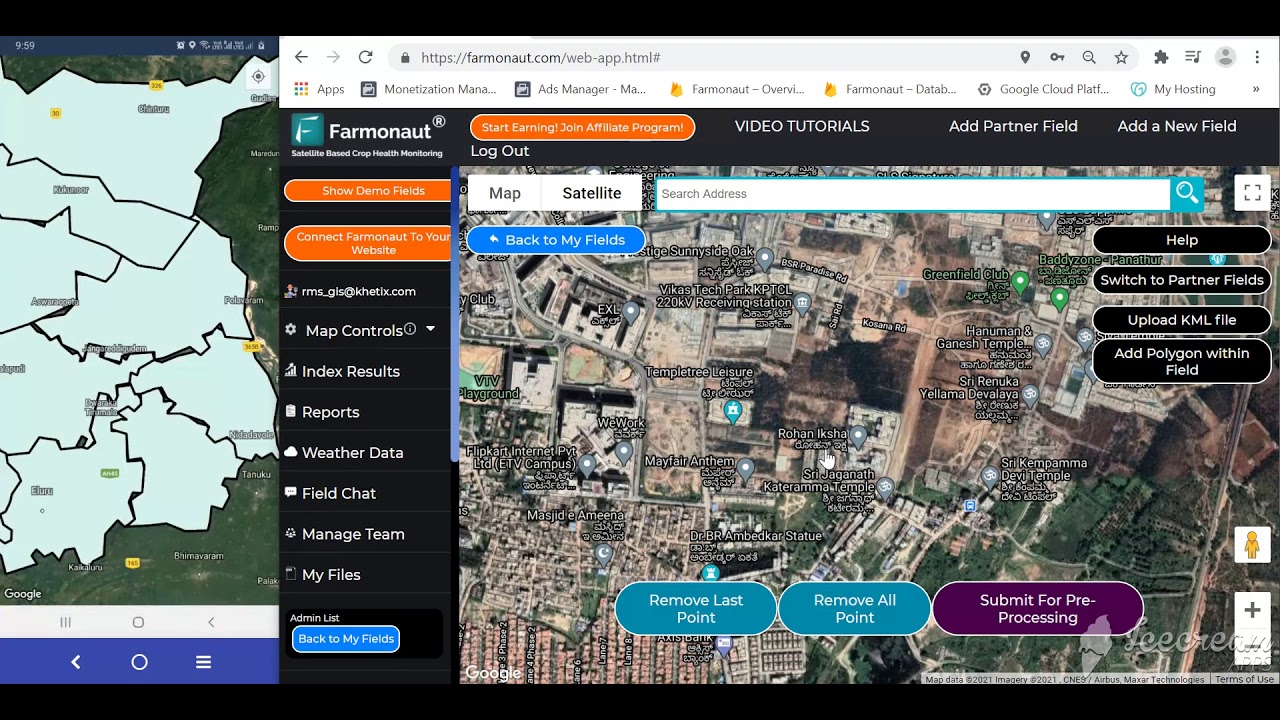
How Farmonaut Empowers Sustainable Cattle & Vechur Cow Farming
At Farmonaut, our mission is to democratize satellite insights for sustainable farming across India and beyond. Here’s how our technology ecosystem can enhance the use of Vechur cows and other native breeds in conservation-focused, organic agriculture systems:
- ✔ Satellite-Based Pasture Management: Monitor grazing cycles and optimize land allocation for minimal environmental impact.
- 📊 AI-Driven Input Optimization: Reduce unnecessary feed and veterinary inputs via precision recommendations.
- ✔ Carbon Footprint Tracking: Quantify resource efficiency and support claims of sustainable dairy or carbon credit eligibility. Learn more.
- 📊 Blockchain Traceability: Certify milk origin, breed purity, and organic status within supply chains.
- ✔ Resource Management for Integrated Systems: Track manure production/utilization and link with advisory services for agroforestry expansion.
Start your smart and sustainable farming journey with the Farmonaut platform:
Frequently Asked Questions (FAQ)
- What makes the Vechur cow different from other breeds?
- The Vechur cow is the world’s smallest breed, native to Kerala, India. It offers high disease resistance, needs much less feed and water, produces nutritious A2 milk, and supports sustainable farming systems.
- Where can you find authentic Vechur cow for sale?
- Authentic Vechur cows can be sourced from certified breeders and cooperatives in Kerala specializing in breed purity. It is crucial to check breed records and opt for established programs that focus on conservation and organic rearing methods.
- Is the Vechur cow suitable for organic farming in other regions outside Kerala?
- Absolutely. The Vechur cow’s adaptability allows it to thrive in a variety of tropical, sub-tropical, and urban settings, as long as it receives suitable fodder and basic veterinary care. Its natural disease resistance makes it ideal for low-chemical, organic systems worldwide.
- How is the breed protected from extinction?
- Through government policies, awareness programs, breeder registries, and technology like Farmonaut’s traceability and impact monitoring, efforts are made to prevent crossbreeding, preserve genetic stock, and promote sustainable utilization.
- Can Farmonaut assist with optimizing feed and pasture for Vechur cows?
- Yes, Farmonaut’s satellite-based monitoring and AI advisory systems help track pasture health, suggest rotation plans, and calibrate feed to ensure minimum waste and maximum animal well-being.
The Vechur cow is more than livestock—it’s a symbol of sustainable agriculture, self-reliance, and environmental stewardship. Its benefits multiply with the adoption of modern, satellite-enabled management practices.
Summary & Final Thoughts
In 2025 and beyond, the Vechur cow stands as an enduring symbol of hope for sustainable agriculture in Kerala, across India, and worldwide. Its unique suite of advantages—low maintenance, exceptional disease resistance, nutrient-dense A2 milk, reduced environmental footprint, and resilience to climate challenges—make it the breed of choice for progressive, eco-conscious farmers striving for productivity while minimizing impact.
As global market interest in ethical, traceable, and organic milk rises, and conservation programs evolve, demand for authentic Vechur cow for sale is only set to increase. By combining centuries-old wisdom with new-age technology—such as Farmonaut’s satellite, AI, and blockchain solutions—the journey to resilient, futuristic agriculture becomes achievable for everyone.
Are you ready to make your farm a part of this green revolution? Leverage Vechur cows as the keystone species in your organic system and harness Farmonaut tools to ensure transparency, environmental stewardship, and profitability for generations to come.
For ongoing resources and satellite-powered innovations in sustainable agriculture, bookmark our latest farm management platform page, and join us on the path toward a greener, more profitable future.

 AgriSavant
 Kubota
 FFBS
FFBS Jontra
 Kalustyan
 Tucor
Tucor Geno
Geno Hayleys Agriculture
 Linx Agritech
 Adinet
 Save Your Soils
 Grandstream Algérie
 XOS Realty
 Geospatial Lab Africa
