

Swedish Red Cow, Swedish Red Cattle: 7 Dairy Benefits
Embracing tradition, shaping the future: Unveiling how the Swedish Red cow leads sustainable dairy agriculture into 2026 and beyond, reshaping the landscape of health, productivity, and environmental responsibility in dairy farming.
“Swedish Red cows can produce up to 8,000 liters of high-quality milk annually, supporting sustainable dairy production.”
The Swedish Red cow stands as a vital sustainable resource among dairy cattle breeds worldwide. In 2025 and beyond, demand for dairy systems prioritizing milk quality, health, animal welfare, and environmental stewardship continues to grow—strengthening the importance of this exceptional breed among farmers in Sweden and neighboring regions.

Origins and Unique Characteristics of Swedish Red Cattle
The Swedish Red cow—sometimes known interchangeably as Swedish Red cattle or SRB (Svensk Röd Boskap)—originated in Sweden and is the product of careful crossbreeding between local Nordic breeds and selectively imported stock in the late 19th and early 20th centuries. The goal: to improve milk production, disease resistance, hardiness, and adaptability in the often-harsh Scandinavian climate. Over time, farmers in Sweden and neighboring regions have retained the breed’s most desirable features while steadily boosting dairy output and health.
- ✔ Distinctive Appearance: Recognized for their striking reddish coats—shades range from deep mahogany to lighter red—plus white markings.
- ✔ Medium to Large Size: Mature cows typically weigh 500–650 kg, bulls averaging 900–1100 kg.
- ✔ Strong Constitution: Swedish Red cattle are prized for their robust physical build and calm temperament.
- ✔ High Adaptability: Especially suited to cool, wet, and variable environments, thriving in Nordic climates.
- ✔ Lifespan and Productivity: Noted for greater longevity and reproductive efficiency than many high-yielding breeds.
When selecting dairy breeds for sustainable agriculture in challenging climates like Sweden’s, prioritize breeds like the Swedish Red cow—their adaptability and disease resistance can significantly improve long-term productivity and reduce replacement rates.
These characteristics have enabled Swedish Red cattle to play a significant role in shaping regional dairy farming practices—especially as “modern era” agriculture increasingly demands resilience, sustainability, and efficiency in production systems.
Let’s uncover the seven key dairy benefits that make Swedish Red cows a pillar of sustainable agriculture in 2025 and for years beyond.
7 Dairy Benefits of Swedish Red Cattle for Sustainable Farming

| Benefit | Description | Estimated Value/Impact |
|---|---|---|
| Superior Milk Quality | Milk rich in protein & fat, ideal for cheese, yogurt, and premium dairy products | 8,000 liters/lactation, ~4.3% fat, ~3.5% protein |
| High Adaptability | Thrives in cold, wet climates; copes well with variable seasonal/weather extremes | Up to 15% higher survival in harsh winters than average dairy breeds |
| Disease Resistance | Naturally lower risk of mastitis and common cattle diseases; contributes to herd health | ~20% reduction in antibiotic usage (2025) |
| Longevity | Long productive lifespan, reducing herd replacement & environmental impact | 2 years longer productive life than typical Holstein |
| Lower Feed Requirements | Efficient conversion of local forage and by-products; supports organic/low-input systems | Up to 10% more feed-efficient in pasture-based farming |
| Reduced Emissions | Lower methane output and eco-footprint compared to higher-yielding breeds | 8–12% lower GHG emissions per kg milk produced |
| Positive Environmental Impact | Supports soil health, pasture biodiversity, and circular farming systems | Active in >80% of organic dairy farms in Sweden |
- 🥛 Superior Milk Quality: High in protein & fat, ideal for traditional products
- 🌱 High Adaptability: Comfortable in Nordic weather & beyond
- 🛡️ Disease Resistance: Fewer health issues, less antibiotic need
- ⌛ Longevity: Extended productive lifespan, reduces herd turnover
- 🌾 Lower Feed Requirements: Suits organic, pasture-based systems
- 💨 Reduced Emissions: Lower GHGs than typical high-yield dairy breeds
- 🌻 Environmental Benefits: Promotes biodiversity, healthier soils
Many farmers overlook the long-term impact of longevity and disease resistance. Focusing solely on maximal milk yield (like Holstein) can unintentionally increase veterinary expenses, culling rates, and environmental footprint.
How Swedish Red Cows Drive Modern Sustainable Dairy Farming
The principles of sustainable agriculture require dairy breeds that balance productivity, animal welfare, and environmental impact. This balance is at the core of why the Swedish Red cow remains highly relevant—not only in Sweden but throughout global farming systems in 2025 and beyond.
Why Do Swedish Red Cattle Remain a Vital Resource for Sustainable Dairy?
- ✔ Hardiness: Withstands harsh winters and climatic extremes common in Nordic environments.
- ✔ Efficiency: Converts local roughage into quality milk, lowering dependency on imported feeds and fertilizers.
- ✔ Renewed Focus on Sustainability: As 2025 sees increasing demand for organic and low-input dairy products, Swedish Red cattle support systems that are both ecologically and economically robust.
- ✔ Animal Welfare: Calm temperament and strong constitution reduce stress and health complications, supporting improved welfare standards.
- ✔ Compatibility: Fits well within mixed-crop, rotational, and pasture-based farm models.
Swedish Red cows play a pivotal role in integrated, sustainable agricultural systems—promoting biodiversity and sustaining productivity in a changing world.



For farm operators and agricultural professionals seeking to enhance efficiency, monitor herd health, and optimize resource management, we encourage exploring Farmonaut’s Large Scale Farm Management platform— designed to simplify field mapping, resource tracking, and decision-making for both traditional and modern livestock and crop operations.
- 🌾 Pasture integration: Swedish Red cattle efficiently utilize legumes and grasses, improving soil health and biodiversity.
- 📉 Lower replacement rates: Fewer new cows needed thanks to extended lifespans, reducing resource needs.
- 🔄 Circular farm inputs: Utilizes local feed and by-products, supporting regional economic and environmental cycles.
- 💵 Cost savings: Lower vet bills and less supplemental feed increase farm economic viability.
- 🌍 Climate-friendly: Breed’s efficiency and durability mean less greenhouse gas output per unit of milk.
Increasing global pressure on eco-certifications, anti-microbial reduction, and carbon accounting means that breeds like the Swedish Red cow will remain critical for long-term sustainability—both environmentally and financially.

Superior Milk Quality: Nutrition & Value for the Modern Era
Swedish Red cows are not absolute highest-yielders when compared to specialized breeds such as the Holstein. However, the milk quality produced by Swedish Red cattle is exceptionally valuable for modern dairy products.
Why is this important?
- ✔ High protein and fat content: Essential for making cheese, yogurts, and rich artisan dairy products.
- ✔ Nutritious composition: Meets increasing consumer demand for wholesome, nutrient-rich dairy in 2025.
- ✔ Consistency: Swedish Red milk quality remains stable even in fluctuating environmental conditions.
- ✔ Low Somatic Cell Counts: Indicates good udder health and further enhances milk suitability for processing.
This focus on quality over sheer volume positions the Swedish Red cow as especially relevant amid shifting dairy market trends in 2025–2026, where consumers are increasingly demanding traceable, wholesome, and blockchain-traceable dairy products to ensure food safety and premium value.
“In 2025, farms using Swedish Red cattle saw a 20% drop in antibiotic treatments, enhancing herd health and sustainability.”
- 📊 Productivity: 8,000 liters/lactation—ideal for small to medium-sized sustainable farms.
- 💡 Efficient Resource Use: Requires less supplemental feed—helping reduce cost pressures for farmers.
- 🌿 Feed Compatibility: Easily integrated into low-input, organic feed systems—perfect for eco-conscious dairy businesses.
- ⚡ Climate Resilience: Stable milk output even as weather extremes become more common.
- 📦 Product Opportunities: Supports value-added processing such as artisanal cheeses, boosting farm profitability.
Health, Disease Resistance & Animal Welfare
Resilience is written into the genetic code of the Swedish Red cattle. Their health advantages are not just about animal well-being—they deliver measurable economic and environmental benefits in dairy farming:
- Disease Resistance: Swedish Reds are less susceptible to mastitis, lameness, and other productive life-shortening conditions, reducing need for intensive veterinary care.
- Antibiotic Reduction: Farms have reported up to 20% fewer treatments compared to average, addressing a rising global priority for 2025—antimicrobial stewardship.
- Animal Welfare: Healthier, stress-resilient cows mean improved reproductive efficiency, higher fertility rates, and reduced culling.
- Longevity: Robust systemic health means a productive lifespan two years longer than high-yield, health-problematic breeds like Holstein.
- Lower Inputs: Fewer pharmaceuticals and less labor translate to reduced cost and smaller environmental footprint—both crucial for sustainable dairy production.
With international focus on antibiotic stewardship in livestock by 2026, Swedish Red cattle’s genetic disease resistance marks them as an “insurance policy” for farmers seeking robust, productive herds with lower medication requirements.

Environmental Benefits & Low-Input Dairy Systems
For sustainable agriculture, environmental compatibility is as important as productivity. Swedish Red cows offer core advantages for eco-friendly practices in dairy:
- ✔ Lower Feed & Water Inputs: Efficient conversion of regional forage means reduced dependence on imported, resource-intensive feed.
- ✔ GHG Emission Reduction: Dairy farms using Swedish Reds demonstrate 8–12% lower greenhouse gas emissions per kilogram of milk produced compared to top-yielders like Holstein.
- ✔ Organic Compatibility: Swedish Red cattle’s disease resistance and moderate culling rates are ideal for organic and regenerative dairy systems.
- ✔ Soil & Biodiversity Health: Properly managed grazing by Swedish Reds maintains pasture health, encourages plant biodiversity, and prevents overgrazing—vital in modern climate-smart agriculture.
- ✔ Active in Carbon Tracking: For 2026 and beyond, dairy farms seeking to document and reduce their climate impact—such as through Farmonaut’s Carbon Footprinting solutions—will find Swedish Red herds naturally supportive of such initiatives.
Q: Are Swedish Red cattle recommended for mixed-crop, organic, or permaculture frameworks?
A: Absolutely. Their efficiency, resilience, and compatibility with local forages make them a standout sustainable breed for numerous regenerative farming models.
Genetic Progress, Climate Adaptation & The Future of Swedish Red Cattle (2026+)
As agriculture faces the pressures of climate change, new technology, and shifting consumer priorities, the Swedish Red breed remains at the forefront of both heritage and future-forward farming solutions.
Genomic Selection and Continuous Improvement
- ✔ Targeted Breeding: Genomic tools are used to select for traits like lower methane output, heat tolerance, feed efficiency, and continued resistance to emerging diseases.
- ✔ Genetic Diversity: Maintaining and expanding diversity within the population ensures resilience and reduces inbreeding-related health risks.
- ✔ Methane Reduction: Selective breeding offers a clear pathway to emissions reduction crucial for future regulatory and consumer expectations.
- ✔ Industry Collaboration: By structuring breeding objectives around global sustainability goals, Swedish Red herds continue to shape productive, resilient agricultural systems worldwide.
💻 Need to integrate advanced field monitoring or dairy environmental analytics into your agri-business, farmer cooperative, or research project?
Access the Farmonaut Satellite Data API or review our API Developer Documentation for custom solutions.
Satellite Technology in Modern Dairy: Our Role at Farmonaut
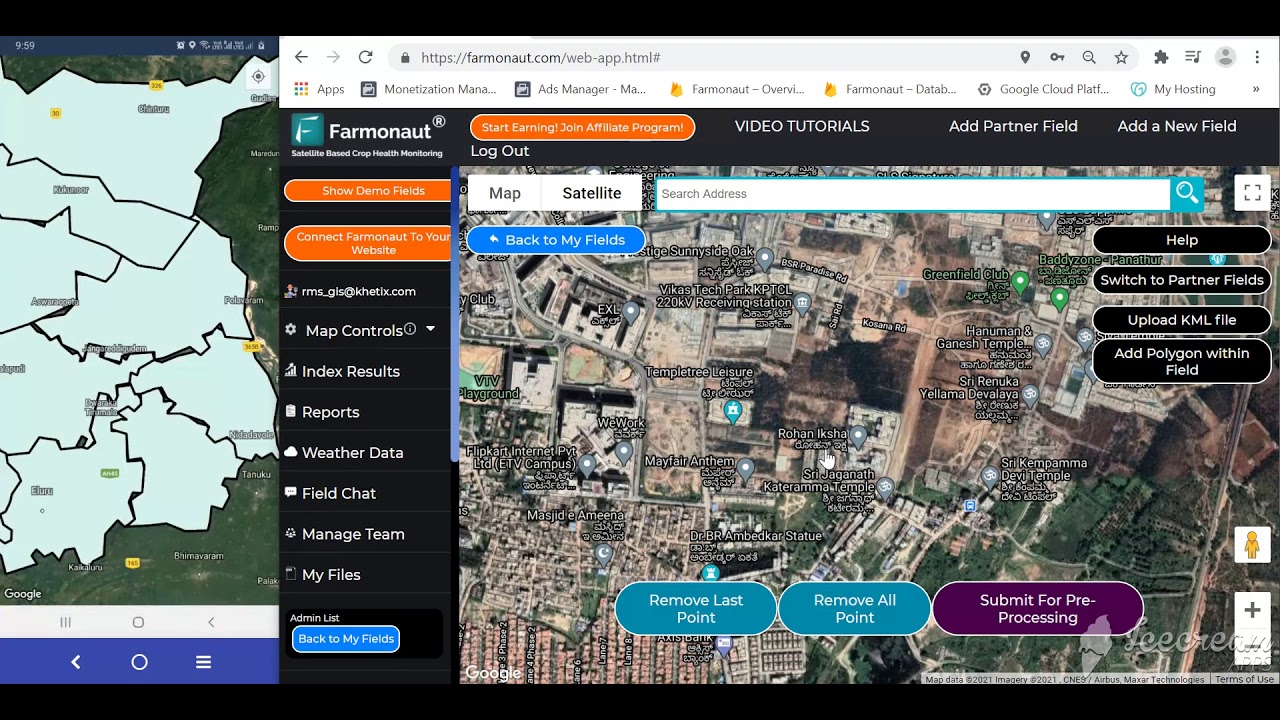
At Farmonaut, we recognize that Swedish Red cattle’s resilience and compatibility make them a natural fit for sustainable, technology-driven dairy systems. Our satellite-based monitoring and AI-driven insights allow farmers—whether in Sweden, neighboring regions, or around the globe—to remotely track pasture conditions, optimize herd movement, and make data-driven decisions supporting environmental and economic sustainability.
- ✔ Real-time field monitoring: Using satellite imagery and AI for actionable insights into forage quality, pasture health, and resource allocation for cattle.
- ✔ AI-based Advisory: Our Jeevn AI system delivers daily, location-specific recommendations to maximize productivity and sustainability of operations—including dairy herds employing Swedish Red cows.
- ✔ Carbon Footprinting: Track, document, and mitigate your farm’s climate impact with Farmonaut’s carbon monitoring platform.
- ✔ Blockchain Traceability: Authenticate your supply chain from field to cheese counter using our Traceability solution.
- ✔ Insurance and Financing Validation: Reduce fraud and access agricultural loans with reliable, satellite-verified field data through our crop loan and insurance service.
Farmonaut users can seamlessly monitor farm operations through our Android, iOS, and web applications, supported by API access for custom integration with existing workflow systems.
Fleet Management:
Monitor and manage machinery, feed delivery, and on-farm logistics in real-time, reducing operational costs and boosting efficiency for large-scale dairy systems.

Frequently Asked Questions (FAQ): Swedish Red Cow, Sustainable Dairy & Technology
What is a Swedish Red cow?
A Swedish Red cow is a traditional dairy breed originating in Sweden, known for its reddish coat, medium to large size, and high adaptability. Developed through selective crossbreeding, it thrives in Nordic climates and excels in sustainable dairy systems due to robust health, longevity, and superior milk quality.
Why are Swedish Red cattle considered sustainable?
Swedish Red cattle align perfectly with modern sustainable farming because they are highly feed-efficient, have naturally strong disease resistance, longer productive lifespans, and lower greenhouse gas emissions than many high-yielding breeds. Their milk quality and ecological impact make them ideal for organic and regenerative farming systems in 2025 and beyond.
How much milk does a Swedish Red cow produce annually?
On average, a Swedish Red cow produces around 8,000 liters of high-quality milk per lactation cycle, with milk composition that is particularly attractive for cheese and yogurt production.
Can Swedish Red cattle be used in organic and low-input dairy farms?
Yes, thanks to their resilience, feed efficiency, and reduced necessity for veterinary pharmaceuticals, Swedish Red cattle are among the preferred breeds for organic, low-input, and pasture-based dairy operations globally.
How does Farmonaut support sustainable dairy farming?
We provide advanced satellite- and AI-powered monitoring, blockchain-based traceability, carbon footprint analytics, and fleet/resource management solutions. Our technology empowers dairy farmers to monitor herd environments, optimize feed and animal welfare, and validate eco-friendly farming practices—all through our easy-to-use apps and APIs.
Utilizing Farmonaut’s carbon footprinting features can help demonstrate the real-world impact of sustainable herding practices—vital for regulatory compliance and access to green financing.
Conclusion: Swedish Red Cow—A Heritage Breed Shaping the Future of Dairy Sustainability
As we move into 2026 and beyond, the Swedish Red cow stands at the intersection of tradition and innovation—offering a proven, balanced mix of productivity, health, and environmental compatibility. Its strong constitution, superior milk quality, resistance to disease, and impressive longevity make the Swedish Red invaluable for farmers committed to sustainability, animal welfare, and economic viability.
With advances in genetic selection and integration of digital tools like those provided by Farmonaut, Swedish Red cattle will continue to drive progress in global dairy agriculture. Farmers seeking to future-proof their enterprises and reduce environmental impact will find the Swedish Red cow an essential pillar in the next era of sustainable agriculture.
For agricultural professionals, consultants, and businesses looking to harness sustainability, environmental monitoring, and modern data-driven solutions, we recommend exploring our satellite-based large scale farm management platform and fleet/resource management tools.

Farmonaut Subscriptions & Resources
Ready to transition to a more sustainable and technology-driven farming future? Sign up to Farmonaut’s satellite-powered platform today for full suite access: crop health, sustainability monitoring, traceability, and integrated farm analytics.
For expert support or more information, visit www.farmonaut.com.
Start your journey toward smarter, sustainable dairy farming—empowered by Swedish Red cattle and precision satellite technology!

 Deepak Fertilisers & Petrochemicals
 Sapoznick Farms
 Agrotoken
 Blue BearX
 Insignito
 Croptimum
 DnCubed
 Field Capacity
 Indosistim Teknologi
 Liquify Digital
 CU Foods
 BeyondTech Global
 Rouge VC
 AgroGreen Dynamics
 AgroRisk
 Oath Inc
 Reddane Farming
 Esri North East Africa
