

What Does Agroforestry Mean? 7 Powerful Models in India
“India practices agroforestry on over 25 million hectares, supporting nearly 450 million people’s livelihoods and food security.”
What Does Agroforestry Mean?
Agroforestry is an integrated land-use approach that combines trees or shrubs with crops and/or livestock on the same piece of land, blending agriculture and forestry – and sometimes pastoral systems – to create ecological and economic benefits. The core idea of agroforestry is to mimic natural ecosystems by balancing short, medium, and long-term outputs while maintaining soil health, water stability, and biodiversity.
In practical terms, when we discuss what does agroforestry mean, we refer to a land management strategy that intentionally integrates diverse tree species, annual crops, and sometimes animals to optimize both productive yield and ecosystem services (like carbon sequestration, soil fertility, and microclimate moderation).
The core idea of agroforestry is to design systems that mimic natural forest ecosystems, thus achieving a sustainability balance between ecological health, productivity, and multiple income streams.
Agroforestry supports resilience by improving fodder and fruit production, carbon sequestration, soil organic matter, and livelihoods — making it vital to sustainable agriculture in India and elsewhere.
Summarizing: What Does Agroforestry Mean?
- Combines trees/shrubs with crops and/or livestock for ecological and economic returns.
- Integrates principles from agriculture, forestry, and pastoral systems to create resilient, diversified outputs.
- Mimics natural forest systems while maintaining site-specific consideration for soil, water, and market needs.
- Balances short-, medium-, and long-term income through multiple products (timber, fruit, fodder, fuelwood).
- Improves soil fertility, biodiversity, and climate resilience, supporting farmer livelihoods and food security.
“Agroforestry can increase farm biodiversity by up to 50%, enhancing ecosystem resilience and sustainable land use.”
Key Principles of Agroforestry
Successful agroforestry systems are underpinned by a set of principles that ensure compatibility, resilience, and economic viability for farmers while enhancing ecosystem services. Understanding the principles of agroforestry is vital for designing, planning, and managing sustainable integrated landscapes.
- Compatibility & Integration: Trees, crops, and livestock are carefully selected to avoid detrimental competition, ensuring they complement and share resources.
- Diversification: Agroforestry emphasizes multiple products and services—from timber, fruit, and fodder to fuelwood and nuts—spreading risk and promoting economic stability.
- Soil & Water Stewardship: Trees help reduce erosion, enhance soil structure, boost water infiltration, and either fix or cycle nutrients. Agroforestry practices leverage mulching and leguminous species to sustain soil fertility.
- Biodiversity & Resilience: A diversity of plant and animal species provides critical ecosystem functions—like pest control and pollination—boosting natural system resilience to climate shocks.
- Economic Viability: Systems are designed for steady, diverse income streams across different timelines, balancing immediate and long-term returns.
- Participatory Management: Emphasizes the role of local knowledge and farmer empowerment in guiding species selection, layout, and ongoing management for increased adoption and sustainability.
Diversification is key in agroforestry. By blending compatible trees, annual crops, and livestock, farmers can buffer against risk, adapt to climate variability, and optimize land use over time.

Agroforestry Drawing, Design & Planning
Agroforestry drawing and design are fundamental to creating highly productive, sustainable land-use systems. Spatial planning considers how trees, crops, and animals interact within a specific field or landscape by defining layouts, rows, and zones of influence for each species.
What Are Common Agroforestry Layouts?
- Alley Cropping: Rows of trees alternate with rows of annual or perennial crops. Trees may be pruned to reduce shade and root competition, providing crops with optimal light and space throughout the growing season.
- Silvopasture: Trees are interplanted with pastures where livestock graze. Trees provide shade, fodder, and shelter for animals—and may also be tapped for fruit, fuelwood, or timber.
- Windbreaks & Shelterbelts: Strategic rows of trees or shrubs planted at the edges of fields, reducing wind erosion and protecting crops while contributing additional income sources (e.g., fruit, nuts, or timber).
- Forest Farming: Under a trained canopy, shade-tolerant crops (e.g., spices, herbs, mushrooms) are cultivated in a layered system, increasing biodiversity and resilience.
- Homegardens: Highly diverse, small-scale systems combining fruit trees, spices, vegetables, and medicinal plants—very common in southern and northeastern India.
- Spatial planning includes row orientation, spacing, and matching site conditions (microclimate, soil type, water availability, and market opportunities).
- Tree and crop species are chosen to guarantee compatibility and complementarity, meeting the needs of livestock if present.
Ignoring site-specific conditions (like soil type or water availability) can harm agroforestry system performance. Always plan layouts after a thorough field assessment and practical agroforestry drawing.

For practical software and digital reference, a farm management platform with satellite-based spatial planning—like those offered by us at Farmonaut (Large Scale Farm Management App)—can help design and monitor agroforestry layouts for optimal productivity and ecosystem health.
Agroforestry Manual: Implementation & Management
An agroforestry manual is an essential guide for farmers, planners, and stakeholders looking to implement or manage integrated land-use systems. These manuals typically cover:
- Species selection (trees, crops, and livestock) for compatibility and productivity.
- Spacing, layout, and phasing for sustainable adoption, often including step-by-step drawing templates.
- Soil fertility and water conservation practices: mulching, cover cropping, and efficient irrigation.
- Pest and disease control: using natural enemies, intercropping, and integrated pest management.
- Harvest and management regimes for distinct time-frames (annual, perennial).
- Capacity building and ongoing training for farmers through demonstrations and participatory learning.
- Risk management via diversification and adaptive monitoring.
These guides emphasize specific indicators to monitor system performance over time: soil health, biodiversity, carbon sequestration, productivity, and economic returns.
Agroforestry enhances long-term returns by balancing short-term crops with timber and carbon credits. Digital monitoring tools (like Farmonaut’s satellite-driven platforms) can verify carbon sequestration for ESG tracking and reporting.
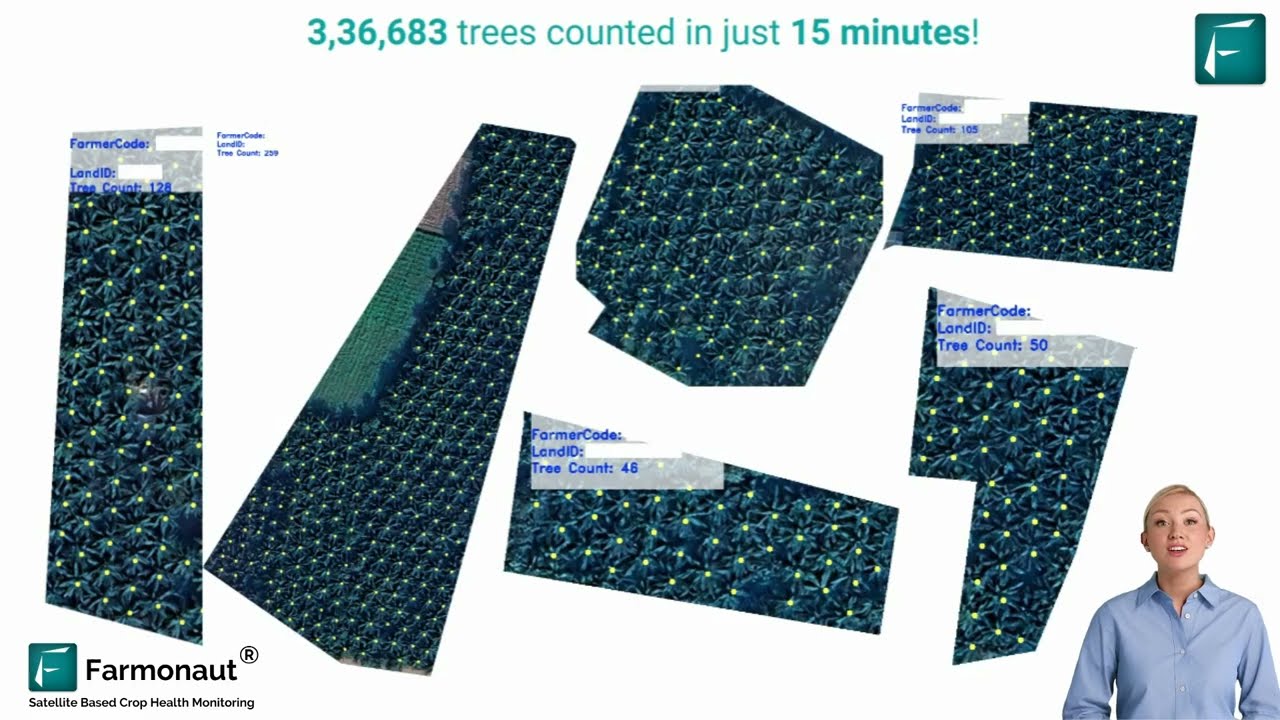
Explore more about verification and digital traceability for agroforestry with our Carbon Footprinting Solutions and Traceability System at Farmonaut.
7 Powerful Agroforestry Models in India
India has pioneered several agroforestry models that adapt to diverse landscapes, climates, and farm sizes—each with its own blend of trees, crops, and livestock to maximize productivity, soil health, and economic resilience. Below, we detail the regionally-distinct agroforestry models in India and their core features.
- Alley Cropping: Alternating rows of leguminous trees (Leucaena, Gliricidia) with annual crops; enhances soil fertility and provides fodder.
- Silvopasture Systems: Combines fodder trees, grasses, and grazing livestock; reduces erosion and maintains soil cover in arid, semi-arid regions.
- Agri-Horticultural Systems: Fruit trees (mango, guava) intercropped with seasonal crops; improves income stability and nutrition.
- Agri-Silvicultural Systems: Timber species (Teak, Eucalyptus) combined with annual crops; generates both short- and long-term returns.
- Agri-Silvi-Pastoral Systems: Mix of trees, crops, and livestock for maximum resource use; suited for smallholders to spread risk.
- Homegardens: Multi-tiered home plots with fruit, timber, spice, vegetable plants; very high in biodiversity and ecological benefit (common in Kerala, Northeast, Bengal).
- Windbreaks & Shelterbelt Systems: Rows of sturdy trees/shrubs planted to protect crops, reduce wind, and provide ecosystem services; often on field boundaries in northwestern plains and dry zones.

Agroforestry Models Comparison Matrix
| Model Name | Main Components (Trees/Crops/Livestock) | Suitable Regions (Estimated Climate Zones) |
Soil Health Improvement |
Biodiversity Enhancement |
Sustainable Income Potential |
Key Sustainability Benefits |
|---|---|---|---|---|---|---|
| Alley Cropping | Leguminous Trees + Annual Crops (e.g. Leucaena + maize) | Deccan Plateau, Central India, Semi-arid | High | Moderate | High (fodder, crop, fuelwood) | Soil fertility, erosion control, diversified outputs |
| Silvopasture | Fodder Trees + Pasture + Livestock | Arid/Semi-arid: Rajasthan, Gujarat, Karnataka | Moderate | Moderate | High (milk, meat, timber/fodder) | Reduces erosion, improves animal well-being, drought resilience |
| Agri-Horticultural | Fruit Trees + Seasonal Crops | UP, Maharashtra, Western Ghats | Moderate | Moderate | High (fruit, crops) | Year-round nutrition, steady cash flow, microclimate improvement |
| Agri-Silvicultural | Timber Trees + Annual Crops | North India Plains, Andhra Pradesh, Haryana | High | Moderate | Very High (timber, crop) | Carbon sequestration, long-term value, input flexibility |
| Agri-Silvi-Pastoral | Timber/Fruit Trees + Crops + Livestock | Eastern Ghats, Odisha, Jharkhand | High | High | High (multi-streams) | Risk mitigation, resource optimization, ecosystem restoration |
| Homegarden | Fruit/Timber/Medicinal Trees + Spices + Vegetables | Kerala, Bengal, NE India (humid/tropical) | Very High | Very High | High (self-consumption, surplus sales) | Biodiversity, food security, sustainable livelihoods |
| Windbreaks/Shelterbelts | Sturdy Trees/Shrubs + Border Crops | Punjab, Haryana, Rajasthan (dry, windy) | Moderate | Moderate | Moderate (fuelwood, protection) | Reduces wind erosion, protects crops, biomass supply |
Key Benefits & Insights: Visual Lists
✔ Agroforestry’s Major Advantages:
- 🌳 Enhances Soil Fertility: Fixes nitrogen, boosts organic matter, and improves water infiltration.
- 🌾 Supports Biodiversity: Habitat for wildlife, pollinators, natural predators.
- 💧 Controls Erosion & Improves Water: Tree cover reduces runoff and increases soil stability.
- 💵 Generates Multiple Income Streams: Timber, fruit, crops, fodder, carbon credits, and fuelwood.
- 📅 Builds Resilience Over Time: Systems recover faster from climate, pest, or market shocks.
📊 Data Insight: Monitoring & Traceability
- Satellite monitoring (e.g., from Farmonaut) tracks crop health, soil quality, and tree growth for precise reporting.
- Blockchain traceability verifies sustainable management and resource origin for carbon and timber credits.
⚠ Key Risks & Limitations
- 🚨 Poor species selection can lead to competition and reduced yields.
- ⏳ Long payback period for certain timber or fruit species; needs phased planning.
- 🌱 Management complexity is high—systems require skilled monitoring and adaptive management.
- 💧 Water scarcity can limit tree establishment in dry zones.
- 📉 Pest and disease risk increases if diversity isn’t adequately built into the system.
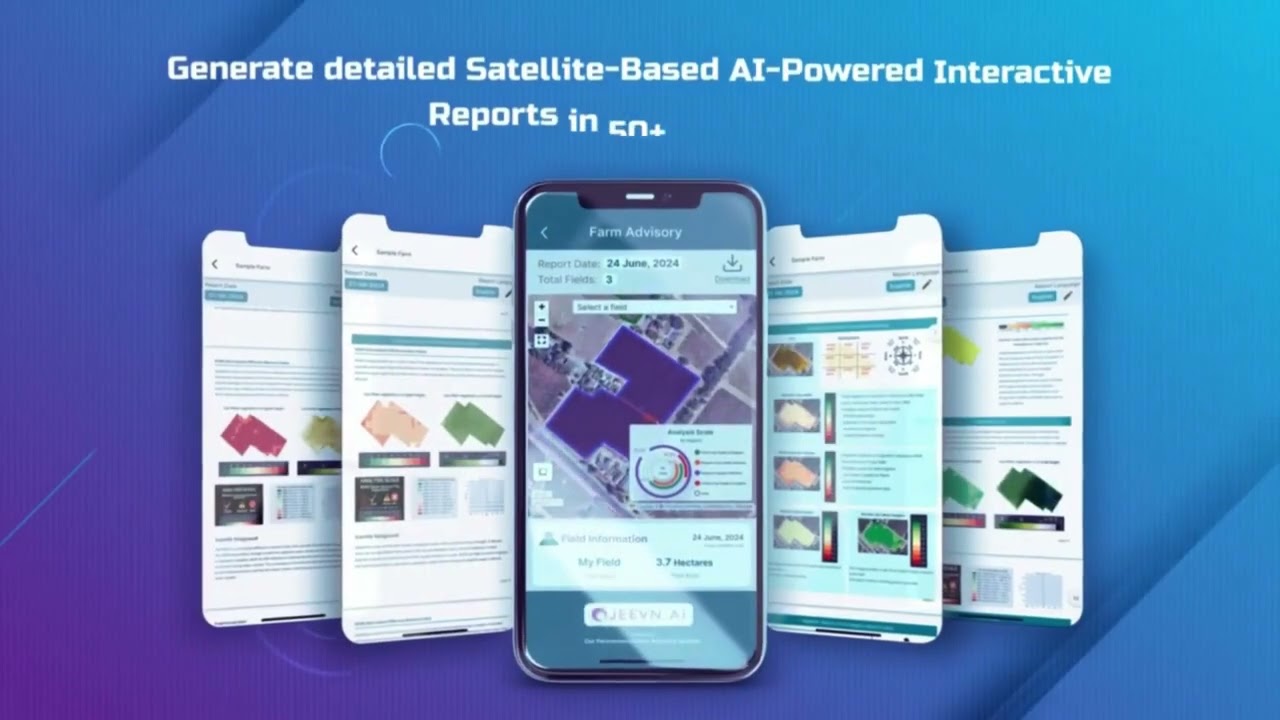
We provide satellite-based monitoring and resource management tools for farmers, agribusinesses, and governments to monitor soil, crops, and tree health in agroforestry systems. Reduce management complexities, gain real-time insights, and make data-driven decisions with Farmonaut’s Large Scale Farm Management App.



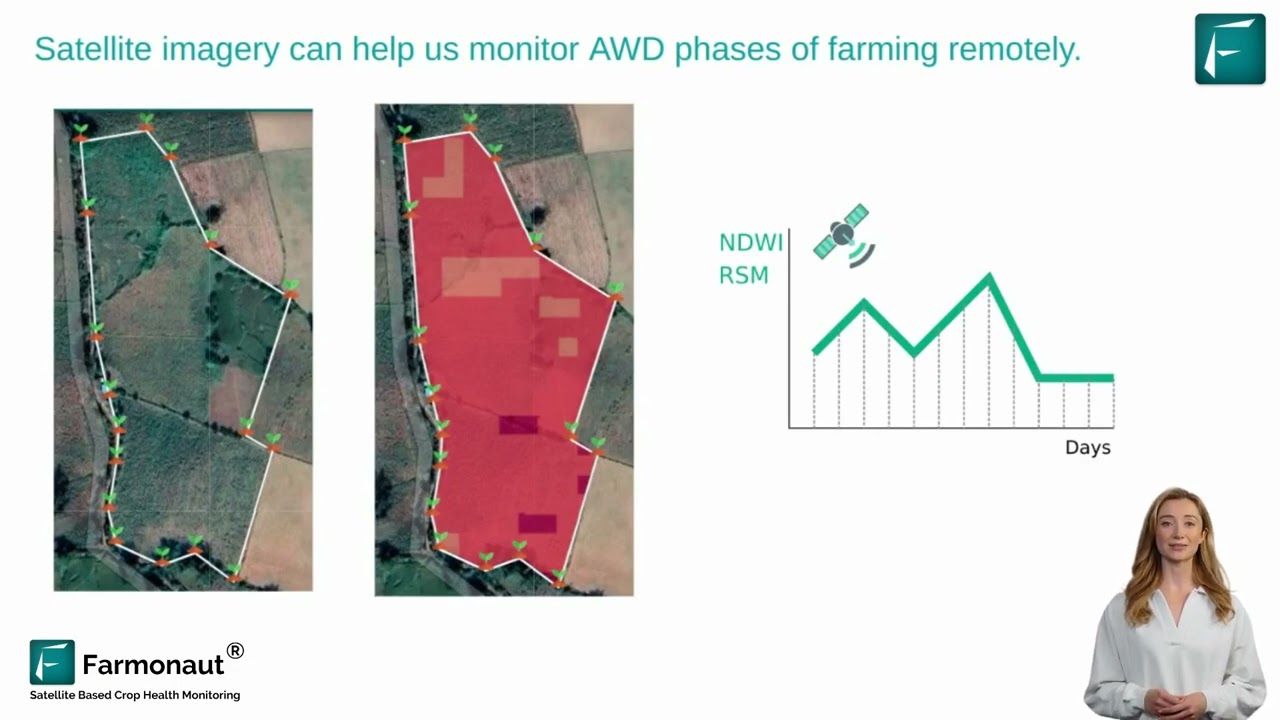
Integrate real-time satellite and weather data into your farm, agroforestry, or environmental platform using the Farmonaut Satellite API. Access crop health, soil moisture, and more—learn more on our API page and dive into developer docs.
Secure loans and insurance for your agroforestry venture using advanced, satellite-based field verification. Our Crop Loan & Insurance Solution reduces fraud, improves access, and speeds up your application process.
Manage agroforestry and agriculture vehicle fleets with precision tracking, optimal usage, and better resource allocation. Learn about Fleet Management for sustainable agriculture and land-based operations.

Farmonaut Solutions for Agriculture and Forestry
As a satellite technology leader, Farmonaut delivers advanced, affordable solutions for:
- 🌍 Satellite-based crop, soil, and forest monitoring via apps and API integrations
- 🤖 AI-powered advisory systems for agriculture, forestry, and environmental management (Jeevn AI)
- 🔗 Blockchain traceability for sustainable product origin verification (timber, fruit, timber, carbon credits)
- ⛽ Fleet and resource management tools to optimize machinery and equipment use for farm and forestry operations
- 🌱 Environmental impact assessment—carbon sequestration, soil organic matter tracking, climate adaptation insights
Our tools empower farmers, agribusinesses, government, and financial institutions with precise, real-time data for monitoring, planning, and managing sustainable agroforestry systems, helping achieve the highest ecological and economic returns.
Utilize Farmonaut for automated carbon accounting and ecosystem reporting—meeting the strictest ESG compliance demands for agriculture, forestry, and allied sectors.
FAQ: What Does Agroforestry Mean & More
What does agroforestry mean in simple terms?
Agroforestry means integrating trees, crops, and sometimes livestock on the same plot to gain both ecological benefits (soil fertility, biodiversity, carbon sequestration) and economic returns (timber, crops, fodder). It blends the best of agriculture and forestry for sustainable land management.
Which is the most popular agroforestry model in India?
Alley cropping, silvopasture, and homegarden systems are among the most popular, each suited to specific regions, soil, and climate types—e.g., homegardens in Kerala, alley cropping in the Deccan, and silvopasture in Rajasthan/Gujarat.
What are the key principles of agroforestry?
The principles include: species compatibility, diversification, soil and water management, biodiversity/resilience, economic viability, and participatory/local knowledge management.
How does agroforestry support climate adaptation and mitigation?
By integrating trees, agroforestry systems increase soil moisture retention, protect against wind and soil erosion, sequester atmospheric carbon, and buffer farms against weather extremes—thus building climate resilience and sustainability.
What is an agroforestry manual and why is it useful?
An agroforestry manual is a step-by-step guide for farmers and planners, covering site analysis, system design, species selection, soil and water management, pest/disease control, harvesting, and monitoring. It provides practical templates and best practices to ensure system success.
Conclusion: Agroforestry for Sustainable Land Use
Agroforestry stands out as a sustainable land use approach, blending trees, crops, and sometimes livestock to create balanced, diversified systems that deliver ecological, economic, and social benefits. Its core principles—compatibility, diversification, soil and water stewardship, enhanced biodiversity, and participatory management—make it a vital tool in restoring our land, improving productivity, and ensuring resilient livelihoods.
By adopting region-specific agroforestry models—such as alley cropping, silvopasture, or homegardens—Indian farmers can improve their soil, stabilize incomes, protect against climate and market shocks, and contribute positively to carbon sequestration efforts.
Modern technologies (like Farmonaut’s satellite-based tools) convert these core ideas into measurable results. Monitoring, adaptive management, and phased design are essential for long-term sustainability and ecological success. Whether you’re a smallholder, planner, sustainability investor, or land manager, explore how integrated agroforestry can help create a more sustainable and resilient future for India’s farmlands.
Ready to embrace smarter agroforestry management? Explore precision monitoring, real-time AI advisories, and transparent, traceable data with Farmonaut’s Large Scale Farm Management App, or get started with traceability and carbon reporting at Farmonaut Traceability and Carbon Footprinting.
Farmonaut Subscriptions
Select the best Farmonaut subscription package for your agriculture, forestry, or agroforestry needs. Accessible via our web, Android, and iOS apps for flexible, on-the-go management.

 Godrej Agrovet
 Hayleys Agriculture
 Linx Agritech
 Adinet
 Save Your Soils
 GalaxEye Space
 Grandstream Algérie
 XOS Realty
 Geospatial Lab Africa
 Agro La Gándara
 HIPSAC
 ZOL Zimbabwe
 Juligerm
 AdBio
AdBio MISE Maroc
 NWNS
NWNS Red August Group
 Farm Inc
 WeMe Global
 Agrotoken
 Blue BearX
 Insignito
 DnCubed
 Indosistim Teknologi
 Liquify Digital
 CU Foods
 BeyondTech Global
 Rouge VC
 AgroRisk
 Oath Inc
 Esri North East Africa
 MDCV UK
 Etech Consulting Madagascar
 Vestlandsforsking
 WB Dev
 Sama Premium
 Tres Valles
 Blickwinkel
 Agricultural Credit Policy Council
 eKGIS
eKGIS Mostas Tech
 Andex
Andex Deluxe Conseil
 WICO
WICO Chimera Innovation
 SkyHarvest
 Teledarbas
 Exurbia Geospatial
 FieldZero
