

Agricultural Products in Australia: 5 Viral Potentials Transforming the Sector in 2025
“Australia exported over $49 billion worth of agricultural products in 2023, ranking among the world’s top ten agri-exporters.”
- Australia’s Agricultural Landscape in 2025
- Top 5 Emerging Viral Agricultural Products in Australia
- Macadamia Nuts
- Finger Lime
- Quinoa
- Plant-Based Protein Crops
- Emu Oil and Meat
- Comparative Feature Table of 5 Viral Products
- Innovation & Future Key Trends Shaping Australia’s Agrifood Sector
- Farmonaut’s Advanced Satellite Solutions for Agriculture
- Key Insights and Professional Callouts
- Benefits, Data Insights & Key Takeaways
- Frequently Asked Questions – Australia’s Viral Agricultural Products
- Conclusion: Shaping the Future of Australian Agriculture
Australia’s Agricultural Landscape in 2025
Australia’s agricultural potential is rooted in its vast and diverse landscapes, extensive arable land, and near-constant drive toward innovation. For over a century, this immense country has supported a thriving agricultural sector, contributing significantly to both domestic consumption and global export markets. Among the more traditional staples—such as wheat, barley, and cotton—we increasingly see diversification toward high-value, niche, and sustainable crops.
Climate variability—from enduring drought to flash floods—has long spurred agricultural innovation in Australia. Ongoing changes in consumer preferences, both domestically and in key export destinations like Asia, are driving a new focus on healthy, sustainably produced, and ethically sourced food. Leveraging precision farming through AI, drones, and IoT is now increasingly common. These technologies help optimize yields, minimize environmental impact, and future-proof agriculture.
In 2025 and beyond, the future of Australian agriculture lies in embracing both tradition and technology. Below we explore key areas fueling the viral potential of agricultural products in Australia for 2025, their increasing demand, and the broader trends shaping this sector.

Top 5 Emerging Viral Agricultural Products in Australia for 2025
Australia’s capacity for agricultural innovation and adaptability has paved the way for a host of new crops and niche products with the potential to become viral—both in visibility and demand. Let’s explore five agricultural products with potential to become viral by 2025, demonstrating remarkable commercial, health, and export prospects.
1. Macadamia Nuts: Australia’s Star Performer in Viral Agricultural Products
Macadamia nuts are leading the pack as one of the most viral products in the global agricultural market. Australia ranks as the world’s second-largest producer of this highly-prized, rich-flavored nut, with key expanding plantations in Queensland and New South Wales.
- ✔ Key Benefit: High in monounsaturated fats and antioxidants, macadamias appeal to health-conscious consumers seeking healthy, functional foods.
- 📊 Data Insight: Macadamia exports from Australia are projected to grow at over 9% CAGR from 2025 to 2030, fueled by rising demand in Asia and North America.
- ⚠ Risk or Limitation: Climate sensitivity and disease risks can affect yields; precision farming and AI-based monitoring are crucial for risk mitigation.
- 🌱 Sustainability: Diversified, sustainable farming practices and efficient water usage help Australian producers maintain global competitiveness.
- 💡 Innovation: Advanced harvesting and processing (AI-powered processing lines, drone-assisted orchard management) optimize yield and reduce waste.

2. Finger Lime: Citrus Caviar’s Viral Surge in Global Gourmet Trends
Finger limes—often called “citrus caviar”—are a truly native Australian product, increasingly sought after by gourmet chefs and health-focused consumers worldwide. Their unique “pop” texture, vibrant color range, and rich levels of vitamin C and antioxidants make them a standout viral crop for 2025.
- ✔ Key Benefit: High antioxidant content and vitamin C offer potent health benefits and functional uses in premium food and beverage markets.
- 📊 Data Insight: Nutrient-rich lupin production in Australia grew by 14% in 2023, positioning it as an emerging viral crop by 2025.
- ⚠ Risk or Limitation: Niche production may limit immediate scalability, but expanding boutique farms across subtropical regions is rapidly increasing supply and export potential.
- 🌱 Sustainability: Finger limes thrive using sustainable, low-input systems, often with minimal irrigation or chemical intervention.
- 💡 Innovation: Blockchain-based traceability can enhance finger lime’s international market trust, verifying both origin and sustainable practices. (Learn more about Farmonaut’s product traceability for citrus and specialty crops.)
3. Quinoa: The Rising Grain Adapted for Australia’s Climate
While not historically an Australian staple, quinoa is experiencing rapidly growing demand due to trends favoring plant-based protein, gluten-free options, and climate resilience. Experimental quinoa production has taken root in South Australia and Victoria, hinting at domestic and export success.
- ✔ Key Benefit: High protein, gluten-free grain offering a nutritional powerhouse for both local and international markets.
- 📊 Data Insight: Experimental yields in southern Australia indicate that well-adapted quinoa varieties may outperform traditional grains during drier years.
- ⚠ Risk or Limitation: Quinoa’s success depends on developing varieties well-suited for local soil and climate conditions.
- 🌱 Sustainability: Low water requirements and suitability for regenerative agriculture systems support eco-friendly production.
- 💡 Innovation: Satellite-based monitoring can help growers adopt best practices, optimize resource use, and mitigate risks due to seasonal variability. (Explore Farmonaut’s carbon footprinting & crop monitoring tools.)

4. Plant-Based Protein Crops: The Next Wave for Australia’s Pulse Industry
Plant-based protein crops–notably chickpeas, lentils, and faba beans—are gaining renewed attention and commercial viability as the world shifts toward alternative proteins and more sustainable diets. Australia’s temperate regions and advanced rotation systems make it an ideal environment for pulses.
- ✔ Key Benefit: Nutrient-rich, healthy, and versatile—these crops support healthy diets and the expansion of meat alternatives and premium plant-based foods.
- 📊 Data Insight: Pulse exports from Australia are projected to jump following domestic and global consumer interest in alternative proteins and vegan diets.
- ⚠ Risk or Limitation: Market volatility and weather extremes may affect yields; focused research and digital agriculture platforms reduce risk.
- 🌱 Sustainability: Pulses fix nitrogen in the soil, improving soil health and reducing fertilizer inputs for rotational crops.
- 💡 Innovation: Real-time monitoring via satellite and AI enables more predictable planning, while blockchain traceability can secure international trust in Australia’s protein supply. (Farmonaut’s supply chain traceability for plant-based protein.)

5. Emu Oil and Meat: Australia’s Native Niche Going Viral
Among the most unique of agricultural products in Australia is the emu—a large, flightless native bird. Emu oil is earning a reputation for its anti-inflammatory and skin health benefits, while lean emu meat is rapidly becoming recognized as a healthy red meat alternative for ethically-minded consumers.
- ✔ Key Benefit: Natural, unique alternative to conventional red meats; emu oil appeals strongly to cosmetics and nutraceuticals sectors.
- 📊 Data Insight: Emu farming’s environmental impact is much lower than beef, with lower water and land requirements for equivalent protein output.
- ⚠ Risk or Limitation: Niche market status and regulatory hurdles for international export remain key growth constraints.
- 🌱 Sustainability: Sustainable, low-impact livestock alternative suited for multi-purpose farming environments.
- 💡 Innovation: Environmental monitoring and traceability can validate emu products’ credentials for eco-conscious markets. (Use Farmonaut’s carbon footprinting solutions.)

Comparative Feature Table: 5 Most Viral Agricultural Products in Australia for 2025
| Product Name | Type | Estimated Market Growth Rate (2025) | Innovation Factor | Environmental Impact | Unique Selling Point (USP) |
|---|---|---|---|---|---|
| Macadamia Nuts | Crop | 9% CAGR | AI, Precision Farming, Drone Harvesting | Moderate—Water-efficient orchards | Premium, healthy nut with global demand |
| Finger Lime | Niche Native Crop | 12% CAGR | Blockchain Traceability, Boutique Ag | Low—Minimal inputs, sustainable | Exotic, antioxidant-rich citrus caviar |
| Quinoa | Grain Crop | 10%+ CAGR (potential) | Climate-Resilience, Satellite Monitoring | Low—Water and land use efficient | High-protein, gluten-free, plant-based |
| Plant-Based Protein Crops | Crop (Pulses: Chickpea, Lentil, Faba Bean) | 11% CAGR | AI Analytics, Blockchain Traceability | Low—Nitrogen fixation, soil builder | Alternative protein for global vegan/vegetarian market |
| Emu Oil & Meat | Niche Livestock | 7% CAGR | Environmental Impact Monitoring, Niche Branding | Very low—Efficient land/water use | Lean meat, anti-inflammatory oil with cosmetic & health appeal |
“Nutrient-rich lupin production in Australia grew by 14% in 2023, positioning it as an emerging viral crop by 2025.”
Visual List: 🌟 Top Benefits of Precision Agriculture for Australia’s Viral Potentials
- 🌾 Optimized Yields – AI-driven, site-specific interventions reduce waste and maximize production for agricultural products in Australia.
- 💧 Water Efficiency – Remote sensing and targeted irrigation systems sustain crops even through drought.
- 🔗 Full Traceability – Blockchain-backed transparency builds global market trust for premium and alternative products.
- 🍃 Lower Emissions – Environmental impact monitoring supports carbon farming and sustainability certification.
- 🚀 Export Competitiveness – Technology-backed verification expedites market access and trade approvals.

Innovation & Future Key Trends Shaping Australia’s Agrifood Sector
The future of agriculture in Australia lies in merging traditional farming wisdom with advanced technology. As we move toward 2026 and beyond, certain key trends are shaping the path for viral agricultural products:
- 🤖 Artificial Intelligence & IoT: AI-powered advisory and IoT-driven monitoring systems can address real-time farm issues, optimize input usage, and predict market shifts for emerging crops with viral potential.
- 🌏 Blockchain Traceability: Farmonaut’s traceability solutions ensure authentic, ethical sourcing for domestic and export market access.
- 📱 Data-Driven Decision Making: With tools such as the Farmonaut Large Scale Farm Management suite, farmers can remotely monitor yields, climate impacts, and input requirements to optimize profitability and sustainability.
- 🌱 Regenerative Practices: The adoption of carbon footprinting solutions and regenerative techniques is central to exporting to premium markets and maintaining climate resilience.
- 💼 Access to Financing: Satellite data-backed verification, as available via satellite-based crop loan and insurance services, reduces risks and brings more farmers into commercial financing channels.
Farmonaut’s Advanced Satellite Solutions for Agricultural Products in Australia
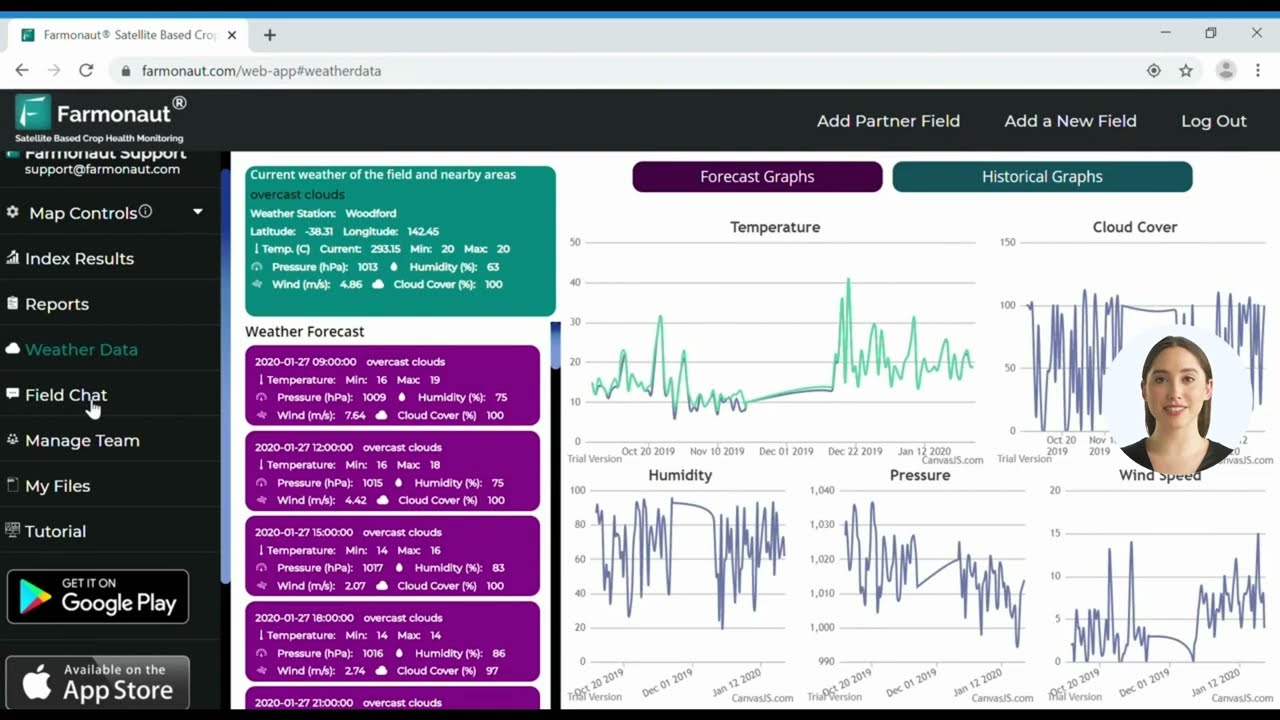
At Farmonaut, we empower farmers, agribusinesses, and institutions to unlock the full agricultural potential of Australia by leveraging satellite technology, AI, and blockchain for real-time, data-driven farming.
- 🛰️ Satellite Monitoring: Monitor vegetation health (NDVI), soil moisture, pest risk, and yield forecasts for key crops and viral agricultural products.
- 🧠 AI Advisory (“Jeevn”): Receive real-time, actionable advice on crop health, irrigation, and weather trends, ensuring optimal timing and resource use.
- 🔗 Blockchain Traceability: Track produce from farm to fork—gaining trust in domestic and export markets.
- 🚨 Environmental Impact & Carbon Tracking: Stay compliant and sustainable with carbon auditing tools—vital for export and sustainability benchmarking.
- 🔍 API & Developer Access: Integrate advanced agri-monitoring within your own platforms and systems. (Learn more about Farmonaut’s open API | API Documentation)



Key Insights and Professional Callouts
The rise of blockchain-backed traceability and satellite-based crop monitoring in Australia is not only revolutionizing export compliance but also driving higher price premiums for viral agricultural products globally.
Leveraging carbon footprinting tools can help farmers and agribusinesses meet export market requirements while building a sustainability brand advantage.
Assuming niche crops like finger limes or emu-based products do not require rigorous traceability, climate adaptation, or innovative marketing strategies can limit their viral growth potential.
Growth in Australian plant-based protein exports is expected to outpace traditional cereals by 2026, thanks to rising demand in Asian and North American markets.
Integrated Farmonaut fleet management solutions optimize the logistics of harvest and export for viral agricultural products—lowering operational costs and eco-impact.
Visual List: 🚀 Top Market Drivers for Viral Agricultural Products in Australia
- 🌍 Strategic Access to Asian Markets – Proximity and trade partnerships make Australia a leading source for Asian-bound exports.
- 💚 Rising Consumer Demand for Health & Sustainability – Viral products embody wellness, functional nutrition, and sustainable sourcing.
- 🔬 Biotechnology and Seed Innovation – Enhanced varieties adapt to local climate and maximize viral product yields.
- 📱 Real-Time Digital Ag Platforms – Digital twins, farm apps, and predictive analytics transform decision-making for all stakeholders.
- 🔄 Diversification Beyond Traditional Staples – Shifting from wheat, barley, and cotton to high-value crops ensures long-term growth and resilience.
Benefits, Data Insights & Key Takeaways
- 🌎 Global Export Appeal: Australia’s viral agricultural products meet stringent export standards and sustainability criteria, opening new international markets.
- 💡 Innovation-Driven Competitiveness: AI, satellite monitoring, and blockchain traceability consistently boost market visibility and premium pricing.
- ⚡ Climate Resilience: Adaptive crops like quinoa thrive during variable seasons, ensuring supply continuity when climate risks spike.
- 🥗 Health & Wellness Alignment: Pulses, macadamias, and finger limes deliver on the nutritional and functional foods trends in 2026 and beyond.
- 🔎 Traceable, Ethically Produced: Verified origin and certified sustainable practices enhance consumer trust and brand reputation, especially for niche viral products.
Frequently Asked Questions – Australia’s Viral Agricultural Products for 2025 & Beyond
Q1. What are the top five agricultural products with potential to become viral in Australia for 2025?
The top five viral agricultural products in Australia are macadamia nuts, finger limes, quinoa, plant-based protein crops (such as chickpeas, lentils, and faba beans), and emu oil and meat. Each has a compelling combination of market demand, sustainability, and health benefits making them star performers both domestically and internationally.
Q2. What makes a product “viral” in the agricultural sector?
A viral agricultural product rapidly gains recognition and demand due to health trends, sustainability certifications, consumer preferences, or export success. In Australia, products go viral when they combine unique nutritional value, eco-friendly production, and cutting-edge technology for traceability, quality, or environmental impact.
Q3. How important is sustainability for viral products in Australia’s future agrifood sector?
Sustainability is crucial for viral status. Australian and global consumers are increasingly demanding products that support climate resilience, ethical sourcing, and low environmental impact. Technology—like satellite monitoring and blockchain traceability—enables transparent proof of sustainable practices.
Q4. How can technology help in making Australian agricultural products go viral?
Technology enables real-time monitoring, early risk detection, and transparent market access. Satellite imagery guides sustainable practices, AI-based analytics boost yields and reduce losses, and digital traceability builds international trust. Platforms like Farmonaut support all these facets, giving farmers a significant competitive edge.
Q5. Where can I access real-time data and management tools for Australian agriculture?
Farmonaut provides scalable, affordable satellite monitoring, large-scale farm management, API integration, and open API endpoints for developers and enterprises.
Conclusion: Shaping the Future of Australian Agriculture
In 2025 and looking toward 2026 and beyond, Australia’s agricultural sector demonstrates extraordinary capacity for adaptation, innovation, and global leadership. The viral agricultural products—macadamia nuts, finger limes, quinoa, plant-based protein crops, and emu oil/meat—not only ride the wave of health, sustainability, and consumer-driven trends, but also showcase the country’s unique climate, biodiversity, and agricultural expertise.
The integration of technology is now more essential than ever. As precision farming, AI, blockchain, and satellite monitoring become mainstream, Australia’s farms become smarter, more sustainable, and increasingly resilient to climate variability and global market changes.
Farmonaut remains at the forefront of this evolution, providing invaluable satellite-driven insights and real-time data to support farmers, agri-businesses, and the country’s broader agricultural ambition. By embracing emerging viral products and innovative practices, Australia is poised to reshape not just its own agrifood sector, but the world’s food future as well.
For stakeholders ready to lead in the coming decade, the message is clear: Prioritize innovation, traceability, and sustainability. It’s the formula that will see Australia’s viral agricultural products shine brightly on the global stage for years to come.
Discussion
Questions, corrections or field experience? Share them below. First-time comments are reviewed before they appear, and your email is never published.
No comments yet. Be the first to add a question or your experience.

 ZOL Zimbabwe
 Innomick
 Juligerm
 AdBio
AdBio MISE Maroc
 Drift-Sense
 NWNS
NWNS Red August Group
 Farm Inc
 WeMe Global
 Agrotoken
 Blue BearX
 Insignito
 Croptimum
 DnCubed
 Field Capacity
 Indosistim Teknologi
 Liquify Digital
 Licence holder · Niger · Gold
 Licence holder · Nigeria · Gold + lithium










