

Australia Agriculture Visa: Farming & Careers Guide 2024
“Over 100,000 skilled workers are needed annually in Australia’s agriculture sector, driving strong demand for agriculture visa applicants.”
“Regional Australia offers 70% of the nation’s agricultural jobs, making it a hotspot for skilled migration and career growth.”
Table of Contents
- Introduction: Australia’s Agriculture Visa Landscape
- Understanding the Purpose — Beyond Farming
- Key Australian Agriculture Visa Requirements
- Visa Pathways & Career Opportunities Comparison Table
- Career Pathways & Growth in Agriculture
- Regional Agriculture Sectors: Where The Work Happens
- Skilled Migration Tips & Practices for Success
- Farmonaut: Empowering Sustainable Agriculture
- The UK vs Australia Agriculture Visa: Cross-Border Career Opportunities
- Trivia & Fast Facts — Agriculture Jobs and Demand
- Frequently Asked Questions (FAQs)
- Farmonaut Subscription Options
- Conclusion: Key Considerations for Success
Introduction: Australia’s Agriculture Visa Landscape
Australia’s agriculture sector is a powerhouse of food production, export success, and rural development. From wheat fields in New South Wales to dairy operations in Victoria and vast cattle stations in Queensland, agriculture forms the backbone of Australia’s economic and regional identity. This sector relies on skilled workers—from horticulturists, farm managers, and irrigation technicians to agroforestry specialists and livestock handlers. The need for technical expertise, sustainable practices, and on-ground leadership has shaped the evolution of the Australia agriculture visa (and closely related visa streams).
But what does it take to pursue a career in Australian agriculture as a foreign professional in 2024? What are the current australian agriculture visa requirements? How do you navigate pathways for farm work, forestry, food processing, and agricultural management?
This comprehensive guide delivers detailed answers—covering pathways, requirements, skilled migration tips, and career-building strategies in the farming and regional forestry contexts. Whether you are a recent agriculture graduate, seasoned farm manager, or a specialist in sustainable crop production, this guide will help you make informed decisions for a successful agriculture career in Australia.

A formal agricultural qualification and demonstrated on-farm experience are the cornerstones of successful agriculture visa applications. Most roles require sponsorship by approved regional employers in areas facing acute skill shortages.
Understanding the Purpose — Beyond Farming
The purpose of the Australia farming visa and related agriculture visa streams is much broader than filling temporary, seasonal harvest jobs. It’s designed to attract skilled, experienced professionals who will:
- Lead sustainable farm management in rural and regional Australia
- Advance technical capabilities (agronomy, irrigation, precision agriculture, & soil health)
- Support food safety, livestock welfare, and agricultural processing standards
- Drive innovation in response to climate challenges (drought, water scarcity, soil salinity)
- Up-skill Australian agriculture with global best practices
Employers in Australia’s agriculture, forestry, and related industries often act as sponsors for overseas applicants. These employers look for talent in:
- Crop production and agronomy – cereals, horticulture, viticulture, plantation crops
- Livestock handling – dairy, beef, sheep, poultry, feedlots, animal husbandry
- Agroforestry, timber, and silviculture operations
- Water management and large-scale irrigation systems
- Food processing and supply chain quality assurance
When applying for an Australian agriculture visa, highlight your hands-on work with modern farming techniques, precision ag tools, and farm management software to stand out among applicants!
The australia agriculture visa framework also recognizes the need for leadership and technical capability to help regional employers adapt to environmental and business challenges. As agriculture becomes more technology-driven—with AI, satellite monitoring, and sustainability standards—candidates with multidisciplinary knowledge are especially welcome.

📋 Agriculture Skills in High Demand
- ✔ Farm Management and Leadership: Overseeing teams, logistics, and productivity
- ✔ Precision Agriculture & Irrigation: Operating and optimizing advanced equipment
- ✔ Livestock Handling: Animal husbandry, welfare, breeding programs
- ✔ Soil Health & Agronomy: Implementing sustainable soil and crop strategies
- ✔ Agroforestry Experience: Timber management, environmental stewardship
Key Australian Agriculture Visa Requirements
Before pursuing your australia farming visa journey, it’s vital to understand the core eligibility, documentation, and practical requirements. Here’s a concise breakdown of what applicants and Australian employers must consider:
Many applicants submit generic CVs or fail to provide detailed evidence of their work experience in farming, forestry, or agricultural operations—this often leads to rejections or delays.
Main Australia Agriculture Visa Requirements
- Formal Qualification: A degree, diploma, or certification in agriculture, environmental science, forestry, horticulture, animal science, or a closely related field.
- Demonstrated Experience: Documented, hands-on work in agricultural, forestry, or food processing operations—ideally including leadership or technical responsibility.
- Valid Job Offer or Sponsorship: Most visa subclasses require a genuine job offer or formal sponsorship from an approved Australian employer based in a regional area.
- English Proficiency: Evidence of English capability via standardized language tests (such as IELTS, TOEFL) or relevant country-of-origin qualifications.
- Medical & Character Checks: Mandatory health assessments and police clearance certifications to verify suitability for residency or temporary work permission.



📝 Required Documents Checklist
- 📄 Degree / Diploma Certificate
- 📄 Proof of Work Experience: Reference letters, work contracts, payslips
- 📄 English Language Test Report
- 📄 Health Certificate (medical screening)
- 📄 Character Assessment (Police Clearance)
- 📄 Valid Australian Employer Sponsorship Letter
Skill shortages aren’t limited to farm management—they extend to mining supply chains, forestry, and environmental stewardship. Australia’s robust visa framework is designed to attract professionals with multidisciplinary backgrounds (see how fleet management & resource optimization matter in modern agricultural and mining landscapes).

Visa Pathways & Career Opportunities Comparison Table
Let’s compare major Australian agriculture and farming visa options side-by-side, including their requirements, timelines, and post-visa career opportunities:
| Visa Type | Eligibility Criteria | Estimated Processing Time | Application Costs (AUD) | Skilled Occupations / Sectors | Potential Career Pathways |
|---|---|---|---|---|---|
| Temporary Skill Shortage Visa (Subclass 482) | Skill assessment, relevant qualifications, 2+ years experience, employer sponsorship in shortage occupation | 2 – 7 months | $1,455 – $2,645 | Farm Manager, Livestock Farmer, Horticulturist, Agronomist, Dairy/Beef Producer | Farm leadership, agronomy consultancy, irrigation, herd management |
| Skilled Regional Visa (Subclass 491) | Age & English criteria, points-tested, nominated occupation, regional sponsor | 7 – 15 months | ~$4,240 | Crop & Livestock Farmer, Forestry Worker, Agricultural Technician, Soil Scientist | Regional farm management, food processing, forestry project lead |
| Employer Nomination Scheme (Subclass 186) | Nominated by eligible employer, qualifications and skills, age & English tests | 5 – 9 months | $4,115 – $4,640 | Farm Manager, Agribusiness Specialist, Agroforestry Project Leader | Permanent management, supply chain operations, sector leadership |
| Seasonal Worker / Pacific Australia Labour Mobility Scheme | No formal qualification required; must meet health, character, & work criteria | 1 – 3 months | $325 – $405 | Harvest Worker, Orchard Picker, Farm Laborer | Short-term seasonal job, harvest/packing experience |
| Agricultural Visa Stream* (*as government policy evolves) | Skill assessment, valid job offer, English test, medical clearance | 3 – 8 months (est.) | $1,500+ | Farm Managers, Irrigation Supervisors, Animal Husbandry specialists | Farm operation lead, tech-driven roles, rural infrastructure coordinator |
“Over 100,000 skilled workers are needed annually in Australia’s agriculture sector, driving strong demand for agriculture visa applicants.”
“Regional Australia offers 70% of the nation’s agricultural jobs, making it a hotspot for skilled migration and career growth.”

Career Pathways & Growth in Agriculture
Modern agriculture careers in Australia stretch far beyond the paddock. Here are the most in-demand pathways and the practical considerations that matter for skilled migrants:
- 🟢 Farm Manager: Oversee daily operations, optimize efficiency and lead teams in crop or livestock enterprises.
- 🟢 Agronomy Consultant: Advise farms on crop selection, disease/pest control, and yield improvement with data-driven recommendations.
- 🟢 Irrigation & Water Management Expert: Design and manage water resources, tackle drought, and ensure compliance with local regulations.
- 🟢 Post-Harvest & Food Processing Specialist: Manage supply chain logistics, food safety, and export protocols.
- 🟢 Agroforestry Project Coordinator: Develop sustainable timber, biomass, and carbon farming ventures.

Continuing education, Australian certifications in pesticides or machinery operation, and digital agriculture skills (such as satellite monitoring) make you more attractive to employers and sponsors seeking versatility and leadership.
🔍 Recommended Industry Certifications
- 📊 Australian Pesticide Application Certification—Required for crop protection roles.
- 📊 Heavy Machinery and Tractor Licensing—For irrigation, harvesting, and post-harvest operation.
- 📊 Food Safety Supervisor Certificate—Essential for food processing and export compliance.
- 📊 First Aid & Safety Training—Meets compliance for agricultural environments.
- 📊 Satellite Data Analytics—Leverage platforms like Farmonaut for crop monitoring and farm management.
Regional Agriculture Sectors: Where The Work Happens
The greatest demand for agriculture careers in Australia comes from regional sectors—the heart of crop farming, beef production, irrigation infrastructure, and forestry management. The visa framework is designed to fill skill shortages and bring global best practices into these communities.
To maximize your sponsorship chances, target regions with acute labor shortages (e.g., Queensland beef sector, NSW cropping belt, Northern Victoria’s irrigation zones). Engage with local agribusiness networks and showcase evidence of successful project outcomes.
Key regional sectors for agriculture visa applicants include:
- Central Queensland & Northern Territory: Beef, sheep, and large-scale livestock operations
- New South Wales: Broadacre crops, horticulture, & intensive irrigation districts
- Victoria: Dairy, horticulture, orchard management, & food processing
- Western Australia: Crop farming, pulse production, forestry, and mining-adjacent agriculture
- Tasmania: High-value crop, agroforestry & fisheries-linked agriculture
Agroforestry and sustainable timber operations are growing in priority, driven by global carbon markets and environmental stewardship initiatives. See how carbon footprint tracking matters for career growth and long-term job security.
Skilled Migration Tips & Practices for Success
A successful application for an Australia agriculture visa requires preparation and strategic planning. Beyond meeting the baseline requirements, you must demonstrate why you can contribute to regional farm success and how you will adapt to local infrastructure, landscape, and climate challenges.
- ✔ Prepare a detailed portfolio of farm, forestry, or agri-processing projects—include outcomes and impacts.
- ⚠ Showcase leadership and innovation—e.g., implementing AI, blockchain, or precision irrigation.
- ℹ Highlight compliance and safety—training certificates and experience with quality standards.
- ⭐ Obtain strong sponsor references—these are crucial for employer-nominated and regional visa streams.
- 📞 Network with regional agribusinesses—target organizations often acting as labor sponsors in rural Australia.
View API Developer Docs
🔗 5 Steps to a Stronger Application
- Align your CV and documentation to specific visa requirements and sponsored occupations
- Collect verifiable references from past employers, focusing on tangible agricultural outcomes
- Document evidence of sustainable farming practices and relevant environmental stewardship
- Demonstrate your leadership in adapting farms to drought, water scarcity, or yield optimization
- Stay updated on policy changes—government priorities and eligible sectors may shift year-to-year
Failing to adapt supporting documents to occupation-specific requirements, or overlooking the importance of demonstrating real project outcomes, could mean missing out on high-value sponsorship roles.

Farmonaut: Empowering Sustainable Agriculture
As agriculture, forestry, and mining supply chains become increasingly technology-driven, professionals with advanced digital skills gain a strong advantage.
At Farmonaut, we are committed to empowering the global agriculture community with satellite-driven insights, AI-powered advisory systems, blockchain-based traceability, and real-time resource management. Our platform makes advanced monitoring, compliance, and productivity affordable and accessible to farm managers, agribusinesses, governments, and supply chain leaders worldwide.
- 🌍 Satellite-based crop, soil & irrigation monitoring—track NDVI, water stress, asset health, and more
- 🤖 Jeevn AI Advisory System—tailored recommendations for agriculture productivity and climate adaptation
- ⛓ Blockchain traceability—ensure food and resource supply chain transparency at every stage
- 🚚 Fleet & Resource Management—optimize logistics, reduce costs, boost operational safety
- 🌱 Environmental Impact Tracking—monitor carbon footprints, drive sustainability, comply with evolving regulations (learn more).
Ready to scale your farm-management and agricultural insights? Try our Large-Scale Farm Management Tool: Explore scalable agriculture operation tools for growing businesses, farm managers, and agribusinesses.
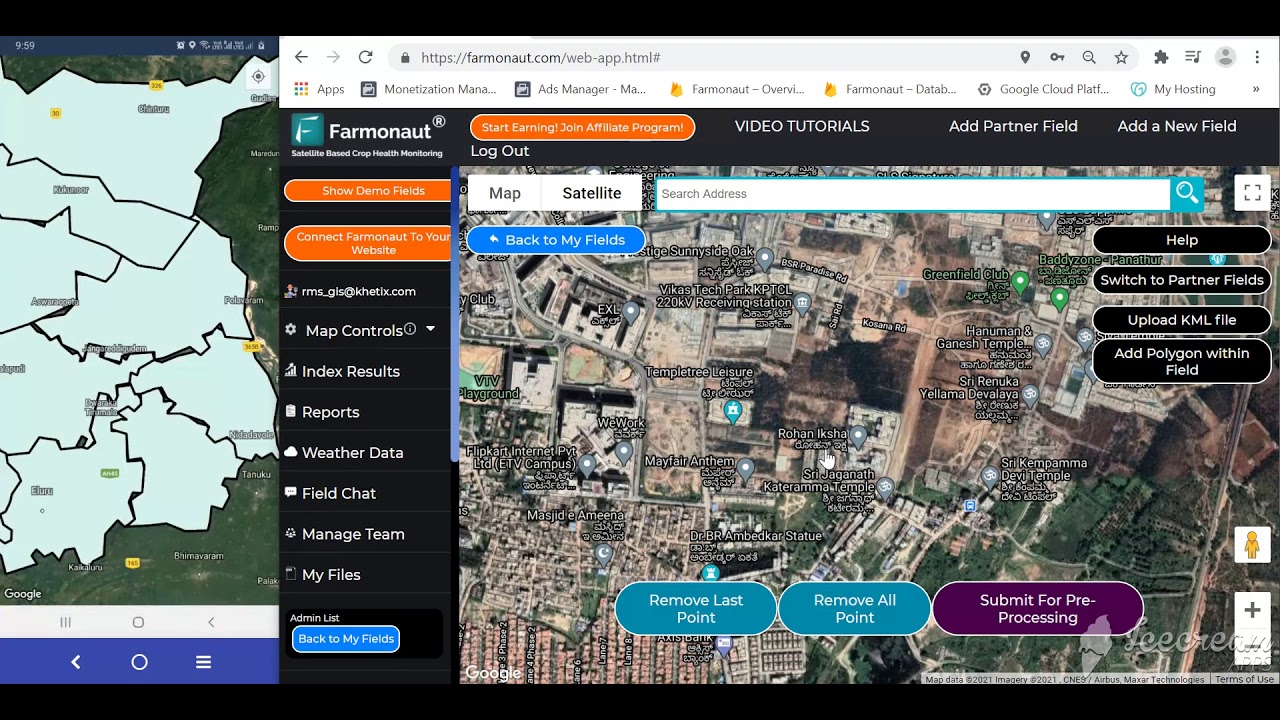
Geospatial insights, blockchain traceability, and carbon monitoring are rapidly becoming essential skills for australian agriculture visa holders—especially those working at the intersection of farming, mining supply chains, and infrastructure.
The UK vs Australia Agriculture Visa: Cross-Border Career Opportunities
Many agriculture professionals also explore UK agriculture visa opportunities and pathways for working across both Australia and the UK. Both countries maintain robust visa regimes favoring highly skilled agronomy, farm management, and agribusiness roles.
Key Considerations:
- ✔ Both countries require recognized agricultural qualifications and English proficiency
- ✔ UK pathways often mirror Australia’s in visa streams, sponsorship, and skill shortage lists
- ✔ Evidence of equivalent hands-on experience, project leadership, and compliance is a must
- ✔ Evaluate regional labor needs before targeting your application for maximum impact
- ✔ Digital & sustainability skills (precision agriculture, carbon tracking, blockchain) also provide mobility across markets
Trivia & Fast Facts — Agriculture Jobs and Demand
- 🔎 Over 3,000 regional farms across Queensland and New South Wales actively sponsor overseas workers each year.
- 💼 The average salary for skilled agriculture managers in Australia ranges from $90,000 to $140,000 AUD depending on region and specialty.
- 🌾 Australian forestry and agroforestry jobs are projected to grow by 10% in the next five years.
- 📈 The top five farm-management skills needed in 2024: irrigation optimization, pest management, climate adaptation, AI data analytics, and food safety compliance.
- 🌍 Australia’s agriculture visa framework is modeled on skill-driven immigration policies similar to Canada and New Zealand.
Underestimating the importance of English proficiency scores or failing to prepare for regional interviews is a frequent pitfall for otherwise qualified applicants.
Frequently Asked Questions (FAQs)
- Q: What is the minimum qualification for the Australia agriculture visa?
A: A formal qualification in agriculture or a closely related discipline, along with proven, hands-on farm or forestry experience, is generally required by most skilled visa streams. - Q: Is English proficiency mandatory?
A: Yes—official test scores (IELTS, TOEFL, etc.) or equivalent evidence are required. Some exemptions apply based on country-of-origin or previous study in English. - Q: How long does it take to obtain a skilled agriculture visa?
A: Processing times range from 2 months (seasonal schemes) to 15 months (Skilled Regional Visa 491). The process may be faster for priority skill areas and fully-documented applications. - Q: Is sponsorship from an Australian employer compulsory for all visa streams?
A: While employer sponsorship is required for the Temporary Skill Shortage Visa (482) and often for the Agricultural Visa Stream, other visas rely on regional or government nominations (e.g., Skilled Regional 491). - Q: What types of work count as agricultural ‘experience’?
A: Direct farm work (crop/livestock), management, technical advisory, irrigation oversight, food processing, agroforestry, and even roles in agricultural supply chain logistics all count, provided documentation and references are provided.
Farmonaut Subscription Options
At Farmonaut, we offer scalable subscription packages for individuals, agribusinesses, and government users—all accessible from web, Android, iOS, and API. Enjoy affordable, real-time satellite monitoring, AI-powered crop and soil advice, and world-class compliance tools.
Conclusion: Key Considerations for Success
The Australia agriculture visa pathway is your gateway to a high-impact, growth-oriented career in one of the world’s most dynamic agri-food economies. Regional Australia needs forward-thinking, capable professionals—whether you specialize in crop farming, irrigation, livestock management, or agroforestry. To succeed:
- Prepare evidence-backed applications emphasizing practical outcomes, safety, and compliance
- Seek out regional sponsors and demonstrate your ability to drive productivity and environmental stewardship
- Continue upskilling in digital agriculture, geospatial monitoring, resource management, and compliance
- Leverage innovative platforms like Farmonaut to stay ahead of changing farm, forestry, and food processing standards
- Stay tuned for evolving government policy, skilled occupation lists, and sector priorities as the agri-food economy modernizes
With careful planning, a robust skills portfolio, and a clear commitment to regional, sustainable agricultural advancement, you can thrive in Australia’s dynamic agri-sector—while helping build a more resilient, tech-empowered future for global agriculture.
Start your digital agriculture journey today with Farmonaut’s satellite-driven insights, and secure your place in the future of Australian and international farming.

 Godrej Agrovet
 Hayleys Agriculture
 Linx Agritech
 Adinet
 Save Your Soils
 GalaxEye Space
 Grandstream Algérie
 XOS Realty
 Geospatial Lab Africa
 Agro La Gándara
 HIPSAC
 ZOL Zimbabwe
 Juligerm
 AdBio
AdBio MISE Maroc
 NWNS
NWNS Red August Group
 Farm Inc
 WeMe Global
 Agrotoken
 Blue BearX
 Insignito
 DnCubed
 Indosistim Teknologi
 Liquify Digital
 CU Foods
 BeyondTech Global
 Rouge VC
 AgroRisk
 Oath Inc
 Esri North East Africa
 MDCV UK
 Etech Consulting Madagascar
 Vestlandsforsking
 WB Dev
 Sama Premium
 Tres Valles
 Blickwinkel
 Agricultural Credit Policy Council
 eKGIS
eKGIS Mostas Tech
 Andex
Andex Deluxe Conseil
 WICO
WICO Chimera Innovation
 SkyHarvest
 Teledarbas
 Exurbia Geospatial
 FieldZero
