

Rare Earth Companies ASX: 2026 Trends & Supply Insights
“In 2025, over 60% of Australia’s rare earth output will come from ASX-listed companies driving supply chain resilience.”
Meta Description: Rare earth companies ASX are transforming Australia’s mining, supply, and tech sectors. Explore 2026 trends, advanced processing, and key market insights shaping the global supply chain.
Table of Contents
- Introduction: The Global Significance of Rare Earth Companies ASX
- Understanding Rare Earth Elements: Composition, Uses, and Market Dynamics
- The Rise of Rare Earth ASX Companies in Australia
- Industry Trends (2025–2026): Processing, Supply Chain Evolution, and Technology
- Strategic Importance of Rare Earth ASX Companies in Global Energy & Defense Sectors
- Rare Earth ASX Companies: 2026 Trends & Supply Insights Overview Table
- Environmental and Technological Advances in Rare Earth Processing
- Key Projects and ASX-Listed Rare Earth Companies to Watch
- Market Challenges and the Road Ahead
- Farmonaut: Advanced Satellite Solutions for the Mining Industry
- Frequently Asked Questions (FAQ)
- Conclusion: The Future Impact of Rare Earth ASX Companies
Introduction: The Global Significance of Rare Earth Companies ASX
The global landscape of rare earth elements (REEs) is rapidly evolving, with Australia emerging as a major player thanks to its abundant reserves and technological prowess. As we look ahead to 2026, rare earth companies listed on the Australian Securities Exchange (ASX) are taking center stage in the worldwide supply of these critical minerals.
These rare earth ASX companies have become increasingly significant, not only for the national economy but also as strategic assets in supporting the global energy transition, defense modernization, and enabling technological advancements—including the ongoing electrification of transport and renewable energy infrastructure. The role of Australia’s rare earth industry as both a supplier and innovator is shaping how countries secure supply chains and reduce dependence on dominant producers like China.
The focus of this blog is to analyze how these rare earth companies ASX are driving trends, reshaping supply dynamics in 2026, and pioneering advanced processing techniques, all while prioritizing environmental sustainability and technological innovation.
Understanding Rare Earth Elements: Composition, Uses, and Market Dynamics
What Are Rare Earth Elements?
Rare earth elements (REEs) comprise a group of 17 chemically similar elements. These include the 15 lanthanides plus scandium and yttrium. Despite being called “rare”, these elements are relatively abundant in the Earth’s crust, but they are rarely found in economically exploitable concentrations.
The primary rare earth elements essential for modern technologies include:
- Neodymium (Nd): Critical for manufacturing permanent magnets in EV motors and wind turbine generators.
- Praseodymium (Pr): Used in magnets, aircraft engines, and specialized glass.
- Dysprosium (Dy): Adds high temperature resistance to magnets.
- Terbium (Tb): Used in alloys and as a phosphor in lighting and displays.
These elements are integral to the manufacturing of:
- Electric vehicles (EVs) and hybrid magnets
- Wind turbines
- Smartphones, tablets, and advanced electronics
- Defense technologies such as guidance systems, radar, and sonar
Global Market Drivers and Challenges
The surging demand for clean energy solutions and advanced electronics means that REEs are now classified as strategic minerals essential for the world’s technological infrastructure. In 2025 and beyond, the push for low-carbon technologies, energy storage, and precision manufacturing continues to drive demand for these crucial elements.
However, the market is also characterized by:
- Supply concentration: China is the dominant producer, accounting for more than 60% of global output—raising concerns regarding supply security and ethical sourcing.
- Complex processing requirements: The chemical similarity and occasional presence of radioactive materials like thorium and uranium make beneficiation and separation technically challenging and environmentally sensitive.
- Geopolitical risks: Ongoing trade disputes and rising global tensions, especially regarding technology access and defense, place added pressure on rare earth supply chains worldwide.
The Rise of Rare Earth ASX Companies in Australia
Australia is already known for its rich mineral reserves and is becoming an increasingly significant player in the rare earth supply chain. The rise of rare earth companies ASX is shaping Australia’s role as both a leading exporter and value-added processor of REEs.
Key points about rare earth ASX companies:
- Anchored by several ASX-listed companies with operational and planned projects in regions such as Western Australia and Northern Territory.
- Advancing exploration and mineral development of world-class deposits—particularly Mount Weld and Nolans.
- Making Australia an emerging critical minerals hub for global industries seeking to diversify away from traditional dominant producers such as China.

Did you know? The Mount Weld project, operated by Lynas Rare Earths Limited (ASX: LYC), remains the world’s largest rare earth producer outside China, underlining Australia’s global influence.
Notable Rare Earth Companies ASX
- Lynas Rare Earths Limited (ASX: LYC): Operator of Mount Weld, investing heavily in new processing infrastructure and high-value downstream operations. Its expansion is pivotal to reducing reliance on Asian processing hubs and scaling supply chains globally.
- Arafura Resources Limited (ASX: ARU): Developer of the Nolans Rare Earths Project in the Northern Territory. Its vertically integrated approach—mining, beneficiation, and processing—targets critical magnet metals and full-suite REO production.
- Hastings Technology Metals (ASX: HAS): Focuses on the Yangibana Rare Earths Project in Western Australia, emphasizing neodymium and praseodymium production for the electric vehicle and wind energy sectors.
- Iluka Resources Limited (ASX: ILU): Expanding REE supply with integrated mineral sands and rare earth projects for diverse industrial applications.
Quick Facts:
- Australia boasts some of the world’s highest-grade REE deposits.
- ASX rare earth companies continue to expand upstream and downstream infrastructure in 2025–2026.
- They are prioritized as strategic assets by the Australian government and international partners seeking reliable, ethically sourced alternatives.
Industry Trends (2025–2026): Processing, Supply Chain Evolution, and Technology
The rare earth sector in Australia is undergoing rapid transformation, shaped by increased global demand, technological innovation, and shifting supply chain priorities.
“ASX rare earth companies plan a projected 30% increase in advanced processing capacity by 2026 to meet technology sector demand.”
Advanced Processing: From Ore to Oxides
ASX-listed rare earth companies are investing heavily in advanced processing capacity to meet the surging demand for REEs. This involves:
- Constructing new hydrometallurgical and separation plants domestically
- Innovating extraction technologies to maximize recovery of critical oxides, especially neodymium and praseodymium
- Developing greener approaches to reduce environmental impact, such as tailings management, water reuse, and reduced emissions
For instance, Arafura Resources’ Nolans Project integrates mining and processing on-site, with plans for hydrogen power integration to minimize emissions—a blueprint for sustainable mining practices across the sector.

Evolving Supply Chains: Reducing Reliance on Dominant Producers
Reducing reliance on Chinese processing hubs is a top priority for both Australia and its trading partners. This supply diversification is being achieved through:
- Government funding for processing plant construction (both federal and state levels)
- Strategic partnerships with equipment suppliers, transport operators, and technology firms
- Developing local supply chain clusters around major mining regions
- Direct sales to international end-users in Japan, Europe, the USA, and beyond
These steps help de-risk the supply chain and ensure reliable access to strategic minerals for key industries like defense, clean energy, and electronics manufacturing.

Integration of Advanced Technology and Satellite Monitoring
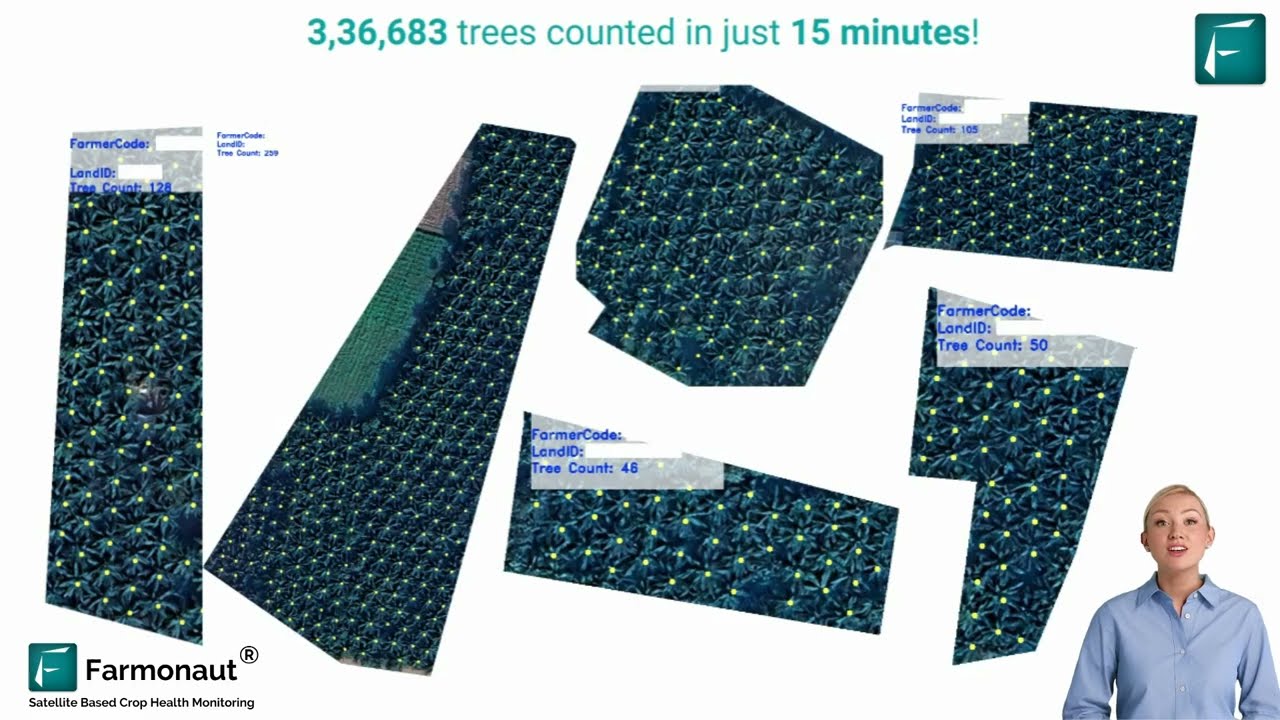
Satellite monitoring and AI-driven data analytics are revolutionizing mineral exploration, environmental management, and extractive efficiency in the rare earth sector. Companies are deploying advanced sensing, drone surveys, and real-time tracking to:
- Detect new REE deposits and optimize geological models
- Monitor environmental impact and compliance
- Streamline logistics (fleet and resource management)
Our platform at Farmonaut is dedicated to providing businesses in mining, agriculture, and infrastructure with cost-effective satellite monitoring, real-time AI-based advisory, fleet and resource management, and carbon footprint analysis. These solutions empower rare earth companies to make data-driven decisions, reduce environmental risk, and boost productivity. Learn more about Farmonaut’s Carbon Footprinting solutions.
Strategic Importance of Rare Earth ASX Companies in Global Energy & Defense Sectors
The strategic importance of rare earth ASX companies rests in their ability to supply critical materials—like neodymium, praseodymium, dysprosium, and terbium—essential for growth across advanced industries:
- Energy Sector: REEs are at the heart of electric vehicles (EVs), wind turbines, and battery storage. With high-grade deposits and expanded processing, Australia is supporting the global renewable energy transition with secure, ethically sourced magnet metals.
- Defense Sector: Precision-guided munitions, radar, sonar, and advanced communication systems rely on rare earth-enabled technologies. The secure and stable supply from ASX companies underpins the defense industrial base for Australia and its allies.
- Technology & Electronics: Smartphones, screens, advanced lighting, and robotics all require specialized rare earth oxides.
Increasingly, sovereign supply chains of REEs are seen as vital for national security, with governments enacting policy frameworks to incentivize local extraction and processing. This has led to increased investment in research, new projects, and sector-wide innovation—cementing the pivotal role of Australia’s rare earth ASX companies for 2026 and beyond.



Rare Earth ASX Companies: 2026 Trends & Supply Insights Overview
| Company Name | Main Rare Earth Product(s) | 2025 Estimated Production Capacity (tons) | Strategic Projects (2025–2026) | Supply Chain Partnerships | Estimated Revenue (AUD millions, 2025) | Key Markets Served |
|---|---|---|---|---|---|---|
| Lynas Rare Earths Limited (ASX: LYC) | Nd, Pr, Dy, Tb (Oxides & Compounds) | 20,000+ | Mount Weld Expansion, New Kalgoorlie Plant | Downstream processing, advanced tech, government-backed | ~2,400 | Asia, North America, Europe |
| Arafura Resources Limited (ASX: ARU) | Nd, Pr (Magnet Metals), Mixed Rare Earth Oxides | ~4,500 | Nolans Project (NT), Hydrogen-Integrated Processing | Industrial users, EV sector, government agencies | ~450 | Australia, East Asia, EU, US |
| Hastings Technology Metals (ASX: HAS) | Nd, Pr, Dy (Magnet Feedstock) | ~3,400 | Yangibana Project, Concentrator Development | Automotive, wind, supply chain partners | ~300 | Australia, Japan, S. Korea, EU |
| Iluka Resources Limited (ASX: ILU) | Heavy Rare Earths, Mixed REO, Mineral Sands | ~1,600 | Eneabba Refinery, Integrated REE Plant | Industrial, technology manufacturers | ~180 | Oceania, APAC, EU |
Table: Comparative overview of leading rare earth companies ASX for 2025–2026. Data estimates compiled from public disclosures and sector analysis.

Environmental and Technological Advances in Rare Earth Processing
One of the primary challenges and opportunities for rare earth ASX companies in 2026 is balancing increased processing capacity with environmental stewardship. Many of Australia’s leading REE projects incorporate:
- Innovative waste management and residue recycling practices
- Carbon-neutral or low-emission power integration (hydrogen, renewables)
- Improved water use and closed-loop systems
These sustainable mining practices not only align with increasingly strict regulatory expectations but also enhance the global market appeal of Australian rare earth supply chains.
The Role of Digitalization and Satellite Technology
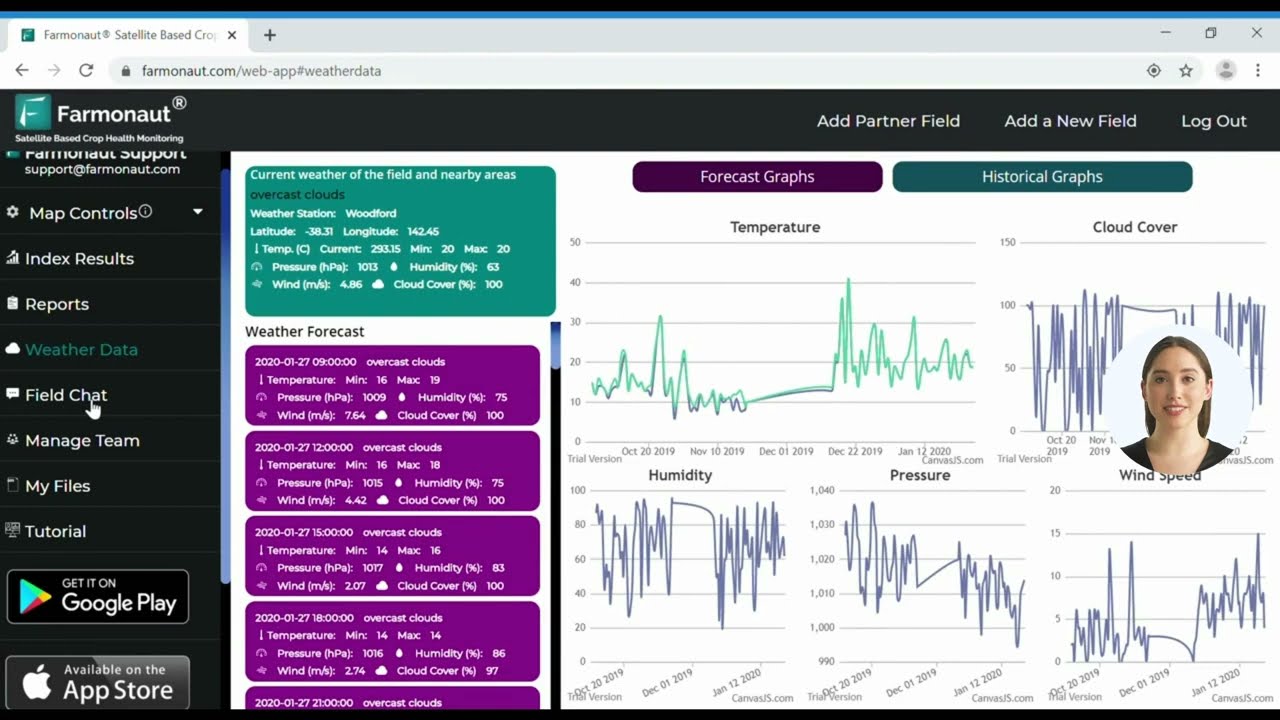
Advanced satellite technology—such as that offered by Farmonaut—plays a growing role in optimizing mining operations, monitoring compliance, and supporting traceability across the supply chain. Mining companies use satellite-driven insights to:
- Track vegetation and land use changes in and around mining concessions
- Monitor real-time environmental impact, including carbon emissions (see Carbon Footprinting for automated tracking solutions)
- Implement blockchain-based traceability for minerals from mine to end-user, enhancing transparency for global customers (see Farmonaut Traceability Solutions)
With software and API access via web and mobile, companies can automate reporting, reduce compliance risk, and improve ESG outcomes. API integration details can be found at Farmonaut Satellite API and API Developer Docs.
For management of mining logistics and fleets, Farmonaut’s Fleet Management Solution helps optimize equipment, reduce costs, and improve safety outcomes.
Key Projects and ASX-Listed Rare Earth Companies to Watch
Lynas Rare Earths Limited
- Mount Weld (Western Australia): One of the world’s largest and highest-grade rare earth deposits. Operator Lynas Limited continues to expand mine and processing plant capacity, while planning further downstream integration in Kalgoorlie.
- Notable Achievements: Remains the largest producer outside China, recognized for reliability and high-quality output. Diversification into advanced metals and specialty products to meet automotive, wind energy, and electronics demand.
Arafura Resources Limited (Nolans Rare Earths Project, Northern Territory)
- Vertically integrated, world-class rare earth mine and processing operation, with a particular focus on neodymium and praseodymium.
- Hydrogen power integration will set new benchmarks in low-emissions processing.
Hastings Technology Metals (Yangibana Rare Earths Project, Western Australia)
- Strong focus on critical magnet metals (Nd, Pr) for use in the EV value chain and wind turbine sectors.
- Enhanced beneficiation techniques contribute to higher recovery rates and reduced waste streams.
Iluka Resources Limited
- Eneabba Refinery (WA): Unique in its combination of heavy rare earths with mineral sands operations, providing a diversified product suite for domestic and global supply chains.
Market Challenges and the Road Ahead
Despite remarkable growth and innovation, rare earth companies ASX still face a range of challenges as they gear up for 2026:
- Complex metallurgy: The chemical similarity of rare earth elements makes their separation and purification complicated, often requiring significant R&D investment and operational expertise.
- Environmental impact: Responsible management of tailings, water, and emissions is critical, especially with the potential presence of radioactive elements.
- Market price volatility: Fluctuations in global demand, currency shifts, and policy changes—especially by dominant producers—can rapidly impact revenues and project viability.
- Skilled workforce requirements: The sector requires advanced skills in mining engineering, chemistry, environmental science, and digital technology—prompting increased investment in workforce development and training.
- Regulatory landscape: Shifting environmental, export control, and industrial policy frameworks both in Australia and globally require ongoing compliance and flexibility.
Notwithstanding these challenges, the future outlook for rare earth ASX companies is bright. Global decarbonization goals, rapid tech adoption, and government-backed critical minerals strategies are all tailwinds for sustained growth and sector leadership by Australian companies.

Farmonaut: Advanced Satellite Solutions for the Mining Industry
We at Farmonaut offer innovative software and satellite-based solutions for mining, agriculture, infrastructure, and defense. Our mission is to make satellite-driven insights affordable and accessible to businesses, users, and governments worldwide.
- Satellite-Based Monitoring: Use multispectral imagery to monitor mining sites, infrastructure integrity, and vegetation health—with NDVI, soil condition, and geotechnical data for informed management.
- Jeevn AI Advisory System: Provides mining companies and governments with real-time forecasts, alerts, and strategic planning advice based on live satellite data.
- Blockchain-Based Traceability: Discover how Farmonaut traceability solutions build trust, authenticity, and regulatory compliance in mineral supply chains.
- Fleet and Resource Management: Optimize mining logistics, vehicle use, and equipment deployment for improved efficiency and safety.
- Environmental Impact Monitoring: Track carbon emissions and environmental footprint—critical for meeting global sustainability requirements.
Our solutions are available through web, Android, and iOS apps, with API integration for enterprise and developers.
Start your journey with Farmonaut’s web platform or explore our crop loan and insurance verification tools—ideal for banks and insurers supporting agricultural and mining projects.
Explore Farmonaut’s cost-effective subscription options and API on-demand access below.
Frequently Asked Questions (FAQ) – Rare Earth Companies ASX
ASX-listed rare earth companies anchor Australia’s emergence as a critical supply source outside China. Their focus on advanced processing, high-grade deposits, and sustainable practices drives global diversification and supply chain security in strategic industries.
Q2: What are the main challenges facing the rare earth industry in Australia?
Technical complexity (separation, processing), environmental management, supply chain logistics, regulatory compliance, and skilled talent shortages are major challenges—but are being addressed by technological and process innovations.
Q3: Which rare earth elements are most critical for energy, defense, and technology?
Neodymium (Nd), praseodymium (Pr), dysprosium (Dy), and terbium (Tb) are most critical, used in magnets for EVs, wind turbines, defense guidance systems, and consumer electronics.
Q4: How do ASX companies ensure environmental sustainability?
By investing in hydrogen-integrated processing, efficient water management, waste recycling, carbon reduction programs, and compliance with strict Australian environmental regulations.
Q5: Where can I find satellite and digital solutions for mining operations?
Farmonaut provides modular, real-time monitoring, traceability, and resource management for mining via Android/iOS apps and API: Web App, API, API Docs.
Conclusion: The Future Impact of Rare Earth ASX Companies
As technology advances and the global demand for rare earth elements intensifies, Australia’s ASX-listed rare earth companies are poised to play a pivotal role in the world’s mineral supply chains. From Lynas and Arafura to Hastings and Iluka, the sector’s commitment to innovation, sustainability, and strategic development positions Australia as a resilient and ethical source of critical rare earth minerals.
By embracing advanced processing, digital monitoring, and responsible practices, rare earth companies ASX ensure Australia’s mineral resources will continue to fuel electric vehicles, renewable energy solutions, defense modernization, and technological innovation through 2026 and beyond.
Engagement with these companies and utilization of **cutting-edge satellite solutions**—like those offered by Farmonaut—will be essential for stakeholders in mining, energy, defense, and beyond as the rare earth market landscape continues to evolve.

 Tipareth Mines
 GemSprout Metals Limited
 Qader Group
 Ileys General Trading
 SG Gold Mining LLC
 VRV Global Pte Ltd
 Omsri International FZE
 G.I.T.T.
 Jaunita Erss Ltd
 Almosi SARL
 SRK Consulting
 Berks Gold Limited
 Mwerezi Minerals Company Limited
 Mining SARL
 SenGold Invest SAS
 Sean Mining Limited
 NTS Group (Pty) Ltd
 Mine4Africa
