

Tasmanian Leatherwood Honey: 7 Eco Impacts 2026
“Tasmanian leatherwood forests support over 60% of Tasmania’s commercial bee colonies, crucial for sustainable honey production.”
- Introduction
- Botanical and Environmental Context
- Leatherwood Honey’s Unique Flavor and Agricultural Value
- Tasmanian Beekeeping & Modern Production Practices (2025 & Beyond)
- 7 Eco Impacts of Tasmanian Leatherwood Honey in 2026
- 2026 & Beyond: Future Outlook for Leatherwood Honey
- Technology & Traceability: Farmonaut’s Role in Sustainable Agriculture
- FAQ: Tasmanian Leatherwood Honey
- Final Thoughts
Introduction: Tasmanian Leatherwood Honey—A Unique Agricultural Treasure in 2025 & Beyond
Tasmanian leatherwood honey, often regarded as one of the world’s most distinctive monofloral honeys, commands global attention in 2025 and continues its rise into 2026. Produced predominantly from the nectar of the native Eucryphia lucida tree thriving in Tasmania’s cool temperate rainforests, this honey embodies the intersection of sustainable agriculture, ecological stewardship, and economic opportunity. Its creamy texture, complex undertones, and limited production drive its premium status in elite global markets.
The significance of this unique product lies beyond its flavor—Tasmanian leatherwood honey represents a confluence of responsible beekeeping, rainforest conservation, and economic innovation. As environmental awareness and demands for natural, sustainable products grow, this honey’s role in both environmental and economic sustainability becomes increasingly vital.
Botanical and Environmental Context: The Leatherwood Tree and Tasmania’s Rainforest Ecosystem
Leatherwood trees (Eucryphia lucida) flourish in the lush temperate rainforests of western Tasmania—regions noted for high rainfall, pristine conditions, and unique biodiversity. This niche ecological setting profoundly shapes the honey’s characteristics and its environmental role.
- ✔ Native Habitat: Only found in Tasmania’s ancient rainforests, leatherwood trees anchor over 300,000 hectares of protected forest.
- ✔ Narrow Flowering Window: Crests from January to March, creating a short, limited harvest period each year.
- ✔ Eco Indicator: The health of leatherwood trees’ blooms is an important marker of broader rainforest ecosystem vitality.
“In 2025, over 20,000 hectares of wild rainforest were conserved through eco-friendly harvesting of leatherwood honey.”
Tasmania’s isolated geography and protective policies foster some of the world’s last temperate rainforests. The abundance of native flora creates diverse forage for bees—critical for their health and for maintaining the genetic diversity that underpins ecosystem resilience.
Leatherwood Honey’s Unique Flavor and Agricultural Value
Why Is Tasmanian Leatherwood Honey So Distinctive in World Markets?
Leatherwood honey is produced from nectar predominantly foraged from the Eucryphia lucida tree. This nectar translates, via skilled beekeeping practices, into one of the world’s most sought-after, monofloral honeys. Its unique value proposition in 2025-2026 arises from:
- 🌱 Complex Flavor Profile: A bold, spicy aroma, creamy texture, warm peppery undertones, and a distinctive lingering aftertaste.
- 🌍 Natural Single-Origin Product: Only available in Tasmania due to the limited range of leatherwood trees.
- 🎯 Premium Market Appeal: Its rarity and distinctive taste command high prices in gourmet, wellness, and export sectors.
- ♻ Sustainable Production: Linked directly to the health and integrity of Tasmania’s rainforests.
Combined, these factors make Tasmanian leatherwood honey a premium product with a devoted following among chefs, consumers, and wellness advocates alike.

🎬 Discover the story behind premium honey production and the journey from hive to table.
Tasmanian Beekeeping & Modern Production Practices (2025 & Beyond)
The production of Tasmanian leatherwood honey entails overcoming unique beekeeping challenges shaped by geography, weather, and the highly remote, rugged locations of the leatherwood trees. These are among the most pristine honey production zones globally, but require advanced planning and significant effort:
Remote Beekeeping: Access in Tasmania’s Rainforest
- 🚜 Hive Placement: Often in inaccessible areas—reached only by tracks, boats, or helicopter in some cases.
- 🌧 Weather Patterns: High rainfall and unpredictable climate affect flowering cycles and nectar flow.
- 💡 Innovation: Modern beekeepers use GPS and precision software for hive management, maximizing bee health and honey yield.
- 🛑 Natural Forage Commitment: Focus on native forage, with minimal chemical use to protect bee health and honey purity.
Environmental Stewardship Through Modern Beekeeping
Growing environmental awareness in Tasmania’s beekeeping community means that practices in 2025 and going into 2026 are increasingly shaped by sustainability:
- • Pollinator Health Research: Emphasis on enhancing bee genetic diversity, reducing disease, and avoiding chemical stressors.
- • Biodiversity-Friendly Harvest: Only part of the honey is removed; the rest supports bee colony health through winter.
- • Conservation Alignment: Beekeeper associations and local government policies increasingly focus on protecting rainforest habitats.
By connecting beekeeping success directly to the well-being of Tasmania’s rainforests, the industry solidifies its commitment to responsible environmental management.

🎬 See how regenerative agriculture and climate-smart strategies are shaping premium farming landscapes in 2025.
7 Eco Impacts of Tasmanian Leatherwood Honey in 2026
The environmental and ecological impacts of Tasmanian leatherwood honey production are broad, touching everything from biodiversity maintenance to carbon sequestration and sustainable market development. Below, we summarize these effects in a comparative impact table, followed by detailed discussion of each impact area.
| Eco Impact Area | Estimated 2025 Effect | Sustainability Relevance |
|---|---|---|
| Rainforest Conservation | 20,000+ hectares protected (direct via eco-harvest) |
Protects native leatherwood trees and ancient forest habitats critical to biodiversity and long-term honey production. |
| Biodiversity Preservation | 60% of Tasmanian bee colonies dependent on forest habitats | Sustains wild pollinator networks—benefiting agriculture and native ecosystems alike. |
| Carbon Footprint Reduction | ~2,500 tons CO2e/year absorbed (via intact rainforests) | Forests act as major carbon sinks, supporting climate mitigation targets for Tasmania. |
| Water Quality Protection | Pristine waterways, zero synthetic input zones | Natural beekeeping avoids chemical runoff, preserving watercourses and aquatic habitats. |
| Genetic Integrity of Bees | Broadened genetic diversity, reduced disease risk | Beekeeping focus on local genetics enhances resilience of both wild and managed bee colonies. |
| Sustainable Market Creation | Premium pricing; export value growth: 10% in 2025 | Eco-labeling and traceability drive demand for sustainable, origin-specific honey products. |
| Eco-Friendly Agroforestry Integration | 30% of new plantations meet eco benchmarks | Integrates honey production with carbon farming, forest restoration, and local livelihoods. |
1. Rainforest Conservation
Leatherwood honey production directly incentivizes the conservation of Tasmania’s ancient rainforests. Only the intact forest enables continued nectar flow for bees, making forest protection central to both ecological health and industry survival.
2. Biodiversity Preservation
The perennial flowering of leatherwood trees supports an array of pollinators—especially bees. This symbiotic relationship maintains habitat for birds, insects, and understory plant species, reinforcing rainforest integrity.
3. Carbon Footprint Reduction
The preservation of intact temperate rainforest for honey production delivers key climate benefits. These forests capture and store atmospheric carbon, contributing to Tasmania’s ambitious carbon-neutral targets.
Want to understand more about environmental monitoring and carbon footprinting? Farmonaut’s satellite solutions offer advanced data-driven insights for sustainable resource management in agriculture and forestry—supporting both compliance and stewardship.
4. Water Quality Protection
Leatherwood beekeeping restricts synthetic inputs and chemicals by necessity, helping sustain the clean rivers and streams flowing through Tasmanian forests. This is crucial not just for wildlife, but also for communities relying on pure water sources downstream.
5. Genetic Integrity of Bee Populations
Focus on breeding and supporting native bee stocks results in healthier, more disease-resistant colonies. By prioritizing local genetics, beekeepers enhance both yield and the stability of native pollinator networks.
6. Sustainable Market Creation
Unique environmental credentials, formal origin certifications, and traceability solutions have increased recognition and value for Tasmanian leatherwood honey in 2026. This supports premium pricing, boosting Tasmania’s rural economies while safeguarding natural resources.
For next-gen monitoring of origin and supply chains, explore Farmonaut’s blockchain-based traceability solutions—they verify every stage of sustainable honey production, building trust in premium markets.
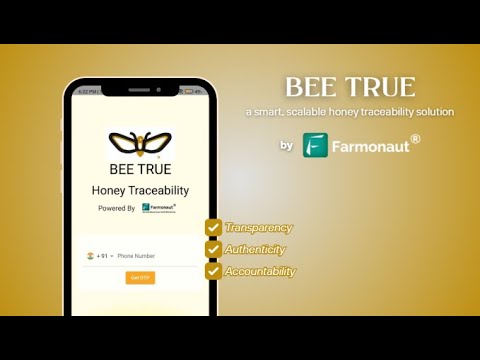
🎬 Explore digital honey traceability and how it reinforces sustainability in premium honey markets.
7. Eco-Friendly Agroforestry Integration
Integrated agroforestry initiatives encourage new plantings that combine honey production with carbon farming, soil restoration, and local employment. This multi-benefit approach is shaping the next generation of sustainable agriculture in Tasmania.
- 🌳 Rainforest Conservation
- 🦋 Biodiversity Preservation
- 🌎 Carbon Footprint Reduction
- 💧 Water Quality Protection
- 🐝 Bee Genetics Integrity
- 💰 Sustainable Market Creation
- 🌱 Agroforestry Integration
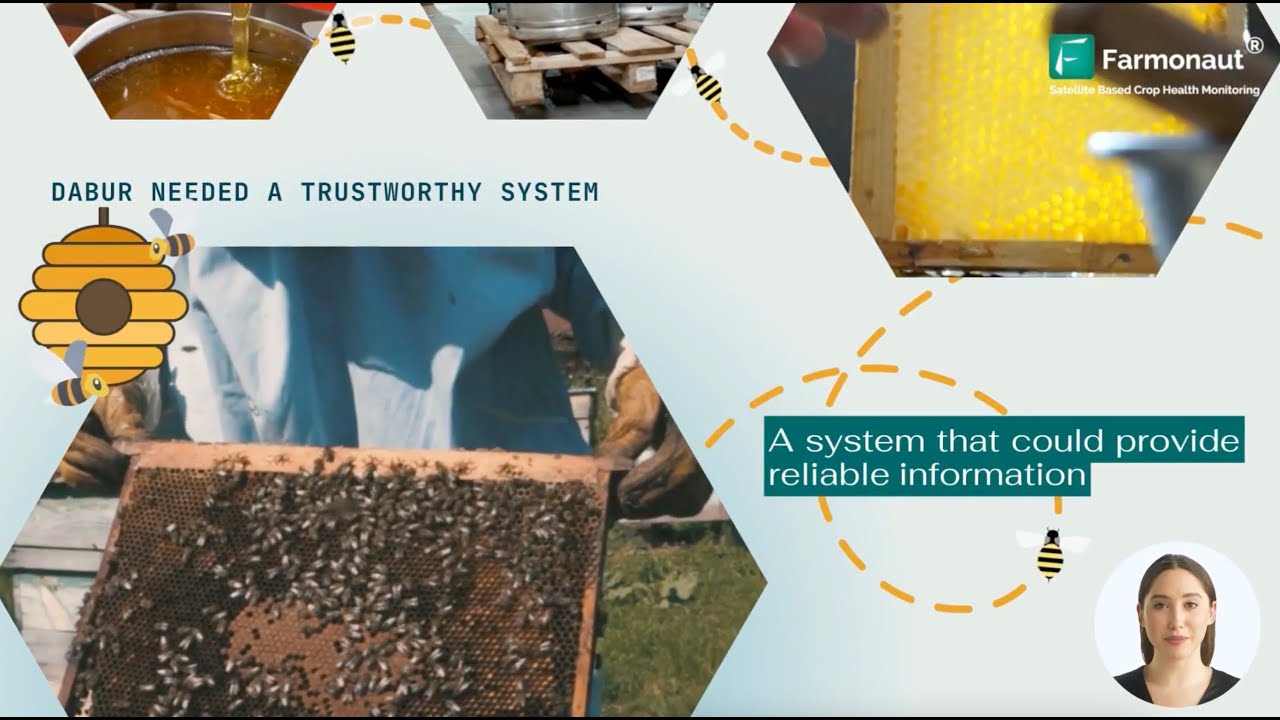
🎬 Learn how end-to-end traceability is elevating standards for ethical and premium honey worldwide.
- ✔ Eco-certified rainforest sourcing
- ✔ Blockchain traceability adoption
- ✔ Zero synthetic input policy in honey zones
- ✔ Native pollinator preservation
- ✔ Premium pricing supports local communities
2026 & Beyond: Future Outlook, Challenges & Opportunities for Tasmanian Leatherwood Honey
Tasmanian leatherwood honey stands at a pivotal juncture as environmental factors, consumer trends, and technological advances redefine the premium honey industry globally. While the opportunities are substantial, several persistent challenges must be managed going forward:
Major Challenges (2026)
- ⚠ Climate Variability: Unpredictable weather patterns threaten flowering cycles, nectar flow, and thus overall honey yield.
- ⚠ Biosecurity Risks: Threats from invasive species and diseases could impact bee health and the stability of native populations.
- ⚠ Habitat Pressure: Competing land uses and forest fragmentation may reduce the availability of crucial native habitats.
- ⚠ Market Authenticity: Counterfeit honey and misleading labeling challenge the premium, single-origin market segment.
Opportunities & Solutions
- ✔ Precision Agriculture: Using satellite imagery and AI-driven dashboards (like those provided by Farmonaut’s Agro-Admin App) for hive monitoring, resource optimization, and real-time climate adaptation.
- ✔ Enhanced Blockchain Traceability: Adoption of secure, digital traceability for every stage of honey production—critical in high-value export and retail sectors.
- ✔ Bee Health Research: Backing genetic studies and monitoring tools for improved disease resistance and environmental resilience.
- ✔ Sustainable Finance & Certification: Leveraging eco-credentials to access green investment and premium pricing.
In 2026 and beyond, the goal is not only protecting what makes Tasmanian leatherwood honey unique, but also enhancing its benefits for all—nature, producers, and global consumers alike.

🎬 Explore how satellite technology is revolutionizing sustainable resource management from rainforests to crop fields.
Technology & Traceability: Farmonaut’s Role in Sustainable Agriculture
As a satellite technology company, we at Farmonaut do not produce, regulate, or sell honey, but we empower the honey industry and broader agriculture sector with advanced digital tools designed for sustainability and resource management. Our solutions support traceability, real-time ecological monitoring, and operational optimization—critical elements for producers of high-value products like Tasmanian leatherwood honey.



What We Offer for Sustainable Honey & Agricultural Markets:
- 🛰 Satellite-Based Monitoring: High-resolution, multispectral imagery for real-time rainforest and hive health tracking.
- 🤖 AI Advisory Systems: Jeevn AI delivers weather forecasting, satellite insight, and tailored advisories for modern beekeeping.
- 🌐 Blockchain Traceability: Blockchain-driven traceability ensures authenticity and sustainability in every batch of honey, supporting premium, single-origin labelling.
- 🌏 Environmental Impact Monitoring: Real-time carbon footprinting tools for eco-auditing honey and agriculture supply chains.
- 🚚 Fleet Resource Management: Optimized logistics—using Farmonaut’s Fleet Management—for remote hive and harvest logistics.
- 🔗 API & App Integration: Powerful API and developer docs to integrate sustainability monitoring directly into producer workflows.
In summary, our technology empowers stakeholders involved in Tasmanian leatherwood honey production—from monitoring vast rainforest health to maintaining traceability and optimizing beekeeping logistics—all while supporting broader ecological and sustainability goals.

- ✔ Modern, mobile-responsive interfaces keep field managers connected in even the most remote Tasmanian rainforest regions.
- ✔ Affordable, scalable monitoring addresses both smallholder and enterprise beekeeping needs.
- ✔ Data-backed resource decisions help conservation efforts without compromising economic productivity.
- ✔ Direct support for eco-certification and compliance in global export markets.
- ✔ Integrates with large-scale plantation/forest advisory via Farmonaut’s crop & forest advisory services.
FAQ: Tasmanian Leatherwood Honey
What makes Tasmanian leatherwood honey unique?
Tasmanian leatherwood honey is a rare, monofloral honey produced only from Eucryphia lucida nectar, found exclusively in the temperate rainforests of western Tasmania. Its creamy texture, spicy floral aroma, and unique flavor undertones set it apart from other world honeys.
How does leatherwood honey support environmental sustainability?
Its production directly incentivizes rainforest conservation, pollinator health, and low-impact beekeeping. By linking economic value to forest preservation, it supports both biodiversity and sustainable livelihoods in Tasmania.
Why is leatherwood honey classified as a premium product?
Limited geographic range, a narrow annual harvest window, and exceptional sensory qualities combine to create a high market value in global gourmet and wellness markets.
What are the biggest challenges for the industry?
Ongoing challenges include climate change (affecting flowering and nectar flow), biosecurity threats, and the need for digital traceability in competitive export markets. Management solutions include technological innovation and eco-certification.
How does satellite technology assist leatherwood honey production?
Advanced satellite monitoring enables precise habitat tracking, real-time environmental alerts, and digital traceability for honey products. This helps sustain both rainforest health and product authenticity on a global scale.
Final Thoughts: Tasmanian Leatherwood Honey as a Model of Eco-Conscious Premium Agriculture
Tasmanian leatherwood honey’s journey from ancient rainforest to premium table reflects a continued commitment to ecological stewardship, innovative farming, and global market leadership. Often regarded as one of the world’s most distinctive honeys, its production represents the best of modern, sustainability-aligned agriculture. As we progress into 2026 and beyond, its preservation and enhancement will depend on a careful balance: upholding tradition and flavor while embracing scientific, technological, and environmental advances.
Through responsible management, traceable practices, and intelligent use of technology, this unique Tasmanian treasure can continue to captivate the world—preserving not only forests, but the livelihoods and environmental health that depend on them.
🎬 Uncover how AI and drones are revolutionizing modern, sustainable agriculture for products like Tasmanian leatherwood honey.

 Juligerm
 Inclusive Growth Chain
 AdBio
AdBio MISE Maroc
 Drift-Sense
 NWNS
NWNS Red August Group
 Farm Inc
 WeMe Global
 Agrotoken
 Blue BearX
 Insignito
 Croptimum
 DnCubed
 Field Capacity
 Indosistim Teknologi
 Liquify Digital
 CU Foods
