

7 Tropical Rainforest Conservation Efforts for 2025
Tropical Rainforest Conservation Efforts: A Critical Priority for 2025 and Beyond
- Understanding the Imperative of Tropical Rainforest Conservation Efforts in 2025
- Key Drivers of Tropical Rainforest Deforestation
- Why Heightened Forest Conservation Efforts Matter in 2025
- Trivia: Amazon Rainforest Loss
- 7 Tropical Rainforest Conservation Efforts for 2025
- Conservation Efforts Impact Comparison Table
- Farmonaut’s Role in Sustainable Tropical Rainforest Conservation
- Frequently Asked Questions
- Looking Beyond 2025: Securing Our Global Rainforests
- Farmonaut Subscription Plans
“Over 17% of the Amazon rainforest has been lost in the past 50 years, highlighting urgent conservation needs for 2025.”
Understanding the Imperative of Tropical Rainforest Conservation Efforts in 2025
Tropical rainforests are the green lungs and ecological powerhouses of our planet. While they cover merely 7% of Earth’s surface, their biologically diverse ecosystems harbor over half of all known terrestrial species. These dense forests not only store vast amounts of carbon, thus playing an indispensable role in regulating the global climate, but also conserve water cycles, sustain millions of indigenous and local communities, and support the livelihoods of people across continents.
However, tropical rainforest conservation efforts are now more critical than ever. The world is at an inflection point: accelerating deforestation, driven by unsustainable agricultural expansion, infrastructure projects, and mining operations, threatens the very existence of these vital ecosystems. The consequences go far beyond loss of forest cover: soil degradation, loss of biodiversity, carbon release, and disrupted local and global water cycles all contribute to compounding environmental crises.
As we step into 2025 and look to the beyond, it is imperative for governments, organizations, communities, and businesses to embrace and expand sustainable practices, policy innovation, and technological advancements to protect these forests.
“Tropical rainforests cover less than 7% of Earth’s land but house over 50% of all terrestrial species.”
Key Drivers of Tropical Rainforest Deforestation in 2025
To devise effective tropical rainforest conservation efforts, we must first understand the major drivers of deforestation that remain persistent threats in 2025:
- Agricultural Expansion: Large-scale agricultural land conversion for crops like soybeans, palm oil, and cattle ranching remains the leading cause of rainforest loss, especially in regions such as the Amazon Basin (South America), Central Africa, and Southeast Asia. Each year, vast tracts of forest are cleared, destroying unique habitats and threatening irreplaceable species.
- Infrastructure Development: Infrastructure projects—including roads, dams, and mining operations—fragment forests, open up previously inaccessible areas to logging and settlement, and accelerate resource extraction.
- Mining: Extraction of minerals and precious metals frequently involves strip mining and other invasive processes, causing irreversible damage to forest cover, soil quality, and local water cycles.
- Unsustainable Forestry Practices: Illegal logging and poor forest management practices further erode the integrity of rainforest ecosystems.
- Settlement Expansion: Population growth and migration to forested regions lead to ongoing forest conversion and degradation.
The cumulative effect is the alarming pace of tropical rainforest deforestation, which threatens the stability of both local and global ecosystems.

Why Heightened Forest Conservation Efforts Matter in 2025
The challenges facing rainforests today require a holistic response driven by science, innovation, and strong policy enforcement. The stakes are enormous:
- Climate Regulation: Tropic rainforests are carbon sinks, storing vast amounts of carbon. Continued deforestation releases enormous quantities of greenhouse gases, exacerbating global warming.
- Water Cycles: These forests regulate water cycles on local and global scales, essential for rainfall patterns and agricultural productivity worldwide.
- Biodiversity Hotspots: With over 50% of all terrestrial species present in tropical forests, their degradation spells the collapse of unique and untold ecosystems.
- Community Livelihoods: Millions of indigenous and local people depend directly on forest resources for survival, culture, and tradition.
- Ecosystem Services: Rainforests purify the air, cycle nutrients, and provide crops, medicine, and timber—critical to both global and local economies.
The gravity and urgency of the situation call for immediate and sustained conservation efforts as a top priority for 2025 and the foreseeable beyond.
7 Tropical Rainforest Conservation Efforts for 2025
Effort 1: Scaling Protected Areas and Legal Enforcement
One of the most direct and effective rainforest conservation strategies is the expansion and strict enforcement of protected areas. Governments and international organizations are working tirelessly to designate large tracts of valuable forest as national parks, reserves, or Indigenous territories.
- Legal Protection: Robust laws and clear boundaries are essential. Enforcement personnel combat illegal logging, land conversion, and other encroachments.
- Community Inclusion: Recognizing indigenous and local community land rights—their stewardship has proven to be among the most effective conservation tools.
However, maintaining the integrity of these areas requires consistent government investment, community engagement, and technological monitoring to detect and prevent illegal activities.
Effort 2: Sustainable Agroforestry and Regenerative Agriculture
Agroforestry systems integrate trees with crops and livestock, combining the productivity of farming with the ecological benefits of forests. Sustainable agricultural land management practices like these restore soil fertility, enhance biodiversity, and maintain a living forest canopy, all of which are crucial for both rainforest conservation and food security.
- Regenerative Agriculture: Methods such as cover cropping, carbon farming, and polyculture actively rebuild soil health and sequester carbon, making agriculture a tool for forest protection rather than deforestation.
- Local Livelihoods: Agroforestry provides diversified income streams for smallholders and indigenous communities, decreasing reliance on destructive monocultures.
Watch the video below for more on regenerative agriculture and climate-smart solutions:
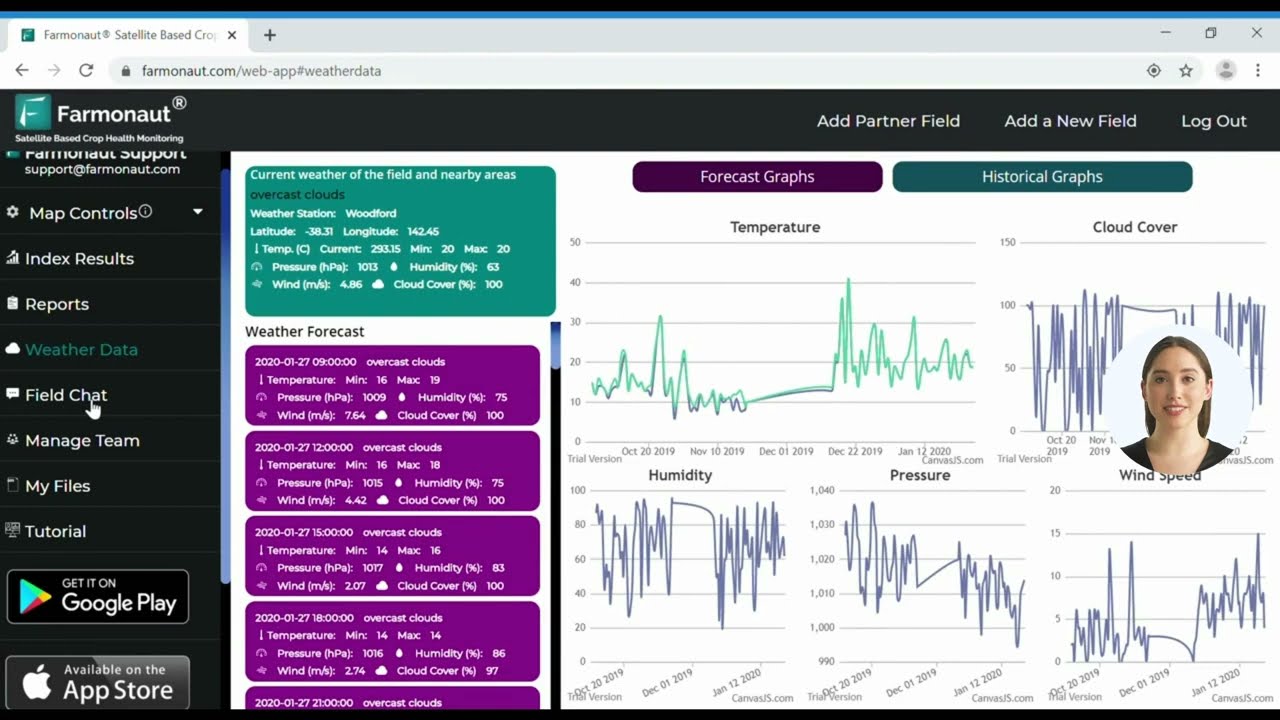
For those seeking real-time satellite monitoring, AI-based crop health advisories, and blockchain traceability for agricultural land or forestry, Farmonaut’s Carbon Footprinting Solution and Product Traceability Platform offer unparalleled value—helping users, governments, and organizations verify sustainable practices and track agricultural emissions for compliance and market access.
Effort 3: Technological Surveillance and Real-Time Remote Sensing
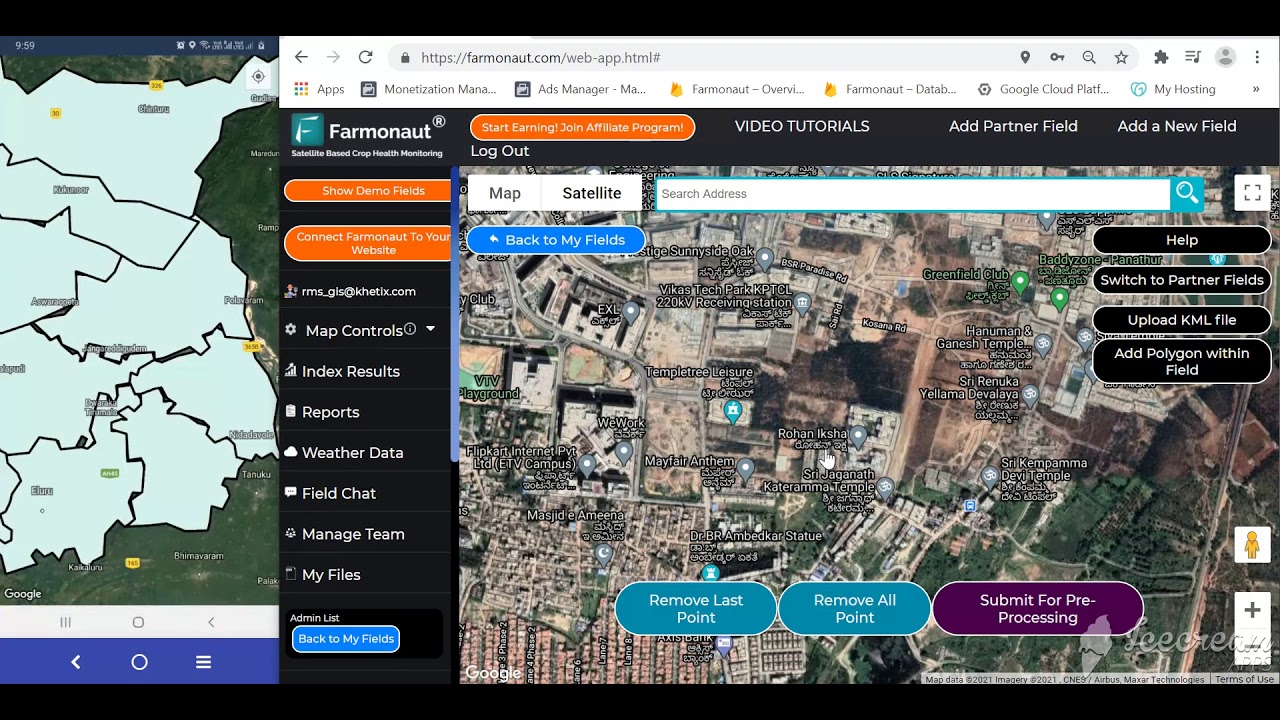
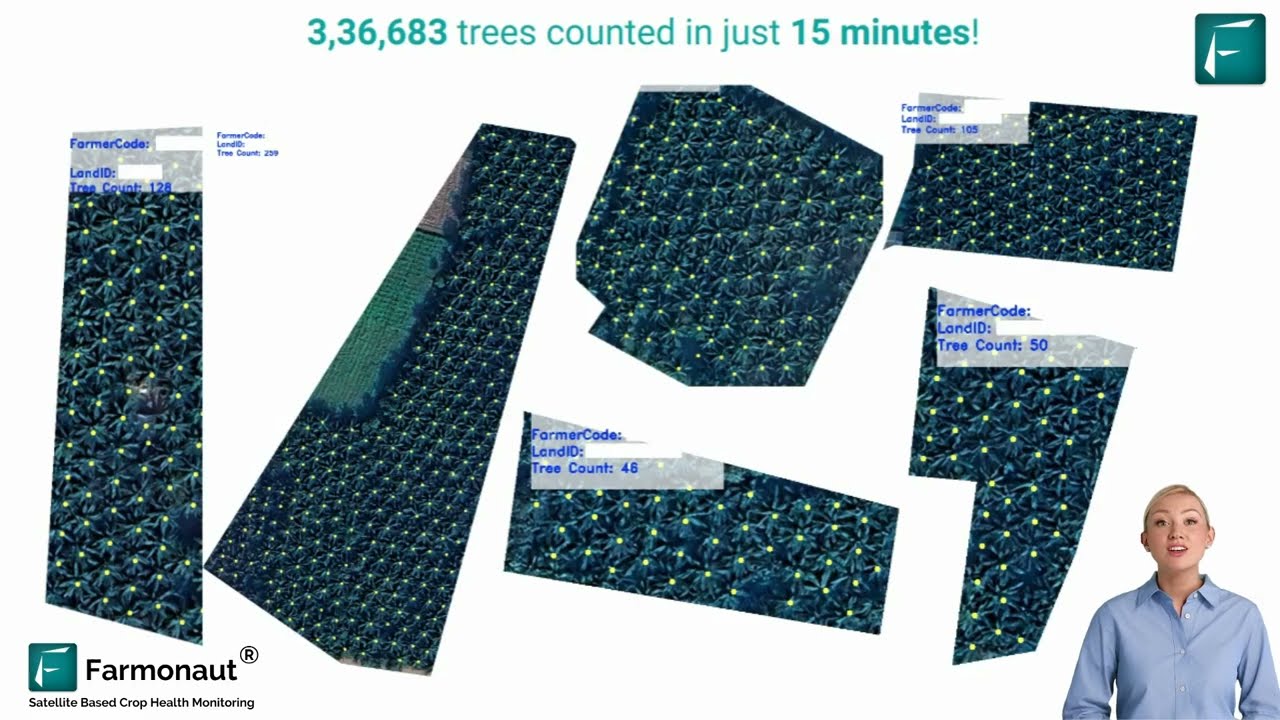
Advanced monitoring and rapid response are now possible thanks to state-of-the-art satellite-based technologies and AI. With real-time, high-resolution satellite imagery, authorities, businesses, and communities can:
- Rapidly detect illegal logging, land clearing, and unplanned expansion.
- Track forest health, monitor soil moisture, and understand carbon stock changes.
- Pinpoint priority areas for restoration or intervention.
Such approaches support smart policy planning and enable near-instant enforcement responses, vastly increasing the effectiveness of conservation investments.
To experience how AI-powered satellite monitoring is revolutionizing rainforest and agricultural land conservation efforts, try Farmonaut’s Crop, Plantation & Forest Advisory—accessible via web or mobile.
Get started instantly by downloading the Farmonaut App:



Or explore Farmonaut’s satellite-based API and API Developer Docs for advanced integrations in your sustainability and monitoring workflows.
Effort 4: Community-Driven Conservation and Participatory Management
Long-term nternational rainforest conservation is only possible with the leadership and full participation of local and indigenous communities. Evidence shows that when communities are empowered to manage, monitor, and benefit from conservation, outcomes for biodiversity and livelihoods are dramatically improved.
- Participatory Land-Use Planning: Incorporates community knowledge and priorities into regional conservation plans.
- Benefit-Sharing Mechanisms: Ensures that those affected by conservation initiatives receive direct and meaningful benefits.
- Training and Capacity-Building: Provides technologies and skills for sustainable resource management and monitoring.
Many 2025 rainforest conservation initiatives now require shared governance, consultation, and direct resource allocation for indigenous and forest-dependent communities, who have been custodians of their lands for generations.

Effort 5: International Incentives & Funding Mechanisms (REDD+ and Beyond)
A key tool in the fight against tropical rainforest deforestation is REDD+ (Reducing Emissions from Deforestation and Forest Degradation), which provides financial incentives for developing countries to maintain and restore forest cover. Many global initiatives, trading schemes, and funding mechanisms now reward verified reductions in deforestation, reforestation, or carbon sequestration.
- Results-based Payments: Nations, regions, or projects receive payments proportional to the actual verified reduction in deforestation or carbon emissions.
- Private Sector Engagement: Companies invest in forest landscapes to meet sustainability goals and compliance requirements.
- Monitoring & Verification: Technology-driven verification (satellite, blockchain) ensures transparency and fair compensation.
Such mechanisms align economic incentives with forest conservation efforts, mobilizing both public and private resources toward a more sustainable global economy.

Effort 6: Sustainable Mining and Infrastructure Practices
While mining and infrastructure expansion are primary drivers of deforestation in key regions such as Southeast Asia, Amazon Basin, and Central Africa, they remain necessary for economic growth. The solution: embed environmental safeguards and innovative restoration practices into design and operation.
- Site Remediation: All projects must include plans for restoration of degraded areas and re-establishment of native vegetation after resource extraction or construction.
- Satellite Monitoring: Satellite data enables ongoing tracking of environmental impact, rapid detection of illegal activities, and ensures compliance.
- Blockchain Traceability: Advanced traceability systems help verify ethical and sustainable sourcing of minerals and forest-derived products.
Farmonaut’s Carbon Footprinting and Traceability offerings assist companies and authorities in tracking resource extraction, compliance, and emissions across mining and infrastructure sectors.
Interested in optimizing logistics, resource use, and fleet operations in a sustainable way? Farmonaut’s Fleet Management Solution empowers infrastructure and mining managers to reduce environmental footprints and enhance operational efficiency using satellite insights and real-time monitoring.

Effort 7: Education, Policy Advocacy & Global Partnerships
Finally, long-lasting rainforest conservation depends on sustained investment in education, awareness, and policy advocacy—locally, regionally, and internationally.
- Educational Campaigns: Teaching the value of rainforests and the risks of deforestation inspires new generations of guardians, consumers, and leaders.
- Policy Reforms: Advocacy efforts are persuading national and international bodies to prioritize tropical rainforest protection—including trade policies, sustainable sourcing commitments, and penalties for non-compliance.
- Knowledge Sharing: Cross-country partnerships foster innovation, accelerate learning, and help disseminate best practices.
Digital tools, data-driven platforms, and targeted mobile or web applications are making it easier than ever for everyone—from researchers to farmers to schoolchildren—to engage in conservation efforts and promote sustainability.
Conservation Efforts Impact Comparison Table (2025 Projections)
| Conservation Effort/Initiative Name | Description | Estimated Area Protected or Restored in 2025 (hectares) | Estimated Reduction in Deforestation (%) | Estimated Cost (USD millions) | Community Participation Level | Sustainability Rating (1-5) |
|---|---|---|---|---|---|---|
| Protected Area Expansion & Enforcement | Designating & monitoring reserves, national parks, and Indigenous territories | 12,000,000 | 21% | $2,500 | High | 5 |
| Sustainable Agroforestry | Integrating trees with crops/livestock, restoring soil and carbon | 7,000,000 | 13% | $600 | High | 5 |
| Technological Surveillance & Remote Sensing | Satellite, AI & real-time monitoring for enforcement and planning | 5,500,000 | 15% | $700 | Medium | 4 |
| Community-Driven Conservation | Participatory management, capacity-building, benefit-sharing | 6,200,000 | 18% | $950 | High | 5 |
| REDD+ & International Incentive Schemes | Performance-based finance for emission reductions via forest conservation | 8,500,000 | 22% | $1,400 | Medium | 4 |
| Sustainable Mining & Infrastructure | Siting, remediation, traceability, and satellite monitoring | 2,100,000 | 7% | $1,200 | Low | 3 |
| Education & Policy Advocacy | Outreach, media, reforms, partnerships, digital engagement | 4,800,000 | 11% | $400 | High | 4 |
* Data reflects estimates for 2025 and relative impact. All figures rounded and indicative. Actual impact may vary by region, implementation, and future global trends.
“Tropical rainforests cover less than 7% of Earth’s land but house over 50% of all terrestrial species.”
Farmonaut: Harnessing Technology for Tropical Rainforest & Forest Conservation Efforts
As a satellite technology leader, we at Farmonaut are committed to making satellite-driven insights affordable and accessible for businesses, governments, and users worldwide—empowering innovation in sustainable agriculture, mining, infrastructure, and environmental monitoring. While we don’t own or regulate forests, our services directly support critical conservation efforts by:
- Providing real-time monitoring of agricultural land, mining operations, and infrastructure projects
Learn more about our Large Scale Farm & Plantation Management Tools for scalable, remote management. - Delivering AI-based advisory systems and weather forecasts for climate-resilient planning
- Offering blockchain-based traceability to ensure transparency in supply chains—helping verify sustainable sourcing and ethical compliance
- Supporting resource optimization through fleet management solutions
- Monitoring carbon footprints and other environmental impacts
- Lowering cost barriers with subscription-based, modular satellite solutions reaching small farmers, businesses, and government bodies
Our API and Developer Docs are available to integrate farm, forest, or mining monitoring into your custom sustainability solutions.
Want to ensure compliance and track environmental impact for loans or insurance in agriculture and mining? Check out our Crop Loan and Insurance Verification Service.
With tools like these, together we can enhance the effectiveness, transparency, and scalability of tropical rainforest conservation efforts—for 2025 and the future.

Frequently Asked Questions (FAQs) – Tropical Rainforest Conservation Efforts for 2025
1. What are the most urgent tropical rainforest conservation efforts in 2025?
The most urgent conservation efforts focus on expanding and effectively managing protected areas, promoting sustainable agroforestry, leveraging technological monitoring like satellites and AI, empowering local communities, incentivizing conservation through funding like REDD+, improving mining/infrastructure sustainability, and fostering education plus policy reform.
2. How does deforestation threaten global climate and biodiversity?
Deforestation releases significant stored carbon, disrupting global climate regulation. It also destroys habitats, driving mass extinction of terrestrial species and degrading water cycles—impacting both local and global agricultural health and human livelihoods.
3. How do technological solutions, like those offered by Farmonaut, support conservation?
Satellite and AI-based monitoring tools enable real-time tracking of forest loss, crop health, soil degradation, and illegal activities. They enhance enforcement, optimize resources, and track environmental impact—essential for 21st-century conservation planning.
4. Can local and indigenous communities really make a difference in conservation?
Yes, numerous studies confirm that forests governed by indigenous peoples or local communities experience lower deforestation rates and higher landscape resilience, thanks to traditional knowledge, rapid response, and local stewardship.
5. How can individuals or organizations get involved in rainforest conservation?
Support can range from responsible consumer choices (choosing certified products), investing in restoration or carbon offset projects, using technology for monitoring, to advocating for policy reforms and funding community initiatives.
6. Why is sustainable agricultural land use crucial for rainforest conservation?
Unsustainable farming and monoculture expansion are leading drivers of tropical forest loss. Sustainable agroforestry, regenerative agriculture, and diversified polyculture maintain forests’ integrity, support biodiversity, and sustain food security.
Looking Beyond 2025: Securing Our Global Rainforests
The fate of tropical rainforests will determine not only the richness of Earth’s biodiversity, but also the health of our global climate systems, the direction of agricultural development, and the livelihoods of millions. As the imperative for sustainable forest conservation efforts grows, 2025 stands as a pivotal year—demanding accelerated, collaborative, and innovative responses.
- Adopting Smart Policy & Technology: Integrating policy reforms, satellite-enabled monitoring, and AI-driven insights boosts the impact and transparency of conservation.
- Empowering Local Voices: Placing indigenous and community leadership at the core of planning and stewardship.
- Prioritizing Education & Sustainability: Investing in new generations and sustainable economic models.
- Scaling Financial and International Mechanisms: Aligning economic incentives with forest conservation and climate resilience.
We at Farmonaut remain committed to providing advanced, affordable, and accessible technologies for governments, businesses, and users to monitor, verify, and optimize their conservation efforts—from agricultural land to rainforests to mining operations. Together, let us ensure the world’s most ecologically significant and biologically diverse landscapes thrive for generations to come.
Farmonaut Subscription Plans
Experience cutting-edge satellite monitoring and resource management for agriculture, mining, infrastructure, and sustainability—customized for your needs and scale.
Further Reading & Resources
- Large Scale Farm & Plantation Management
- Plantation/Crop/Forest Monitoring Web App
- Carbon Footprinting Platform
- Product Traceability Solutions
- Crop Loan and Insurance Verification
- Fleet Management for Sustainable Resource Use
- API for Custom Integrations
- API Documentation
Let us transform conservation together—one hectare, one community, one forest at a time.

 Hydenmet
 Dirks Bros Farms
 Red August Group
 Farm Inc
 WeMe Global
 Agrotoken
 Blue BearX
 Insignito
 Croptimum
 DnCubed
 Field Capacity
 Indosistim Teknologi
 Liquify Digital
 CU Foods
 BeyondTech Global
 Rouge VC
 AgroGreen Dynamics
