

2-3 HP Irrigation & Sprinkler Pumps: 2026 Guide
- Introduction: The Future of Efficient Irrigation Systems
- Trivia: Game-Changing Pump Facts
- Understanding Horsepower: Ratings and Applications
- Exploring Pump Types: 1 HP, 1.5 HP, 2 HP, and 3 HP
- How Sprinkler Pumps Drive Modern Precision
- Energy Efficiency & Sustainability: Reducing Costs
- Smart Technology in 2025 & Beyond
- Operational Reliability & Maintenance Essentials
- Pump Comparison Table: Flow, Coverage & Sustainability
- Farmonaut: Satellite Insights for Smarter Irrigation
- Callout Boxes: Pro Tips & Industry Highlights
- Apps & Solutions: Take Control Anywhere
- Frequently Asked Questions (FAQs)
- Conclusion: Maximizing Yield for 2026 & Beyond
Introduction: The Future of Efficient Irrigation Systems
In the evolving landscape of modern agriculture, selecting the right irrigation pump is no longer a trivial decision—it’s an essential step toward sustainable farming, cost control, and yield maximization. As we move into 2026, enhancements in 2 horsepower irrigation pump, 1 horsepower sprinkler pump, 3 horsepower irrigation pump, and 1.5 horsepower irrigation pump technologies are reshaping how farmers, agribusinesses, and resource managers respond to climate variability, water scarcity, and growing global food demands.
Whether you are operating a small garden or managing extensive commercial fields, understanding pump ratings, features, and new technological integrations has become paramount. This 2026 guide delivers a comprehensive exploration of the critical components, real-world applications, maintenance insights, and smart technology that define the next level of irrigation systems.
2 and 3 HP irrigation pumps are not just about higher output—they enable smarter, data-driven farming practices and sustainable water use for 2026 and beyond.

✔ Visualizing the Benefits: Choose the Right Irrigation Pump
- 🌱 Boosts Yield: Optimized water delivery strengthens crop growth.
- 💧 Reduces Water Waste: Smart and precise application curbs run-off and evaporation losses.
- ⚡ Saves Energy: Well-matched horsepower prevents excess power use and cuts costs.
- ⏱ Saves Time: Faster, automated coverage simplifies irrigation schedules.
- ♻️ Supports Sustainability: Embracing efficient pumps reduces environmental impact and sustains water sources for future generations.
Understanding Horsepower Ratings in Irrigation Pumps
Horsepower (HP) is a core parameter in irrigation. It indicates the engine power output required to move water from sources like wells, rivers, or reservoirs to cultivated fields. Choosing the right HP ensures that your system delivers sufficient flow and pressure for your field’s size, elevation, crop type, and irrigation method—without excess energy waste or operational costs.
- 1 Horsepower (HP) Pumps: Perfect for smaller farms or gardens; energy efficient and cost-effective for low-demand irrigation needs.
- 1.5 HP Pumps: Ideal for medium-size plots; versatile, powering both drip and sprinkler systems for those transitioning to commercial (but not large scale) cultivation.
- 2 HP Pumps: Most popular among commercial operations; offer higher flow rates and can deliver water over broader or more demanding terrain.
- 3 HP Pumps: A necessity for large-scale and hilly farmlands; powerful enough for deep wells, high lifts, and multi-field coverage—all while maintaining high operational reliability.
- ▶️ HP rating directly affects: Coverage area, volume delivered, and pump longevity.
- ▶️ Undersized pumps: Cause low pressure and inadequate irrigation, risking crop yield.
- ▶️ Oversized pumps: Waste electricity or fuel, increasing operational costs and carbon footprint.

When selecting between a 2 HP irrigation pump and a 3 HP irrigation pump, consider both maximum elevation head and the farthest point in your coverage area. Match pump curve specifications to your field’s dimensions for optimal performance and efficiency.
Exploring 2-3 HP Irrigation & 1-2 HP Sprinkler Pumps: Use Cases & Advantages
To truly maximize modern irrigation system efficiency in 2025 and beyond, let’s break down the most commonly used pump ratings and their application areas:
1 Horsepower Irrigation Pump & 1 Horsepower Sprinkler Pump
- 🔹 Ideal For: Small farms, gardens, kitchen plots, greenhouses
- 🔹 Flow Rate: Sufficient for up to 1-1.5 acres via drip or compact sprinkler systems
- 🔹 Strengths: Low operational costs, easy maintenance, energy efficient
- 🔹 Limitations: Not suited for high-elevation or multi-field setups
Best Use: For low water demand crops, limited area coverage, or when electric supply is modest.
1.5 Horsepower Irrigation Pump
- 🔹 Ideal For: Medium-sized plots (1.5–3 acres)
- 🔹 Flow Rate: Handles moderately greater flow and pressure than 1 HP models
- 🔹 Strengths: Versatile for both drip and small-scale sprinkler networks
- 🔹 Use Case: Farmers transitioning to commercial agriculture from smaller holdings
2 Horsepower Irrigation Pump & 2 Horsepower Sprinkler Pump
- 🔹 Popular Among: Commercial farmers with 3–7 acres or higher water demand crops
- 🔹 Capacity: Can operate sprinkler systems for broader coverage or irrigate multiple plots simultaneously
- 🔹 Features: Often integrates smart control systems and energy-efficient motors as of 2025
- 🔹 Strength: Balanced operational cost with expansive coverage
3 Horsepower Irrigation Pump
- 🔹 Used For: Large-scale agribusiness operations exceeding 7 acres or difficult terrains
- 🔹 Power: Handles deep wells, high elevation lifts, and long-distance water movement
- 🔹 Best For: Managing extensive sprinkler networks with maximum reliability in 2026

Ignoring the total dynamic head (TDH) and friction losses can result in picking a pump that fails to deliver enough pressure or volume—compromising crop health and reducing yield.
📊 What Drives Your Pump Selection in 2026?
- 📏 Field Size & Shape: Multi-acre or irregular fields? Choose higher HP for uniform coverage.
- 🌾 Crop Water Needs: Water-intensive crops demand robust flow and pressure.
- ⛰️ Elevation & Terrain: Pump must overcome elevation and friction losses.
- 🔌 Power Source: Availability of grid, solar, or backup power affects total costs and sustainability.
- 📱 Smart Technology: Integrated monitoring and automation offer superior flexibility and resource savings.
The Role of 1 and 2 Horsepower Sprinkler Pumps in Precision Agriculture
Sprinkler pumps—particularly 1 horsepower sprinkler pumps and 2 horsepower sprinkler pumps—are engineered to produce optimal pressure and flow exactly matched to sprinkler head requirements. This achieves even water distribution across fields, which is increasingly critical in precision agriculture as every drop counts in the face of water scarcity.
- 🌀 Uniform Spray Patterns: Avoids waterlogging or drought pockets, encouraging uniform crop growth
- 🟢 Protects Delicate Foliage: Gentle yet targeted spray prevents disease and physical crop damage
- 🔧 Advanced Nozzle Compatibility: Modern pumps support variable-rate and smart sprinkler systems
- 🕑 Programmable Operations: Integration with timers or mobile apps for scheduled, seasonally adjusted irrigation

Get Real-time Insights for Every Pumping Decision



Need integration with your own farm management software?
See the Farmonaut API for satellite-driven automation or explore the Developer Documentation for custom solutions.
Energy Considerations and Sustainable Irrigation Practices
Rising energy prices and global climate commitments require farmers in 2026 to minimize energy usage while maximizing crop output. Choosing the right horsepower pump means:
- ✔ Preventing Over-Usage: Adequate HP pumps stop oversized energy draw
- ✔ Reducing Operational Costs: Energy-efficient motors can cut annual expenses by as much as 15%
- ✔ Enabling Green Power: Solar-powered pumps (especially for 1 HP and 2 HP models) are now cost-effective for small to mid-sized farms in 2026
Major advancements for 2026 include IE4/IE5 efficiency class motors, low-loss impellers, and smart control algorithms that adaptively modulate flow and output to meet real-time irrigation needs.
The biggest ROI in smart farming for 2025-2026 will come from upgrading outmoded pump systems to 2-3 HP, smart, and efficient pumps—unlocking up to 25% energy savings and ensuring future compliance with sustainability standards.

For growers keen to track and improve their carbon impact, explore Farmonaut’s Carbon Footprinting Solution. Harness satellite and AI data to monitor emissions, optimize machinery use, and meet global sustainability goals—key when implementing new irrigation pumps.
Farmonaut’s powerful Satellite-Weather API lets you trigger irrigation systems based on satellite-derived soil moisture data, streamlining water use and reducing manual oversight.
Technological Advancements in 2-3 HP Pumps for 2026
The digital farm revolution is accelerating. By 2026, most advanced pumps will offer:
- 📲 Remote Monitoring & Control: Mobile and cloud app interfaces for start/stop, flow adjustments, and system diagnostics
- 👁️ AI-Powered Optimization: Auto-scheduling based on satellite weather data, crop growth models, and predictive analytics
- 🛰️ Seamless Farmonaut Integration: Our satellite platform connects real-time field data with pump controls for smarter water management
- 🔔 Automated Alerts: Malfunction, leakage, or suboptimal operation triggers instant notifications
With such advanced features, farmers can streamline operations, cut labor costs, and maximize both yield and water use efficiency—all while observing sustainability regulations.

Maintaining transparency and product credibility? See Farmonaut’s Blockchain-Based Traceability—track every input and harvest from pump installation to field yield, reinforcing your value in high-end markets.
Operational Reliability & Maintenance: Keeping Pumps at Peak Performance
Regular maintenance ensures your pumps operate efficiently for years. In 2026, digital maintenance logs and AI diagnostic tools empower proactive care. Key best practices:
- 🛠️ Weekly: Inspect for leaks, vibrations, and abnormal noises
- 🧰 Monthly: Check and clean inlet screens, filters, and impellers
- 🧴 Quarterly: Lubricate moving parts, verify electrical connections, test flow rates
- 🕒 Annually: Replace worn seals; review full performance under field loads
- 🔍 At Every Start-up: Confirm pump priming, check suction, and monitor initial flow
Proactive maintenance prevents: Pump burnout, costly downtime, and unexpected replacement of critical components.

- 🔎 Smart Sensors: Modern pumps alert you about clogged filters or overheating via mobile notifications
- 🔗 Sat-Connected Logs: Farmonaut’s apps let you sync pump performance and maintenance history for data-driven decisions
Pump Comparison Table: Flow, Power & Sustainability at a Glance
| Pump Type | Estimated Flow Rate (L/min) |
Power Consumption (kWh) |
Coverage Area (acres) |
Water Efficiency (%) |
Estimated Cost (USD) |
Sustainability Features |
|---|---|---|---|---|---|---|
| 2 HP Irrigation Pump | 160–210 | 1.6–2.1 | 3–7 | 88–92 | 750–1100 | IE4 motors, solar compat. Flow sensors, app control |
| 1 HP Sprinkler Pump | 75–110 | 0.9–1.1 | 1–2 | 87–91 | 420–650 | Energy star, smart timer, Low-loss nozzles |
| Advanced Pump System (3 HP, IoT-enabled) | 220–300 | 2.7–3.3 | 7–14 | 92–95 | 1200–2000 | Solar hybrid, auto-shutoff, AI-based scheduling |
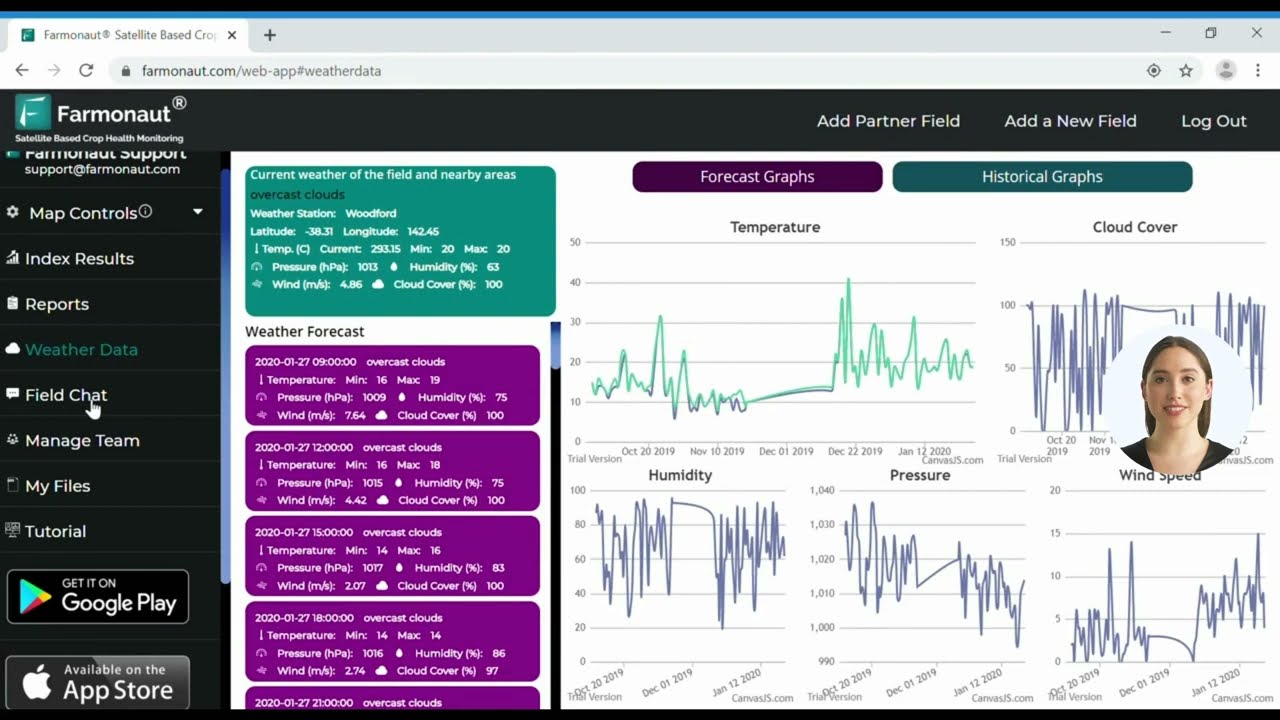
Farmonaut: Satellite Data for Pump Optimization and Smart Water Management
At Farmonaut, we believe precision agriculture requires more than just the right pump. Our satellite-based platform gives farmers and agribusinesses real-time visibility into crop health, soil moisture, and irrigation effectiveness. By integrating data-driven insights with automated pump control, we empower users to:
- ✔ Optimize Irrigation Timing: Activate 1.5 HP, 2 HP, and 3 HP pumps based on weather patterns, crop growth stages, and water needs—minimizing waste.
- ✔ Prevent Over/Under Watering: Detect anomalies before they become problems.
- ✔ Measure Water Efficiency: Quantify flow, coverage, and runoff using our analytics dashboard.
- ✔ Document Sustainability: Generate compliance and sustainability reports for investors and certification bodies.
Manage hundreds of acres, devices, workers, and irrigation events?
See Farmonaut’s Large Scale Farm Management Suite for seamless resource planning, monitoring, and alerts—especially powerful when paired with next-gen pump technologies.
For Hilly or Uneven Terrains, favor a 3 HP irrigation pump with auto-priming features for risk-free water delivery up slopes.
Pumps with smart irrigation scheduling save up to 20% water annually—boosting margins and environmental performance.
Overlooking power source compatibility (e.g., voltage, phase) leads to frequent motor breakdown in high HP pumps.
Combine advanced irrigation pumps with Farmonaut’s Fleet Management to optimize tractor, pump, and workforce deployment—saving fuel and labor.
Document water use and run-time data for compliance and loan eligibility. Try our Crop Loan & Insurance Verification for secure, satellite-based reporting.
Integrated Apps & Solutions: Control Your Pumps—Anywhere, Anytime
- 📱 Use the Farmonaut App for instant alerts, pump diagnostics, and satellite map overlays
- 🔗 Connect via the robust Farmonaut API for large farms and agrotech service providers
- 🌍 Monitor carbon, traceability, and loan/insurance eligibility through simple, AI-powered dashboards
For forest plantation planning or advisory, check out our Crop Plantation Forest Advisory for pump adjustments based on tree species and seasonal water needs.
Frequently Asked Questions (FAQs) – 2-3 HP Irrigation & Sprinkler Pumps
-
Q: How do I determine the right horsepower for my farm?
A: Calculate total water demand (flow), elevation head, friction losses in pipelines, and add a 10% safety margin. Always reference crop needs and acreage. An AI-driven tool or a mobile app (like Farmonaut) can perform this calculation using satellite data for high precision. -
Q: Is a 2 HP irrigation pump suitable for solar power?
A: Yes. In 2025 and beyond, most 2 HP models are designed for solar integration using MPPT controllers. Check for solar-compatible motors and ensure your array can deliver peak kW requirements. -
Q: What maintenance routine should I follow to extend pump life?
A: Inspect weekly for leaks or vibration, clean filters monthly, lubricate quarterly, and maintain annual professional checks. Use app-logged records for warranty and diagnostics. -
Q: Can I connect pump controls with remote or mobile apps?
A: Absolutely! By 2026, most modern pumps support IoT modules for WiFi/Bluetooth control via mobile, with real-time analytics and scheduling. Farmonaut interfaces offer advanced compatibility. -
Q: How do smart sprinkler pumps boost crop yield?
A: They deliver precise volumes at ideal intervals, reducing water stress or disease, and integrating with AI-driven field data for 15–25% yield improvements over older systems.
Conclusion: Maximizing Crop Yield and Water Efficiency in 2026 & Beyond
The 2-3 HP irrigation and sprinkler pumps—when paired with smart controllers and real-time satellite insights—are vital to the future of resource-efficient, high-yield farming. As pressures from climate variability and water scarcity continue to mount, the right horsepower pump selection is a strategic decision that shapes productivity, cost, and sustainability.
Pumps are only half the setup, and ready-made sprinkler and irrigation kits from Bunnings are compared in a separate review.
- ✔ Choose 1 HP/1.5 HP for small farms, 2 HP for medium to large commercial fields, and 3 HP for extensive or hilly setups
- ✔ Prioritize energy efficiency, solar support, and smart technology for cost savings and environmental stewardship
- ✔ Employ regular maintenance, sensor tracking, and cloud-based analytics to keep systems reliable
- ✔ Integrate Farmonaut’s satellite platform for AI-powered management, sustainability tracking, and documentation
- ✔ Prepare for 2026’s compliance needs with digital traceability and dynamic reporting tools
Together, these strategies ensure your irrigation investment keeps pace with the challenges and opportunities of the next era in agriculture.
Optimize your irrigation—select the right 2-3 HP irrigation and sprinkler pumps, keep abreast of 2026’s leading-edge technologies, and leverage Farmonaut’s data-driven tools to achieve resilient, profitable, and sustainable farming for years to come.

 CGIAR
CGIAR Hayleys Agriculture
 Linx Agritech
 Adinet
 Save Your Soils
 GalaxEye Space
 Grandstream Algérie
 XOS Realty
 Geospatial Lab Africa
 Agro La Gándara
 HIPSAC
 ZOL Zimbabwe
 Juligerm
 AdBio
AdBio MISE Maroc
 NWNS
NWNS Red August Group
 Farm Inc
 WeMe Global
