

3 Ways Nitrogen Can Be Fixed for Plants 2026: Boosting Sustainable Agriculture, Ecosystem Health & Yields
Nitrogen fixation is a cornerstone of life and productivity on Earth. As we look toward 2026, the drive for sustainable agricultural, food, and biomass production has never been more critical. Understanding the 3 ways nitrogen can be fixed for plants—biological, industrial, and natural (abiotic)—is essential for supporting ecosystem health, climate goals, and future food security.
While nitrogen (N₂) makes up about 78% of our atmospheric gas, it’s biologically inert and is not directly accessible to most living organisms, including plants. To sustain growth, ensure healthy forest and crop yields, and enable the development of our agriculture systems, atmospheric nitrogen must be fixed—converted into usable forms, such as ammonia (NH₃) and nitrate (NO₃⁻).
The chemistry behind that barrier is explained in why plants cannot use nitrogen gas in plain terms.
As global demand for food, biomass, and sustainable practices continues to rise through 2025 and into 2026, let’s explore these three primary methods of nitrogen fixation and their pivotal role in shaping humanity’s future.
Nitrogen: Essential, Abundant, Yet Often Unavailable
Nitrogen is an essential nutrient for all living organisms—especially plants. It’s the backbone of amino acids, proteins, DNA, and chlorophyll. However, despite nitrogen’s abundance in the atmosphere as N₂ gas, most life can’t use it directly because of the strong triple bond making it chemically inert.
This limiting factor in plants’ growth and development is a key determinant in agricultural productivity and ecosystem health. The conversion, or “fixation,” of nitrogen into biologically usable forms (ammonia, nitrate) is thus a critical process for sustaining life.
- ✔ Key Fact: Only a few organisms and select industrial processes can “fix” inert N₂ into forms available to soil and plants.
- 📊 Data Insight: Without sufficient fixed nitrogen, natural and managed ecosystems would experience declines in productivity and food output.
- ⚠ Risk: Overreliance on synthetic fertilizers can cause environmental damage, making sustainable management vital.
The 3 Ways Nitrogen Can Be Fixed for Plants in 2026
In 2026 and beyond, understanding the three primary ways nitrogen can be fixed—biological, industrial, and natural (abiotic)—remains crucial. Each method plays a unique role in agriculture, forestry, ecosystem services, and our response to increasing global demands.
1. Biological Nitrogen Fixation: The Cornerstone of Sustainable Agriculture
Biological nitrogen fixation (BNF) is a natural process carried out by specific microorganisms known as diazotrophs. These bacteria (and some archaea) possess the nitrogenase enzyme complex, enabling them to convert atmospheric N₂ gas into ammonia (NH₃), a form plants can use.
Symbiotic Nitrogen Fixation: A Classic Partnership
Among the best-known examples are the symbiotic relationships between leguminous plants (beans, peas, clover, etc.) and Rhizobium bacteria:
- ✔ Symbiosis: Rhizobium bacteria colonize root nodules of legumes, converting atmospheric nitrogen into ammonia. In return, plants supply the bacteria with carbohydrates for energy and growth.
- ✔ Impact: This process significantly reduces reliance on synthetic fertilizers and boosts soil fertility.
Free-Living Diazotrophs: Unseen Soil Allies
Not all BNF relies on plant-microbe symbiosis! Species like Azotobacter (in soils) and cyanobacteria (in aquatic systems and soils) also fix nitrogen independently, directly enhancing availability for various plants even outside legume families.
Modern Advances: Biotechnology & Biofertilizers in 2025–2026
Recent research and biotechnology advances have enabled the development of biofertilizers that harness a wide range of beneficial microbes beyond traditional symbionts. These innovations are:
- ✔ Enabling sustainable yields by reducing dependence on synthetic nitrogen inputs
- ✔ Minimizing environmental impact and leaching of excess nutrients into water systems
- ✔ Supporting the restoration of degraded soils in both agriculture and forestry

Key Takeaway: Biological nitrogen fixation remains the cornerstone for sustainably feeding a growing world— and with advances in soil microbiome research, its impact will only grow in 2026.
Rotating crops with legumes or using biofertilizers can greatly boost nitrogen fixation and soil health—optimizing yields while reducing synthetic fertilizer use.
- ✔ Benefit: Enhanced nitrogen availability, reducing the need for external inputs.
- 📊 Data insight: Biological methods account for the majority of fixed nitrogen input in sustainable systems.
- ⚠ Limitation: Not all crops can form symbioses, so field-based solutions must be tailored.
2. Industrial Nitrogen Fixation: Powering Foods and Economies Worldwide
The Haber-Bosch process—pioneered in the early 20th century—revolutionized agriculture by enabling the mass production of ammonia from atmospheric nitrogen. Today, industrial nitrogen fixation is the backbone of the global synthetic fertilizer industry, producing over 150 million metric tons of fixed nitrogen annually—feeding about half the world’s population!
- ✔ Process: Atmospheric N₂ and H₂ gas (traditionally from fossil fuels) react at high temperature and pressure in the presence of an iron-based catalyst, producing ammonia.
- ✔ Uses: The resulting ammonia is processed into urea, ammonium nitrate, and other fertilizers widely used to enhance crop yields worldwide.
Towards Greener Ammonia: Innovations in 2025–2026
Despite its efficiency and role in feeding the world, the traditional Haber-Bosch process is energy-intensive and relies on fossil fuel–derived hydrogen, contributing to greenhouse gas emissions. In the face of climate goals, the focus is shifting towards:
- ✔ Green ammonia: Using hydrogen generated by renewable-powered electrolysis instead of fossil fuels, dramatically lowering carbon footprint.
- ✔ Zero-waste fertilizers: Innovations in manufacturing for sustainability, precision application, and reducing nitrogen runoff.
- ✔ AI-driven precision agriculture: Enabling data-driven fertilizer management, minimizing environmental impact and improving efficiency.




For agribusinesses and producers in 2026, optimizing fertilizer use and selecting green ammonia sources is increasingly key for both profitability and sustainability.
The move towards green ammonia production and carbon footprinting in fertilizer supply chains directly supports climate-smart agriculture.
- ✔ Benefit: Large-scale, immediate increase in crop and food production.
- 📊 Data insight: Industrial fixation is responsible for nearly half the world’s protein supply.
- ⚠ Limitation: Significant carbon and energy footprint unless using green hydrogen.

3. Abiotic Nitrogen Fixation: Nature’s High-Energy Fix
Abiotic nitrogen fixation refers to the natural processes not driven by biology—namely, high-energy atmospheric phenomena—transforming inert N₂ gas into usable forms. The most well-known example is lightning:
- ✔ Process: Lightning strikes split N₂ molecules, allowing nitrogen atoms to combine with oxygen and form nitrogen oxides (NOx).
- ✔ Fate: These NOx compounds dissolve in rainwater and fall to the ground, where nitrates enrich soils and aquatic systems.
- ✔ Other sources: Wildfires and volcanic activity also contribute small but important amounts of fixed nitrogen, especially in forested or remote regions.
The Future of Abiotic Fixation: Changing Climates, Changing Cycles
Climate change may increase the frequency and intensity of storms and wildfires, potentially altering the rate of natural nitrogen fixation. Ongoing research in 2026 is focusing on how these changes will impact:
- ✔ Nutrient cycles in agricultural and forest ecosystems
- ✔ Soil and water health downstream of intense weather events
- ✔ Global and regional productivity—especially where biological and industrial inputs are limited
Overlooking abiotic nitrogen sources—especially after major storms—can lead to miscalculations in nutrient management planning.
- ✔ Benefit: Provides background nutrient supply, supporting unmanaged and wild ecosystems.
- 📊 Data insight: Abiotic fixation is a relatively small, but ecologically crucial, part of the global cycle.
- ⚠ Limitation: Unpredictable rates due to weather and geography.
Comparative Summary Table: 3 Ways Nitrogen Can Be Fixed
| Method of Nitrogen Fixation | Process Description | Estimated Annual Global Contribution (metric tons) | Sustainability Impact | Typical Example(s) |
|---|---|---|---|---|
| Biological Fixation | Microbial conversion of atmospheric N₂ into ammonia via nitrogenase enzyme. Occurs in symbiosis (legumes + Rhizobium) and free-living bacteria (Azotobacter, cyanobacteria). | ~140 million | Very high: Enhances soil health, reduces need for synthetic fertilizers, and is foundational for sustainable agriculture. | Legume-Rhizobium, Azotobacter, Cyanobacteria |
| Industrial Fixation | Haber-Bosch process: Industrial reaction of atmospheric N₂ and H₂ (from fossil fuels or electrolysis), at high temperature, high pressure, and metal catalyst, to create ammonia for fertilizers. | ~150+ million | Moderate, but improving: Enables food security; sustainability depends on green hydrogen and minimizing emissions. | Synthetic fertilizers (urea, ammonium nitrate) |
| Abiotic (Natural) Fixation | High-energy atmospheric events (lightning, wildfires, volcanoes) form nitrogen oxides, which rain down to enrich soil and water with nitrates. | ~10 million | Low overall; critically important in wild, unmanaged, or remote regions as a “baseline” input. | Lightning, wildfires, volcanic eruptions |
Farmonaut Insights: Satellite & AI for Sustainable Nitrogen Management
The best sustainable nitrogen fixation strategy in 2026 combines modern technology and traditional knowledge. At Farmonaut, our satellite technology and AI-based solutions empower farmers, businesses, and governments to:
- 🌍 Monitor nitrogen-related crop and soil health at scale using large scale farm management tools and real-time multispectral satellite imagery.
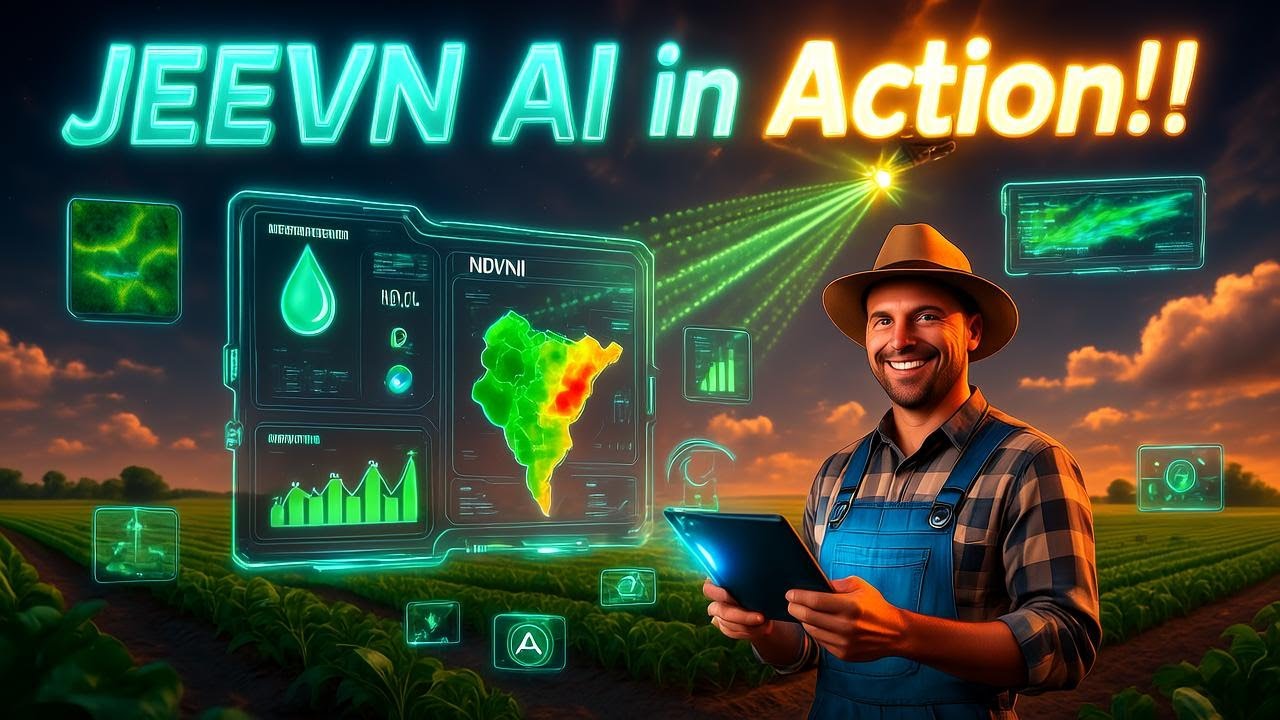
- 🧠 Receive AI-driven fertilizer and irrigation advice with our Jeevn AI Advisory System—reducing waste, improving yield, and supporting ecosystem health.
- 🔗 Utilize blockchain traceability for fertilizer and input provenance, supporting safe and verified sustainable supply chains.
- 📉 Track, benchmark, and minimize carbon footprints of fertilizer application with carbon footprinting modules, in alignment with emerging global climate compliance standards.
- 📈 Validate crop health for loans and insurance with satellite-based crop verification, making access to finance easier for growers adopting sustainable practices.
Our apps and APIs make advanced nitrogen management accessible for all—from individual smallholders to government agencies:
- 📲 Access fully mobile and browser-integrated solutions: Farmonaut Web & Mobile App
- 🛠️ Integrate capabilities into your workflow: Farmonaut API (Developer Docs)


Key Insights, Pro Tips, and Common Mistakes
Demand for green ammonia technologies and efficient nitrogen management tools will continue to rise sharply due to tightening climate policies and the global need for resilient, sustainable agriculture.
Optimizing nitrogen fixation—through a combination of biological, industrial, and abiotic methods—is vital for meeting the challenge of feeding a growing, climate-challenged world in 2026 and beyond.
Relying exclusively on synthetic fertilizers without integrating nitrogen-fixing crops or monitoring nutrient cycles risks environmental harm and undermines long-term productivity.
Track soil health and crop nitrogen needs with modern satellite and AI advisory systems to maximize nitrogen use efficiency and minimize environmental risks.
Adopting a balanced approach to nitrogen fixation enables us to reduce dependency on fossil fuel–based inputs and better align with evolving climate and productivity goals.
- ✔ Biological nitrogen fixation dominates in organic, regenerative agriculture and is critical for soil vitality.
- 📊 Industrial fixation powers global food security but must become “greener” to be sustainable in the future.
- ⚠ Abiotic fixation is essential for unmanaged ecosystems and as a buffer in changing climates.
- ✔ Combining monitoring, smart application, and natural methods drives both yield and climate resilience.
- 📉 Best practices include leveraging technology for monitoring and traceability, such as Farmonaut’s carbon tracking and traceability systems.
🌱 Top Sustainable Nitrogen Strategies for 2026:
- 🌿 Integrate legumes and nitrogen-fixing crops to boost biological fixation.
- 💧 Use satellite and AI monitoring (like Farmonaut) for precise, real-time nitrogen management.
- ⚡ Factor in storm-driven nitrogen pulses to avoid over-fertilization on rain-fed land.
- 🛑 Transition to green ammonia sources to reduce emissions from industrial fertilizers.
🛡️ Best Ways to Reduce Nitrogen Loss in Fields:
- ✔️ Test soil nitrogen levels regularly before fertilization.
- 🌱 Rotate crops with high and low nitrogen demand.
- 🚜 Use precision application technologies to minimize overuse.
- 🏞️ Maintain or restore buffer strips around water bodies.
- 🛰️ Employ technologies like Farmonaut for ongoing monitoring and adaptive management.
Ongoing Research & The Future of Nitrogen Fixation
As we move into 2026 and beyond, agricultural research is breaking new ground in all three areas of nitrogen fixation:
- Biotechnology: Ongoing research in synthetic biology aims to expand nitrogen-fixing capabilities to non-legumes, potentially allowing major grains like maize and wheat to fix atmospheric nitrogen themselves.
- Decarbonized Industry: The development of scalable green ammonia plants is accelerating worldwide, with several pilot and commercial facilities already operational, significantly cutting the carbon footprint of fertilizer production.
- Remote Sensing & Digital Tools: Satellite, drone, and AI-based advisory systems—including Farmonaut platforms—are providing high-fidelity data for precision nutrient management, supporting policymakers, farmers, and researchers alike.
- Climate-Adaptive Modeling: Advanced weather and nutrient models are improving our ability to forecast and respond to shifts in abiotic fixation from lightning or precipitation, especially under changing climate conditions.
These developments align with our collective goals of minimizing environmental impacts, improving yields, feeding the world efficiently, and adapting to a changing climate.
FAQ: 3 Ways Nitrogen Can Be Fixed for Plants 2026
- What is nitrogen fixation and why is it important for plants?
- Nitrogen fixation is the conversion of inert atmospheric N₂ gas into biologically usable forms, like ammonia (NH₃) or nitrate (NO₃⁻). It is crucial for plants because most can’t use atmospheric nitrogen directly, yet require large amounts of nitrogen for growth, protein synthesis, and chlorophyll production.
- What are the main 3 ways nitrogen can be fixed for plants?
- The three main ways are: biological fixation (by bacteria with the nitrogenase enzyme), industrial fixation (mainly through the Haber-Bosch process), and abiotic (natural) fixation via lightning and other high-energy atmospheric phenomena.
- How can I make my farm more sustainable using nitrogen fixation methods?
- Integrate nitrogen-fixing crops (like legumes), utilize biofertilizers to harness beneficial bacteria, apply fertilizers based on soil and crop requirements using satellite and AI tools like Farmonaut, and track carbon and nutrient dynamics for compliance and sustainability.
- Is industrial nitrogen fixation harmful to the environment?
- Traditional methods have significant carbon emissions due to fossil fuel–based hydrogen. However, new green ammonia production using renewable hydrogen and advanced monitoring tools are reducing its environmental impact.
- How does Farmonaut help with nitrogen management?
- We provide real-time, satellite-based crop and soil monitoring, AI-driven advisory for smart fertilization, and blockchain traceability and carbon tracking to help optimize nitrogen usage and sustainability—for growers, agribusinesses, and governments globally.
Conclusion: Fixing Nitrogen for a Food-Secure, Sustainable Tomorrow
In summary, the 3 ways nitrogen can be fixed for plants—biologically, industrially, and abiotically—form the foundation of modern agriculture, forestry, and global food systems. Each method carries its unique strengths and sustainability considerations:
- Biological nitrogen fixation is nature’s sustainable powerhouse, essential for organic and regenerative farming.
- Industrial nitrogen fixation enables food security, yet must evolve to use “green” hydrogen and minimize emissions.
- Abiotic natural fixation supports background nutrient cycling in wild and unmanaged landscapes—especially as climate events intensify.
For those in agriculture, forestry, resource management, or environmental policy, optimizing the combination of these nitrogen fixation processes is crucial for increasing yields, protecting ecosystem health, and reaching global climate goals in 2026 and beyond.
At Farmonaut, we are committed to providing satellite- and AI-driven solutions to make nitrogen management smarter, more traceable, and more sustainable worldwide.
Discussion
Questions, corrections or field experience? Share them below. First-time comments are reviewed before they appear, and your email is never published.
No comments yet. Be the first to add a question or your experience.

 Cazlv
Cazlv HIPSAC
 ZOL Zimbabwe
 Juligerm
 AdBio
AdBio MISE Maroc
 Drift-Sense
 NWNS
NWNS Red August Group
 Farm Inc
 WeMe Global
 Agrotoken
 Blue BearX
 Insignito
 Croptimum
 DnCubed
 Field Capacity
 Indosistim Teknologi
 Licence holder · Niger · Gold
 Licence holder · Nigeria · Gold + lithium










