

Decoding Fertilizer Numbers: 30-0-10 Fertilizer Meaning
In modern agriculture, understanding fertilizer formulations is crucial for sustainable farming and high-yield crop management. The 30-0-10 fertilizer meaning lies in its ability to deliver specific nutrient content to crops—the numbers represent nitrogen, phosphorus (as P₂O₅), and potassium (as K₂O) percentages by weight. Fertilizers like 10-0-10, 29 0 10, and more serve distinct roles, supporting optimal crop growth, enhancing soil quality, and enabling precision management practices.
As we move toward 2026 and beyond, the importance of understanding these fertilizer numbers becomes even more pivotal for farmers. With sustainable agriculture at the forefront, making informed decisions on fertilizer selection and application helps meet both yield and environmental goals.

Significance of N-P-K: Nitrogen, Phosphorus, and Potassium in Crop Growth & Soil Management
Every fertilizer label formatted as 30-0-10, 10-0-10, or 29-0-10 communicates three critical primary macronutrients that plants require for robust health:
- Nitrogen (N): The first number. Vital for vegetative growth, driving leaf development, and enabling efficient photosynthesis. Plants demanding swift growth and building rapid biomass—like cereals and leafy vegetables—benefit significantly from high nitrogen content.
- Phosphorus (P), expressed as P₂O₅: The second number. Essential for root development, flowering, and fruiting. In the fertilizer formulations highlighted here (30-0-10, 10-0-10, 29-0-10), the middle number is zero, indicating that phosphorus is excluded or not included in the blend.
- Potassium (K), expressed as K₂O: The third number. Plays a crucial role in strengthening plants by improving water uptake, enhancing disease resistance, and elevating overall hardiness.
For example: A 30-0-10 fertilizer contains 30% nitrogen, 0% phosphorus, and 10% potassium by weight. A 10-0-10 fertilizer means 10% nitrogen, 0% phosphorus, and 10% potassium. Similarly, 29-0-10 fertilizer meaning is 29% N, 0% P, 10% K.

Why Use Fertilizers Without Phosphorus?
Phosphorus is essential for crop development—yet applying it unnecessarily can create significant environmental concerns, particularly in modern, resource-intensive agriculture. Fertilizers formulated without phosphorus (meaning that “0” in the middle of formulations like 30-0-10, 10-0-10, and 29-0-10 fertilizer) cater to specific situations:
- Soils Already Sufficient in Phosphorus:
Legacy fertilization, organic matter, or previous applications may leave adequate phosphorus levels in the soil. Re-applying can result in excess phosphorus, which often leads to runoff and the undesirable eutrophication of water bodies. - Crop-Specific Requirements:
Some crops (e.g., certain mature fruit orchards or crops in phosphorus-rich soils) do not require continual supplementation. Instead, they benefit from targeted nitrogen and potassium inputs for sustained growth and yield optimization. - Sustainable Agriculture Compliance:
Many agricultural regions, including parts of the USA and Europe, now restrict the use of phosphorus-containing fertilizers to curb environmental issues. Staying within legal and environmental guidelines is pivotal for modern farming practices.
By targeting nutrient inputs using blends like 30-0-10 fertilizer (high-nitrogen, no phosphorus, moderate potassium), farmers align with sustainable management strategies. This promotes stronger crops, better water outcomes, and helps in achieving optimal yields with environmental responsibility.

Practical Applications: 30-0-10, 10-0-10, and 29-0-10 Formulas
Each fertilizer blend like 30-0-10, 10-0-10, and 29-0-10 has its key strengths and crop-specific uses. Understanding these formulations empowers us to tailor fertilizer input to local soil conditions and crop requirements.
30-0-10 Fertilizer Meaning and Use
- High Nitrogen Content (30%): Fuels rapid vegetative and leafy growth. This is essential for crops like wheat, maize, barley, rice, and other cereals during early growth and biomass accumulation phases.
- Potassium (10%): Ensures plant hardiness, boosts disease resistance, and helps water uptake—crucial for drought-prone regions or sandy soils.
- Zero Phosphorus: Suits fields where phosphorus levels are already sufficient as per soil test results.
-
Common Use Cases:
- Grain crops in nitrogen-hungry soils.
- Vegetable crops in need of early-season push.
- Lawns, turf, and sod production needing quick green-up without excess phosphorus.
Example: Applying 30-0-10 fertilizer after soil tests reveal high phosphorus but low-to-moderate nitrogen and potassium.

10-0-10 Fertilizer Meaning and Use
- Moderate Nitrogen & Potassium (10% each): Provides a balanced approach, ideal for fruiting vegetables (tomatoes, peppers), tubers (potato, sweet potato), citrus, and orchard crops.
- Mature Plant Stages: Useful where excessive nitrogen may hinder flowering or fruit quality. Helps avoid over-stimulating foliage at the expense of yields.
- Lawns, Perennial Beds: Ideal for steady feeding, especially in landscapes with low phosphorus needs.
- Eco-friendly: Supports a sustainable, lower-input approach by reducing over-fertilization risks.

29-0-10 Fertilizer Meaning and Use
- Slightly Lower Nitrogen (29%): Functions similar to 30-0-10, adapted for situations where nuanced nitrogen delivery is needed.
- Potassium (10%): Matches potassium needs for fruit quality, plant structure, and overall crop resilience.
- Flexible Source: May be chosen for cost reasons, availability, or manufacturer preference.
Example: Opt for 29-0-10 over 30-0-10 where fiscal or local supplier constraints exist, but with near-identical field outcomes.



Fertilizer Comparison Table: 30-0-10, 10-0-10, 29-0-10
| Formula | Nitrogen Content (%) | Phosphorus Content (%) | Potassium Content (%) | Typical Crop Applications | Estimated Yield Improvement (%) | Recommended Soil Types | Environmental Impact Level | Sustainability Notes |
|---|---|---|---|---|---|---|---|---|
| 30-0-10 | 30 | 0 | 10 | Grains, cereals, leafy vegetables, turf, pasture grasses | 10-25 | Soils with sufficient phosphorus, moderate-to-low N and K | Medium | High N boosts vegetative growth; zero P reduces risk of runoff and eutrophication |
| 10-0-10 | 10 | 0 | 10 | Fruit trees, tubers, citrus, lawns, ornamentals | 5-15 | Phosphorus-rich or balanced soils | Low | Balanced formula lowers leaching risk, promotes eco-friendly practices |
| 29-0-10 | 29 | 0 | 10 | Similar to 30-0-10, adaptable to local supplier availability | 9-20 | Well-tested soils with phosphorus sufficiency | Medium | Slightly lower N than 30-0-10; fits sustainable regimens with marginal N needs |
Role in Sustainable Farming Practices for 2026+
The future of agriculture lies in sustainable, science-backed decisions that balance yields with environmental stewardship. Using targeted fertilizer blends, such as 30-0-10 fertilizer, 10-0-10 fertilizer, and 29-0-10 fertilizer, helps address key modern farming challenges:
- Efficient Nutrient Management: By applying nutrients according to true soil needs, farmers avoid wastage and unnecessary environmental loading.
- Cost and Resource Savings: Optimized blends lower input costs and support sustainable profitability, especially when used alongside soil testing or satellite-guided advisory systems.
- Reduced Phosphorus Runoff: Formulas with “0” phosphorus are invaluable for regions with runoff concerns, directly supporting water conservation and aquatic health.
- Regulatory Compliance: Phosphorus bans and regulations are now common in local laws (such as the Florida Fertilizer Ban).
- Improved Yields with Fewer Inputs: Matching nutrient supply to crop requirement leads to healthy, resilient plants and optimal production.

Integrating Satellite Technology for Fertilizer Optimization
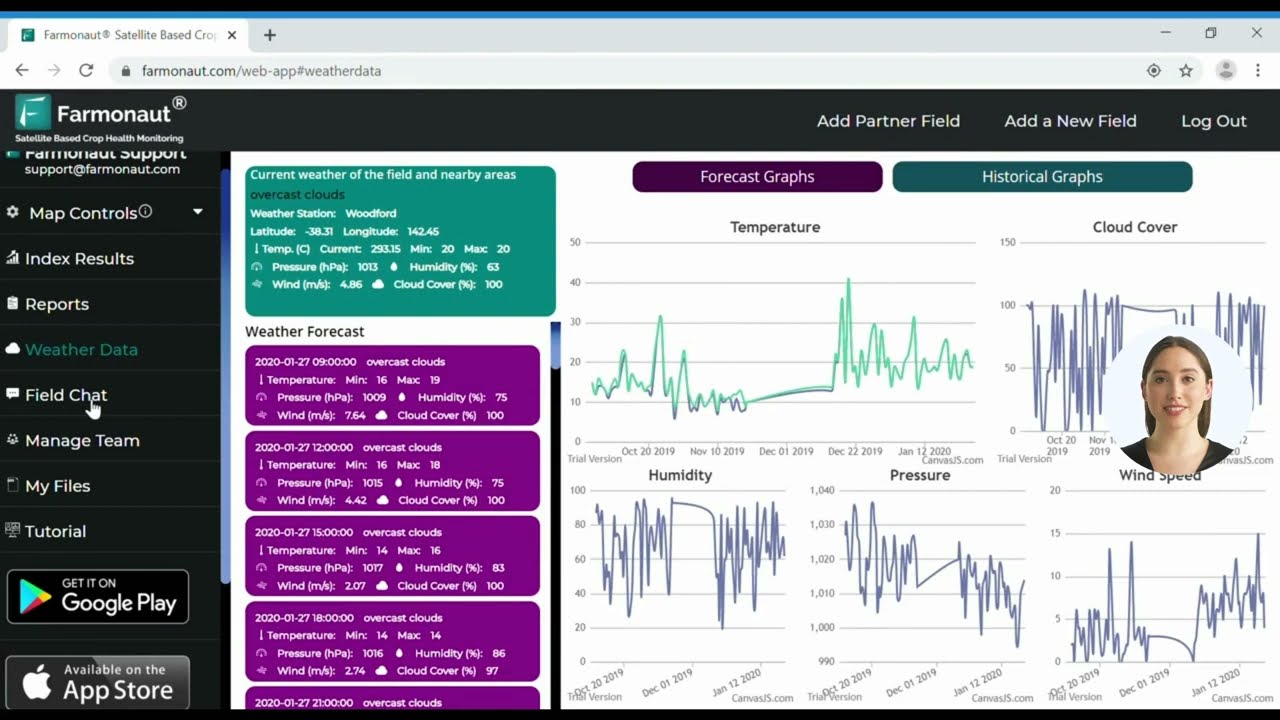
Precision in fertilizer management now includes leveraging satellite-based agricultural insights. Platforms such as Farmonaut empower users to:
- Access real-time monitoring of crop health—including NDVI and other vegetation indices—to identify nutrient deficiencies or stress.
- Utilize AI-based advisory systems (such as Jeevn AI) for dynamic recommendations on fertilizer choice, timing, and rates, particularly for deciding when to switch from high nitrogen content to moderate input formulas.
- Incorporate blockchain for traceability and transparency in fertilizer usage and resource management.
- Monitor the carbon footprint of fertilization practices using Farmonaut’s carbon footprinting tool to measure, track, and reduce the environmental impact of farm operations.
Farmonaut’s modular API (https://sat.farmonaut.com/api) and developer documentation (see here) enable agronomists and digital platform providers to steer fertilizer inputs with precision, maximizing efficiency and sustainability.
Best Practices with 30-0-10, 10-0-10, and 29-0-10 Fertilizer Blends
Getting the most from 30-0-10, 10-0-10, and 29-0-10 fertilizers depends on following best agronomic and environmental practices:
- Soil Testing First: Always begin with a reputable soil test to ascertain actual phosphorus reserves. Avoid “just-in-case” applications.
- Match Fertilizer to Crop Need: Use high nitrogen blends for rapid biomass (grains, leafy veggies); opt for balanced or lower-nitrogen formulas for fruiting crops, tubers, and maturing orchards.
- Time Applications Strategically: Reserve 30-0-10 and 29-0-10 for early-season or pre-flowering surges, then reduce N as the crop matures.
- Combine with Organic Matter: Integrate compost or organic fertilization to improve soil structure and sustainability, while using synthetic blends for targeted nutrient supply.
- Monitor and Adjust: Use satellite platforms such as Farmonaut to track real-time crop health, making in-season adjustments as needed.
- Avoid Overapplication: Excess fertilization doesn’t increase yields indefinitely—runoff and leaching threaten both profits and the environment.
- Adopt Resource Management Tools: Digital and satellite tools improve efficiency and traceability across the farm, ensuring every fertilizer input serves an agronomic purpose (see Fleet Management and Large Scale Farm Management).
Pro Tip: To maximize both yield and sustainability, integrate satellite-based crop loan & insurance verification to reduce economic risk when investing in new fertilizer regimes.
Frequently Asked Questions (FAQ)
1. What does the “30-0-10” fertilizer mean?
It means the fertilizer contains 30% nitrogen, 0% phosphorus (as P₂O₅), and 10% potassium (as K₂O) by weight. It’s specifically designed for situations where phosphorus isn’t limiting and the main focus is on supplying ample nitrogen and potassium.
2. When should I use a fertilizer with zero phosphorus like 30-0-10 or 10-0-10?
Use these fertilizers when soil tests show adequate or excessive phosphorus levels, or for crops that do not require further phosphorus–especially in environmental zones where phosphorus runoff is a concern.
3. Can these blends be used for all crops?
No. While they are versatile, blends like 30-0-10, 10-0-10, and 29-0-10 are ideal for crops primarily needing nitrogen and potassium. For crops in phosphorus-deficient soils or crops highly responsive to phosphorus (like legumes and some root crops), a fertilizer with phosphorus should be considered.
4. How do I know if my soil needs phosphorus?
Conduct a comprehensive soil test through a certified lab. This assessment will reveal the current macronutrient levels, empowering you to tailor fertilizer inputs using a precision approach.
5. How does potassium support crop development?
Potassium in these blends supports strong water uptake, improves disease resistance, increases overall plant durability, and enhances fruit/tuber quality.
6. Are there digital tools to help me manage my fertilizer usage efficiently?
Absolutely. Advanced satellite monitoring platforms like Farmonaut offer real-time crop insights, weather data, AI-based advisory, and resource management features for effective, sustainable fertilizer use and traceability.
7. What about the environmental impact of over-fertilization?
Overuse of nitrogen and especially phosphorus leads to runoff, water pollution, and eutrophication. Using the correct blend, following best management practices, and leveraging technology reduces negative impacts and supports long-term farm viability.
8. How can satellite data help determine the right fertilizer?
Satellite data can identify crop stress, nutrient-deficient areas, and fertilizer inefficiencies—allowing you to apply products like 30-0-10 or 10-0-10 only where needed. This approach maximizes efficiency and sustainability in crop inputs and management strategies.
Farmonaut: Satellite-Based Agriculture Subscriptions
Satellite technology integrated with AI delivers the utmost precision in crop monitoring, resource management, and environmental impact tracking. Our subscription model ensures affordability for farms of every scale.
Conclusion & Summary: Understanding Fertilizer Formulations for a Sustainable Future
Decoding the meaning behind fertilizer formulations like 30-0-10, 10-0-10, and 29-0-10 empowers farmers toward more effective, sustainable, and environmentally conscious management of farm inputs for 2026 and beyond. These high-nitrogen, high-potassium, zero-phosphorus blends are tailored to meet crop and soil requirements in situations where phosphorus is sufficient. The optimal use of these formulas not only supports sustainable agriculture but also improves yields, safeguards water quality, and reduces production costs.
The integration of satellite-based advisory systems, resource management tools, and digital traceability—delivered through platforms like Farmonaut—enables users to implement best practices in real-time. This tech-driven, data-backed approach equips agriculture for the challenges and expectations of the future, fostering high quality produce and ecological responsibility.
For those looking to proactively manage fertility, Farmonaut’s crop plantation and forest advisory offers valuable, accessible solutions to maximize farm outputs while prioritizing sustainability.
Access advanced, sustainable agriculture insights with Farmonaut—on the web or your mobile device today.

 Kisanwala
 Agro La Gándara
 Global Agrifood
 HIPSAC
 ZOL Zimbabwe
 Juligerm
 AdBio
AdBio MISE Maroc
 NWNS
NWNS Red August Group
 Farm Inc
 WeMe Global
 Agrotoken
 Blue BearX
 Insignito
 Croptimum
 DnCubed
 Field Capacity
 Indosistim Teknologi
