

Agriculture Partnerships: Top 5 Agri Innovation Trends 2026
“In 2023, over 60% of agri innovation partnerships focused on regenerative farming for sustainable agriculture solutions.”
Introduction: Why Agriculture Partnerships Matter in 2026
As the agricultural sector stands at a transformative crossroads in 2025 and beyond, the urgent need to enhance sustainability, improve productivity, and confront climate change challenges has never been more pronounced. At the center of this evolution are agriculture partnerships, especially those committed to fostering agri innovation partnerships that pave the way for regenerative, resilient, and sustainable food systems.
The rise in complexity across modern farming — tighter regulations, shifting markets, unpredictable weather, and escalating environmental constraints — has illuminated a persistent truth: No single entity can innovate or implement systemic solutions effectively in isolation. As a result, collaborative models that bridge the expertise of technology providers, researchers, policymakers, and farmers are rapidly gaining traction across global agriculture.
This blog explores the essential role of agriculture partnerships, agri innovation partnerships, and regenerative agriculture technology partnership trends set to reshape farming in 2026, delivering actionable insights for those aiming to thrive in an era dominated by environmental and digital transformation.

The Paradigm Shift: Collaboration at the Core of Agricultural Evolution
The last decade has witnessed an accelerated emergence of agriculture partnerships as pivotal drivers of progress. By bringing together diverse resources and expertise from public and private sectors, as well as academia and local farming communities, these collaborations facilitate rapid knowledge exchange, technology deployment, and the tailoring of innovative solutions to local and global agricultural demands.
Agriculture, by nature, is a system of interconnected dependencies—between crops and soil, technology and farmers, science and tradition. In the context of 2026, agricultural partnerships are no longer optional; they are central to driving sustainability, productivity, and resilience in the face of complex global challenges.
The rise of agri innovation partnerships in particular—collaborations focused on integrating digital platforms, precision technologies, robotics, AI, and sustainable practices—signals a collective understanding: Future food systems must be both productive and restorative, delivering profits without sacrificing environmental health or food security.
“By 2026, sustainable agriculture partnerships are projected to boost resilient food systems in more than 80 countries worldwide.”
Top 5 Agri Innovation Trends 2026 Shaped by Partnerships
As we look toward 2026, specific agri innovation trends are becoming dominant, each powered by strategic agriculture partnerships, agri innovation partnerships, and technology-driven alliances that enable the agricultural sector to adapt, scale, and sustainably feed a growing population.
Here are the Five Leading Agri Innovation Trends for 2026 – each trend represents a fusion of research, deployment, and collaboration, designed to meet the urgent needs of modern farming.
Comparative Table: 2026 Agri Innovation Trends
| Trend Name | Estimated Adoption Rate (2026) | Key Sustainable Benefits | Example Partnerships | Estimated Environmental Impact (1-10) |
|---|---|---|---|---|
| Precision Agriculture | 70% | Optimizes inputs, minimizes waste, increases yield per resource, conserves water & soil health | Agri-tech & satellite platforms, digital analytics collaborations | 8 |
| Regenerative Practices | 55% | Restores soil vitality, sequesters carbon, enhances biodiversity, reverses degradation | Soil health coalitions, custodianship alliances | 9 |
| Agri-Biotech Solutions | 60% | Accelerates crop adaptation, improves disease resistance, reduces chemical dependency | Academic & commercial R&D partnerships | 7 |
| Digital Farm Management | 80% | Enables data-driven decisions, streamlines resource use, enhances traceability | Satellite & IoT alliances, integrated app ecosystems | 8 |
| Circular Economy Models | 40% | Recycles byproducts, reduces waste & emissions, repurposes farm inputs | Circular food system networks, recycling tech alliances | 10 |
1. Precision Agriculture Technologies
The first and most mature trend on our list is Precision Agriculture. Adopted across approximately 70% of large-scale producers by 2026, precision agriculture is made possible through agriculture partnerships involving satellite providers, tech companies, research institutions, and agricultural advisors.
- Precision Agriculture utilizes digital monitoring, AI, analytics, and sensor-based systems to provide farmers and agri-enterprises with:
- Real-time data on soil health and crop conditions
- Variable-rate input application (fertilizers, water, pesticides)
- Automated equipment guided by GPS and AI
- Yield mapping, heat/water stress detection, and targeted pest management
- The result: Increased yields with minimal environmental impact, optimized input costs, and improved food traceability.
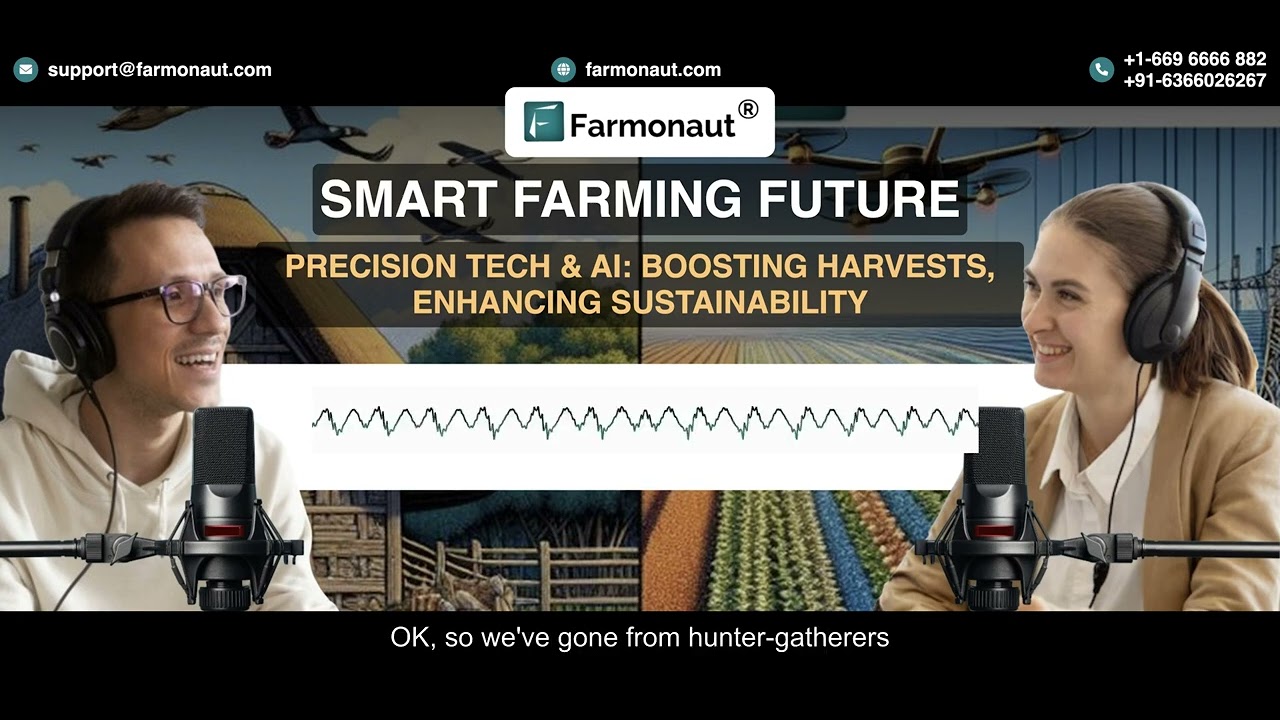
There is a direct correlation between the adoption of precision agriculture tools and improved input efficiency, promoting more sustainable, resilient farming systems and aligning with global environmental and productivity goals for 2026.
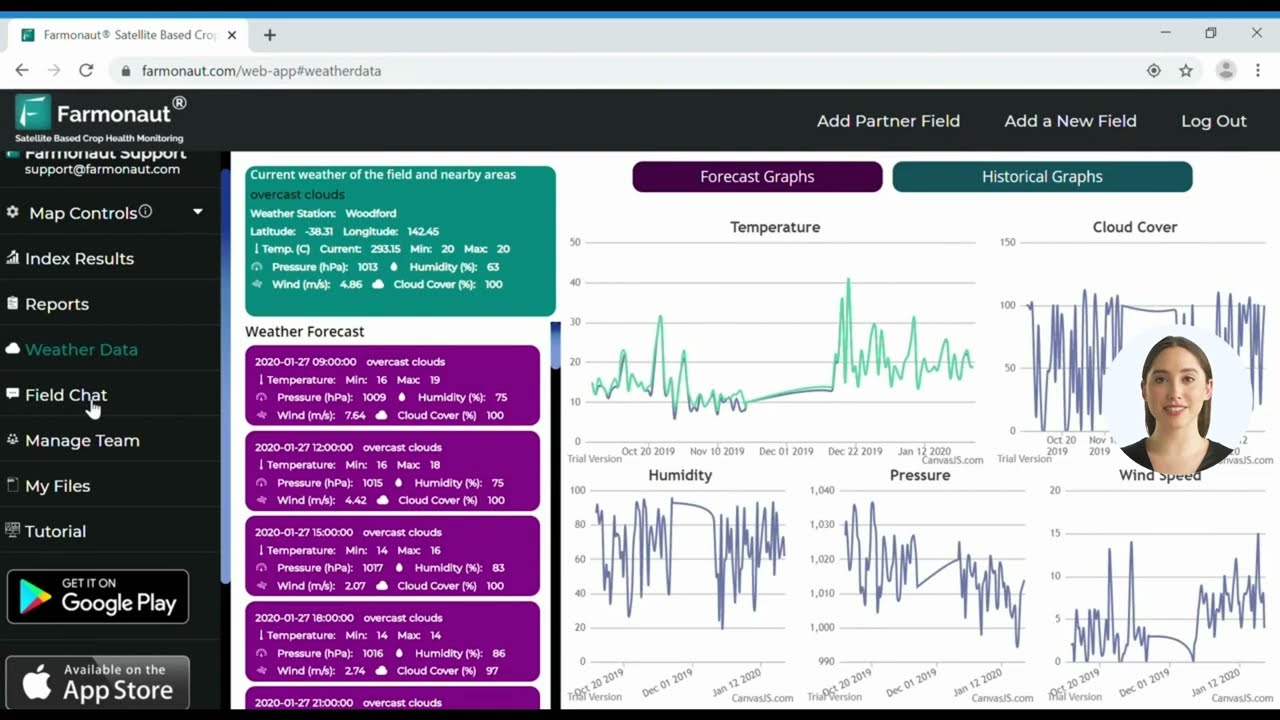
If you want to digitally monitor your crops via satellites and AI, platforms such as Farmonaut are driving accessibility—with comprehensive satellite-based crop health, vegetation, and soil condition monitoring across Android, iOS, and web apps. Learn how to monitor your farm using satellite & AI.

Precision tools: Drones, AI-driven recommendations, satellite remote sensing, and IoT systems all synchronize to support tailored advisory and operational efficiency.
- For large area management and enterprise-scale monitoring, Farmonaut Large-Scale Farm Management empowers agricultural businesses with advanced mapping, analytics, and productivity dashboards.
- Crop loan and insurance verification using satellite data is becoming crucial for financial institutions, leveraging remote sensing to validate claims, improve lending, and reduce risks.
2. Regenerative Agriculture Practices
As we move beyond simply minimizing harm, Regenerative Agriculture emerges as the most environmentally restorative trend anticipated to reach 55% global adoption by 2026. Through farming practices that restore soil, increase carbon sequestration, and enhance biodiversity, regenerative models are rapidly gaining ground as the gold standard for sustainable production.
- Core components: Cover cropping, diverse crop rotations, integrated livestock management, minimal tillage, composting, and agroforestry
- These practices are quantified and improved through soil health monitoring, AI-powered analytics, and digital advisory systems offered by satellite technology companies.
-
Farmers utilizing these systems are able to:
- Track and optimize soil organic matter
- Reduce input dependency (fertilizers, pesticides)
- Boost long-term productivity by rejuvenating degraded land
- Increase resilience to drought, pests, and climate change
- Capture and store more carbon—mitigating agriculture’s climate impact
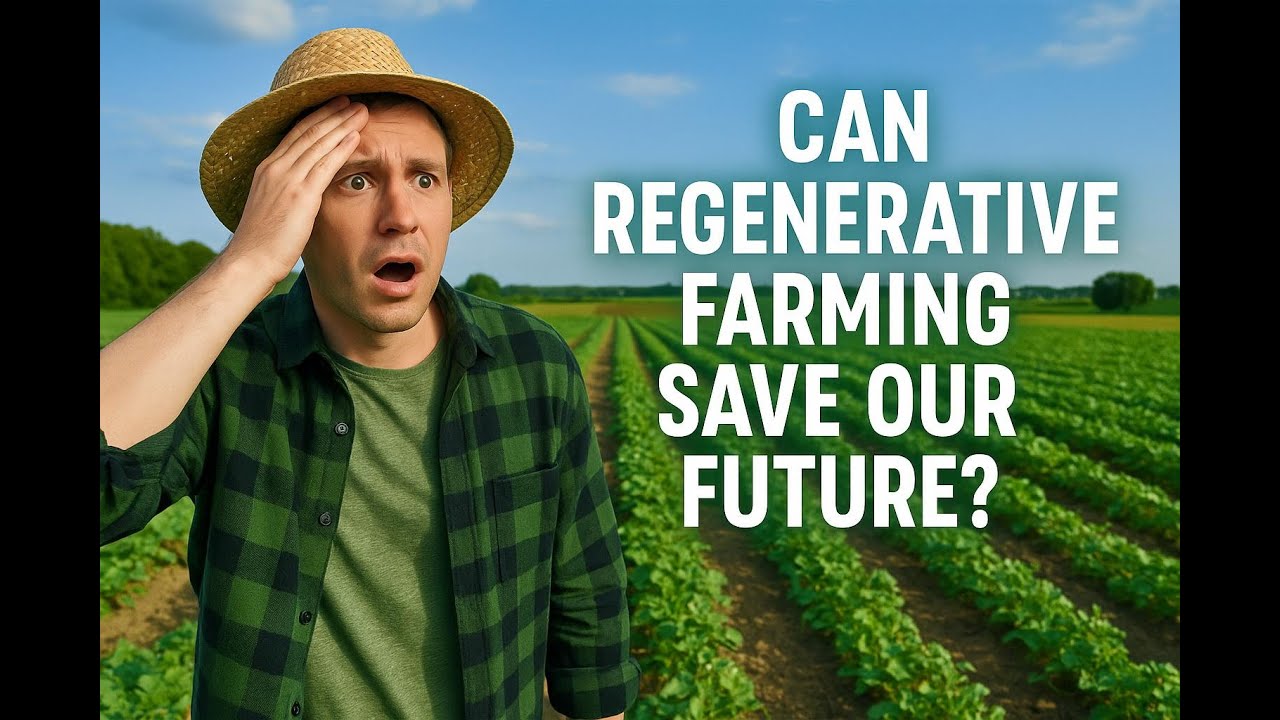
Soil health is not just a buzzword—it’s the foundation for a regenerative, sustainable farming future. Partnerships in 2026 will be geared toward integrating real-time monitoring, digital management platforms, and agronomic expertise to seamlessly transition traditional systems into regenerative ones.
Are you focused on tracking and boosting your farm’s soil organic carbon, a leading indicator of regenerative transition? Farmonaut offers carbon footprinting and soil organic carbon monitoring tools for food producers, helping them track progress and unlock sustainability-linked incentives.
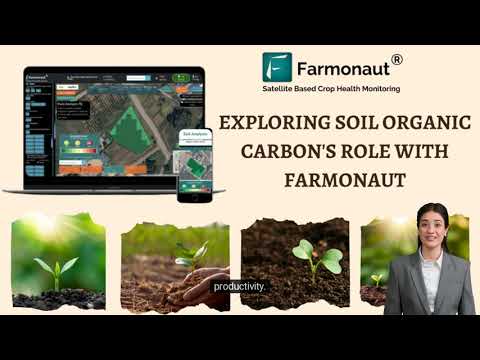

Benefits: Higher water retention, improved soil fertility, drought and pest resilience, enhanced microbial activity, and higher farm profitability without compromising ecosystem integrity.
Want to take the next step? Farmonaut’s Traceability tools enable businesses to verify regenerative practices and communicate authentic sustainability credentials along the supply chain.
3. Agri-Biotech Solutions
Agri-Biotech Solutions represent the convergence of biological science, genetics, and digital innovation to create drought-resistant, pest-resistant, and nutrient-efficient crops. By 2026, it is projected that over 60% of new crop varieties in major food production regions will originate through advanced collaborations between research institutions and biotechnology enterprises.
- Innovations include: Gene editing (CRISPR), microbiome engineering, smart seed coatings, and biofertilizers.
- Benefits: Increased yield stability under erratic weather, lower reliance on chemical inputs, disease resistance, resilience to soil and climatic stressors.
- Environmental Impact: Enhanced biological pest management, reduced greenhouse gas emissions, and improved food system diversity.
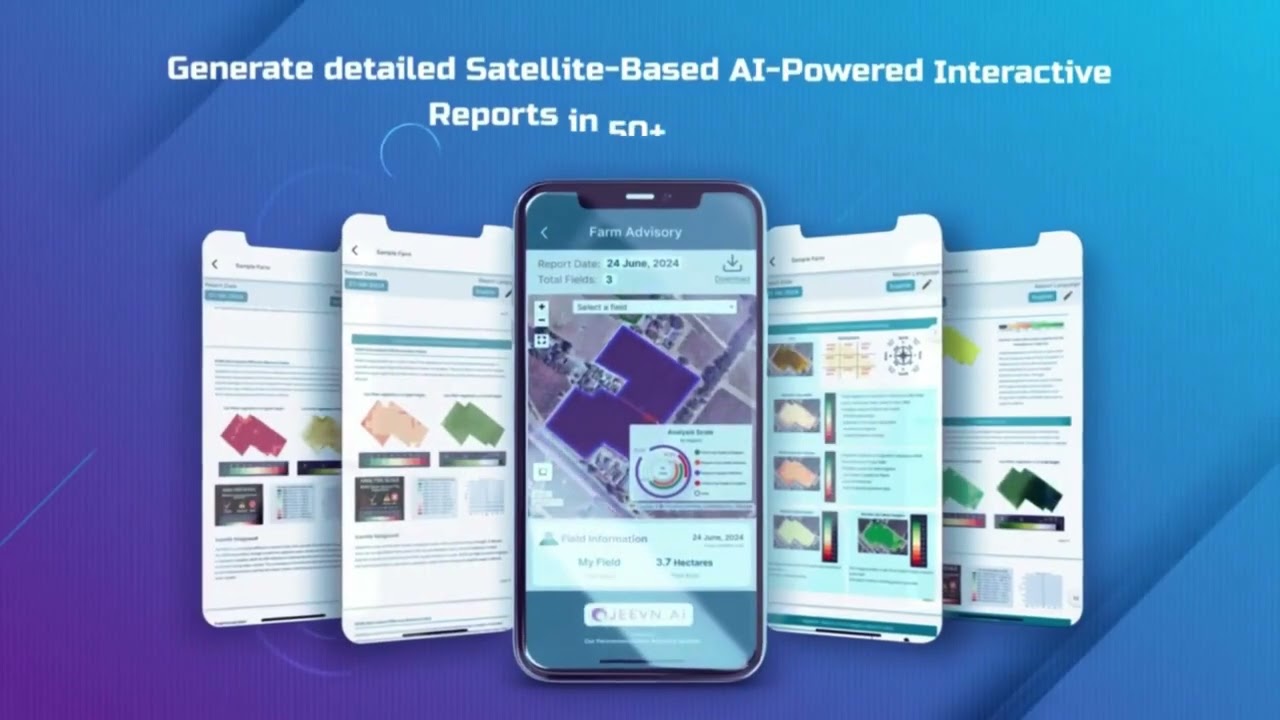
The intersection of AI, genetics, and digital analytics fast-tracks seed development, allowing farmers access to varieties precisely calibrated to their unique soil, weather, and management conditions.
Supply chain and provenance matter more than ever. Farmonaut’s Blockchain-Based Traceability solution ensures that food produced using advanced agri-biotech and regenerative methods can be tracked, building consumer trust and transparency.
4. Digital Farm Management & Analytics Platforms
Perhaps the most universally adopted innovation by 2026, Digital Farm Management Systems and Analytics Platforms are the digital backbone of the agricultural transition. With an estimated 80% adoption rate in commercial farming, digital technologies are accelerating the deployment of best practices, optimizing every stage of the agricultural cycle.
- Digital platforms integrate satellite imagery, AI-powered advisory, blockchain traceability, and resource management dashboards.
- Benefits: Streamlined input management, reduced costs, predictive advice based on weather and market trends, and improved compliance reporting.
- Traceability: Secure, blockchain-backed records enable lender/insurer verification, downstream food safety, and sustainability certifications.
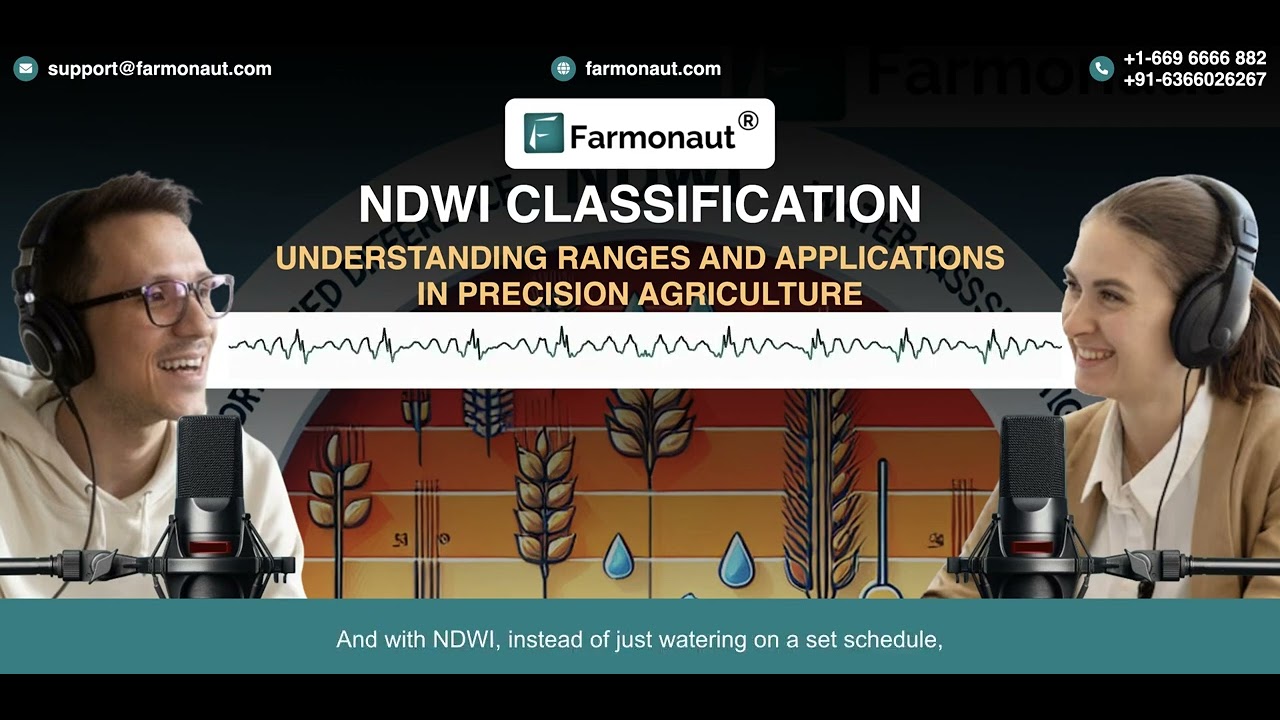
Water resource optimization—a pressing concern amid volatile weather in 2026—is rapidly addressed via satellite NDWI (Normalized Difference Water Index) monitoring plans. These allow producers to monitor irrigation effectiveness and mitigate drought stress with Farmonaut’s AI-driven platform.
Digitalization is also redefining logistics and resource allocation: Fleet and Resource Management solutions like those on the Farmonaut platform allow agri-businesses to track equipment, plan operations, and execute maintenance more efficiently – reducing costs and environmental footprint.


5. Circular Economy & Resource Efficiency in Agriculture
The Circular Economy is rapidly reshaping the environmental footprint of agriculture. By 2026, at least 40% of major producers are expected to adopt circular resource management—driven by policy incentives, market demands, and joint innovations from industry and research collaborations.
-
Circular agriculture reduces waste, recycles byproducts, and repurposes organic and non-organic outputs:
- Livestock manure as fertilizer for crops
- Crop residues recycled into animal feed, compost, or bioenergy
- Renewable energy generation from farm waste
- Water reuse and nutrient recapture through integrated aquaculture
- Net result: Significantly reduced emissions, improved soil health, and greater farm profitability by closing resource loops.
- This trend delivers a high environmental impact score (10/10) and aligns with global sustainability goals now central to large-scale procurement and regulatory frameworks.
Further Key Drivers of Agri Innovation Partnerships
- Tighter regulations: Environmental standards are pushing producers toward more transparent monitoring and reporting—accelerating the adoption of integrated digital platforms.
- Shifting market demands: Consumers are prioritizing food produced with minimal ecological footprints and transparent traceability.
- Volatile weather conditions: With climate change driving increasingly unpredictable seasons, only robust, data-driven, and resilient farming systems will remain viable.
- Artificial intelligence & robotics: These enable farm automation, predictive modeling for input deployment, and the rapid scaling of regenerative practices across varied geographies.
- Blockchain and Supply Chain Innovation: Transparency and trust are indispensable in the global food system, enabled by blockchain-integrated digital platforms.
- Access to Finance & Insurance: Verified, satellite-driven data is unlocking financial tools for farmers, de-risking agricultural lending and crop insurance with platforms like Farmonaut’s crop loan and insurance verification.
Addressing Climate & Environmental Challenges through Innovation
Climate change remains the single greatest threat to resilient food systems. By joining forces through cross-sector partnerships and innovation alliances, the sector can both mitigate its carbon footprint and adapt to increasingly extreme weather patterns.
- Carbon farming and sequestration: Restoration and monitoring of soil organic carbon are amplified with carbon footprint solution providers, enabling climate-smart land management and participation in emerging carbon markets.
- Pest and disease monitoring: Early warning systems and AI-driven recommendations help mitigate losses, ensure food security, and reduce chemical input dependence.
- Biodiversity enhancement: Integrating natural habitats and agroforestry increases farm resilience and promotes beneficial species.
Farmonaut: Advancing Satellite-Powered, Data-Driven Agriculture Innovations
At Farmonaut, we are committed to making advanced, satellite-based agricultural technology affordable and accessible for farmers, businesses, and governments globally. Our real-time crop monitoring, AI advisory, blockchain traceability, and resource management platforms are shaping the future of precision and regenerative agriculture.
- Satellite Monitoring: We use multispectral imagery with NDVI, soil analytics, and structural monitoring—giving unparalleled visibility across all stages of farming, from planting to harvest.
- AI & Digital Advisory: Jeevn AI delivers personalized, actionable recommendations based on satellite insights and weather analytics.
- Blockchain-based Traceability: We provide supply chain transparency, ensuring product authenticity and supporting sustainability claims.
- Fleet & Resource Management: Our tools power logistics, equipment tracking, and cost optimization for agri-enterprises.
- Environmental Monitoring & Compliance: Real-time tracking of carbon emissions and environmental indicators, helping users meet tighter global sustainability demands.
Ready to get started?
Explore our satellite imagery API for integration, or dive into the developer documentation for tailored applications in precision agriculture, resource monitoring, and farm advisory.
FAQ: Agriculture Partnerships & Agri-Innovation in 2026
What are agriculture partnerships and why are they important?
Agriculture partnerships are collaborative relationships between farmers, technology providers, researchers, and policy institutions, designed to pool resources and expertise. They are crucial for rapidly implementing innovation, advancing sustainability, and building resilient food systems capable of meeting modern challenges.
How do agri innovation partnerships promote sustainability?
Agri innovation partnerships leverage advanced technologies—AI, big data, precision equipment, biotech, and digital platforms—to optimize resource use, restore soil health, integrate climate-resilient practices, and minimize environmental impacts across production systems.
How is regenerative agriculture different from traditional sustainable agriculture?
Regenerative agriculture goes beyond simply minimizing harm. It actively improves soil, biodiversity, and climate resilience, turning farms into carbon sinks and ecosystems that repair degraded landscapes, as opposed to just reducing negative impacts.
What is the role of digital platforms like Farmonaut in agriculture partnerships?
Farmonaut offers real-time satellite monitoring, AI-based advisory services, and blockchain traceability to empower farmers, businesses, and policymakers with actionable, data-driven insights—enabling informed decision-making, enhanced productivity, and better compliance with environmental goals.
How can farmers measure and manage their carbon footprint?
Through digital tools like Farmonaut’s Carbon Footprinting platform, farmers can monitor, quantify, and improve soil organic carbon levels, enabling participation in carbon markets and access to sustainability-linked finance.
What is the significance of blockchain-enabled traceability in agriculture?
Blockchain traceability (as with Farmonaut’s solution) ensures authenticity, prevents food fraud, and delivers transparent records—serving retailers, processors, and consumers seeking credible sustainability claims.
How does digital farm management enhance productivity and sustainability?
By centralizing operational data, automating monitoring, optimizing inputs, predicting weather or disease outbreaks, and tracking compliance—all with minimal manual paperwork—digital platforms assist in scaling best practices and ensuring profitable, eco-friendly farming.
How can agri-business fleets and machinery be managed efficiently?
Solutions like Farmonaut’s Fleet and Resource Management offer logistics optimization, maintenance planning, and resource efficiency, supporting cost-effective and responsible operations for agribusinesses.
Where can I access Farmonaut’s platform and developer APIs?
Farmonaut’s web, Android, and iOS apps make advanced agricultural satellite insights accessible worldwide. Developers can integrate satellite data with our API and learn more through our developer documentation.
Conclusion: Charting a Resilient, Productive Future through Agriculture Partnerships
As 2026 approaches, the agricultural sector continues to evolve at a rapid pace—driven by agriculture partnerships, innovation alliances, and regenerative practices that serve planetary and population needs alike. By leveraging technology, big data, collaborative models, and a deep commitment to sustainability, agriculture stands ready to shape a future in which productivity and environmental health go hand in hand.
Whether you are a farmer, agribusiness, policymaker, or food system stakeholder, the time to embrace innovation-driven collaboration is now. The success of future food systems depends on our collective willingness to adapt, experiment, and scale what works—for our farms, our food, and our planet.
Discussion
Questions, corrections or field experience? Share them below. First-time comments are reviewed before they appear, and your email is never published.
No comments yet. Be the first to add a question or your experience.

 Farms Easy
 Rouge VC
 Yutz Automation
 AgroGreen Dynamics
 AgroRisk
 Oath Inc
 Reddane Farming
 Esri North East Africa
 Cresol
 Atur Kuliner
 MDCV UK
 Zerella Group
 Etech Consulting Madagascar
 Vestlandsforsking
 Delicio
 WB Dev
 Sama Premium
 Prochecker
 Tres Valles
 LACOS Geoinformation
 Magrifly
 LatConnect 60
 Blickwinkel
 Exploration consultancy · South Africa · Gold
 Licence holder · Niger · Gold










