

7 Powerful Innovations for Sustainable Management: Boosting Efficiency, Equity & Resilience in Agriculture, Forestry, and Mining
Understanding Sustainable Resource Management
Sustainable management sits at the core of agriculture, forestry, and mining.
The stakes are high—impacting soil health, biodiversity, community livelihoods, and overall ecosystem resilience.
Innovation in these primary sectors must align with environmental stewardship, equity, and economic resilience. That balance is:
- Ecological: Minimizing waste, protecting biodiversity and water.
- Social: Ensuring fair opportunities and benefits across communities.
- Economic: Enhancing efficiency, reducing input costs, and supporting long-term productivity.
Integrating innovative interventions with sustainable management practices can simultaneously enhance efficiency, environmental stewardship, and social equity in agriculture, forestry, and mining.
The Importance of Innovation in Primary Sectors
Primary sectors such as farming, forestry, and mining face growing environmental pressures—from climate stress to market volatility.
Innovation is not optional; it is vital for these sectors to withstand shocks, lower input costs, enhance soil health, and improve productivity—without harming future generations’ prospects.
- ✔ Efficiency: Reduces resource waste and input costs while maximizing outputs.
- ✔ Resilience: Builds adaptive capacity to withstand climatic and economic disruptions.
- ✔ Equity: Opens opportunities for smallholders and marginalized communities through accessible solutions.
Let’s dive into seven powerful innovations shaping the future of sustainable resource management in agriculture, forestry, and mining.
1. Precision Agriculture Technology – Efficiency & Stewardship for Modern Farming
Precision agriculture exemplifies how technology transforms sustainable management in farming.
Integrating sensors, drones, satellite imagery, and advanced analytics, farmers can now monitor soil, crop health, moisture, nutrient deficiencies and stress in near real time.
This data-driven approach enables targeted irrigation, fertilization, and pest control – lowering input costs, mitigating chemical runoff, and minimizing harm to waterways and biodiversity.
- 📊 Data Insight: Real-time monitoring can reduce water and fertilizer usage by up to 20% while maintaining or increasing crop yields.
- ✔ Key benefit: Improved environmental stewardship and efficiency for farms of all sizes.
- ⚠ Risk or Limitation: Requires investment in digital tools and training for smallholders.
Use platforms like Farmonaut’s Large Scale Farm Management App for centralized crop monitoring, input planning, and historical data analysis—making precision agriculture affordable and accessible for enterprises and smallholders alike.

Key Features of Precision Ag:
- 🌱 Soil & Crop Sensors: Measure soil moisture, pH, nutrient content, crop stress in real time.
- 🛰️ Satellite Data: NDVI, SAVI, EVI, and GNDVI indices for vegetation health and soil condition monitoring.
- 🚁 Drones & IoT: Rapid field surveying, spot-checking, and targeted applications of inputs.
- ⏱️ Efficiency: Reduces labor, input waste, and ensures timely action based on alerts for crop stress or pest threats.
- 🧑🌾 Equity: Potential to support smallholders via cloud-based, affordable subscription services and extension support.




2. Advanced Forest Monitoring Systems – Protecting Biodiversity and Timber Value
Sustainable forestry pairs timber value with ecosystem services—ensuring markets incentivize environmental stewardship.
Innovations like remote sensing, drones, and AI-driven analytics now deliver real-time forest monitoring for carbon stocks, illegal logging, disease, and disturbance tracking.
These tools support reforestation, afforestation, and biodiversity corridor restoration, while helping to maintain carbon storage and soil stability.
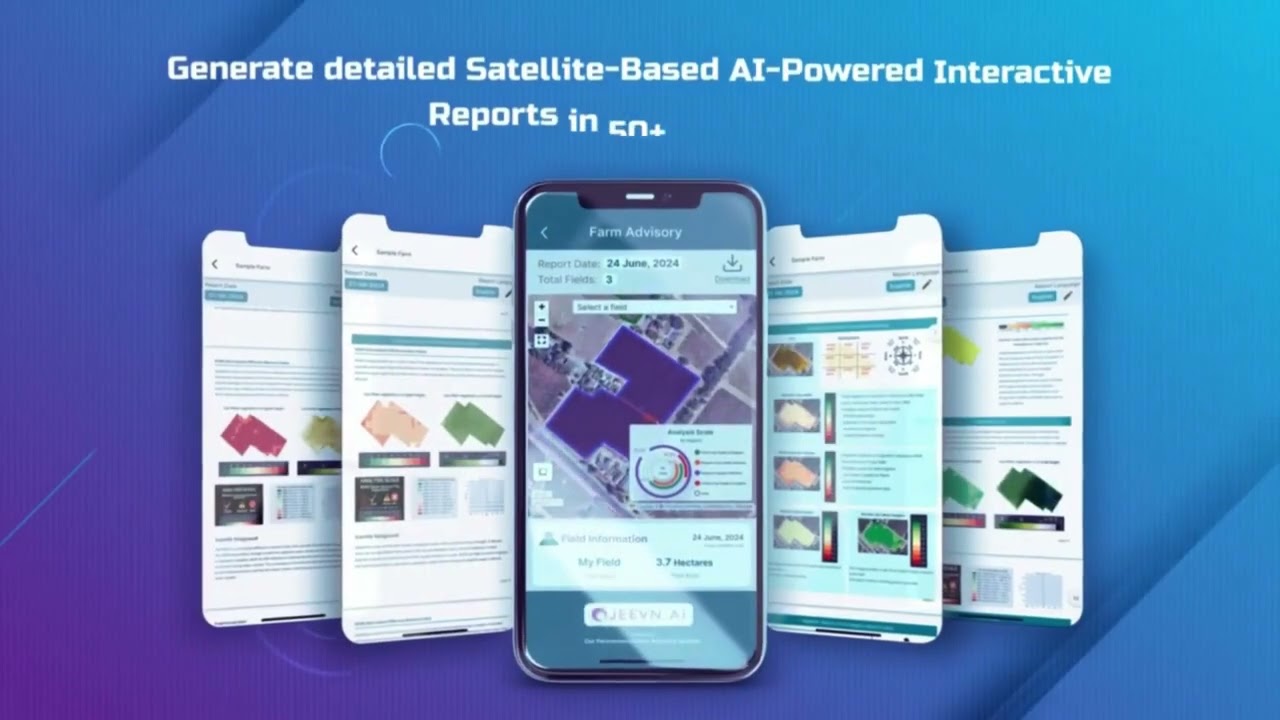
- 🦋 Biodiversity: Mapping habitat health, supporting endangered species, and monitoring deforestation dynamics.
- 💡 Extension Services: Empower small forest holders and Indigenous communities with accessible digital insights.
Smart forest monitoring solutions have demonstrated efficiency improvements of up to 25%, aiding compliance with market-oriented certification standards for legal and sustainable timber.
Certification, Traceability & Community Engagement:
- ✔ Certification audits provide traceable, independent guarantees of responsible forestry practices.
- ✔ Blockchain traceability solutions ensure supply chain transparency from forest to final product.
- ✔ Local & indigenous stakeholder engagement ensures culturally appropriate, rights-based forest management systems.
Learn more about blockchain-based traceability and its applications in forestry, agriculture, and mining for transparent supply chain verification.
3. Climate-Smart Crop Breeding Innovation
Next-generation crop genetics and breeding programs are leading game-changing interventions for sustainable agriculture.
By deploying drought-tolerant, pest-resistant, and nutrient-efficient varieties, farmers can reduce pesticide and fertilizer use, protect soil health, and adjust cropping to diverse climates and extreme weather patterns.
- 🌾 Productivity: Higher, more resilient yields under climate stress.
- 🌱 Soil Health: Less dependency on chemicals = less risk of depletion and build-up in soils and waterways.
- ✔ Equity: Requires robust extension systems to ensure adoption by smallholders—multilingual, context-adapted, and affordable.
- ⚠ Risk: Over-reliance may create genetic bottlenecks; diversity protection and seed banks are needed.

Tip: Combine climate-smart varieties with farm management digital tools for weather advisories and pest risk analytics.
4. Blockchain-Based Traceability – Transparency Across Resource Chains
Blockchain-based traceability systems bring new levels of transparency and trust to the primary sectors—from farm to fork, timber to timber product, and ore extraction to end-use metal.
By logging every transfer, input, and inspection, blockchain secures data integrity, deters fraud, and ensures compliance with governance standards for quality and sustainability.
- 🔗 Supply Chain Integrity: Record every change of custody—chemical applications, mining batches, and timber harvest lots.
- 🤝 Confidence: Buyers and regulators trust the authenticity of products, supporting markets for verified sustainable goods.
- 🌍 Circularity: Blockchain records can support material recycling and downstream waste management.
Discover the use cases and benefits of Farmonaut’s product traceability platform, used for agriculture, mining, and forestry verification and compliance.
5. Water Resource Management and Efficiency
In farming, forestry, and mining, water management is critical to resource sustainability.
Innovations include remote soil moisture sensors, satellite-based rainfall mapping, and AI-based irrigation scheduling.
Efficient use, storage, and recycling of water can prevent ecosystem degradation, reduce input waste, and protect vulnerable communities during droughts and growing climate variability.
- 💧 Quantitative Resource Savings: Precision irrigation can reduce water use by 20–30% while maintaining yields.
- 📊 Data Insight: Satellite-based monitoring identifies micro-droughts, leaks, and inefficient application in real time.
- 🕊️ Ecosystem Support: Well-managed water minimizes runoff—protecting waterways and biodiversity corridors.
- ⚠ Risk: Lack of access to digital tools may leave vulnerable communities behind; policy and extension support are essential.
- 🛰️Remote Sensing
- 💧Sensor-Based Moisture Analytics
- 🌧️Rainwater Harvesting
- 🔄Closed-Loop Recycling
Ignoring runoff risks. Even with advanced technology, failure to monitor and manage runoff can undermine ecosystem health and community trust.
6. Sustainable Mining Innovations
Mining pushes the limits of technological advancement for resource management, safety, and ecological restoration.
Modern mining operators are deploying real-time satellite monitoring, automated equipment and fleet systems, and AI-powered advisory platforms like Jeevn AI for operational safety, ore yield optimization, and environmental stewardship.
Water stewardship (through closed systems and advanced treatment), careful tailings management, and post-extraction reclamation are now essential industry standards.

- 🔋 Energy Efficiency: Automated equipment and advanced ore processing reduce energy use by up to 15%.
- 💦 Water Recycling: On-site treatment and reclamation minimize external effluent and safeguard downstream ecosystems.
- 📈 Market Readiness: Sustainable-certified minerals command a premium with buyers seeking ethical sourcing.
Read more about the Farmonaut Fleet Management solution for mining and agriculture, optimizing logistical efficiency, equipment use, and operational costs.

- 🌍Resource Circularity
- 💡AI-driven Yield Optimization
- 📡Real-Time Environmental Monitoring
- 🔙Land Reclamation & Restoration
7. Ecosystem Restoration and Carbon Footprinting
The transition to resilient primary sectors is not possible without proactive restoration and measurable carbon footprint reduction.
Afforestation, reforestation, and ecological restoration reclaim degraded land, improve carbon sequestration, stabilize soil, and reconnect wildlife habitats.
Carbon accounting and footprinting tools enable businesses, communities, and regulators to set realistic goals, track actual reductions, and maintain market and regulatory legitimacy.
- 🌳 Soil Health Benefit: Restoring organic matter and stable carbon pools builds resilience to drought and erosion.
- 🥇 Market Access: Verified carbon compliance becomes essential for market entry and green financing.
Discover more about Farmonaut’s Carbon Footprinting solution—helping you quantify, manage, and reduce your operational emissions in agriculture and mining.
Comparative Innovation Impact Table
This table summarizes the impact of each discussed innovation on key sustainable management metrics for agriculture, forestry, and mining.
| Innovation Name | Primary Sector Targeted | Estimated Efficiency Improvement (%) | Soil Health Benefit | Estimated Resource Savings | Equity/Accessibility Rating | Environmental Impact Score |
|---|---|---|---|---|---|---|
| Precision Ag Technology | Agriculture | 18–30% | High | Water: 20–30% Fertilizer: 10–25% |
Medium–High | Very Positive |
| Advanced Forest Monitoring | Forestry | 15–25% | High | Reduced illegal logging (qualitative improvement) | High | Very Positive |
| Climate-Smart Crop Breeding | Agriculture | 12–22% | High | Reduced inputs (15% less chemicals) | Medium–High | Positive |
| Blockchain Traceability | Agri, Forestry, Mining | 10–15% | Medium | Fraud reduction, secure trade | High | Very Positive |
| Water Resource Efficiency | Agri, Mining, Forestry | 20–28% | High | Water: 20–30% | Medium–High | Very Positive |
| Sustainable Mining Innovation | Mining | 15–22% | Low–Medium | Energy: 12–16% Water: 20–28% |
Medium | Positive |
| Ecosystem Restoration (Carbon Tracking) | Agri, Forestry, Mining | 10–15% | High | Restored land, carbon credits | High | Very Positive |
- 🟢 Innovation in primary sectors supports resilience and climate adaptation for vulnerable communities.
- 🟢 Soil health is foundational—restoring organic matter improves fertility, carbon storage, and drought tolerance.
- 🟢 Blockchain traceability bridges equity gaps, empowering smallholders with secure access to global markets.
- 🟢 Resource efficiency is highest when integrated with local knowledge systems and robust policy frameworks.
- 🟢 Sustainable management requires governance and stakeholder collaboration for lasting, scalable change.
Diversity in crop, forest, and mining management practices enhances resilience, enabling them to withstand climate shocks and market fluctuations without compromising environmental health.
Embedding Latest Technologies for Stakeholder Success
New technology platforms, such as AI advisories, blockchain traceability, fleet optimization, and real-time satellite monitoring, are transforming sustainable resource management for stakeholders of all sizes—whether smallholders, business enterprises, or regulators.
- Satellite-based verification: Crop Loan and Insurance accelerates access to finance with remote farm verification and fraud reduction for both agriculture and mining.
- AI-Powered Advisories: Tailored weather, irrigation, and input recommendations bolster yield and risk management for farmers and mining operators alike.
- Fleet Management: Fleet monitoring optimizes routes, machinery longevity, and reduces fuel costs in large-scale farms and mines.
- Carbon Monitoring: Farmonaut’s Carbon Footprinting helps quantify, manage, and reduce emissions, ensuring regulatory and ethical compliance in agriculture, mining, and forestry.
- Field & Plantation Advice: Field & Forest Plantation Advisory delivers science-based, site-adapted recommendations for optimal, sustainable land use.
Real-time monitoring is not just for large enterprises. Through Farmonaut’s app suite, even individual smallholders can access satellite-based monitoring, traceability, and extension services for a low monthly fee.
Balancing Innovation and Sustainability – Key Pillars
The path to sustainable management in agriculture, forestry, and mining rests on three core pillars:
- Efficiency: Integrate technology and data for resource savings, lower input costs, and reduced waste across all sectors without compromising productivity.
- Resilience: Build systems capable of absorbing market, weather, and social shocks by diversifying crops, maintaining genetic diversity, and supporting community risk mitigation strategies.
- Equity: Ensure access to innovations for all—especially smallholders, indigenous stakeholders, and vulnerable communities—through culturally appropriate extension services and affordable business models.
Innovations creating inclusive access to extension, finance, or monitoring are increasingly driving value in sustainable investment portfolios for agriculture, forestry, and mining.
Farmonaut’s Satellite Solutions for Primary Sectors
At Farmonaut, we provide affordable, scalable satellite-based and AI solutions spanning agriculture, forestry, mining, and allied industries. Our platform bridges knowledge gaps and drives the adoption of best management practices.
- • Satellite Monitoring (NDVI, Soil, Forest, Mining): Multispectral imagery for vegetation health, soil stress, mining reclamation, and infrastructure tracking.
- • AI Advisory (Jeevn): Data-driven decision support, weather risk analysis, and operational optimization for precision farming and mining.
- • Blockchain Traceability: Transparent, fraud-resistant supply chains for agriculture, forestry, and mining outputs.
- • Environmental Impact Tracking: Live carbon monitoring and emissions analytics (learn more).
- • Fleet and Resource Management: Tools for scheduling, usage optimization, and safety across logistics and operational fleets.
Access the power of remote monitoring on your device:
Integrate Farmonaut’s satellite and weather data feeds directly into your business systems with our robust API and developer documentation. Ideal for agtech, mining analytics, or government dashboards.
Farmonaut Subscription Plans
Explore our flexible, affordable subscriptions for farms, forests, and mines of every size:
Assuming new technology solutions are too expensive for smallholders. Modern satellite and AI tools can be tailored for farms of any size, with pricing that scales to budget and needs.
FAQs on Innovation and Sustainable Management
What is the most impactful innovation for sustainable farming?
Precision agriculture—integrating satellite imagery, soil sensors, and AI-driven decisions—delivers the highest resource savings and supports both soil health and yields.
Extension and accessibility are key to its success for smallholders.
How can blockchain traceability benefit primary sector producers?
It ensures transparent, fraud-resistant records of product origin, quality, and sustainability, helping both large enterprises and individual smallholders access premium markets and fair prices.
Can sustainable mining and forestry practices boost economic outcomes?
Yes. Efficient resource use, legal compliance, and environmental certification not only lower costs but also meet increasingly demanding market and consumer standards.
Is it possible to quantify and reduce operational carbon footprints in agriculture?
Absolutely. Tools like Farmonaut’s Carbon Footprinting track emissions, guide land restoration, and support compliance with market incentives and regulations.
Where can I get support to implement these innovations?
Farmonaut’s platforms offer apps, APIs, and robust extension services to support agribusinesses, miners, and foresters in deploying the latest innovations quickly, affordably, and effectively.
By balancing innovation and sustainability, and adopting resource-efficient technologies with equity and environmental stewardship, primary sectors can thrive while protecting the foundational ecosystems and communities on which we all rely.
Explore innovative, sustainable management solutions by starting today with Farmonaut’s apps: empowering you to monitor soil health, safeguard resources, and support resilient, equitable livelihoods across farming, forestry, and mining.

 Godrej Agrovet
 Hayleys Agriculture
 Linx Agritech
 Adinet
 Save Your Soils
 GalaxEye Space
 Grandstream Algérie
 XOS Realty
 Geospatial Lab Africa
 Agro La Gándara
 HIPSAC
 ZOL Zimbabwe
 Juligerm
 AdBio
AdBio MISE Maroc
 NWNS
NWNS Red August Group
 Farm Inc
 WeMe Global
 Agrotoken
 Blue BearX
 Insignito
 DnCubed
 Indosistim Teknologi
 Liquify Digital
 CU Foods
 BeyondTech Global
 Rouge VC
 AgroRisk
 Oath Inc
 Esri North East Africa
 MDCV UK
 Etech Consulting Madagascar
 Vestlandsforsking
 WB Dev
 Sama Premium
 Tres Valles
 Blickwinkel
 Agricultural Credit Policy Council
 eKGIS
eKGIS Mostas Tech
 Andex
Andex Deluxe Conseil
 WICO
WICO Chimera Innovation
 SkyHarvest
 Teledarbas
 Exurbia Geospatial
 FieldZero
