

Contents
- Introduction: The Importance of Sustainable Land Management
- Trivia: Land Management Boosts Yields
- Comparative Table: Sustainable Land Management Strategies
- 1. Prioritize Soil Health for Sustainable Productivity
- 2. Enhance Water Stewardship
- 3. Foster Biodiversity & Ecosystem Services
- 4. Commit to Restoration & Progressive Reclamation
- 5. Build Climate Resilience and Manage Risk
- 6. Advance Economic and Social Benefits & Livelihoods
- 7. Integrated Best Practices Across Sectors
- Farmonaut’s Satellite-Driven Land Management Solutions
- Trivia: Efficient Water Management Reduces Use Up to 50%
- Strategy Effectiveness Comparison Table
- Key Insights, Pro Tips & Common Pitfalls
- Frequently Asked Questions
7 Powerful Ways for Sustainable Land Management
“Sustainable land management can increase crop yields by up to 79% in degraded soils worldwide.”
“Sustainable land management can increase crop yields by up to 79% in degraded soils worldwide.”
The health and productivity of our land is not just the foundation of agriculture and forestry, but it also underpins infrastructure, mining, and nearly every ecosystem across the planet. As global populations grow, climate variability intensifies, and extractive industries evolve, the urgent need for sustainable land management becomes clear.
This comprehensive, focused article explores seven powerful strategies for safeguarding land, soil health, and the productivity and resilience of systems spanning agriculture, forestry, and mining. Each strategy presented herein is evidence-based, designed for practical implementation, and tailored for diverse landscapes and sectors. Whether you are a policy maker, landowner, farm manager, forestry professional, or mining operator, these sustainable strategies and best practices will support you in maximizing yields, reducing risk, and ensuring the longevity of your shared resources.



Sustainable Land Management: Safeguarding Productivity Across Sectors
Land is a shared, finite resource that underpins not only food and forest yields but also the extractive industries and infrastructure that support modern economies. Effective management of land combines soil health, water governance, biodiversity protection, and landscape-scale planning to sustain yields, safeguard ecosystems, and reduce risk.
- ✔ Sustainable practices are universal in their core principles but require sector-specific strategies to address unique challenges in farming, forestry, and mining.
- 📊 Data-driven solutions support higher productivity and resilience, reduce erosion, and support rehabilitation efforts.
- ⚠ Declining soil and water quality increases financial and operational risk to all land-intensive sectors.
- 📈 Integrated management supports long-term benefits by improving carbon sequestration, fostering community livelihoods, and stabilizing ecosystems.
Comparative Table: Sustainable Land Management Strategy Effectiveness
| Land Management Strategy | Soil Health Improvement | Water Efficiency | Biodiversity Impact | Applicability (Agri/Forestry/Mining) | Major Implementation Considerations |
|---|---|---|---|---|---|
| Cover Cropping | High | Moderate | Moderate to High | Agriculture, Some Forestry | Climate suitability; crop selection and rotation planning. |
| Rotational Grazing | High (with proper implementation) | High | High (prevents overgrazing) | Agriculture, Some Forestry | Requires management expertise; adjusts to livestock type and density. |
| Agroforestry | High | High | Very High | Agriculture, Forestry | Land tenure, species selection, and long-term investment. |
| Water Harvesting | Moderate | Very High | Moderate | Agriculture, Mining, Forestry | Topography suitability, initial investment, maintenance. |
| Reclamation & Rehabilitation | High (post-disturbance) | High (improves infiltration) | High (restores habitats) | Mining, Infrastructure, Agriculture | Progressive approach, regulatory compliance, topsoil sourcing. |
| Erosion Control (e.g., contour farming, terracing) | High | High (reduces runoff) | Moderate | Agriculture, Mining, Forestry | Site-specific design, ongoing maintenance, expertise needed. |
| Integrated Pest Management (IPM) | Moderate | Moderate (reduces chemical use) | High | Agriculture, Forestry | Training for identification and control methods, ongoing monitoring. |
✔ 7 Essential Sustainable Land Management Practices
- Cover Cropping – Boosts organic matter & soil health
- Rotational Grazing – Reduces overgrazing, improves productivity
- Agroforestry – Integrates trees and crops for biodiversity
- Water Harvesting – Ensures stable water supply, enhances drought resilience
- Reclamation – Restores degraded soils in mining and infrastructure
- Erosion Control – Reduces soil loss, sustains land health
- Integrated Pest Management – Minimizes chemical use, sustains ecosystem services
1. Prioritize Soil Health for Sustainable Productivity
Soil Health forms the bedrock of land productivity for agriculture, forestry, and mining-adjacent landscapes. Healthy soils harbor a thriving microbial ecosystem that drives organic matter decomposition, improves water retention, and supports crop, tree, and vegetation growth.

Why does soil management matter?
Soils that are degraded by erosion, excessive tillage, nutrient mining, or contamination lose their ability to hold water, nourish plants, and buffer extreme weather. This leads to lower yields, poor resilience, and higher risk of land abandonment.
Key Soil Health Factors:
- ✔ Soil organic matter: Improves fertility, water retention & structure
- ✔ Microbial activity: Supports nutrient cycling & plant resilience
- ✔ Stable aggregates: Reduce risk of compaction & erosion
- ✔ pH balance: Maintains nutrient availability & crop vigor
Examples of Soil-Improving Practices:
- 🌱 Conservation agriculture (minimal disturbance)
- 🌾 Permanent soil cover (mulch, crop residues)
- 🌻 Crop rotation and diversified planting
- 🌿 Addition of compost or green manure
Farmonaut’s satellite monitoring can help users and businesses track soil health, vegetation vigor (NDVI), and organic matter changes in near real time. This empowers you to identify degraded zones, monitor erosion, and implement soil restoration before larger interventions become necessary.

Practices that build soil organic matter (such as no-till, cover crops, organic amendments) can raise water retention by up to 30% and increase resilience to climate variability, benefiting both agriculture and forestry sectors.
2. Enhance Water Stewardship Across Land, Forestry, and Mining Operations
“Efficient water management practices can reduce agricultural water use by 20-50% without sacrificing productivity.”
Water, like soil, is absolutely critical to sustainable land management and productivity across all sectors. The availability and quality of water underpins healthy farming systems, robust forestry, and the viability of mining and infrastructure projects.
Best Practices for Water Management:
- Efficient irrigation (Precision farming tools & carbon footprinting): Swap flood irrigation for drip, sprinkler, or scheduled irrigation to maximize water use efficiency.
- Rainwater harvesting: Install storage ponds, tanks, or surface catchments to retain rainfall for dry seasons, strengthening resilience.
- Soil moisture monitoring: Use remote sensing and AI-based advisory systems to irrigate only when and where needed (reducing waste and risk of salinization).
- Watershed protection: Maintain buffer zones and vegetation in source regions to regulate flows, prevent flood risk, and safeguard water infiltration.
- Tailings and groundwater containment: Especially in mining and infrastructure, ensure containment of slurry and contaminants for protection of downstream ecosystems.

Farmonaut’s satellite-based NDWI and soil moisture tools allow for continuous monitoring of water availability and irrigation scheduling. This reduces the risk of overwatering, supports climate resilience, and helps stakeholders adapt to changing weather.

Many land managers invest in irrigation upgrades without first assessing soil health—neglecting the fact that poor soil structure can lead to wasted water and lower overall efficiency. Integrated soil and water management always wins!
3. Foster Biodiversity & Sustain Ecosystem Services
Biodiversity is both an outcome and a driver of land resilience. Diverse systems buffer against extreme weather, aid pest control, improve pollination, enhance soil structure, and sustain yields by increasing ecosystem services.
- ✔ Agroforestry and intercropping introduce multiple plant types, reduce pest outbreaks, and provide habitat for beneficial insects in agriculture and forestry.
- 🌳 Conservation buffers (hedgerows, riparian strips) filter runoff, provide wildlife corridors, and stabilize terrain near infrastructure and mining zones.
- 🦋 Mixed-aged stands in forests foster resilience to disease and improve growth over time.
- 🌾 Protecting remnant vegetation minimizes the ecological footprint of extractive operations and expedites reclamation success.
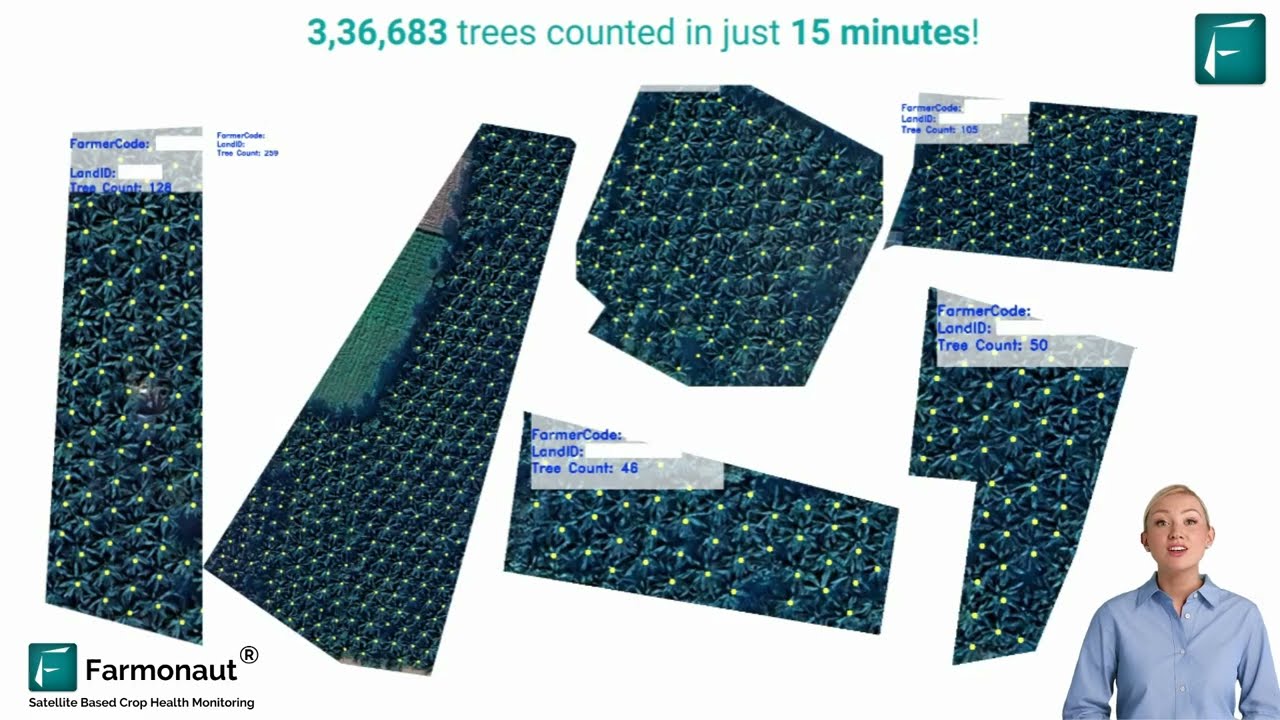
Farmonaut provides AI-driven advisory solutions that support landscape-level planning, tree cover mapping, and risk assessments for biodiversity. This enables land managers to align farming, forestry, and post-mining restoration with local ecosystem goals.
4. Commit to Restoration & Progressive Reclamation
Land restoration and rehabilitation are pivotal in mining, infrastructure, and degraded agricultural and forestry settings. Restoration means reversing erosion, rebuilding soil structure, and returning land to productive or natural states.
- ✅ In mining and large civil projects, use progressive reclamation: restore areas as operations proceed, not only after closure.
- ✅ Recontour topography, replace topsoil, and establish native vegetation to reduce runoff, protect water, and speed up ecosystem recovery.
- 📊 In farming, apply targeted organic amendments, reintroduce cover crops, or adopt perennial systems to restore low-yield soils.
Farmonaut’s monitoring platform provides near real-time reclamation tracking, ensuring management teams and stakeholders can adapt restoration strategies and demonstrate compliance with environmental standards.
5. Build Climate Resilience and Manage Risk
Climate extremes—intensified droughts, floods, and temperature swings—pose mounting risks to land and infrastructure. Sustainable land management is essential to buffer yields, maintain system stability, and ensure infrastructure remains viable under changing conditions.
- 🌱 Diversified cropping: Spreads risk, protecting against total failure due to any single weather event.
- 🌳 Protective forestry: Reduces wind and water erosion, stabilizes soils, and regulates microclimates around key landscapes.
- ⚡ Climate-smart infrastructure: Designs that account for future stressors, such as flood-resistant runways and tailings dams in mining or aviation.
- 📡 Early warning systems: Use satellite monitoring and AI to predict weather risks—see Farmonaut’s large-scale farm management and advisory tools.

Nature-based solutions (NBS) like wetland restoration, afforestation, and managed buffer zones further provide carbon sequestration, stormwater regulation, and support for local communities.
- Carbon market participation: Sustainable land managers can monetize carbon sequestration activities to generate new economic benefits.
- Reduced insurance premiums: Proactive climate adaptation reduces both risk and the cost of capital for operations vulnerable to climate extremes.
“Efficient water management practices can reduce agricultural water use by 20-50% without sacrificing productivity.”
6. Advance Economic & Social Benefits for Land Stewardship
Long-term land management isn’t just good for the environment—it drives economic benefits, strengthens livelihoods, and fosters stable communities. Efficient land use translates into less input waste, improved productivity, and reduced exposure to fluctuating commodity prices or regulatory risk.
- ✔ Higher yields and more reliable output for farmers, foresters, and mining operators.
- 💡 Enhanced access to loans and insurance via satellite-based verification and monitoring tools.
- 📊 Transparent, traceable supply chains via blockchain and end-to-end traceability solutions.
- 🌱 Community engagement: Stakeholders co-design land management plans for stronger social buy-in and local adaptation.
- 🌍 Reduced environmental liabilities attract impact investors and sustainability-linked finance.
Social equity, community engagement, and knowledge transfer are as critical to land restoration success as technical strategies. Well-designed outreach aligns incentives and multiplies the longevity of positive change.
7. Integrated & Adaptive Land Management Practices
The most effective land management systems combine tactics to address multiple goals—productive yields, climate resilience, restoration, and social inclusion. Integration ensures synergies between soil, water, biodiversity, and economic well-being.
- ✔ Conduct baseline assessments: Use satellite and field data to assess soil, water, and biodiversity status before planning.
- ✔ Develop sector-specific, site-adapted plans that still align with landscape-level objectives.
- ✔ Apply phased rehabilitation and progressive reclamation. Monitor outcomes and adapt as conditions evolve.
- ✔ Train local teams in best practices and emerging technology (Farmonaut resource management tools).
- ✔ Engage local communities and stakeholders early and often for sustained success.
Some land restoration projects fail due to “silver bullet” thinking—choosing a single solution for complex, landscape-level challenges. Integrated, adaptive approaches tailored to local realities always deliver more sustained results.
Farmonaut’s Satellite-Driven Land Management Solutions
At Farmonaut, we empower users across agriculture, forestry, mining, and infrastructure sectors to sustain land productivity, reduce risk, and enhance resilience using advanced satellite technology. Our technology blends real-time satellite data, artificial intelligence, and blockchain to deliver actionable insights for soil and water management, biodiversity and reclamation planning, and supply chain transparency.
- 🌎 Satellite-based Monitoring: Assess vegetation vigor, soil health, and restoration status for landscapes of any size.
- ⚙️ AI-based Advisory Systems: Receive weather forecasts and management tips that align with changing soil, water, and climate conditions.
- 🔗 Blockchain Traceability: Secure, transparent tracking for agriculture and mining supply chains.
- 📱 Fleet & Resource Management: Optimize logistics and machinery use for reduced waste and improved safety.
- 🌱 Environmental Impact Monitoring: Quantify carbon footprint and support ecosystem-based land management.
We offer a scalable, subscription-based system accessible via web, Android, and iOS apps—making sustainable land insights accessible globally.
For businesses and developers: Explore the Farmonaut API to directly integrate satellite-based land monitoring into your systems.
Read the Developer Docs for seamless technical onboarding and best-practice integration.
Key Insights, Pro Tips & Common Pitfalls
Frequently Asked Questions: Sustainable Land Management
1. What is sustainable land management, and why is it important?
Sustainable land management refers to a set of practices and strategies that enhance the productive capacity of land (soil, water, and natural resources) while protecting ecosystems, supporting biodiversity, and meeting social and economic needs. It is crucial because it ensures the long-term health and productivity of land across agriculture, forestry, mining, and infrastructure.
2. How can I assess whether my land needs restoration?
Indicators include declining yields, increased erosion, reduced water retention, visible loss of topsoil, poor plant health, or contamination. Satellite-based tools like Farmonaut’s platform can help monitor these land health parameters in near real-time.
3. Which are the most effective sustainable practices for soil health?
- ✔ Cover crops and mulching
- ✔ No-till/conservation farming
- ✔ Diversified crop rotation
- ✔ Addition of organic matter (manure, compost)
- ✔ Targeted use of natural amendments based on soil analyses
4. What role does technology play in sustainable land and water management?
Technology—especially satellite-based systems, AI analytics, and blockchain traceability—supports better decision-making, enables precise resource management, reduces input waste, expedites restoration, and documents compliance for regulators and investors.
5. Where can I find more resources about integrating sustainable practices?
Resources are available via global organizations (FAO, UNEP), government extension, local NGOs, and digital platforms—plus advanced tools, actionable insights, and focused guidance from Farmonaut’s satellite-driven land management platform.
Conclusion: Sustainable Land Management for a Resilient Future
The path to sustainable land management is a journey that calls for vision, commitment, and adaptability. By putting the seven strategies outlined here into practice—grounded in science and strengthened by technology and community engagement—we support not only the productivity and resilience of landscapes across agriculture, forestry, and mining but also the social and economic wellbeing of future generations.
Unlock smarter, more sustainable land use with Farmonaut’s satellite technology—wherever you are.

 Godrej Agrovet
 Hayleys Agriculture
 Linx Agritech
 Adinet
 Save Your Soils
 GalaxEye Space
 Grandstream Algérie
 XOS Realty
 Geospatial Lab Africa
 Agro La Gándara
 HIPSAC
 ZOL Zimbabwe
 Juligerm
 AdBio
AdBio MISE Maroc
 NWNS
NWNS Red August Group
 Farm Inc
 WeMe Global
 Agrotoken
 Blue BearX
 Insignito
 DnCubed
 Indosistim Teknologi
 Liquify Digital
 CU Foods
 BeyondTech Global
 Rouge VC
 AgroRisk
 Oath Inc
 Esri North East Africa
 MDCV UK
 Etech Consulting Madagascar
 Vestlandsforsking
 WB Dev
 Sama Premium
 Tres Valles
 Blickwinkel
 Agricultural Credit Policy Council
 eKGIS
eKGIS Mostas Tech
 Andex
Andex Deluxe Conseil
 WICO
WICO Chimera Innovation
 SkyHarvest
 Teledarbas
 Exurbia Geospatial
 FieldZero
