

7 Powerful Ways for Sustainable Land & Water Boost: The Ultimate Guide for Agriculture, Forestry, Mining & Infrastructure
“Sustainable land-use planning can increase agricultural productivity by up to 30% while reducing environmental degradation.”
Introduction: Anchoring Sustainable Land, Soil, and Water Practices
In an era where landscape utilization dictates not only the future of agriculture and forestry but also the sustainability of mining, infrastructure, and even defense activities, robust and sustainable planning is essential. The debate is no longer about isolated productivity but the integration and alignment of every decision along the chain—from soil and water management to biodiversity and restoration of natural ecosystems.
Understanding the carrying capacity of land, working within ecological limits, and harmonizing resource extraction with environmental stewardship are not just goals—they are operational imperatives.
Whether in modern farming, silvicultural methods, mineral and gemstones extraction, or large-scale infrastructure projects, optimizing soil and water resources while minimizing risk and protecting habitat is the key to resilient and productive systems.
Integrated soil and water management can cut water usage in agriculture by as much as 40%—a game-changer for productivity and the environment.
This comprehensive guide unveils the seven most powerful ways to sustainably boost land and water outcomes—tailored for a future where every activity, from cropping and grazing to reclamation and high-tech infrastructure, must balance resource needs with ecological integrity.
- ✔ Sustainable planning anchors long-term productivity for all land-based industries.
- 📊 Soil health is the cornerstone of resilient ecosystems and crops.
- ⚠ Poor land management leads to erosion, water loss, and biodiversity decline.
- 🌿 Biodiversity practices enhance ecosystem function and income streams.
- 💡 Advanced technology enables data-driven decisions for optimized stewardship.
1. Strategic Sustainable Land-Use Planning
Land-use planning forms the blueprint for sustainable management across agriculture, forestry, and mining. At its heart, it requires deep understanding of the landscape’s carrying capacity and ecological limits. For farmers and foresters, this means aligning choices—such as crop selection, silvicultural methods, and grazing plans—to match soil health, water availability, and climate resilience.
Key Steps for Effective Land-Use Planning:
- Assess ecosystem services: Identify and map vital functions (e.g., pollination, water purification, soil structure maintenance).
- Integrate compatible land uses: Use integration to combine compatible activities on the same landscape (agroforestry, silvopasture, etc.).
- Balance productivity with restoration: Assign priority zones for production and conservation/restoration.
- Minimize surface disturbance: In mining and infrastructure, select sites carefully to avoid ecologically sensitive areas and prioritize reclamation post-operation.
Integrate remote sensing and GIS data early in your planning process for enhanced spatial analysis and real-time monitoring (see Farmonaut APIs for robust geo-insights).
In urbanizing regions and large-scale projects in sectors like defense or infrastructure, aligning expansion with stakeholder expectations, climate risk assessments, and long-term ecological integrity is non-negotiable.

2. Advanced Soil Health Management: Core Practices
Soil is the engine of all land-based productivity. In agriculture, forestry, and mining reclamation, maintaining and enhancing soil health through targeted practices boosts yields, resilience, and ecosystem function.
Soil Management Methods for Sustainable Outcomes:
- Cover cropping: Enhances organic matter and microbial activity, reduces erosion, and suppresses weeds.
- Reduced tillage: Maintains soil structure, preserves beneficial microbes, and reduces carbon loss.
- Organic amendments: Use of compost, manure, and biochar to improve nutrient cycling and retain moisture.
- Precise nutrient management: Apply only what is needed, minimizing runoff and contamination of downstream ecosystems.
- Healthy root systems: Fostered by the above practices, supporting drought resilience and strong crop yields.
Overtilling breaks down soil organic matter and destroys structure, increasing risk of erosion and
- 🌱 Organic matter is key for carbon sequestration and climate resilience.
- 🚜 Reduced tillage saves energy and protects soil integrity.
- 📉 Cover crops mitigate nutrition depletion and soil compaction.
- 💧 Water infiltration is boosted by healthy soils, reducing drought risk.


3. Efficient Water Resource Management: Precision for a Changing Climate
Water management is at the heart of every resilient and sustainable system. Whether in intensive farming, forestry for watershed protection, or the mining sector (where runoff and effluent are major concerns), efficient planning and technology can reduce risk and environmental degradation while safeguarding communities and the broader ecosystem.
Top Practices for Water Sustainability:
- Precision irrigation: Delivers water exactly where and when plants need it, reducing waste and energy costs.
- Rainwater harvesting: Collects and stores seasonal runoff for use during dry periods.
- Watershed planning: Manages entire hydrological systems to maintain supply and resilience at the landscape level.
- Buffer zones: Vegetated buffers or riparian strips filter sediments and protect downstream water quality.
- Mining-specific controls: Treatment of effluent, strict tailings management, and stormwater capture systems minimize environmental risk.
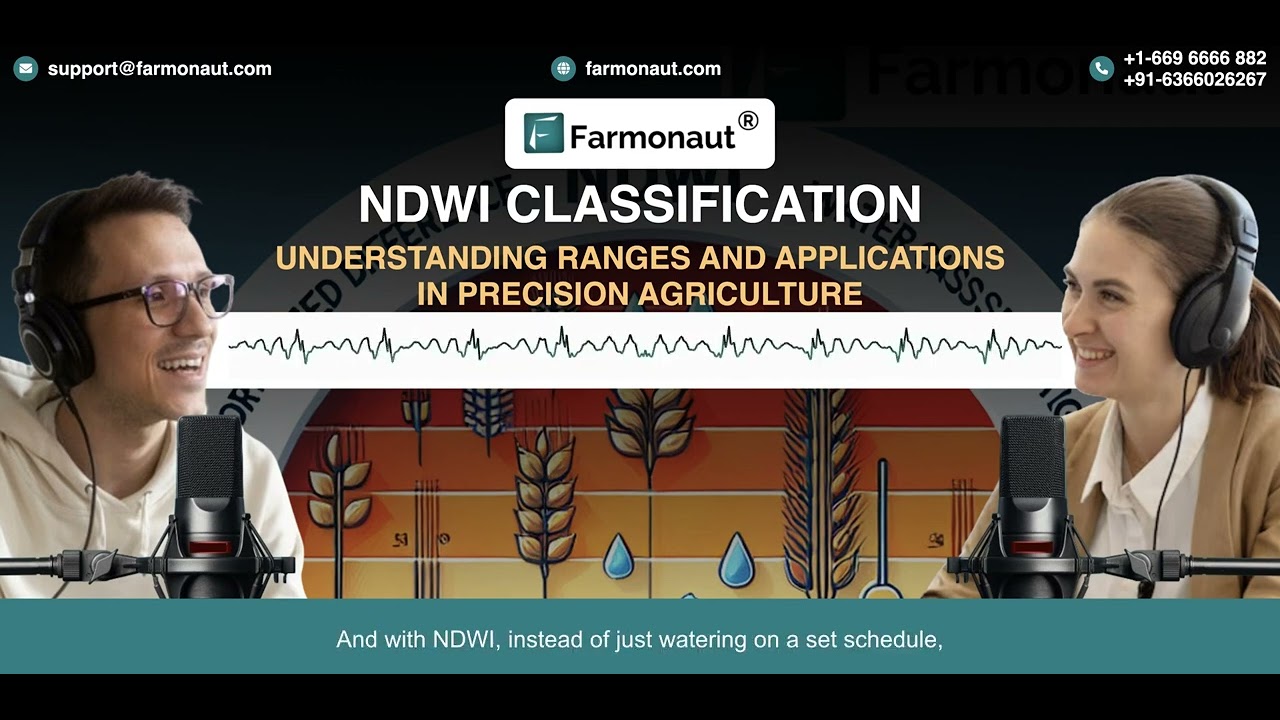
In many agricultural regions, water is now the limiting factor. Integrating NDWI-based monitoring (Normalized Difference Water Index) with large-scale farm management tools delivers actionable intelligence for efficient water management.



- ✔ Soil and water management must operate at both the field and landscape scale to maximize benefits.
- 📊 Rainwater harvesting can supply up to 50% of irrigation needs in some regions.
- ⚠ Poor drainage control is a leading cause of salinization and yield loss.
- 🌎 Buffer zones preserve ecosystem services far downstream.
- 💧 Efficient irrigation boosts resilience during drought years.
In mining, integrate water treatment with carbon footprint monitoring for holistic compliance and sustainability.
“Integrated soil and water management can cut water usage in agriculture by as much as 40%.”
4. Agroforestry Systems: Maximizing Integration and Resilience
Agroforestry—the integration of trees with crops and/or livestock—is a key principle of landscape-scale sustainability. This practice combines compatible activities to maximize benefits and minimize trade-offs, supporting biodiversity and diversified income streams. In forestry regions, silvopasture and multistrata cropping moderate microclimates, reduce erosion, and boost soil health.
- Improving soil structure: Tree roots enhance organic matter and boost soil aeration.
- Reducing erosion: Ground cover and perennial vegetation stabilize slopes.
- Livestock-crop synergy: Integrated systems create diversified income and reduce pressure on any single resource.
Agroforestry systems can boost land productivity by 15–25% while helping to restore ecological integrity and provide year-round income streams.

5. Biodiversity Conservation and Ecosystem Services
Biodiversity is fundamental for robust, resilient ecosystems. High-functioning landscapes provide ecosystem services—pollination, nutrient cycling, soil formation—and buffer against pests and climate extremes.
In agriculture, diversified farming systems that promote a variety of species foster natural pest control and soil biodiversity. In forestry, corridors and connectivity allow wildlife movement and protect endangered species. And in mining and minerals sectors, restoration projects and biodiversity action plans maintain ecological integrity post-extraction.

Failing to prioritize habitat protection during planning can undermine ecological resilience and social license.
- Habitat connectivity: Establish corridors and buffer zones for wildlife within farm or forest mosaics.
- Pollinator support: Planting wildflower strips and maintaining tree diversity aid yields and crop health.
- Restoration of degraded lands: Use native species and long-term monitoring.
Sustainable biodiversity stewardship is now often a requirement for operational permits in mining and infrastructure development. Embracing this early in the planning stage streamlines approvals and enhances both productivity and integrity for companies and communities.
6. Climate Resilience & Carbon Stewardship for the Long Term
The realities of a changing climate demand more than adaptation—they require active management for resilience and carbon stewardship. Extreme weather—droughts, floods, and heatwaves—are now routine threats to productivity, especially in sensitive sectors like agriculture, forestry, and mining reclamation.
Why prioritize climate resilience?
Without robust planning, weather variability can catastrophically undermine income, community stability, and infrastructure assets.
Essential Practices:
- Crop & tree choices: Adopt drought-resistant varieties and species suited to evolving conditions.
-
Carbon sequestration: Deploy cover crops, maintain living roots, and use reforestation to lock carbon in soil and biomass (see:
Farmonaut’s carbon footprint tracking
). - Climate-ready infrastructure: Design for flooding, heat waves, and landslide risk.
- Efficient energy use: Incorporate renewable sources and efficient machines in all land-based industries.

7. Social, Economic, & Technological Integration
Sustainability is not only about the ecology. Social and economic responsibilities are intertwined with landscape stewardship:
- Stakeholder engagement: Ensure communities, Indigenous peoples, and workers participate in decisions.
- Fair labor and benefit-sharing: Support equity along the value chain.
- Technology integration: Use data (satellite, sensors, blockchain) for real-time insights, traceability, and project transparency.
- Economic diversification: Invest in value-added processing, traceability (see Farmonaut traceability solution), and access to sustainability-focused markets.
- End-of-life plans & reclamation: Define pathways for restoration post-operational phase, ensuring long-term integrity of ecosystem services.
Comparative Practices & Impact Table
| Sustainable Practice | Primary Benefit | Estimated Land Use Improvement (%) |
Estimated Water Conservation (%) |
Biodiversity Benefit |
|---|---|---|---|---|
| Strategic Land-Use Planning | Ecosystem balance, productive zoning | 15–30% | 10–20% | High |
| Soil Health Management | Improved yields, erosion control | 12–18% | 15–18% | Medium |
| Water Management | Conserved water, drought resilience | 10–20% | 30–40% | Medium |
| Agroforestry Systems | Income stability, microclimate moderation | 15–25% | 15–22% | High |
| Biodiversity Conservation | Pest control, ecosystem stability | 8–14% | 10–15% | High |
| Climate Resilience & Carbon Stewardship | Future-proofing, disaster recovery | 10–18% | 15–18% | Medium |
| Social, Economic & Tech Integration | Stakeholder trust, traceability, scalable impact | 15–22% | 12–18% | Medium–High |
Unlocking Sustainable Land, Soil & Water Insights with Farmonaut
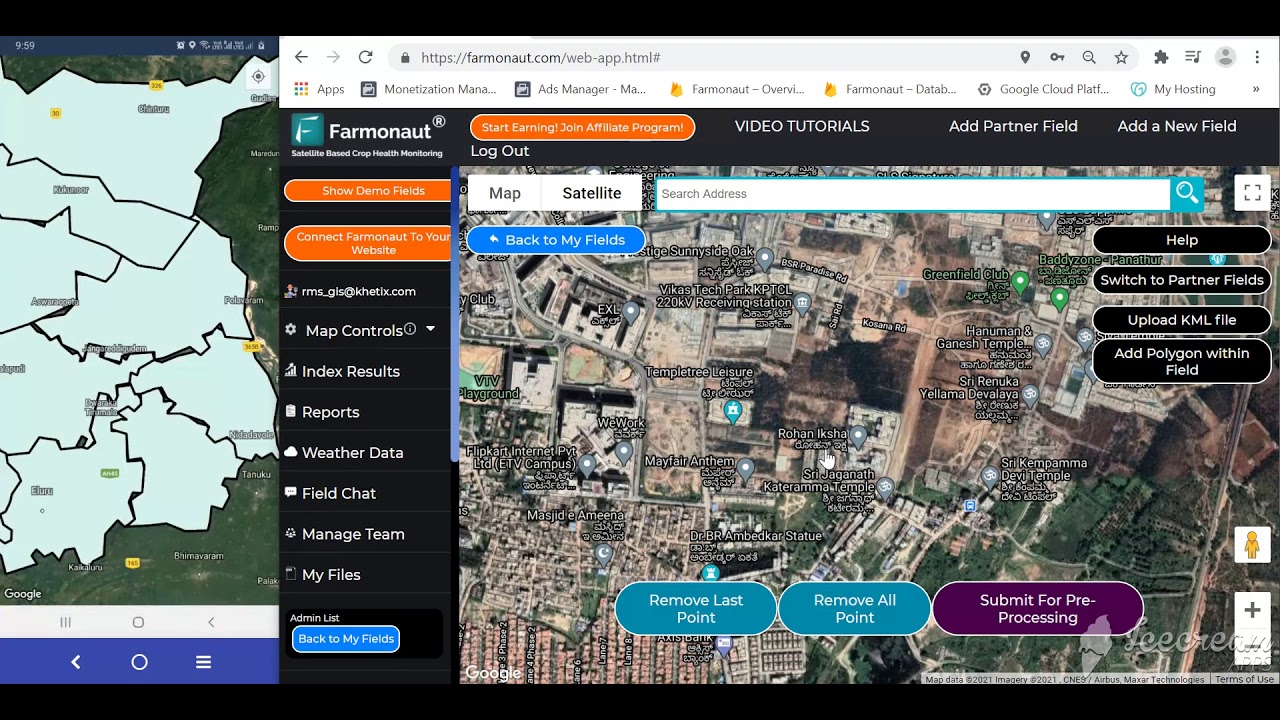
For any stakeholder aiming to modernize their approach to land-use, soil health management, and water conservation, Farmonaut offers a robust suite of satellite technology solutions—from advanced AI-based monitoring to real-time advisory and blockchain-powered traceability.
Our tools help unlock efficiency and sustainability by providing the following:
- Real-time monitoring: Satellite imagery for crop health, mining site restoration, and infrastructure resilience.
- AI-driven advisory: Actionable insights, weather forecasts, and operational strategies based on robust data analytics.
- Blockchain-enabled traceability: Demonstrate integrity from field to market, fostering trust.
- Fleet & resource management: Cut operational costs and energy use in large-scale operations.
- Environmental impact tracking: Monitor carbon footprint for compliance and sustainability reporting.

Combining satellite-based monitoring with blockchain traceability reduces fraud in crop insurance and mining verification, while increasing ecological transparency.
- 🌳 Balance production with restoration for every land parcel—set aside spaces for nature.
- 💧 Adopt sensor-driven irrigation to optimize water supply and reduce losses.
- 🍃 Invest in cover cropping for long-term soil and carbon improvement.
- 🚚 Monitor fleet and equipment energy use with analytics tools.
- 🎯 Map and report biodiversity scores for continuous improvement.
Frequently Asked Questions (FAQ)
What is integrated land-use planning?
Integrated land-use planning is a systematic process that aligns activities like agriculture, forestry, mining, and infrastructure projects with both ecological limits and social needs. It seeks to maximize benefits (like income and food security) and minimize environmental risks (such as biodiversity loss or water pollution) by coordinating all land-based decisions.
How does soil health affect land productivity?
Healthy soil—rich in organic matter, microbial life, and nutrients—directly leads to better crop yields, resilience to drought, and reduced erosion. Practices such as reduced tillage, precise nutrient management, and cover cropping are vital to maintain and restore these properties.
How can technology improve sustainable land and water management?
Tools such as satellite imagery, AI-driven advisory systems, and remote sensors provide real-time insights into soil moisture, crop health, and water availability. Blockchain supports traceability and supply chain transparency, while fleet management solutions reduce operational inefficiencies.
Why is biodiversity so critical for sustainable farming?
Biodiversity enhances ecosystem services—pollination, pest control, water filtration, and nutrient cycling—making farms and forests more resilient, productive, and self-sustaining. It also reduces dependency on synthetic inputs.
How do reclamation and end-of-life planning contribute to sustainability?
They ensure that, after operations like mining or infrastructure development, the landscape is restored for future use—ecologically, economically, and socially. Reclamation includes soil replacement, native species revegetation, and ongoing monitoring for long-term health.
How can data-driven solutions, such as those from Farmonaut, make a difference?
Farmonaut provides affordable, real-time, and scalable satellite-based data to optimize land-use, soil management, and water efficiency. This empowers users to make better decisions, meet regulatory or sustainability targets, boost productivity, and protect natural resources with confidence.
Conclusion: The Road Ahead for Sustainable Land & Water Management
The future belongs to those who embrace integration, innovation, and stewardship on every hectare. By applying these seven powerful strategies—anchored in robust planning, attentive soil and water management, biodiversity enhancement, climate readiness, and engaged, data-driven resource management—land-based industries can achieve the elusive balance between productivity and environmental health. Tools like those from Farmonaut are breaking the technological barrier, making sustainable stewardship actionable and scalable for farmers, mining operators, infrastructure managers, and policy-makers alike. Actively aligning every decision with this next-generation framework is not only possible but essential for lasting value—both for business and for the planet.

 Godrej Agrovet
 Hayleys Agriculture
 Linx Agritech
 Adinet
 Save Your Soils
 GalaxEye Space
 Grandstream Algérie
 XOS Realty
 Geospatial Lab Africa
 Agro La Gándara
 HIPSAC
 ZOL Zimbabwe
 Juligerm
 AdBio
AdBio MISE Maroc
 NWNS
NWNS Red August Group
 Farm Inc
 WeMe Global
 Agrotoken
 Blue BearX
 Insignito
 DnCubed
 Indosistim Teknologi
 Liquify Digital
 CU Foods
 BeyondTech Global
 Rouge VC
 AgroRisk
 Oath Inc
 Esri North East Africa
 MDCV UK
 Etech Consulting Madagascar
 Vestlandsforsking
 WB Dev
 Sama Premium
 Tres Valles
 Blickwinkel
 Agricultural Credit Policy Council
 eKGIS
eKGIS Mostas Tech
 Andex
Andex Deluxe Conseil
 WICO
WICO Chimera Innovation
 SkyHarvest
 Teledarbas
 Exurbia Geospatial
 FieldZero
