

Aalu Ke Ped: 7 Game-Changing Potato Innovations for 2026
“Scientists predict biotech potato variants could increase global yields by up to 40% by 2026.”
“Seven cutting-edge farming methods may reduce potato crop losses by nearly 30% compared to traditional techniques by 2026.”
Summary: Aalu Ke Ped: Myth or Future Agricultural Innovation?
The phrase aalu ke ped symbolizes an unattainable ideal: a mythical potato tree. Today, as farming undergoes a revolution driven by biotechnology, vertical systems, infrastructure advances, and sustainability, this ancient myth serves as a powerful metaphor for limitless innovation. This blog unveils how seven breakthrough potato innovations are turning folklore into real-world solutions, maximally improving yields, boosting food security for India and the world, and shaping a more sustainable agricultural future.
Introduction: The Aalu Ke Ped Myth & Metaphor
Aalu ke ped, literally translating from Hindi as “potato tree”, is a term steeped in Indian folklore and myths. In colloquial usage, it describes something imaginary or nonexistent—after all, potatoes don’t grow on trees. Fruits like apples, mangoes, and bananas emerge above the earth, while potatoes (Solanum tuberosum) are tuberous crops that develop quietly underground via stems called stolons. The notion of a potato-producing tree defies conventional botany and remains, in reality, a playful legend.
Yet, in 2026—amid mounting global food security challenges, soil depletion, and climate stressors—this myth sparks a bold concept. Can ground-breaking biotech advances and reimagined farming systems engineer crops with higher yields and sustainable production, thus fulfilling the vision symbolizing “aalu ke ped,” even if not literally? Might the ideas behind this term serve as a launching pad for revolutionary progress in fertility, infrastructure, and community resilience—especially for Indian agriculture?
Understanding Potato Biology: Why ‘Aalu Ke Ped’ Defies Botany
To decode the myth and future of ke ped, we must first grasp how potatoes grow—and why the tree idea is scientifically flawed.
- ✔ Potatoes (Solanum tuberosum) are herbaceous plants that typically reach just 60 cm in height.
- 🌱 Unlike “tree” crops, potato plants send out stolons (horizontal stems) beneath the soil.
- 📦 The edible part—the tuber—is a swollen underground structure, not a fruit or seed.
- 🟢 Potato seeds are only used for breeding; nearly all production starts from tubers (“seed potatoes”).
- 🌳 “Potato tree” plants occasionally exist (Solanum erianthum), but these do not produce edible potatoes—the true aalu remains a ground-bound crop.
Thus, while the idea of a potato tree remains nonexistent in natural biology, it invites fresh perspectives for innovative farming and agricultural systems.

Turning Myth into Innovation: Seven Game-Changing Potato Advances for 2026
Let’s explore seven innovations revolutionizing potato farming across India and the world—each advancing us closer to the abundant aalu ke ped dream.
- Genetically Modified Potatoes (Transgenic Varieties)
Scientists are developing transgenic and genetically modified potato varieties that offer resistance to major potato diseases (e.g. late blight), higher yields, and improvements in drought-tolerance. By 2026, the use of such varieties is projected to deliver actual yield increases of 20-35%, making this advance a direct leap toward a modern-day aalu ke ped.
- 🔬 Enhanced pest resistance and reduced chemical use
- 🚀 Superior yield stability across variable climates
- 🌱 Nutrient-fortified “biofortified” potatoes to combat malnutrition
- Vertical Farming & Hydroponic Potato Production
With arable land shrinking, vertical farming and indoor hydroponics create stacked, climate-controlled environments for potato cultivation. These “potato towers” mimic trees in their verticality, maximizing output and efficiency.
- 🏙️ Urban food production on rooftops and warehouses
- 💧 Reduced water & fertilizer waste
- ⏫ 2–5x land productivity compared to traditional farm plots

- Precision Agriculture and Satellite AI (Remote Sensing)
Advanced satellite monitoring and AI-driven insights (like those available via Farmonaut) enable real-time tracking of crop health, soil nutrient levels, and water management.
- 🛰️ Detect stress, disease, or drought before visible signs
- 💡 Fertilizer micro-dosing based on zone requirements
- 📈 Up to 25% higher yield, lower input cost
Interested in integrating these solutions? Explore large-scale farm and crop management system powered by Farmonaut here.
- Blockchain-Based Potato Traceability
End-to-end transparency and food safety are increasingly crucial. Blockchain technology tracks potato production from soil to table—recording every step in a secure, tamper-proof ledger. This helps:
- 🔗 Authenticity verification for premium Indian potatoes
- ⏬ Minimized fraud in procurement, export, and insurance
- 🌟 Consumer trust and export market expansion
Learn how you can utilize Farmonaut’s traceability platform for potatoes and other crops: Product Traceability Solution (Farmonaut).
- Smart Infrastructure: Automated Harvesting and IoT
The expansion of IoT-enabled equipment—from drip irrigation systems to robotic harvesters—is modernizing every step of potato cultivation. Smart sensors optimize input use (water, fertilizer), and autonomous machines simplify harvest and minimize human error.
- 🤖 Labor savings and improved harvest quality
- 💧 In-field water conservation (up to 20%)
- 🔄 Real-time yield prediction and harvest scheduling

- Regenerative Agriculture & Carbon Footprinting
Regenerative practices restore soil health and increase sustainability of potato production. Techniques include cover cropping, minimal tilling, and integrated nutrient management. When paired with carbon footprint tracking, this approach connects crop yield to climate-smart outcomes.
- ♻️ Lower emissions, richer soil, and stronger root systems
- 🌾 Improved resilience against extreme weather
- 📣 Meet export market and carbon compliance standards
Measure and improve your farm’s carbon impact with Farmonaut’s Carbon Footprinting Tool: Learn more about Carbon Footprinting for Indian farms
- Seed-to-Plant Digital Advisory & Insurance Platforms
Access to AI-driven advisory from sowing through harvest, plus satellite-based crop insurance verification, is reducing risk and supporting smallholder farmers. This tech-driven support maximizes productivity, reduces losses, and ensures financial security against disaster.
- 📱 Receive real-time advice—tailored to your field conditions
- 🔒 Quick satellite-based crop insurance verification
- 💼 Safer, more profitable potato farming
Secure better financing for your farm with digital crop loan & insurance insights: Satellite-Based Crop Loan & Insurance Platform by Farmonaut
- ✔ Genetically Modified Varieties bring higher yields and disease resistance
- 🌐 Remote Sensing helps real-time monitoring for nutrient & water management
- 📦 Blockchain Traceability ensures food authenticity from field to fork
- 💡 Smart Infrastructure streamlines harvest and minimizes losses
- ♻️ Regenerative Techniques boost soil health and climate resilience
- 🟢 Innovation: Biotech enhanced seed potatoes
- 🏢 Infrastructure: IoT & robotics integrated farms
- 📡 Technology: Satellite AI for decision-making
- 🔒 Traceability: Blockchain-verified supply chain
- 🌱 Sustainability: Regenerative agriculture
Comparative Innovation Impact Table: Potato Farming Advances (2026 Outlook)
| Innovation Name | Biotech/Technological Feature | Year Expected Adoption | Estimated Yield Increase (%) | Sustainability Impact | Relevance to Indian Farming |
|---|---|---|---|---|---|
| Genetically Modified Potatoes | Disease resistance, drought tolerance, biofortification | 2026 | 20-35% | High | Very High |
| Vertical Farming & Hydroponics | Stacked trays, closed-loop water nutrient systems | 2025-2026 | 40-100% (in urban) | Medium | High (Urban/peri-urban) |
| Precision Agriculture (Satellite/AI) | Remote sensing, data-driven fertilizer & irrigation | 2025 | 20-25% | High | Very High |
| Blockchain Traceability | Tamper-proof supply chain, digital certification | 2025-2026 | Indirect (up to 10% reduction in losses/fraud) | High | High |
| Smart Infrastructure (IoT/Robotics) | Sensor-automated machinery, robotic harvesters | 2026 | 10-15% | Medium | High |
| Regenerative Agriculture & Carbon Tracking | Low-till, cover crops, carbon emission monitoring | 2025-2026 | 15-18% | Very High | Medium |
| Digital Advisory & Insurance | AI advisory, satellite-based crop verification/insurance | 2025 | 10-20% (by reducing crop loss) | High | Very High |
Innovations with high yield potential and blockchain-based transparency are predicted to receive major investment in the Indian agri-tech sector through 2026—boosting global competitiveness.
Key Drivers & Technologies Fueling the ‘Aalu Ke Ped’ Revolution
The dramatic advances in potato farming are anchored by intersecting technologies and management approaches, including:
- 🧬 Biotechnology: Precision gene editing and smart breeding for traits like blight resistance, deeper roots, and higher productivity.
- 📡 Satellite Imaging: Enables remote field crop diagnostics and early warnings for pests, nutrient deficiency, and water stress.
- 🤝 Blockchain & Digital Identity: Secure traceability systems reduce risk and fraud, accelerating farmer credit and export safety certification.
- 🤖 Autonomous Equipment/IoT: Robotics and sensor systems automate repetitive tasks and optimize input delivery.
- 🌱 Soil Analytics: AI-powered decision support maximizes resource efficiency and maintains soil health for sustainable yield.
- 🛡️ Insurance and Credit Innovation: Satellite analysis shortens loan and payout cycles, unlocking farmer investment and resilience.
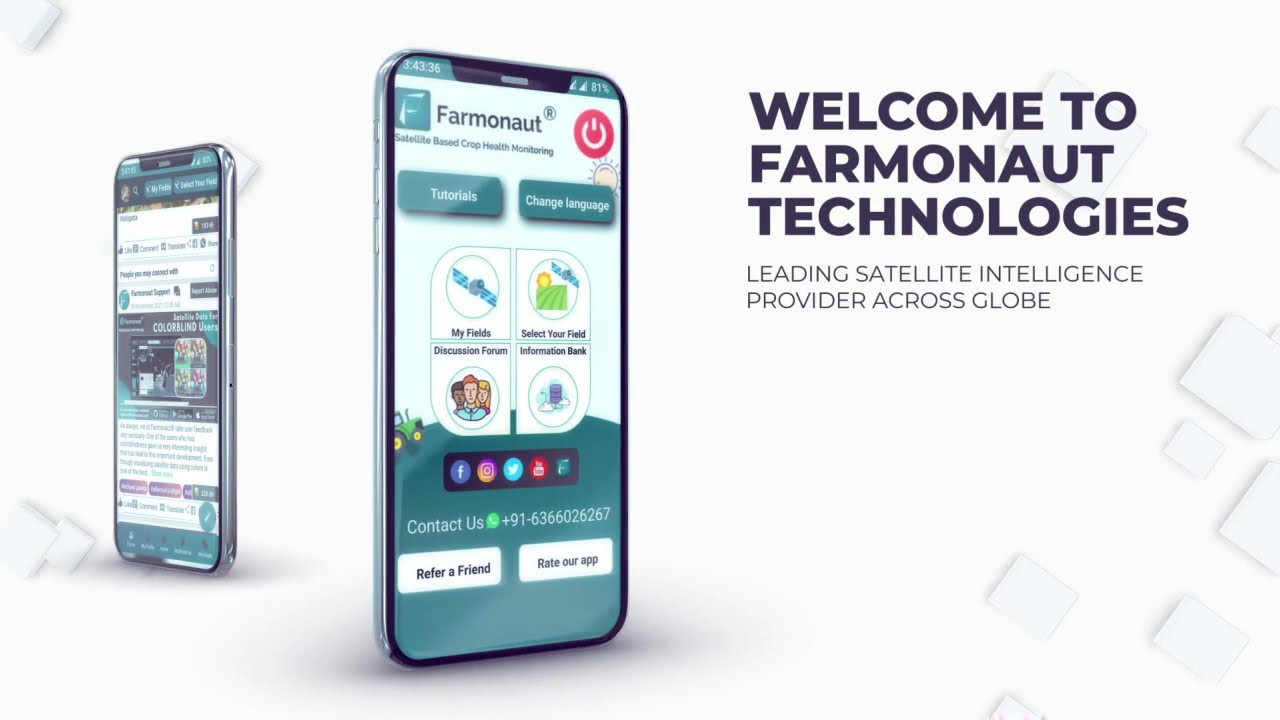
- 📱 Farmonaut Apps—satellite-based monitoring, crop health & yield prediction [Get the web and mobile app]
- 🧩 APIs for integration with legacy platforms [API Overview | API Docs]
- 🚜 Fleet Management tools for tracking agri machinery (Fleet Management)
- 🌲 Crop Plantation & Forest Advisory modules—AI-driven guidance for maximizing land utility (Explore Crop Plantation Advisory)



How Farmonaut Satellite Technology Empowers Potato Innovation
Satellite technology is a catalyst for transforming myth into innovation. At Farmonaut, our commitment is to make satellite-derived insights and AI-powered advisory accessible for potato farmers and agri-businesses both in India and globally. Here’s how Farmonaut supports the aalu ke ped revolution:
- 🛰️ Crop Health Monitoring: Multispectral imaging highlights areas of stress, disease outbreaks, or uneven growth in vast potato fields.
- ⚡ AI-Powered Advisory: Our Jeevn AI scans satellite trends and weather data to provide custom, field-level recommendations—boosting timely action.
- 🔐 Blockchain Traceability: Every harvest can be digitally tracked, creating transparency for high-value potato supply chains and premium export markets.
- 📊 Resource Management: Automated reports help optimize fertilizer and water schedules, reducing waste and costs for all potato growers.
- 🌱 Environmental Impact Tracking: Monitor and improve your carbon footprint with Farmonaut’s dedicated carbon monitoring platform.
Forestry, Agroforestry & Potato: Trees and Crops for a Sustainable Future
While potatoes themselves do not grow on trees, incorporating agroforestry systems—mixing select trees with crops—delivers major benefits to sustainable potato production in India and worldwide.
- 🌳 Trees provide shade, reduce soil temperature extremes, and retain moisture for adjacent potato crops
- 👥 Improves biodiversity, supporting pest control and nutrient cycling
- 🛡️ Tree roots stabilize soil structure, minimize erosion, and support beneficial mycorrhizal fungi essential for potato nutrient uptake
- 🌱 Intercropping with trees increases system-level productivity and improves overall sustainability
Modern agroforestry thus brings us one step closer to the bounty that aalu ke ped symbolizes: sustainable abundance.
Integrated forestry and potato systems can increase farmer incomes and buffer against market shocks—advancing Indian farming resilience for 2026.
Mining, Minerals, and Soil Fertility: The Foundation for Potato Crop Growth
Soil health remains a crucial pillar of potato cultivation. Potatoes require a balance of key minerals: nitrogen (N), phosphorus (P), potassium (K), and trace elements. Sustainable mining and responsible fertilizer application underpin healthy yields and strong tuber formation.
- 💡 Sensor data and satellite analytics allow for precise mineral dosing—lowering environmental impact
- 🔬 Eco-friendly fertilizers and organic amendments can maintain or increase soil fertility without unsustainable mining
- 🌎 Balanced nutrient management supports robust root growth and maximizes yield per hectare worldwide
In 2026, mineral efficiency and fertility innovation will remain essential for meeting India’s potato demand—and realizing the aalu ke ped vision.
Potato Yield, Food Security, and Defence Readiness
Potatoes are a strategic food crop for national defence. Their high calorie density, storability, and adaptability make them integral to food security systems in India. Innovative farming methods help ensure:
- 🛡️ Consistent output against climate shocks or supply disruption
- ❤️ Improved nutrition security for civilian and defence populations
- ⚙️ Faster recovery and distribution in emergencies
- 👨🌾 Support for the rural economy via stable buyer programs
Implementing satellite-verified crop insurance and blockchain-traceable produce creates robust, transparent food supply chains—a shield for defence and civilian needs alike.
Frequently Asked Questions: Aalu Ke Ped & Potato Innovations
Q1. Does a true “aalu ke ped” (potato tree) exist?
No. The phrase “aalu ke ped” is a metaphor; real potatoes (Solanum tuberosum) grow underground on herbaceous plants, not trees. However, innovative techniques can help “multiply” output like the legends suggest.
Q2. What is the role of biotechnology in potato innovation?
Biotechnology offers genetically improved seed potatoes—resistant to disease, tolerant to climate stress, and fortified with nutrition—to boost yield in India and globally.
Q3. How does satellite monitoring impact potato cultivation?
Satellite imaging, such as Farmonaut’s platform, delivers real-time data on crop health, soil nutrients, and growth stages, enabling data-driven decisions to maximize output and minimize resource waste.
Q4. What is blockchain traceability, and why is it important for potatoes?
Blockchain ensures every potato batch is securely logged from field to store, guaranteeing authenticity and food safety. This is vital for high-value exports and domestic trust.
Q5. Can vertical farming make potato production more sustainable?
Yes; vertical farming uses minimal land and water, making potatoes plentiful in cities while reducing the environmental footprint.
Conclusion: From Folklore to Future—Aalu Ke Ped as an Innovation Symbol
The vision of the aalu ke ped—once a symbol for the nonexistent, imaginary, and impossible—is being remade through science, data, and a relentless drive for food security and sustainability. By embracing biotech potato varieties, hi-tech infrastructure, and deep digital advisory systems, Indian farmers and agri-enterprises move closer to the legendary, ever-abundant “potato tree.”
This journey honors the myth not by literal replication, but by realizing its spirit—productive crops, resilient farming, and a sustainable future for all. Farmonaut stands ready to empower this transition, delivering satellite-driven insights and tools that make every potato harvest more predictable, transparent, and plentiful—today and for generations beyond 2026.
Want to grow your own slice of the ‘aalu ke ped’ dream?
Get real-time potato farming insights and decision support. Try Farmonaut’s platform on browser, Android, or iOS today!
Discussion
Questions, corrections or field experience? Share them below. First-time comments are reviewed before they appear, and your email is never published.
No comments yet. Be the first to add a question or your experience.

 KhetiBuddy
 Agro La Gándara
 Global Agrifood
 HIPSAC
 ZOL Zimbabwe
 Juligerm
 AdBio
AdBio MISE Maroc
 NWNS
NWNS Red August Group
 Farm Inc
 WeMe Global
 Agrotoken
 Blue BearX
 Insignito
 Croptimum
 DnCubed
 Field Capacity
 Indosistim Teknologi
 Licence holder · Niger · Gold
 Licence holder · Nigeria · Gold + lithium










