

Acorn Tree, Sweet Corn Field Corn: 2026 Farm Innovations
“In 2025, advanced farming tech is projected to boost sweet corn yields by 15% compared to traditional methods.”
Overview: Corn’s Cornerstone Role in Agriculture, Food, and Beyond
Corn, known botanically as Zea mays, stands as a global cornerstone of agriculture and a crucial crop in the 21st century—and its importance continues to grow as we approach 2026. Whether in the form of sweet corn or field corn, corn on a farm is more than just a staple food; it is intricately woven into livestock feed, renewable biofuels, manufacturing materials, and processed foods.
With technological innovations and sustainable practices transforming corn farming, it’s essential for farmers, agronomists, and stakeholders to understand the evolving landscape—especially the differences between sweet corn field corn, the relationship with emerging agroforestry models involving acorn (oak) trees, and the future of productivity and environmental stewardship.
This blog explores the evolving innovations in corn cultivation, exciting new sustainable farming systems for 2026 such as agroforestry with acorn trees, and the technologies maximizing yields while minimizing environmental impact.



Sweet Corn vs. Field Corn: Key Differences & 2026 Perspectives
Understanding sweet corn and field corn is fundamental to making informed decisions on a farm in 2026. Although both belong to the Zea mays species, they diverge dramatically in their uses, cultivation techniques, and market roles.
- Sweet Corn: Cultivated mainly for human consumption as a vegetable; it contains higher sugar content and is palatable when harvested early (the “milk stage”). Typically enjoyed fresh, canned, or frozen, sweet corn’s flavor and tenderness are its hallmarks.
- Field Corn (often called “dent corn”): Primarily grown for animal feed, biofuels, and industrial products like cornmeal, corn syrup, and bioplastics. It is harvested fully mature and dried, making it robust for storage and processing.
The key differences lie in harvest timing, sugar and starch content, production goals, and end-market requirements.
Sweet corn farming focuses on achieving high taste quality and a timely harvest to maintain sugar levels. In contrast, field corn producers emphasize maximum yield, high starch content, and kernel durability for feed and industrial uses.
In 2026, both types remain critical pillars for farmers, industries, and researchers, influencing everything from soil management to crop rotation strategy. Field corn and sweet corn require specialized techniques and a deep understanding of climate, soil, and pest pressure, which we examine below.
2026 Trends & Innovations in Corn Farming
The accelerating adoption of technology—from drones to AI-powered analytics—is reshaping modern corn farming. Farmers in 2026 will continue to innovate, seeking higher productivity, lower input waste, and resilient cropping systems.
- Precision Agriculture: Use of satellite imagery, drones, and data-driven platforms to optimize inputs and monitor crop health.
- Drought-Resistant Hybrids: Corn species bred to withstand climate stress and conserve soil moisture.
- Regenerative Practices: Including cover cropping, organic amendments, reduced tillage to restore soil structure and fertility.
- Agroforestry: Integration of trees—especially acorn-producing oaks—within fields to improve ecosystem services and farm resilience.
- Efficiency in Water and Nutrient Use: Smart sensors deliver water and fertilizer precisely, based on real-time monitoring of crop and soil conditions.

Cutting-edge platforms like Farmonaut’s satellite-driven monitoring make these innovations accessible to farmers worldwide, democratizing the tools needed to boost yields and improve sustainability. Farmonaut’s platform leverages satellite imagery and AI analytics to deliver actionable insights on nutrient deficiencies, disease, pest pressure, and more—right to farmers’ mobile devices or dashboards.
For those interested in integrating satellite data and monitoring into their own agri-tech solutions, Farmonaut offers a comprehensive API platform and detailed Developer Documentation, enabling seamless integration of real-time crop health, soil, and weather insights.
Precision Agriculture: Satellite Tech, Drones & AI Analytics in Corn Farming
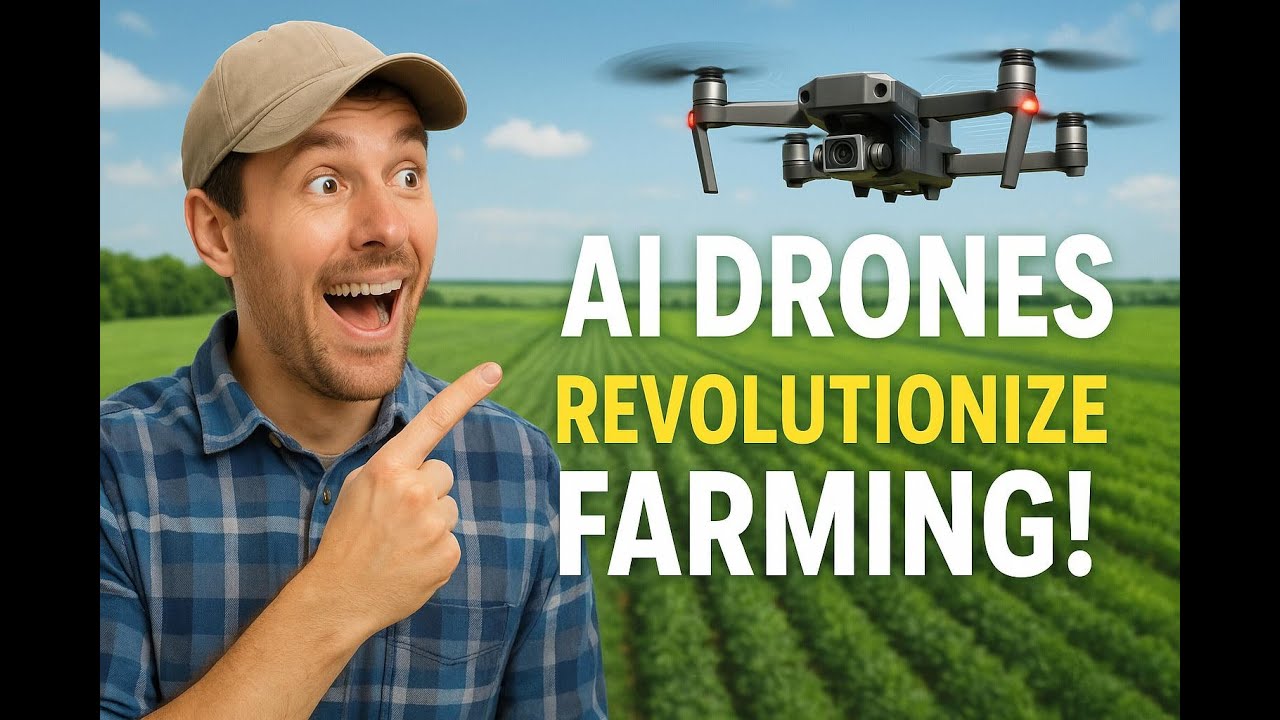
The integration of precision agriculture in the corn sector is a defining trend for 2026. By leveraging satellite imagery, drones, and AI analytics, farmers can optimize input use and reduce waste.
- Satellite Imagery: Multispectral images, such as Normalized Difference Vegetation Index (NDVI crop health monitoring), let farmers spot nutrient deficiencies, stress, and pest infestations across broad areas.
- Drones: Used for closer inspection, variable rate spraying, and to collect ultra-precise field-level data, supporting targeted crop management.
- AI & Machine Learning: Algorithms interpret satellite and drone data, delivering early warnings and prescriptive recommendations—for example, which specific field zones need fertilizer or irrigation.
- Resource Efficiency: Water, fertilizer, and energy inputs are used only where and when needed, boosting yields while minimizing environmental footprint.
For large-scale farmers and cooperative managers, Farmonaut’s Large-Scale Farm Management Platform streamlines satellite monitoring, resource allocation, and operational logistics—saving time, reducing costs, and supporting higher productivity across extensive corn and agroforestry fields.
These systems enable constant monitoring of corn fields, providing alerts for disease, water shortage, or pest pressure—well before losses occur. The result? Higher crop health, sustainable efficiency, reduced chemical use, and maximized yield.
Soil Health, Climate Resilience, and Regenerative Practices in 2026 Corn Fields
2026’s corn farming landscape is profoundly shaped by the dual challenges of climate change and soil degradation. As rainfall patterns become more erratic and droughts more severe, resilient corn production demands a focus on soil health and adaptive management.
- Drought-Resistant Hybrids: Ongoing breeding research prioritizes hardier corn species for both sweet and field types—especially under water stress and high-heat scenarios.
- Cover Cropping: Interplanting legume or grass cover crops in corn rotations improves soil organic matter, reduces erosion, and supports beneficial microbes for nutrient cycling.
- Reduced Tillage: Minimum-till and no-till systems preserve soil structure, carbon sequestration, and overall field health, while lowering input costs.
- Organic Amendments: Compost, biochar, and manure enhance root growth and resilience, further sustained by ongoing innovations in organic corn production.

Further, embracing carbon footprint monitoring tools helps farms measure and optimize their climate impact—critical for regulatory compliance and for accessing sustainability-driven markets.
“Field corn innovations could reduce water usage by up to 20% per acre in diverse agroforestry systems by 2026.”
Agroforestry: Oaks, Acorn Trees, and Multifunctional Corn Fields
A transformative strategy in 2026 corn farming is the robust incorporation of acorn trees, especially oak trees, into and around sweet corn field corn systems. This deliberate blending—termed agroforestry—delivers ecological and economic benefits that modern monocultures cannot match.
- Biodiversity: Oaks (acorn trees) offer vital habitats for beneficial insects, birds, and pollinators—reducing the need for chemical pest controls in adjacent corn fields.
- Wind & Water Buffers: Tree rows within or around corn fields act as windbreaks, stabilize soil moisture, and guard against erosion.
- Organic Matter Cycling: Acorn leaves and litter enrich soil with organic content, enhancing fertility and microbial activity for subsequent sweet or field corn crops.
- Microclimate Regulation: Oak canopies moderate temperature and humidity at the ground level, creating a favorable microclimate for corn resilience—especially under extreme weather scenarios.
While sweet corn and field corn have distinct cultivation needs, both benefit from the ecosystem services that acorn trees deliver. In fact, diversified agroforestry systems are recognized as the future for climate-smart, sustainable production, resilience, and landscape stability.

For farmers interested in forest integration, tree border establishment, or advanced agroforestry, the Farmonaut Crop Plantation & Forest Advisory delivers digital support to design productive, climate-resilient farmland landscapes—blending corn and tree species for highest synergy.
Comparison Table: 2026 Corn Innovation Metrics
| Crop/System Type | 2026 Innovation | Estimated Yield Improvement (%) | Sustainability Rating (1–5) | Water Use Efficiency (liters/kg) | Primary Uses |
|---|---|---|---|---|---|
| Sweet Corn | Drought-resistance hybrids, AI monitoring, variable-rate irrigation | ~15% | 4 | ~580 | Fresh, Canned, Frozen (Vegetable/Food) |
| Field Corn (Dent Corn) | Smart sensors, precision application, high-starch hybrids | ~18% | 3 | ~505 | Feed, Biofuel, Industrial Processing (Cornmeal, Syrup) |
| Agroforestry: Corn with Acorn Trees (Oaks) | Diversified planting, windbreaks, organic cycling, integrated pest management | ~10% (ecosystem services); corn yield maintained | 5 | ~450 (projected with reduced irrigation) | Ecosystem Services, Biodiversity, Soil Stabilization, All Corn Uses |
Corn Biomass, Biofuels & Sustainable Infrastructure Innovations
As field corn and sweet corn production drives ever-larger volumes of biomass and crop residues, innovative approaches to resource use and circular economy are flourishing in 2026.
- Biocomposites & Packaging: Corn stalk fibers and residues are processed into biodegradable materials for packaging, insulation, and even building blocks—reducing reliance on fossil-based plastics and slashing landfill waste.
- Biofuel Production: Field corn remains the mainstay for bioethanol fuel, with ongoing improvements in fermentation and carbon reduction technologies.
- Energy Infrastructure: Integration of corn in renewable fuel supply chains aligns with global decarbonization strategies—supporting rural economies and sustainability goals.
Not only are these innovations improving profitability for farmers, but they’re also offering industries a path to environmental stewardship by reducing waste, lowering emissions, and expanding market opportunities.

To ensure traceability and transparency for processors and consumers, Farmonaut provides a blockchain-based traceability system for agriculture and key grains—helping the food supply chain verify the origin, handling, and sustainability status of each corn batch, thus boosting trust and market value.
Digital Tools & Platforms Empowering 2026 Farms
The ongoing boom in agritech tools is democratizing access to next-generation corn farming and agroforestry solutions for farmers of all sizes.
- Satellite-Based Monitoring: Get real-time evaluations of corn crop health, identify nutrient deficiencies, and track pest infestations at field, subfield, or regional scale—all from your device.
- AI Advisory and Weather Alerts: Platforms now deliver personalized strategies for irrigation, fertilization, and harvest timing, improving field-level productivity and resilience.
- Blockchain Traceability: Meet evolving food safety and market requirements with transparent and auditable supply chain records—from seed to sale.
- Resource Management/Fleet Operations: Optimize equipment use, reduce input waste, and support large or distributed farm operations with real-time logistics.
- Insurance and Financing Verification: Streamline agricultural lending with satellite-backed loan and insurance solutions, minimizing risk for both lenders and farmers.

How Farmonaut Empowers 2026 Corn & Agroforestry Farmers
At Farmonaut, our mission is to make satellite-driven intelligence affordable and actionable. Our platform supports corn farmers, agroforestry practitioners, and agricultural businesses with:
- Real-time Multispectral Monitoring for assessing vegetation health, field variability, and input needs.
- AI-based Advisory Systems for weather forecasting, timely harvest, and resource optimization.
- Blockchain-Based Traceability Tools to verify sourcing, sustainability claims, and market credentials.
- Environmental Impact Tracking including carbon footprinting for sustainable and regulatory farming.
- API Access for developers to embed satellite and AI-powered agri intelligence in their own systems.
Our subscription platform is scalable, serving small-hold farms to vast commercial operations, and is accessible via mobile apps, web browsers, or API. This empowers you to increase profitability and practice sustainable stewardship—all while future-proofing your business for 2026.

FAQ: Answering the Top 2026 Corn Farming Questions
What is the main difference between sweet corn and field corn?
Sweet corn is harvested in the “milk stage” for human consumption, prized for its high sugar content and palatability. Field corn (dent corn) is harvested when mature and dried, primarily for animal feed, biofuels, and industrial applications like cornmeal, syrup, and plastics.
Why are acorn (oak) trees integrated into corn fields?
Acorn trees, specifically oak species, are used to foster biodiversity, enrich soil organic matter, stabilize microclimate, and provide ecosystem services—such as pest management, wind buffering, and improved water retention—supporting sustainable corn production.
How is technology improving corn yields and sustainability for 2026?
Technologies like satellite imagery, AI drone analysis, and precision sensors enable real-time crop monitoring, early detection of nutrient or pest issues, and more efficient use of water and fertilizers—leading to higher yields and reduced environmental impact.
Can corn residues really become sustainable packaging or energy sources?
Yes—biomass from field corn can be processed into biodegradable packaging, insulation, and building materials, while kernels are central to bioethanol fuel—displacing fossil fuels and supporting circular, sustainable infrastructure.
Are Farmonaut’s solutions suitable for small farms and agroforestry projects?
Absolutely! At Farmonaut, our scalable tool suite ensures even small or mixed farms benefit from satellite and AI-powered insights, forest advisory, and resource management—empowering a more profitable and sustainable future for all.
What eco-friendly certifications or compliance can I pursue as a corn grower in 2026?
Through platforms like Farmonaut, carbon footprinting tools and blockchain traceability support compliance with global sustainability standards. Certifications often assess soil health, water efficiency, biodiversity, and supply chain transparency.
Conclusion: Charting the Next Era of Corn on a Farm
The future of corn farming—encompassing acorn tree agroforestry, sweet corn, and field corn—is dynamic, technological, and green. We are witnessing a shift toward data-driven cultivation, adaptive cropping systems, and circular bioeconomy innovations that rise to both market and environmental demands.
Key takeaways:
- Understanding the distinctions between sweet corn and field corn is vital for responsive, profitable farming.
- Agroforestry—integrating oaks/acorn trees within corn fields—promotes soil health, resilience, and ecosystem services.
- Leveraging platforms and digital tools (such as Farmonaut) delivers precision, transparency, and sustainability directly to farmers worldwide.
- Innovations in biomass use, biofuels, and packaging make corn an engine of the new green economy.
- Sustainable stewardship and profitability are not at odds—they are increasingly intertwined for successful farms in and beyond 2026.
As we move forward, the role of corn—sweet or field, grown in monoculture or within the shelter of robust oak trees—remains pivotal to food security, industrial advancement, and planetary health. By staying at the forefront of these innovations, farmers, agronomists, and all invested stakeholders will secure a productive, sustainable, and prosperous agricultural future.
Begin your journey toward smart, sustainable corn cropping—download Farmonaut or request a subscription today and join the digital farming revolution.

 Red August Group
 Farm Inc
 JJM Farms
 WeMe Global
 Pixxel
 Agrotoken
 Blue BearX
 Insignito
 Croptimum
 DnCubed
 Field Capacity
 Indosistim Teknologi
 Liquify Digital
 CU Foods
 BeyondTech Global
 Rouge VC
 AgroGreen Dynamics
 AgroRisk
 Oath Inc
 Reddane Farming
