

Acretrader Farmland Offerings: 7 Investment Ways 2026
“AcreTrader is expected to offer 7 distinct farmland investment avenues by 2026, utilizing innovative, tech-based platforms for access.”
Introduction to Farmland Investment in 2026
The landscape of agricultural investment has evolved dramatically in recent years, shaping a fresh perspective for investors seeking both stability and innovative potential in their portfolios. With increasing global food demand, rising farmland values, and an increased focus on sustainable practices, farmland is gaining recognition as a vital, tangible asset with unique advantages versus traditional markets.
At the forefront of this transformation are platforms like AcreTrader, which blend technology, accessibility, and transparency to lower entry barriers for individuals and institutions. AcreTrader farmland offerings enable fractional ownership of land, democratizing access to one of the world’s most intrinsic-value resources and granting the prospect of stable returns and rural economic development.
As we approach 2026, the investment approach to agriculture is no longer limited by traditional acquisition’s substantial capital requirements or the need for deep sector knowledge. Instead, platforms employing fractional and diversified models are gaining momentum, reflecting broader trends in sustainability, technological advances, and asset diversification.
Exploring AcreTrader Farmland Offerings & Fractional Ownership in 2025–2026
AcreTrader operates an online marketplace that connects investors with farmland properties for purchase, revolutionizing how agricultural real estate is accessed. Unlike traditional acquisition, which often requires substantial capital and deep sector knowledge, AcreTrader lowers entry barriers by allowing investors to buy fractional shares in farmland parcels. This pivotal democratization of access is particularly critical in 2025 and beyond, as farmland values are appreciating due to global food demand, technological advances, and increased interest in sustainable agricultural practices.

The core appeal of AcreTrader farmland offerings lies in their dual nature: not only is farmland a tangible asset with intrinsic value, but it can also generate income through lease agreements with experienced farmers. Investors benefit from annual rental income payments plus potential land value appreciation. This combination strongly appeals to conservative investors looking for stable, long-term returns that are largely uncorrelated with equities or fixed-income markets.
Investors are also provided with detailed due diligence and comprehensive information on each farmland asset: from soil quality, water access, crop history, to current farm operations. AcreTrader’s focus on transparency and data-driven selections leads to sustainable and high-yield practices—a necessity as climate change impacts farming viability worldwide.
“By 2025, investors can gain fractional ownership in agricultural assets, supporting rural growth through AcreTrader’s technology-driven approach.”
Additionally, AcreTrader’s offerings now incorporate ESG factors (Environmental, Social, and Governance), aligning with the priority of many socially conscious investors seeking positive environmental and rural impact.

Comparative Investment Overview Table
To support transparency and investor education, let’s review a comparative table highlighting the seven AcreTrader farmland investment ways expected for 2026:
| Investment Way | Minimum Investment | Expected Yield (Annual %) |
Investment Term | Technology Integration | Sustainability Practices | Rural Impact Level |
|---|---|---|---|---|---|---|
| Direct Farmland Ownership | $250,000 | 6–9% | 7-10 years | Satellite Monitoring: Yes | Regenerative | High (Significant Job Creation) |
| Fractional Farmland Shares | $15,000 | 5–7% | 3–7 years | Satellite Monitoring: Yes | Conventional + Regenerative Options | Medium (Local Support) |
| Farmland Crowdfunding | $5,000 | 4–8% | Varies (1–7 years) | Satellite Monitoring: Partial | Conventional | Low to Medium |
| Managed Farmland Funds | $100,000 | 7–10% | 5–10 years | Satellite/Remote Sensing: Yes | Regenerative & Conventional | Medium to High |
| Timberland and Forestry Parcels | $25,000 | 4–6% | 7–15 years | Remote Sensing/Satellite: Yes | Regenerative + Carbon Credit | Medium |
| Land with Mineral Rights | $20,000 | 8–12% | 5–12 years | GIS Mapping: Yes | Conventional | Medium |
| Agricultural REITs (via AcreTrader Platform) | $1,000 | 3–6% | No Lock-in | Platform Aggregated | Varied | Low to Medium |
- 🌾 Direct Ownership – Full parcel control, higher capital outlay, maximum rural impact
- 📈 Fractional Shares – Accessible entry, diversified risk, regular yield
- 🤝 Crowdfunding – Collective investment, flexible amounts, platform-enabled
- 💼 Managed Funds – Professional oversight, long-term exposure
- 🌲 Timberland – Sustainable forestry, carbon focus
- ⛏ Mineral Rights – Additional asset class, higher yield potential
- 🏦 Agricultural REITs – Simplified, lower entry, broad diversification
The 7 AcreTrader Farmland Investment Ways for 2026
Let’s explore each investment avenue in detail, understanding how AcreTrader farmland offerings are expected to shape agricultural investment and reflect broader economic trends in 2026:
1. Direct Farmland Ownership
- Investment: Acquiring full title to farmland parcels via AcreTrader’s platform.
- Potential: Direct asset control, higher capital requirement; appeals to those seeking control over agricultural practices and leasing strategy.
- Technology: Typically includes satellite monitoring, farm management tools, and data analytics for yield optimization.
- Sustainability: High scope for implementing regenerative or sustainable practices.
- Ownership & Returns: 100% asset ownership; annual returns from leasing arrangements with experienced farmers and appreciation over time.
2. Fractional Ownership in Farmland
- Investment: Acquire fractional shares of farmland, pooling capital with other investors.
- Accessibility: Lower entry thresholds (starting at $15,000), ideal for diversifying portfolios without full asset control.
- Benefit: Receive proportional rental income and appreciation based on shareholding.
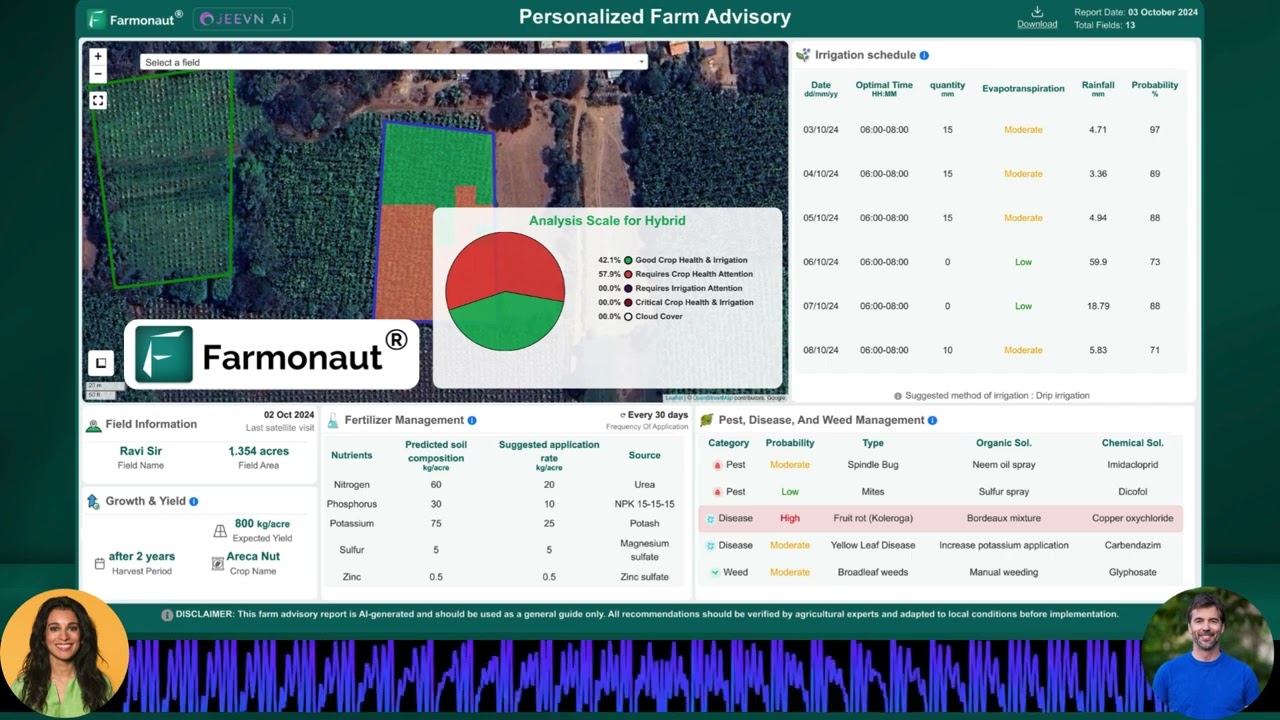
- Technology: Transparent digital dashboards and data from satellite imagery support ongoing due diligence and monitoring.
- Impact: Enhances democratization of access to agricultural assets.
3. Farmland Crowdfunding
- Model: Crowd-based platforms pool smaller investments to purchase farmland parcels.
- Entry Point: As low as $5,000, adaptable to varying investor budgets.
- Advantage: Spreads risk and enables broader access, especially for younger, first-time investors.
- Returns: Variable depending on crop yield, rental payments, and appreciation.
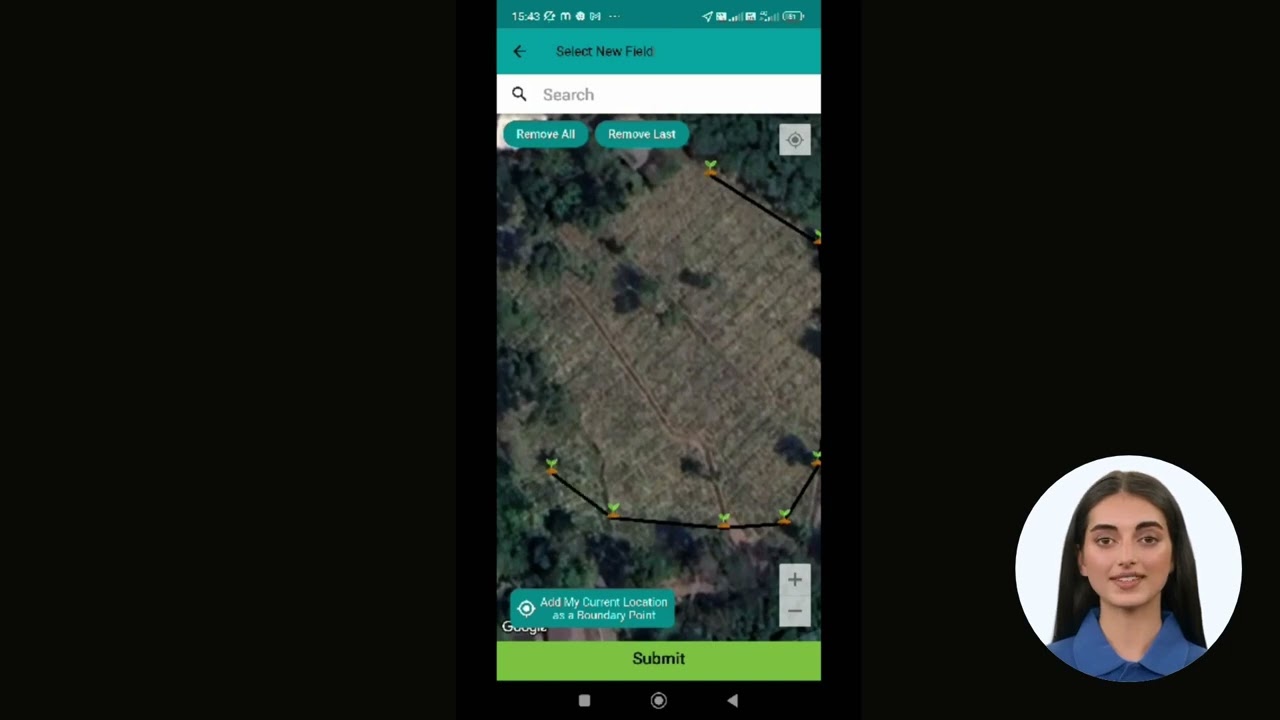
- Due Diligence: Leaner on direct technology, but growing adoption of remote and satellite monitoring.
- ✔ Lower entry investment
- 📊 Increased liquidity for investors
- 🌱 Supports sustainable practices
- ⚠ Market and weather risks
- 📈 Potential land appreciation
4. Managed Farmland Funds
- Investment: Pooling capital in actively managed farmland funds that spread investment across multiple operations and regions.
- Professional Management: Fund managers perform due diligence, leasing negotiation, sustainability assessment, and technological integration.
- Yield: Returns are typically higher (7–10%) thanks to diversification and proactive land management.
- Technology Integration: Use of remote sensing, predictive analytics, and resource tracking for efficiency.
- Ideal For: Investors seeking to minimize direct management responsibility while maximizing diversification.
5. Timberland and Forestry Parcels
- Scope: Investment in sustainable forests for timber production, carbon credit generation, or recreational land.
- Sustainability: High potential for carbon sequestration and regenerative silviculture.
- Returns: Historically steady, but longer horizon due to timber growth cycles.
- Broader Trends: Aligns with climate initiatives and net-zero corporate goals.
- Technology: Satellite and drone monitoring track forest health and illegal activity.
6. Land with Mineral Rights
- Definition: Farmland or parcels that include subsurface rights for mining or energy extraction.
- Yield: Typically higher yield potential (8–12%) if mineral/energy production is realized.
- Complexity: Enhanced due diligence needed to assess environmental impact and regulatory requirements.
- Diversification: Offers agricultural and non-agricultural income sources.
- Technology: GIS mapping and remote sensing are crucial for mineral asset evaluation.
7. Agricultural REITs via the AcreTrader Platform
- Model: Invest in real estate investment trusts (REITs) focused on agriculture, bundled via the AcreTrader platform.
- Entry: Extremely low minimum investment (as little as $1,000).
- Liquidity: Typically listed or semi-liquid, offering easier exits compared to direct land investments.
- Exposure: Access to diversified, income-generating farmland portfolios.
- Suitability: Perfect for those seeking simplicity and diversification.

Technology, Platforms & Agricultural Innovation in AcreTrader Farmland Offerings
Technology integration is central to AcreTrader farmland offerings for 2026, aligning with broader trends in agriculture, resource management, and investment. The ability to remotely monitor land, assess soil health, track crop performance, and ensure compliance with sustainable practices all drive investor confidence and operational efficiency.
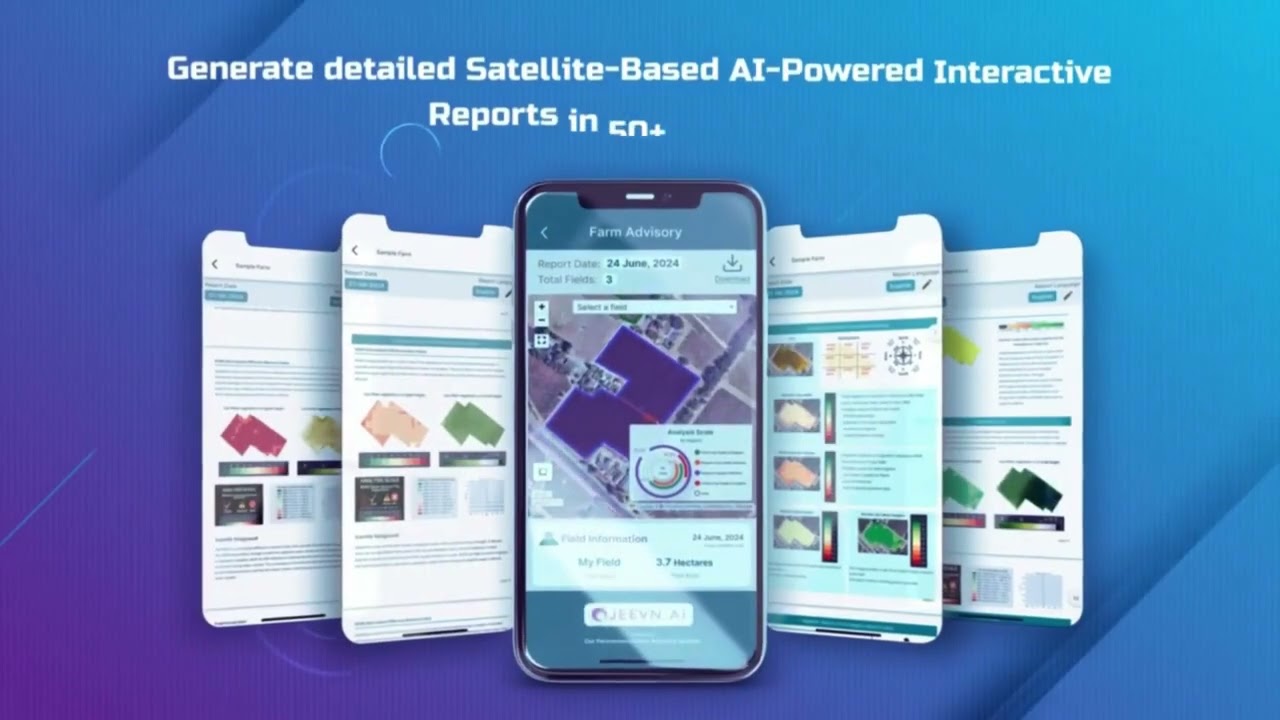
Satellite technology platforms provide granular, regular updates on asset health, water access, and crop cycles. Drones, AI-driven advisory systems, and blockchain-based traceability tools are being employed across the value chain to secure the integrity of investments and enhance long-term asset value.
Farmonaut, for example, provides satellite-based crop health monitoring, blockchain product traceability, and AI-powered resource management tools, all of which serve businesses, governments, and financial institutions involved in the agricultural sector.



Sustainability and Rural Economic Development in AcreTrader Farmland Offerings
Sustainable agriculture is at the heart of AcreTrader’s 2026 strategies. The deliberate vetting of parcels based on soil quality, water resources, crop history, and the implementation of regenerative methods ensures positive environmental outcomes and secures the long-term productivity of land assets.
- Rural Impact: By funnelling capital into farmland, AcreTrader supports farm modernization, improved logistics, and job creation, thus strengthening the rural economies and communities.
- Sustainability Credentials: Investors are increasingly seeking offerings that lower carbon footprints, enhance biodiversity, and employ climate-smart techniques. You can learn more about the benefits of carbon footprint monitoring for farmland investments at our dedicated page.
The trend toward diversified natural assets—including forestry, mineral-rich land parcels, and timberland—not only aligns with conservation and climate objectives but also responds to growing investor demand for assets uncorrelated with traditional stock market fluctuations.

Key Benefits, Bullet Points, Risks & Pro Tips for AcreTrader Farmland Investors
- ✔ Democratized Access: Fractional farmland ownership makes agricultural assets available to a broader range of investors.
- 📈 Stable Returns: Farmland investment is historically less volatile, offering stability compared to equities and bonds.
- 🌍 Portfolio Diversification: Uncorrelated asset class for balancing risk.
- 🌱 Sustainable Development: Encourages regenerative and climate-friendly farming practices.
- 🤖 Tech-Driven Transparency: Advanced platforms ensure robust due diligence, ongoing monitoring, and informed decision-making.
- ⚠ Liquidity Constraints: Direct ownership and managed funds often require multi-year commitments.
- ⚡ Weather & Climate Impact: Agricultural revenues depend on stable weather patterns and water availability.
- 💸 Operational Risks: Yields are tied to farm management effectiveness and market prices.
- 🔎 Due Diligence Required: Investors should assess soil, crop history, water resources, and sustainability practices for each offering.
- 🕵️♂️ Regulatory Considerations: Both farming and mineral/forestry parcels require compliance with evolving land use and environmental regulations.
Investor Note: At Farmonaut, we provide advanced satellite-driven solutions that help agricultural businesses, governments, and financial institutions monitor crop health, trace asset origin with blockchain, and track carbon output. Discover how our large-scale farm management platform and traceability solutions deliver real-time, actionable data to revolutionize land and resource management in 2026 and beyond.
Farmonaut: Satellite Technology Solutions for Next-Gen Agriculture
Satellite technology platforms are catalysts in the evolution of farmland investment models, providing in-depth, real-time monitoring and advanced analytics. At Farmonaut, we are committed to making satellite-driven insights affordable and accessible worldwide— supporting sectors from agriculture to mining and infrastructure.
- Real-Time Monitoring: Our satellite-based services enable users to visualize and act upon vegetation health (NDVI), soil condition, and environmental changes, ensuring smarter decisions for both large and small landholders.
- AI-Powered Advisory: With our Jeevn AI Advisory System, we deliver context-specific, actionable advice on weather, planting, harvesting, and risk management across agricultural, mining, and defense operations.
- Blockchain Traceability: Our blockchain platform boosts supply chain integrity—crucial for food safety, anti-fraud, and environmental compliance.
- Fleet and Resource Management: We provide robust monitoring and management tools for vehicles and equipment, supporting operational efficiency and cost savings for agriculture, mining, and infrastructure projects.
- Environmental Compliance: Farmonaut’s carbon footprint monitoring empowers responsible asset management in line with 2026 sustainability goals.
This suite of tools not only enhances asset yields for investors, but also supports sustainable rural development, traceable food systems, and a more resilient, diversified approach to farmland investment.
Explore Farmonaut’s modular platform for:
- Farm Management at Scale: Admin dashboards for instant view, organization, and resource allocation across multiple land parcels.
- Crop Loan and Insurance Verification: Simplify financing with satellite-verifiable loan documentation, cutting fraud and accelerating access.
- Fleet Monitoring: Optimize machinery and equipment management with real-time fleet tools to reduce costs.
- Traceability for Certification: Enable end-to-end, blockchain-based (traceability) records for organic, fair trade, and specialty crop movement.
- Crop Plantation and Forest Advisory: Tap into tailored strategies for sustainable planting and managed forestry (learn more).
Ready to scale your asset strategy with precision, transparency, and sustainability?
AcreTrader Farmland Offerings: FAQ
What is AcreTrader’s core offering for 2026 farmland investment?
AcreTrader’s core offering is access to carefully vetted farmland parcels via an online marketplace, with multiple investment ways such as direct purchase, fractional ownership, managed funds, and REITs. Investors can thereby gain exposure to high-potential agricultural assets with transparent, technology-aided diligence.
How does fractional farmland ownership differ from traditional ownership?
Fractional ownership allows investors to buy shares in a parcel rather than the entire asset. It requires less capital, spreads risk, and provides professional management, making it more accessible and diversified compared to traditional sole ownership.
Are AcreTrader farmland offerings suitable for sustainability-focused investors?
Yes. Many parcels and managed funds specifically target regenerative agriculture, carbon sequestration, and environmentally responsible practices, aligning with global trends and ESG investment standards.
What technology supports the transparency of AcreTrader farmland offerings?
Each parcel listed includes details on soil quality, crop history, water access, and farm operations, often enhanced with satellite monitoring, AI-driven analytics, and blockchain for traceability and compliance.
How can I track or manage my land’s carbon footprint or trace supply chain origins?
You can use next-gen solutions like Farmonaut’s carbon footprinting tools and product traceability platform, both of which help investors and asset managers ensure compliance, traceability, and transparency.
What are the primary risks in farmland investment via AcreTrader?
Risks may include climate and weather variability, illiquidity, market pricing changes, and operational fluctuations. Due diligence and technological integration help mitigate some risks, but investors should always review offering memorandums and risk disclosures.
Can Farmonaut’s solutions be integrated into agricultural investment platforms?
Absolutely. Farmonaut offers API access and developer documentation to seamlessly embed satellite intelligence and crop monitoring in digital investment, lending, and insurance tools.
What’s the expected return and liquidity profile?
Returns range from 3–12% depending on investment type (see comparative table above). Liquidity is highest in REITs and lowest in direct ownership or long-term managed funds—factor your goals and constraints.
Conclusion
AcreTrader farmland offerings for 2026 epitomize the convergence of technology, agriculture, and investment innovation, reshaping how we approach ownership and access to natural assets. The ability to gain diversified exposure to farmland, timberland, and mineral-rich properties is no longer limited to those with vast capital or sector expertise. Instead, a new wave of investors—supported by online platforms, satellite analytics, and transparent due diligence—can build portfolios with predictable returns and positive rural economic development impact.
The movement toward fractional farmland investment addresses the critical global trends: rising food demand, environmental responsibility, and rural modernization. Whether seeking stable, long-term assets or aiming to support sustainable agricultural practices, AcreTrader’s multi-pronged approach is designed for the future.
As satellite technology companies like Farmonaut continue to lower barriers to advanced data insights, both retail and institutional investors are empowered to make informed decisions and manage risks in an ever-evolving sector. We are dedicated to supporting your agricultural and natural asset journey through scalable, transparent, and cost-effective tech solutions.
Ready to explore farmland investment or optimize your existing agricultural operations using cutting-edge satellite intelligence? Get started with Farmonaut today.
Disclaimer: This article is for informational purposes only and should not be considered as financial or investment advice. Always consult with a registered investment advisor or conduct thorough due diligence before investing.

 LatConnect 60
 Disease Free Life
 WebsEdge
 Blickwinkel
 Agricultural Credit Policy Council
 BayWa
BayWa MCSOD
MCSOD Marei Nursery
 eKGIS
eKGIS Mostas Tech
 Native Seeds
 Andex
Andex FCF India
 Unifrutti Gulf
 Deluxe Conseil
 WICO
WICO Chimera Innovation
