

Advantages and Disadvantages of Modern Farming Explained: Impacts on Soil, Crop Yield, and Sustainability in 2026
“Modern ploughing can increase crop yields by up to 30%, but may reduce soil organic matter by 50% over decades.”
Contents
- Modern Farming: Redefining Agriculture in 2026
- Advantages of Modern Farming
- Disadvantages of Modern Farming
- Advantages and Disadvantages of Ploughing in Agriculture
- Advantages and Disadvantages of Broadcasting in Agriculture
- Comparative Advantages and Disadvantages Table
- Farmonaut: Satellite-Driven Solutions for Smart Agriculture
- Key Insights & Pro Tips
- Frequently Asked Questions
- Conclusion
- Farmonaut Subscription Options
Modern Farming: Redefining Agriculture in 2026
In 2026, modern farming stands at the intersection of innovation and necessity, driving agricultural practices toward higher productivity, sustainability, and efficiency. Modern agriculture is characterized by the integration of powerful technologies like GPS-guided tractors, drones for field monitoring, advanced irrigation systems (drip/sprinkler), biotechnology (GMO & hybrid varieties), and precision agriculture solutions. These continuous innovations help meet the demands of a rapidly growing global population.
While the advantages and disadvantages of modern farming methods are widely discussed, their impacts on soil, crop yield, and sustainability are more relevant than ever before. Alongside, ploughing and broadcasting as traditional practices are being reevaluated for their effectiveness and environmental footprint.

Farming Meets Technology
- Mechanization and Automation: From autonomous tractors to automated harvesting solutions, machinery now does much of the heavy lifting.
- Biotechnology: Genetic modification and selective breeding produce crops resistant to pests, diseases, and environmental stresses.
- Water & Resource Management: Drip and sprinkler irrigation reduce water loss compared to flooding.
- Precision Agriculture: Data-driven management systems ensure fertilizers and pesticides are used only where needed, minimizing environmental contamination.
- Environmental Monitoring: Satellite and sensor data optimize sustainability and yield.
Advantages of Modern Farming: Boosting Soil and Crop Productivity
The core advantages of modern farming techniques are rooted in their capacity to enhance efficiency, increase yields, and conserve valuable resources. Below, we break down these significant benefits:
1. Increased Productivity
- ✔ High-yield crop varieties and genetically improved seeds ensure greater output per hectare.
- 📊 Adoption of automated machinery enables rapid planting, sowing, and harvesting compared to traditional tools.
- ✔ Precision techniques like satellite crop monitoring (see Large-Scale Farm Management) support maximizing productivity.
- ✔ Farmers use data-driven insights to improve operational efficiency and reduce input waste.
2. Resource Efficiency and Water Management
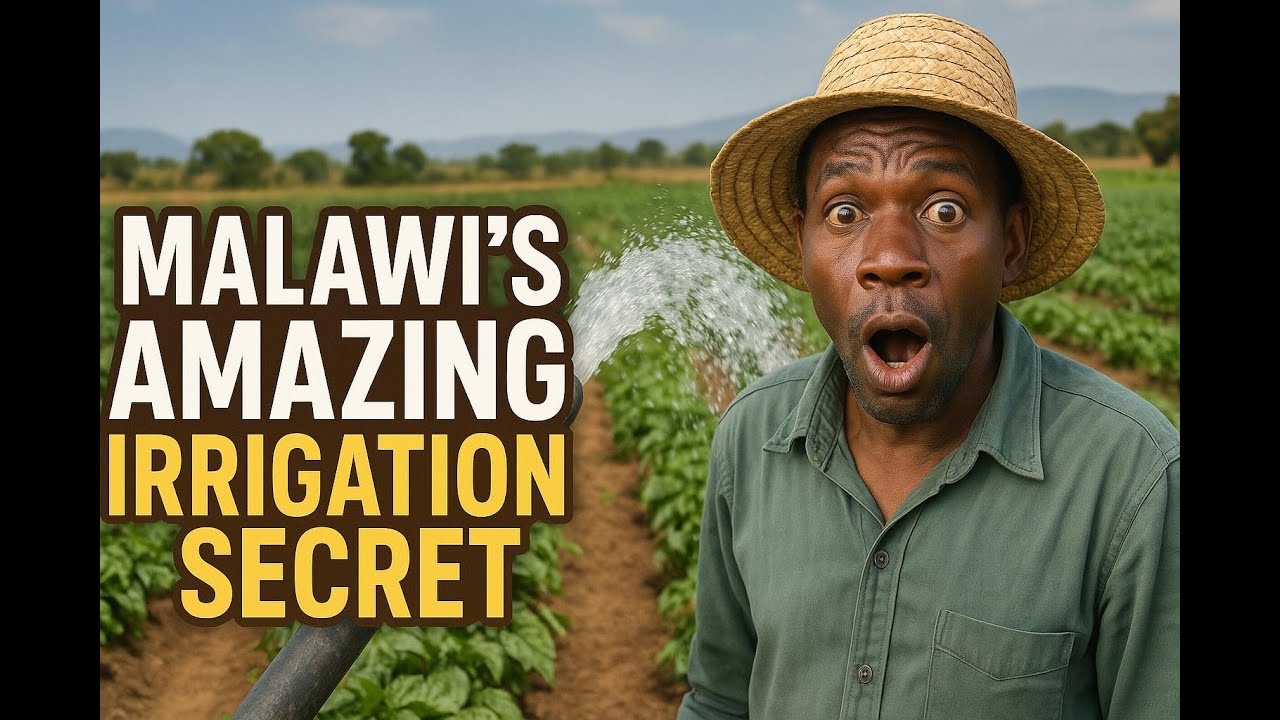
- ✔ Irrigation technologies (drip/sprinkler) conserve water.
- ✔ Precision application of fertilizers and pesticides minimizes waste and environmental loss.
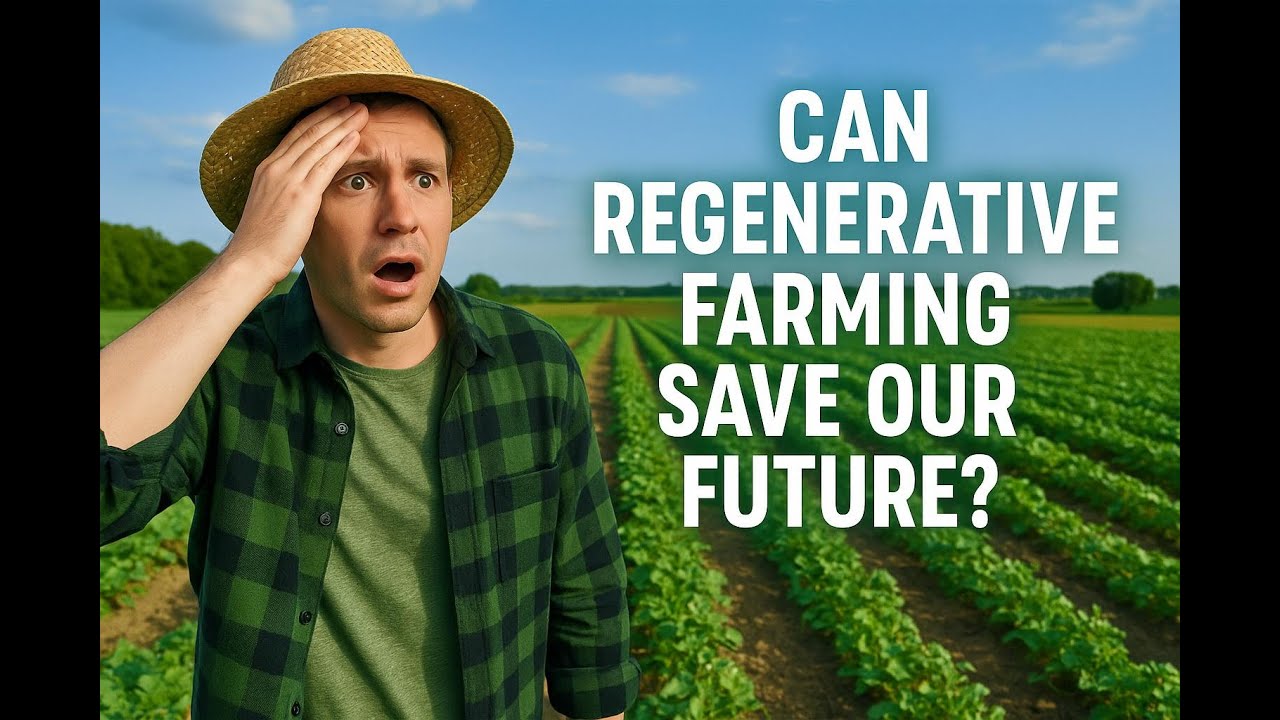
- 📊 Drip irrigation systems can reduce water demand by up to 60% compared to flooding techniques.
- ✔ Advanced monitoring tools enable precise mapping of soil/nutrient needs, reducing environmental loss.
3. Labor Savings and Economic Advantages
- ✔ Mechanization reduces the need for manual labor, addresses workforce shortages, and lowers production costs.
- ✔ Automated systems can operate continuously, accelerating sowing and harvesting processes.
- 🚜 Modern machinery improves handling and processing of crops after harvest, reducing losses.
4. Improved Crop Quality
- ✔ Genetic modification and selective breeding produce crops with high nutritional value and tolerance to pests, stresses, drought, and salinity.
- ✔ Biotechnology helps reduce pesticide and chemical use, making produce safer for consumption.
5. Data-Driven Decision Making
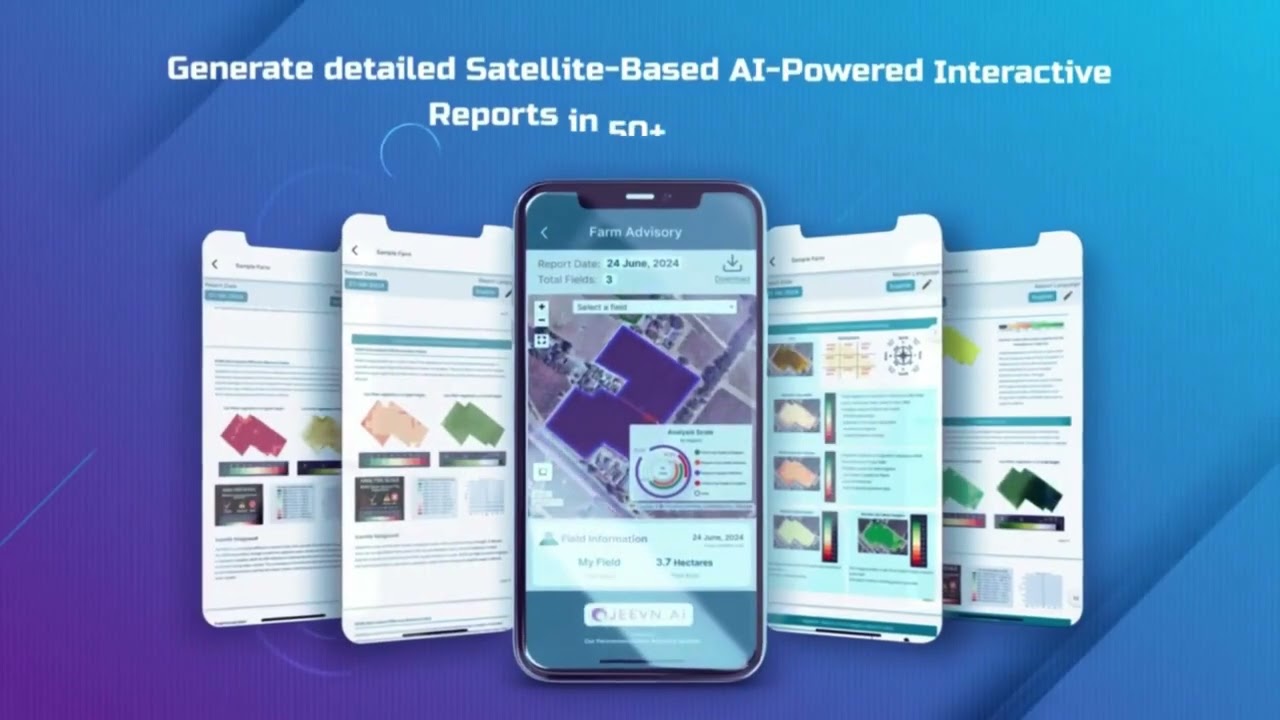
- ✔ AI analytics, satellite imaging, and field sensors empower farmers to make precise input, planting, and irrigation decisions.
- 📊 Farms can react to pest outbreaks, water stress, or nutrient deficiencies in real time.
- Smart solutions like Farmonaut’s Carbon Footprint Monitoring help track and reduce greenhouse emissions in agriculture.
Disadvantages of Modern Farming: Environmental and Socioeconomic Impacts
Despite these advances, disadvantages of modern farming exist. The interplay between increased productivity and sustainability goals leads to new challenges for farmers and the global food system.
1. High Initial Investment & Access Issues
- ⚠ Advanced machinery, irrigation systems, and biotech seeds require significant up-front capital.
- ⚠ Smallholder and rural farmers may be excluded due to cost and lack of technical knowledge.
- ⚠ Dependence on proprietary technologies may erode local resilience and autonomy.
2. Environmental Concerns & Resource Degradation
- ⚠ Over-application of fertilizers and pesticides—even with precision—can degrade soil and pollute water sources.
- 🌍 Agricultural machinery and irrigation increase carbon emissions through energy use.
- ⚠ Intensive monocropping reduces biodiversity, disrupting ecological balance.
- ⚠ Soil health loss: Intensive tillage & chemicals can degrade soil structure.
- 🌱 Sustainable practices: Conservation & minimal tillage can help restore fertility.
- 🛑 Water pollution: Run-off from fields can contaminate groundwater.
- 🌾 Farmonaut tools: Real-time monitoring aids timely intervention & sustainability.
3. Soil Health Issues
- ⚠ Repeated monocropping and intensive practices can degrade soil structure, leading to reduced fertility and increased dependence on external inputs.
- ⚠ Excessive tillage may increase carbon loss through accelerated decomposition of organic matter.
4. Technological Dependence & System Vulnerability
- ⚠ Farmers depending on complex systems or AI software risk disruptions if equipment fails or data errors occur.
- ⚠ Technical expertise is required, presenting a learning curve for some rural communities.
5. Socioeconomic Disruption
- ⚠ Mechanization can lead to significant labor displacement and loss of rural jobs.
- ⚠ Traditional knowledge & community farming may be sidelined, leading to social challenges.



Advantages and Disadvantages of Ploughing in Agriculture
Ploughing is a conventional tillage practice designed to prepare the soil for sowing seeds. Its influence on structure, fertility, and crop establishment makes it a critical topic in evaluating modern and traditional methods.
Advantages of Ploughing
- ✔ Weed control: Turning the soil buries weeds and disrupts their growth.
- ✔ Soil aeration: Breaking compacted layers improves air, water, and nutrient penetration.
- ✔ Nutrient redistribution: Incorporates crop residues and organic matter into the soil, enhancing fertility.
- ✔ Seedbed preparation: Provides fine tilth for seed placement, improving germination rates.
“Broadcast seeding saves 25% labor time, yet can cause uneven plant spacing, reducing yields by up to 10%.”
Disadvantages of Ploughing
- ⚠ Soil erosion: Exposed soil is more vulnerable to wind and water erosion, leading to nutrient loss.
- ⚠ Moisture loss: Enhanced evaporation after tillage can be detrimental in arid regions.
- ⚠ Destruction of soil structure: Repeated deep ploughing degrades beneficial aggregates and microbial habitats.
- ⚠ Carbon release: Aeration accelerates organic matter decomposition, releasing carbon dioxide and exacerbating climate change.
- 🌍 Environmental impact: High erosion risk
- 📉 Short-term boost, long-term decline: Potential initial yield increase but soil quality loss over decades
Advantages and Disadvantages of Broadcasting in Agriculture
Broadcasting is the process of scattering seeds across a field, rather than placing them in precise locations. Though simple and fast, it presents unique advantages and disadvantages of broadcasting in agriculture compared to other sowing methods.
Advantages of Broadcasting
- ✔ Simplicity and speed: Requires minimal technical input and equipment.
- 🕒 Labor savings: Especially suitable for large areas or resource-limited contexts.
- ⚙ Low equipment cost: Eliminates need for specialized sowing tools.
- 🌾 Flexibility: Applicable to many crops—cereals, pastures, and cover crops.
Disadvantages of Broadcasting
- ⚠ Uneven seed distribution: Leads to variable plant density and increased competition among plants.
- ⚠ Lower germination rates: Seeds are more exposed to pests, birds, and environmental stresses.
- ⚠ Potential waste: Un-germinated seeds represent economic loss, may also increase weed pressure.
- ⚠ Inefficient land use: Compared to row or precision planting, yields are often lower due to inconsistent spacing and resource competition.
- ✔ Cost-effective for small and large farms
- ⚠ Yield may be up to 10% lower compared to row planting

Comparative Advantages and Disadvantages Table: Modern Farming, Ploughing, Broadcasting
This table summarises and highlights the core advantages and disadvantages of modern farming, ploughing, and broadcasting in agriculture. Compare their impact on soil, crop yield, and sustainability to inform the best method for your situation in 2026.
| Method | Advantages | Disadvantages | Impact on Soil | Crop Yield Impact | Sustainability Score (1-10) |
|---|---|---|---|---|---|
| Modern Farming |
|
|
|
+15% to +50% (with optimal use) | 8/10 |
| Traditional Ploughing |
|
|
|
+10% to +30% (short-term) | 5/10 |
| Broadcasting |
|
|
|
-5% to -10% (vs precision planting) | 6/10 |
Farmonaut: Satellite-Driven Solutions for Smart Agriculture
At Farmonaut, we recognize the challenges and opportunities within contemporary agriculture. Our commitment is to empower farmers, agribusinesses, and policymakers worldwide with affordable, actionable and precise insights. Our satellite-driven technology delivers an unparalleled overview of field health, soil quality, resource management, and environmental impact for farm operations large and small.
- ✔ Satellite-Based Crop Health Monitoring: Monitors soil and crop health using NDVI and multispectral imaging.
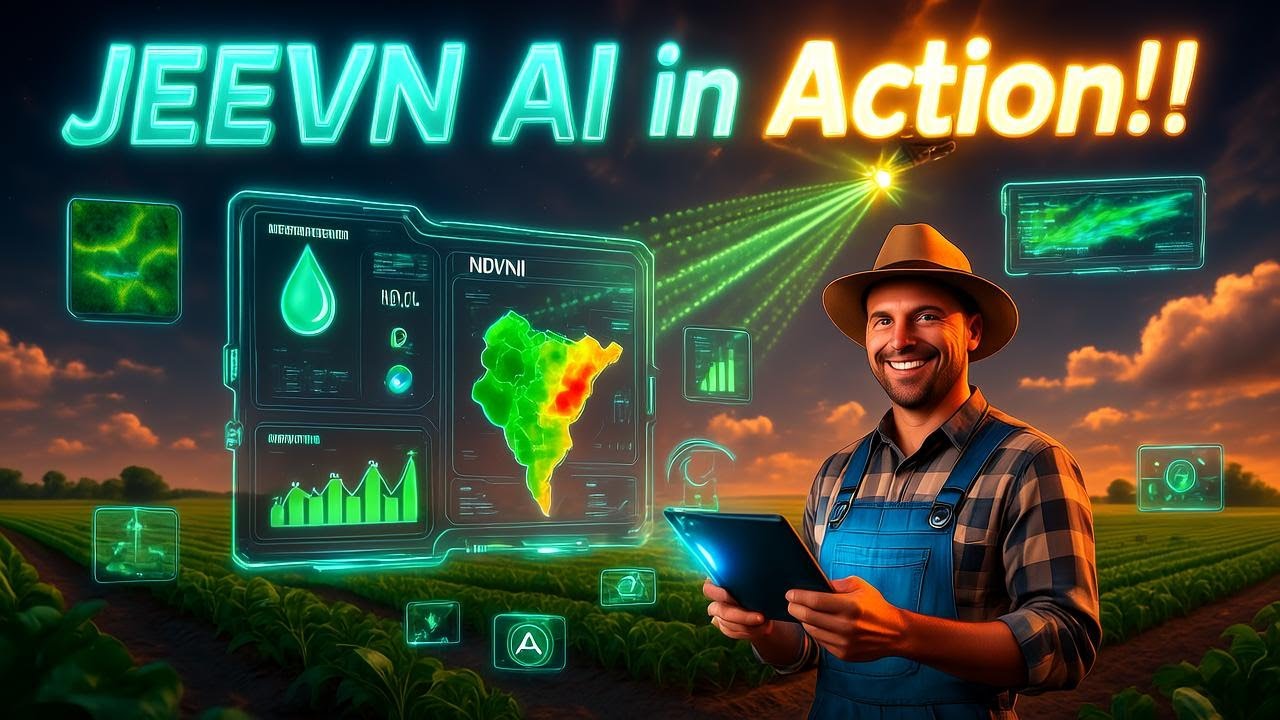
- ✔ Jeevn AI Advisory: Uses AI to optimize fertilizer, irrigation, and pest management, tailoring advice to each field’s conditions.
- ✔ Carbon Footprinting Module: Tracks carbon emissions—see Farmonaut Carbon Footprinting solution.
- ✔ Fleet & Resource Management: Real-time monitoring of agricultural machinery to reduce costs (see Fleet Management).
- ✔ Blockchain-Based Traceability: Ensures authenticity across the agricultural supply chain (see Traceability solutions).
Our all-in-one platform is available for web and mobile. Developers and corporate users can directly integrate Farmonaut’s APIs: discover our open satellite API and detailed developer docs.
Key Insights and Pro Tips for Modern Farming Success
- 🌱 Invest in soil monitoring: Soils form the foundation of agriculture. Integrated technological solutions, like those from Farmonaut, ensure real-time tracking of soil health parameters and early warning for nutrient deficiencies.
- 📊 Harness data for decision-making: Satellite imagery, sensors, and AI-driven insights transform raw data into field-level predictions, helping plan irrigation, fertilizer, and pesticide application more precisely.
- ♻️ Prioritize sustainability: Combining conservation tillage and cover cropping with modern tools helps maintain organic matter and reduce carbon loss.
- ⚙ Optimize machinery use: Monitor tractors and other equipment to reduce fuel use and emissions—Fleet Management platforms can help cut operational costs.
- 🌾 Improve traceability: Blockchain integration ensures secure, transparent movement of produce from field to market, boosting consumer and investor confidence.
🌱 Modern Farming Key Benefits
- ✔ Data-driven yield optimization
- ✔ Improved crop quality
- ✔ Resource and input efficiency
- ✔ Lower operational waste
- ✔ Scalable and adaptable systems
⚠ Modern Farming Limitations
- ⚠ High capital requirements
- ⚠ Environmental externalities
- ⚠ Loss of traditional knowledge
- ⚠ Rural technical challenges
- ⚠ Tech dependency risks
Frequently Asked Questions (FAQ) – Modern Farming and Agricultural Practices in 2026
What are the top advantages and disadvantages of modern farming in 2026?
Advantages: Greater yields, efficient resource use, scalable operations, and improved monitoring.
Disadvantages: High startup costs, potential environmental loss, soil structure degradation under poor management, and technological dependence.
How does ploughing impact soil and sustainability?
Ploughing enhances aeration and weed control but can cause erosion and organic matter loss, making it less sustainable with continuous or deep tillage.
Is broadcasting recommended for all crops?
No. While quick and simple, broadcasting is best for cereals and pastures. For high-value crops requiring precise spacing, row planting or drilling is preferred.
How do platforms like Farmonaut support modern farming?
We offer real-time, affordable satellite-driven insights for crop health, input management, equipment tracking, and environmental monitoring—making data actionable for every stakeholder.
What is the sustainability score, and why does it matter?
The sustainability score combines environmental, social, and economic criteria. Methods scoring higher protect soils, water, and climate for future productivity.
Conclusion: Towards Sustainable, Data-Driven Agriculture
As we look ahead to 2026 and beyond, the advantages and disadvantages of modern farming continue to shape our agricultural future. While modern systems increase yields, improve management, and enhance efficiency, their environmental and socioeconomic impacts must be carefully managed. Traditional ploughing and broadcasting remain valuable for specific contexts, but integrating advanced precision agriculture methods maximizes their benefits while minimizing adverse effects.
Embracing a mixed approach—combining technological innovations with ecological stewardship—will be crucial for optimizing soil health, sustaining crop yields, and supporting communities worldwide. At Farmonaut, we are dedicated to providing inclusive, affordable satellite and AI-driven tools for all farmers, businesses, and governments striving to meet global food and environmental goals.
Let us invest in high-quality data, strategic planning, and continuous learning so that agriculture in 2026 is productive, sustainable, and resilient—for our fields, our communities, and our planet.
Choose Your Farmonaut Subscription
Discussion
Questions, corrections or field experience? Share them below. First-time comments are reviewed before they appear, and your email is never published.
No comments yet. Be the first to add a question or your experience.

 AgroGreen Dynamics
 Leher
Leher AgroRisk
 Oath Inc
 Reddane Farming
 Esri North East Africa
 Cresol
 Atur Kuliner
 MDCV UK
 Zerella Group
 Etech Consulting Madagascar
 Vestlandsforsking
 Agritein
 Delicio
 WB Dev
 Sama Premium
 Prochecker
 Tres Valles
 LACOS Geoinformation
 Magrifly
 LatConnect 60
 Blickwinkel
 Agricultural Credit Policy Council
