

Agricultural Hedging: Top 2026 Price Stability Strategies
“Over 70% of large farms plan to use data analytics for hedging price risks by 2026.”
Table of Contents
- Introduction: Agricultural Hedging in 2025-2026
- Understanding Agricultural Hedging
- Key Agricultural Hedging Instruments & Mechanisms
- Challenges in Modern Agricultural Hedging
- Leveraging Technology & Data Analytics
- Comparison Table: 2026 Agricultural Hedging Strategies & Tools
- Policy, Support Systems & Market Developments
- Farmonaut: Satellite, AI & Tech-Driven Agricultural Risk Management
- Expert Callouts: Key Insights, Pro Tips & More
- Visual Lists: Best Practices & Common Mistakes
- Frequently Asked Questions on Agricultural Hedging
- Conclusion & Next Steps
Introduction: Agricultural Hedging in 2025-2026
In the rapidly evolving agricultural sector, price unpredictability and market volatility have become central challenges for farmers, agribusinesses, and stakeholders worldwide. As we approach 2025 and beyond, the need for effective agricultural hedging strategies to secure farm income, stabilize cash flows, and provide resilience against market shocks has never been greater. This comprehensive guide explores advanced approaches, essential tools, and technology-driven solutions that help us navigate price risk, lock in revenue, and withstand the turbulence caused by climatic, geopolitical, and economic fluctuations.
With demand for global food supplies on the rise, existing market mechanisms are adapting—encompassing futures contracts, options, forward contracts, and AI-powered analytics. This transformation is crucial for sustainable agriculture, long-term profitability, and food security. Join us as we delve into how the smartest producers will manage price risk and ensure stable income in 2026 and beyond.



Effective agricultural hedging doesn’t just prevent financial loss; it enables long-term planning, capital investment, and business scalability—even in highly volatile global markets.
Understanding Agricultural Hedging in Modern Markets
Agricultural hedging remains the primary method for farmers and producers to offset potential losses that arise from unpredictable price swings of crops and livestock. At its core, hedging involves using financial instruments or market mechanisms that act as insurance against adverse price developments. While no hedging approach guarantees profits, they help stabilize income and make farm revenue more predictable, essential for financial management and investment decisions.
How Does Hedging Work?
- Producers use standardized contracts (e.g., futures, options, forward contracts)
- These instruments lock in prices for future dates, covering crops or livestock ahead of the harvest or sale
- Hedging strategies might also combine physical inventory management and insurance products
- Increasingly, data analytics and digital tools make real-time risk management actionable for even smaller, local operations
Primary Goals of Agricultural Hedging:
- Stabilize cash flows for farm operations
- Protect against drastic revenue drops from market volatility
- Enable informed production and marketing decisions
- Facilitate better credit access and investment opportunities
Market volatility, driven by global supply and demand, trade policies, climate change effects, and geopolitical disturbances, makes hedging an increasingly vital strategy. Producers who hedge face less risk and can better withstand downturns, ensuring agricultural operations remain viable—even amidst unpredictable markets.
Price stability strategies, underpinned by advanced hedging and analytics, contribute to greater creditworthiness—making farm investments more attractive and secure for lenders and investors.

Key Agricultural Hedging Instruments & Mechanisms in 2025-2026
Modern agricultural hedging revolves around a suite of tools and instruments tailored to address supply, demand, and price uncertainties. Below, we outline the most common strategies farmers, agribusinesses, and market participants utilize globally:
1. Futures Contracts
- Definition: Standardized agreements traded on recognized exchanges obligating the seller to deliver a specified quantity of a commodity (corn, wheat, soybeans) at a predetermined price and future date.
- How it works: A wheat farmer can sell September 2026 futures in March, locking in a price during the planting season, mitigating risk of downturns at harvest.
- Benefits: High liquidity, standardized, monitored by exchanges for counterparty risk.
- Limitations: May not perfectly match local cash prices (basis risk), require brokerage accounts, need active market management.
2. Options Contracts
- Definition: Provide the right—but not the obligation—to buy or sell a specific amount of commodity at a set price on or before expiration.
- How it works: A soybean producer buys a “put option,” guaranteeing the right to sell at today’s market price if prices drop, but still able to benefit if prices rise.
- Benefits: Flexibility, limited downside, upside potential retained.
- Limitations: Option premiums add cost, complexity in choosing strikes and expirations.
3. Forward Contracts
- Definition: Private over-the-counter agreements to sell specified quantity products at an agreed price and future date.
- How it works: A local grain elevator offers a corn forward contract to small-scale farmers, guaranteeing a price at upcoming harvest date.
- Benefits: Highly customizable (quantity, quality, delivery date), less standardization suits smaller operations.
- Limitations: Counterparty risk, less liquidity than futures, often not transferrable.
4. Crop Insurance + Market Hedging
- Definition: Blends traditional crop insurance (e.g. weather, yield, revenue protection) with market hedging to address price and yield variability together.
- How it works: Producers purchase revenue-based cover and simultaneously use futures, options or forwards contracts to manage market risk.
- Benefits: Comprehensive approach, suited for highly volatile years (2025-2026), often incentivized by government policies.
- Limitations: Higher cost, complexity in integrating products.
5. Data-Driven Digital Platforms
- Definition: Technology platforms (like Farmonaut) that leverage satellite imagery, AI, and real-time market data to support risk management, contract execution, and advisory.
- How it works: Farmers receive tailored alerts, price recommendations, and automated contract strategies—detecting optimal times to lock in prices or adjust hedging positions based on evolving market or weather data.
- Benefits: Accessible for smaller operations, democratizes hedging tools, integrates production and market data for better decisions.
- Limitations: Internet and tech access required; may require digital literacy development amongst traditional producers.

Visual List: 5 Key Benefits of Agricultural Hedging
- ✔ Income Stability: Enables more predictable cash flows and risk-averse financial planning.
- 📈 Improved Access to Loans: Stable revenue streams attract credit and investment.
- ⚖ Reduced Market Volatility Exposure: Direct protection against adverse price swings.
- 🔎 Market Discipline: Encourages ongoing market research and production planning.
- 🌱 Supports Sustainable Agriculture: By mitigating losses, allows for reinvestment in eco-friendly farming practices.
Challenges & Considerations in 2025’s Agricultural Hedging
While hedging provides invaluable benefits for the agricultural sector, several challenges persist in 2025 and 2026. Successfully navigating these is essential for long-term market effectiveness and farm sustainability.
Major Challenges Farmers Face:
- Complexity of Financial Instruments: Options, futures, and forwards contracts can be intricate, often requiring formal training and digital literacy.
- Basis Risk: Differences between local cash prices and exchange-traded contract prices can result in unhedged risk exposure.
- Technology Gaps: Not all local or smaller producers have immediate access to advanced digital platforms or reliable internet.
- Cost and Margin Management: Premiums for options, contract fees, and opportunity costs reduce net returns if not managed strategically.
- Changing Global Trade Policies: Rapid shifts in trade, tariffs, and supply chain disruptions may quickly alter market dynamics and optimal strategies.
Many producers underestimate the impact of basis risk or neglect to align contract volumes and delivery periods with real farm output, resulting in incomplete price protection.
Visual List: Technology & Hedging—What to Watch For
- 🛰 Remote Monitoring: Use satellite insights to monitor crop health and predict yield risks
- ⏰ Real-Time Alerts: Automated notifications for key market moves, weather extremes, or contract execution deadlines
- 📱 Mobile Accessibility: Ability to manage hedging positions on smartphones for farmers in the field
- 🤖 AI-Powered Advisory: Decision support tools providing recommended hedging strategies
- 🔗 Blockchain Traceability: Secure, transparent transaction records for contract execution, ensuring compliance and trust

“Advanced hedging tools reduced commodity price volatility impact on farm income by 25% in 2025.”
Leveraging Technology & Innovation for Smarter Agricultural Hedging
Technological advancements have fundamentally transformed the hedging landscape, especially for farmers and agribusinesses seeking to counter volatile markets in 2025-2026. From satellite imagery to machine learning, new tools are making hedging more accessible, predictive, and tailored to each operation’s unique risk profile.

The Power of Data Analytics & Digital Platforms
- 📊 Satellite Data for Early Warning: Real-time vegetation indices (NDVI) predict yield risks before market disruption occurs.
- 🤖 AI-Based Advisory: Custom alerts suggest optimal moments to lock in prices or adapt hedging positions.
- 🔒 Blockchain Traceability: Ensures secure, transparent, and auditable contracts, facilitating trust in market dealings.
- 🔄 Automated Contract Execution: Reduces manual errors and ensures timely hedge implementation.
- 🌐 API Integration for Seamless Operations: Integrate your farm management system directly with digital platforms for constant data flow and advisory.
Farmonaut offers a robust API system (see Farmonaut API)—leveraging satellite, AI, and blockchain-based features to empower both large and small agricultural producers and streamline risk management.
Developers and business partners can integrate directly with our API Developer Docs for complete control over agricultural risk analytics and reporting functionalities.

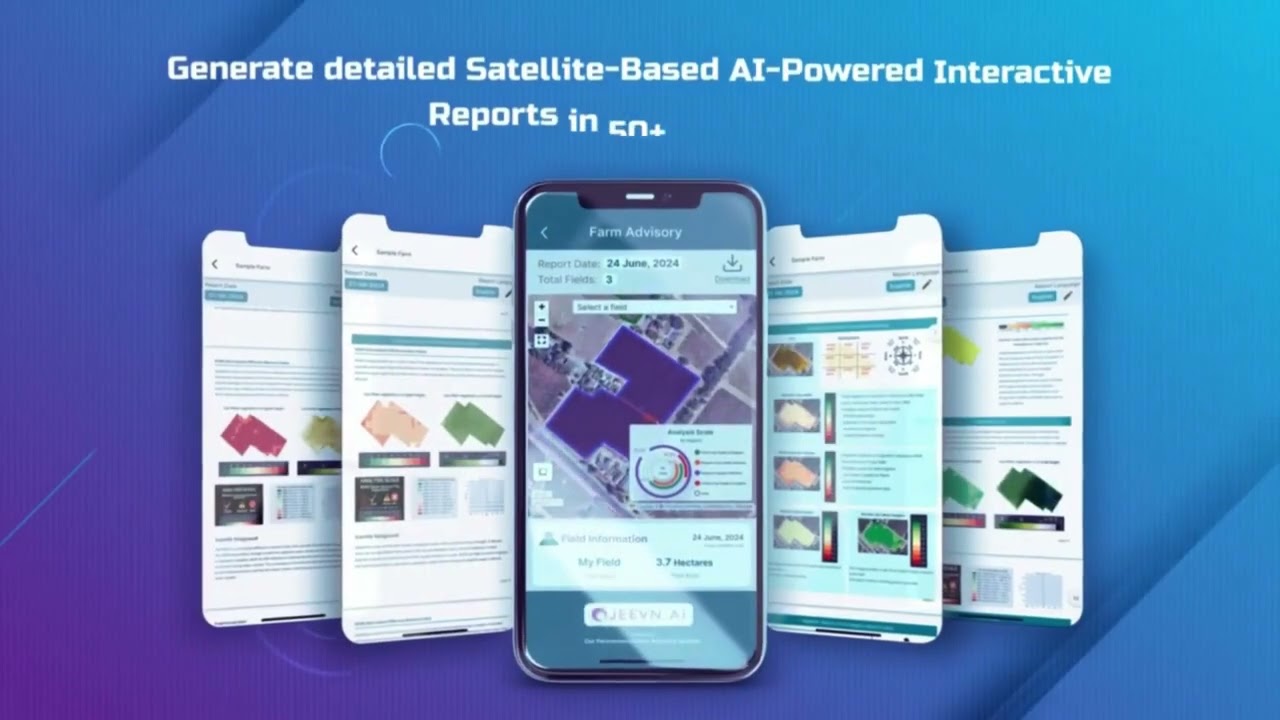
Combine crop insurance and digital hedging analytics to cover both yield and market risk—delivering comprehensive, year-round price protection.

Comparison Table of Agricultural Hedging Strategies & Tools for 2026
The following table presents a concise comparison of essential hedging strategies, their mechanisms, risk reduction potential, costs, technological requirements, and integration with data analytics for the 2025-2026 market environment.
Digital platforms not only enhance risk reduction but provide continuous monitoring for climate, yield, supply chain, and price anomalies—all in one unified system.
Policy, Support Systems & Evolving Agricultural Markets
In response to global food demand increases, climate-driven yield variability, and international trade uncertainties, governments and financial institutions play a critical role in the widespread adoption of hedging strategies:
- Policy Support: Subsidies, training, and digital literacy programs to increase access to hedging platforms for local and smaller farmers
- Risk-Sharing Schemes: Bundling crop insurance and hedging for comprehensive farm income protection
- Market Infrastructure: Support for transition to exchange-traded platforms, improving transparency and liquidity
- Environmental Oversight: Emphasis on sustainable agriculture, monitoring carbon emissions (Farmonaut Carbon Footprinting helps ensure compliance and traceability for climate impact)
- Supply Chain Security: Technology-assisted traceability (Farmonaut Traceability) ensures food integrity, consumer trust, and food safety—vital as global supply chains expand
The result: emerging policies and technology together facilitate market resilience, making sure that producers can withstand turbulence from both natural and economic sources.
Farmonaut: Technology-Driven Agricultural Risk Management for 2025-2026
As a global leader in satellite and AI-driven analytics, Farmonaut provides farmers, retailers, enterprises, and governments with the tools to monitor crops, predict risk, and execute smarter market strategies:
- 🛰 Satellite-Based Monitoring: Multispectral imaging for NDVI, crop stress, and early warning of production challenges
- 🤖 AI Advisory (Jeevn AI): Real-time strategies for optimal marketing and hedging, weather forecasting, and input suggestions
- 🔗 Blockchain Traceability: Secure documentation for agricultural contracts and transactions, fostering trust in supply chains
- 🔄 Fleet & Resource Management: Efficient vehicle and machinery tracking for large and small-scale producers
- 🌏 Environmental Impact Monitoring: Track carbon, water, and resource use to comply with evolving global sustainability standards
Our subscription-based model democratizes access to cutting-edge analytics—enabling both local and large-scale customers to benefit from the latest agri-financial technologies. By connecting producers, regulators, and institutions with the right insights, Farmonaut supports income stability, sustainability, and resilience amidst ongoing change.

For organizations looking to scale efficiently, the Farmonaut Large Scale Farm Management solution (learn more here) centralizes monitoring, resource allocation, advisory, and compliance—ensuring you stay ahead in ever-volatile markets.
Need seamless access to crop loans or insurance? Farmonaut’s Crop Loan and Insurance verification uses satellite data to enhance eligibility, reduce fraud, and speed up credit access for your agricultural operation.
Geospatial and mining businesses also leverage Farmonaut’s tools for operational risk assessment, environmental compliance, and data-driven resource management—fortifying investment value in volatile sectors.
Expert Callouts: Best Practices & Actionable Insights
- 🚦 Prioritize Early Hedging: Implement risk strategies ahead of harvest for the best price insurance.
- 💡 Mix Instruments: Combine options, futures, and forward contracts to spread risk across instruments.
- 🛠 Automate Monitoring: Use AI-driven alerts and satellite platforms for proactive management.
- 🌐 Stay Policy-Aware: Monitor local and global trade policies which can affect price and supply security overnight.
- 📈 Track Results: Consistently evaluate hedging outcomes versus open-market sales to refine decision models.
Visual List: Avoid These Common Mistakes
- ❌ Over-hedging without accurate yield estimation
- ❌ Ignoring transaction costs and net returns
- ❌ Relying on outdated forecasts or manual price tracking
- ❌ Poor volume alignment between contracts and actual output
- ❌ Failing to maintain digital traceability for buyers and lenders
Visual List: Best Practices for 2026
- ✔ Use integrated satellite & AI tools for ongoing risk analysis
- ✔ Blend insurance, contracts, and digital market monitoring for holistic protection
- ✔ Engage in peer networks and training for emerging hedging opportunities
- ✔ Maintain up-to-date financial records and cash flow models
- ✔ Regularly evaluate environmental impact to meet regulatory and investor standards
Frequently Asked Questions on Agricultural Hedging
What is agricultural hedging and why is it essential in 2025-2026?
Agricultural hedging is the use of market instruments—like futures, options, and forward contracts—to manage the risk of price fluctuations in commodities. It is essential in 2025-2026 due to increased market volatility caused by climate change, evolving trade policies, and uncertain supply and demand in global markets. Hedging protects farm income, stabilizes cash flows, and enhances financial planning.
Which hedging instrument is best for small and local farmers?
Forward contracts and digital data-driven platforms are often most suitable for small and local farmers. Forwards provide simple, direct agreements without the complexity of exchange trading; digital platforms lower barriers by offering risk analytics and contract tools in user-friendly formats.
How does climate change affect hedging strategies?
Climate change increases the unpredictability of crop yields and market demand, resulting in greater price volatility. Effective hedging strategies for 2025-2026 must integrate real-time weather and yield monitoring, often available through AI and satellite-powered tools, so producers can proactively adjust their market positions.
Why integrate crop insurance with market hedging?
Combining crop insurance with hedging instruments creates comprehensive protection for both yield and price risks. This integrated approach is increasingly incentivized by policy and represents a best practice for securing revenue stability in uncertain markets.
What role do technology platforms like Farmonaut play in agricultural hedging?
Platforms like Farmonaut provide actionable insights via satellite, AI, and blockchain technologies. They automate risk analysis, deliver contract alerts, integrate with crop and weather data, and help optimize both production and marketing strategies—making advanced hedging accessible for all producer segments.
Conclusion: Agricultural Hedging in 2025-2026—Empowering Producers Against Volatility
Agricultural hedging remains a vital tool for securing farm income amidst the continuing uncertainty of global markets. By leveraging advanced contracts, blending crop insurance, and adopting AI-powered data-driven platforms, farmers can shield themselves from volatility, stabilize cash flows, and ensure sustainable business growth. The integration of technology with traditional risk management has become the new standard—fostering resilience, supporting global food security, and enabling the next generation of agricultural innovation.
Whether you’re a smallholder or managing vast acres, 2025-2026 is the time to modernize your approach, utilize digital advisory, and participate in increasingly sophisticated hedging strategies. Explore cutting-edge solutions, and position your farm, agribusiness, or institution for long-term success in the global agricultural sector.

 Delicio
 Payagri
 WB Dev
 Sama Premium
 Prochecker
 Tres Valles
 LACOS Geoinformation
 Pulsar Supernova
 Magrifly
 LatConnect 60
 WebsEdge
 Blickwinkel
 Agricultural Credit Policy Council
 MCSOD
MCSOD Marei Nursery
 eKGIS
eKGIS Mostas Tech
 Andex
Andex FCF India
 Unifrutti Gulf
 Deluxe Conseil
