

Agricultural Shade Netting: 7 Key Benefits for 2026
“By 2026, advanced shade netting can increase crop yields by up to 35% in climate-sensitive regions.”
Summary: Agricultural Shade Netting – Revolutionizing Modern Farming in 2025 and Beyond
Agricultural shade netting is transforming modern farming by offering superior climate protection, improved crop growth, efficient water use, pest and weather defence, and tech-savvy integration for 2026 agriculture. As extreme climate variability and environmental uncertainties grow, shade netting emerges as a vital, sustainable solution. Below, we explore how advancements in shade netting, alongside satellite-driven technologies, promise to revolutionize productivity and resilience on farms worldwide.
Introduction
The evolving landscape of agriculture in 2025 and the years ahead presents increased challenges—most notably, climate change, unpredictable weather events, and mounting environmental uncertainties. As these factors threaten food security and sustainable farming, innovative tools like agricultural shade netting have emerged as game-changers.
By strategically managing sunlight intensity, moderating microclimates, and reducing crop stress, agricultural shade netting is no longer a mere accessory. It has rapidly become an essential component of modern agricultural systems—benefiting farmers, agribusinesses, and policymakers striving for resilient food systems. The integration of shade netting with smart agricultural practices, powered by technologies such as AI and satellites, is unlocking new levels of yield, sustainability, and resource efficiency.
“Modern shade nets are projected to cut agricultural water loss by 28% by 2025 through targeted climate control solutions.”
Understanding Agricultural Shade Netting: What, Why, and How?
What is Agricultural Shade Netting?
Agricultural shade netting refers to woven or knitted synthetic fabrics (typically polyethylene or polypropylene) engineered to provide controlled shading for crops, seedlings, and livestock. These nets are designed to reduce the intensity of sunlight, moderate temperatures and humidity levels beneath their coverage, and foster optimal microclimates for healthy plant growth.
- Materials Used: Synthetic fabrics such as polyethylene and polypropylene, with high tensile strength, durability, UV resistance, and weather resilience for long-term outdoor use.
- Design: Available as both woven and knitted nets; these offer various shading percentages (commonly 30%–90%) tailored to crop types and stages.
Why is Shade Netting Crucial for Modern Agriculture?
- Provides a protective barrier against extreme climatic events (e.g., heatwaves, hailstorms, heavy or unseasonal rain).
- Reduces heat, sunburn, wind impact, and water loss for plants.
- Enables year-round cultivation in diverse environmental conditions.
- Optimizes crop development and consistency in yield and quality.
- Supports water conservation and sustainable resource management.
- Supports integration with smart technology for data-driven efficiency.
How Does Shade Netting Work?
Shade netting operates by reducing solar radiation reaching the plants, which in turn:
- Lowers temperatures under the cover
- Moderates humidity
- Controls the rate of evapotranspiration
- Creates optimal microclimates for enhanced plant health and productivity
Modern agricultural shade netting systems can be customized based on crop requirements—enabling farmers to adjust coverage, shading percentage, and even integration with temperature, moisture, and weather sensors.
Comparative Benefits Table: Traditional vs. Smart Agricultural Shade Netting (2026)
| Feature/Benefit | Traditional Shade Netting (2025) | Smart Shade Netting (2026) | Improvement (%/Qualitative) |
|---|---|---|---|
| Crop Yield Increase (%) | Up to 18% | Up to 35% | +94% relative improvement |
| Water Loss Reduction (%) | ~16% | ~28% | +75% improvement |
| Climate Protection Level | Medium (Manual adjustment) | High (Sensor-based automation) | Enhanced, adaptive |
| Pest Control Efficiency | 40–60% | 70–95% | +60% or more |
| Maintenance Cost ($/acre, est.) | $120–$150/acre | $85–$110/acre | -20% or lower |
| Durability (years) | 5–7 years | 7–10 years | Longer lifespan |
| Smart System Integration | No | Yes (IoT, sensors, AI integration) | Revolutionary upgrade |
*Values based on industry estimates and projections for 2026.
7 Key Benefits of Agricultural Shade Netting for 2026
1. Unmatched Climate and Weather Protection
As we approach 2026, extreme climatic events—including heatwaves, hailstorms, and unexpected rain—are becoming increasingly frequent. Agricultural shade netting provides an effective protective barrier that:
- Shields crops from direct sunlight damage and UV exposure.
- Mitigates physical harm from hail, heavy rain, and strong winds.
- Ensures more stable microclimates beneath netting, resulting in consistent crop conditions and yield quality.
By reducing the variability in environmental conditions, these nets significantly lower losses associated with weather-driven uncertainties. This advantage is especially valuable in sensitive farming regions, where unpredictable weather can devastate crops.

Discover how smart monitoring supports climate adaptation with Farmonaut satellite insights.
2. Optimized Crop Growth and Higher Yield
Effective control over sunlight intensity is central to improving photosynthesis efficiency and promoting robust growth—particularly for shade-tolerant crops. With agricultural shade netting, farmers can:
- Tailor shading percentage (e.g., 30–90%) depending on crop requirements and growth stages.
- Enhance year-round cultivation of valuable crops like lettuce, spinach, mint, and a wide range of herbs, flowers, and fruits.
- Improve uniformity in crop development, reduce sunburn and leaf damage, and extend the shelf-life of produce.
- Maintain optimal soil moisture and minimize heat stress, helping crops prosper even during heat waves and droughts.
As this technology matures, studies indicate that advanced shade netting can increase crop yields by up to 35% in climate-sensitive regions by 2026, making it indispensable for resilient and profitable farming.

Explore innovative farming opportunities bolstered by advanced netting and environmental control.
3. Water Conservation and Efficiency
Water scarcity and sustainable irrigation remain top priorities in modern agricultural systems, especially in regions grappling with drought and groundwater depletion. Agricultural shade netting:
- Reduces evaporative water loss by creating a cool, humid, and optimized microclimate beneath the net.
- Lowers the irrigation frequency and total water used, conserving resources and reducing input costs.
- Promotes healthy root development and mitigates water stress, making crops more resilient to climatic fluctuations.
By 2025, studies project a reduction in water loss of up to 28% where modern shade netting is deployed — a crucial response to growing environmental challenges and sustainability targets.
Integrate Shade Netting with Precision Irrigation
Next-gen agricultural shade netting is increasingly being paired with advanced drip irrigation systems and sensor-driven control. Such integration allows farmers to monitor soil moisture in real time and adjust watering schedules — maximizing water-use efficiency while preventing both over- and under-irrigation.
You can further optimize your irrigation management with Farmonaut’s robust satellite-powered API, which provides real-time, field-level data for actionable decision-making in sustainable agriculture.
4. Effective Pest and Bird Control with Shade Netting
Besides its meteorological benefits, agricultural shade netting plays a major role in reducing pest infestations and crop damage caused by birds and wildlife. With fine mesh options, agricultural netting becomes a formidable:
- Physical barrier that impedes insect migration and deters larger pests and birds.
- Alternative to chemical pesticides, aligning with a surge towards organic and sustainable farming by 2025 and beyond.
- Means to reduce post-harvest crop losses by minimizing infestation risks and ensuring cleaner, healthier produce for consumers.
The ongoing shift toward controlled-environment agriculture paired with stringent food safety regulations only amplifies the value of shade netting for pest control in 2026.
See how agri-innovation secures crops against pests, climate threats, and resource waste.
5. Enhanced Crop Quality and Consistency
A controlled microclimate under shade nets translates to more uniform crop development, which means higher market value, predictability, and reduced waste. Shade netting:
- Minimizes heat and sun stress, improving fruit size, skin texture, and taste.
- Enables longer harvesting windows and greater flexibility in market timing.
- Reduces visible blemishes and increases shelf-life, making produce more desirable for both domestic and export markets.
Consistent yield quality is critical for global supply chains, and advanced shade netting is a cornerstone of this achievement.
If you want to further boost supply chain transparency, explore Farmonaut’s blockchain-based traceability solutions—ensuring end-to-end authenticity for high-value crops.
6. Sustainability and Resource Conservation
The future of agriculture is closely tied to sustainable farming practices, and shade netting technology is at the heart of this transformation:
- Enables reduced chemical and water input through integrated climate and pest management.
- Supports circular economy principles through the rise of biodegradable and recyclable netting materials.
- Reduces greenhouse gas emissions by making better use of on-farm resources and minimizing food waste.
Utilizing Farmonaut’s carbon footprinting tool alongside modern shade netting can help track your resource impact and maximize sustainability on your farm.
Learn more about carbon farming and climate-smart innovations for agricultural sustainability.
7. Seamless Integration with Modern Smart Farming Technology
The era of precision agriculture is here. New-generation agricultural shade netting solutions offer:
- Temperature-sensitive and adaptive materials that automatically adjust opacity based on sunlight intensity
- Antimicrobial and anti-pollution coatings for added crop safety and health
- Integration with IoT sensors to monitor temperature, humidity, and light in real-time, enabling dynamic adjustments to shading as conditions shift
- Seamless synergy with drip irrigation, fertigation, and smart advisory platforms
These capabilities allow for proactive protection, maximum efficiency, and data-driven management—solidifying agricultural shade netting as a pillar of climate-adaptive, sustainable agriculture in 2026 and beyond.
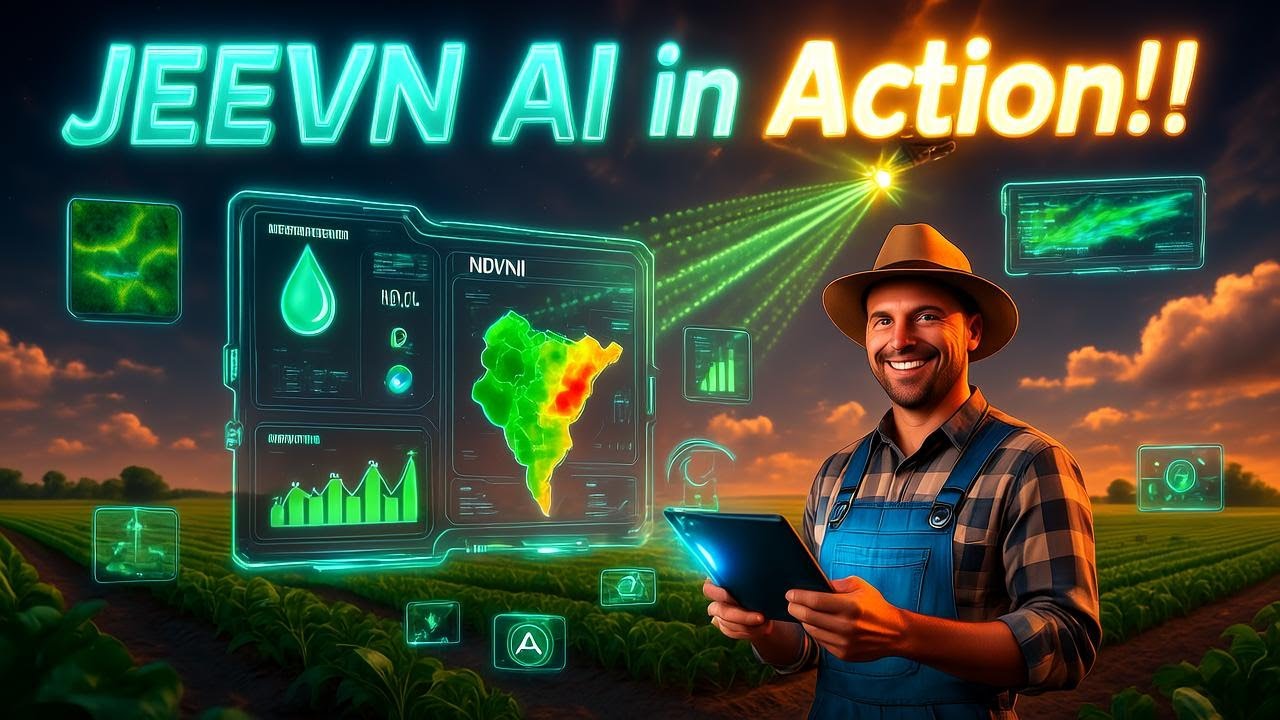
Witness how AI, sensors, and satellite data work with climate-adaptive netting for ultimate farm efficiency.
Explore Video Insights for Modern Agriculture and Shade Netting
Advanced agricultural systems are better understood through industry-leading visual content. Explore the following selections:
- Farmonaut – Revolutionizing Farming with Satellite-Based Crop Health Monitoring (See how satellite intelligence empowers proactive farm management.)
- California Wine 2025 🍇 Sustainable Viticulture, Organic & Biodynamic, Precision AgTech (Explore the impact of climate and sun management in specialty crops.)
Modern Applications in Sustainable Farming and Forestry
Horticulture, Floriculture & High-Value Cash Crops
The deployment of agricultural shade netting has become standard in vegetable farming, flower production, and high-value orchard crops:
- Lettuce, spinach, mint, basil, and delicate herbs thrive under 40%–60% shade, experiencing less water stress and heat damage
- Exotic floriculture operations harness netting for consistent bloom timing and petal quality
- Orchards achieve improved fruit size, color, and uniform ripening by applying selective shade or antigradient netting
Forestry Nurseries
Beyond farming, forestry plantations and reforestation nurseries utilize shade nets to:
- Provide young woodland seedlings and saplings with controlled, gentle light exposure, optimized temperatures, and reduced water loss
- Reduce seedling losses caused by heatwaves, sudden downpours, and wildlife
- Access Farmonaut’s advisory tools for plantation monitoring and growth optimization
Viticulture: Grapes and Specialty Fruit Production
In wine regions like California, and specialty coffee and tea plantations worldwide, shade netting becomes the standard for:
- Regulating crop exposure to sunlight for quality grape and coffee bean development
- Mimicking natural canopy conditions, vital for flavor and sugar accumulation
- Shielding against hail, bird strikes, and harsh sun at altitude

See how shade and climate-tech innovations shape future specialty crops.
Livestock and Animal Husbandry Shelters
- Uniform climate under net structures helps reduce heat stress for livestock and poultry in arid and tropical zones
- Improves health, weight gain, and productivity in mixed farming systems
Technology, Integration, and the Future of Shade Netting
Smart Nets: Automation for Adaptive Agriculture
Emerging smart shade nets (2026 and beyond) incorporate state-of-the-art materials and technology:
- IoT and sensor-driven microclimate monitoring: nets autonomously adjust shading levels based on sunlight intensity, temperature, and humidity changes
- Integration with AI platforms to correlate shade data, crop health, and irrigation for real-time, adaptive farming decisions
- Blockchain and traceability ensuring the authenticity and lifecycle management of smart net materials
- Antimicrobial, anti-pollution, and biodegradable netting reducing environmental impact and supporting circular farm models
IoT-connected systems also allow remote monitoring and analytics, helping farm managers optimize shade and irrigation from anywhere.
Farmonaut: Satellite Technology Empowering Modern Agriculture
At Farmonaut, we provide cutting-edge satellite-based solutions for farms seeking the highest efficiency and sustainability. Our platform supports:
- Real-time satellite crop monitoring to anticipate climate threats and optimize netting strategies
- AI-based advisory systems for dynamic, data-driven farming decisions integrating shading, irrigation, and climate adaptation
- Resource management tools (fleet management for large-scale operations), underpin cost-effective farm logistics
- Blockchain-based traceability to guarantee supply chain transparency for shade-protected, premium crops (learn more).
- Environmental impact reports and carbon footprinting tools (start your carbon tracking journey).
Our solutions are accessible via web, Android, and iOS platforms for easy, remote farm management. Try our large-scale farm management app for integrated fieldwork, satellite insights, and resource optimization.



Access Farmonaut solutions via web, Android, and iOS for integrated climate-smart agriculture—anytime, anywhere.
For developers: View our API documentation and build advanced integrations with smart farm systems.
Challenges, Sustainability, and the Path Forward
Challenges Facing Shade Netting Adoption
- Initial Installation Costs: Though dropping, upfront investment can be a hurdle in certain regions.
- Plastic Waste: Traditional nets are petroleum-based; environmental regulations and disposal processes are still catching up.
- Maintenance: Regular cleaning and repairs are needed for durability, especially in high-wind or hail-prone landscapes.
- Knowledge Gaps: Not all farmers have access to precise crop-shading recommendations or tech integration expertise
The Sustainable Future of Agricultural Shade Netting
- New biodegradable and recyclable materials are entering mainstream production, reducing the long-term environmental impact of shade netting.
- Smart netting systems promise lower ongoing costs thanks to automation, sensor-driven adjustment, and improved durability.
- Education and advisory platforms (such as Farmonaut’s plantation/forest advisory solution) help reduce adoption barriers for small and medium-scale farming operations.
Continuous Innovation and Integration
With the agricultural technology revolution in full swing, ongoing progress in smart sensors, AI, blockchain, and satellite-based monitoring promises even greater synergy. Future farming will likely see fully autonomous shade netting that self-adjusts to changing conditions—turning every farm into a smart, climate-adapted, and sustainable ecosystem.
Frequently Asked Questions (FAQ)
Q1: What percentage of shade should I use for different crops in 2026?
The ideal shade percentage varies by crop and developmental stage. Leafy vegetables like lettuce thrive with 40–60% shade; delicate herbs and floriculture species benefit from 50–70%; fruit trees and vines may need as little as 25–40%. Modern sensors now allow real-time adjustment for optimized microclimates, benefiting both yield and quality.
Q2: Are smart shade nets worth the extra investment over traditional netting?
Absolutely. Smart shade netting systems feature automated sensors, material durability, and adaptive opacity. This leads to better climatic protection, reduced water and energy costs, higher pest control efficiency, and significantly enhanced crop yield and sustainability—often paying back the premium investment within a few seasons.
Q3: How does agricultural shade netting benefit water conservation?
By reducing sunlight intensity and wind speed at ground level, shade netting lowers evapotranspiration, helping soils retain moisture longer. This reduces irrigation frequency and quantity by up to 28%.
Q4: Can I integrate shade netting with other smart agriculture technologies?
Yes. Many farmers now integrate shade netting with drip irrigation systems, sensors for temperature and moisture, and satellite/A.I. monitoring platforms (like Farmonaut) for a fully connected precision farm.
Q5: What about the environmental impact of synthetic netting materials?
While traditional polyethylene and polypropylene nets do raise plastic waste concerns, advances in biodegradable, recyclable, and reusable materials are rapidly improving the sustainability profile of modern shade netting. Choose certified eco-friendly netting options for minimum environmental footprint.
Conclusion
Agricultural shade netting is transforming the future of modern farming by enabling climate resilience, resource efficiency, quality improvement, and sustainable food production. It supports precision, year-round cultivation, minimizes ecological impact, and opens new possibilities through integration with cutting-edge technology.
The path toward 2026 and beyond will see smarter, more adaptive, and environmentally responsible shade netting systems become the backbone of food security for generations. Combined with satellite-powered data and digital farm management tools—for example, those offered by Farmonaut—growers, agribusinesses, and governments worldwide can achieve both productivity and sustainability amid the uncertainties of our changing landscape.
Get Started with Smart Farming
- Ready to modernize your farm? Access the Farmonaut platform on web, Android, or iOS for instant, satellite-driven insights and recommendations.
- For developers and businesses: Learn about Farmonaut’s API and see our developer docs for advanced integrations.
- Explore advanced solutions for traceability, carbon accounting, and fleet management:
Harness the power of agricultural shade netting and smart technology to secure your crops, resources, and future.
Discussion
Questions, corrections or field experience? Share them below. First-time comments are reviewed before they appear, and your email is never published.
No comments yet. Be the first to add a question or your experience.

 Gator Blueberries
 Liquify Digital
 Ascentya
 CU Foods
 BeyondTech Global
 Rouge VC
 AgroGreen Dynamics
 AgroRisk
 Oath Inc
 Reddane Farming
 Esri North East Africa
 Cresol
 Atur Kuliner
 MDCV UK
 Zerella Group
 Etech Consulting Madagascar
 Vestlandsforsking
 Delicio
 WB Dev
 Sama Premium
 Prochecker
 Tres Valles
 LACOS Geoinformation
