

“By 2025, the global agricultural tractors market is projected to reach over $75 billion, fueled by rapid tech adoption.”
Agricultural Tractors Market 2026: Powerful A Tractors Are Driving Modern Farming Forward
Agricultural tractors have remained the indispensable backbone of modern farming and agriculture worldwide for over a century. As we move into 2026, the agricultural tractors market—including powerful A tractors—is rapidly transforming. This evolution is shaped by advanced technologies, sustainability demands, automation, environmental considerations, and the changing landscape of farming practices. To thrive, farmers, manufacturers, and policymakers must deeply understand current market dynamics, trends, and future horizons of this crucial sector.
In this comprehensive analysis, we explore how agricultural tractors market 2026 is boosting productivity and sustainability in agriculture, driven by automation, precision technologies, IoT integration, and climate-smart solutions. Whether it’s digitalization in North America, the rise of electric tractors in Europe, or expanding mechanization across Asia-Pacific and Africa, innovations are propelling modern agriculture into an era of efficiency and growth.



Current Agricultural Tractors Market Landscape (2025–2026)
The agricultural tractors market in 2025 and heading into 2026 stands at a crucial juncture, marked by steady growth across developing countries and mature economies alike.
- Mechanization is rapidly increasing in regions like India, China, and Brazil, replacing manual labor and animal-driven tools on farms of all sizes.
- Efficiency is paramount. Farmers strive to boost crop yields while minimizing input waste—making advanced tractors with smart technology highly attractive.
- Technological advancements (such as precision farming and digital data management) are shaping the future of farming operations globally.
- The demand for rural development and increased productivity is driving government policies for subsidies and financial support, especially in emerging agricultural markets.
Regions such as North America and Europe are seeing a shift towards sophisticated, high-horsepower tractors fitted with advanced features like:
- GPS navigation for automated precision
- Telematics and real-time data collection
- Sensor integration and fully automated steering
- Sustainable machine design, including modular systems
In contrast, Asia-Pacific and Africa remain dominated by small to mid-sized tractors (often under 100 horsepower), a segment crucial for smallholder farms and primary food production.
Did you know? According to recent industry reports, the agricultural tractors market is poised for continued expansion, aiming for innovation, cost-effectiveness, and increased adoption of smart digital tools by 2026. Understanding this landscape is key for any player in the sector seeking to stay ahead!
Smart Farming Revolution: See It in Action
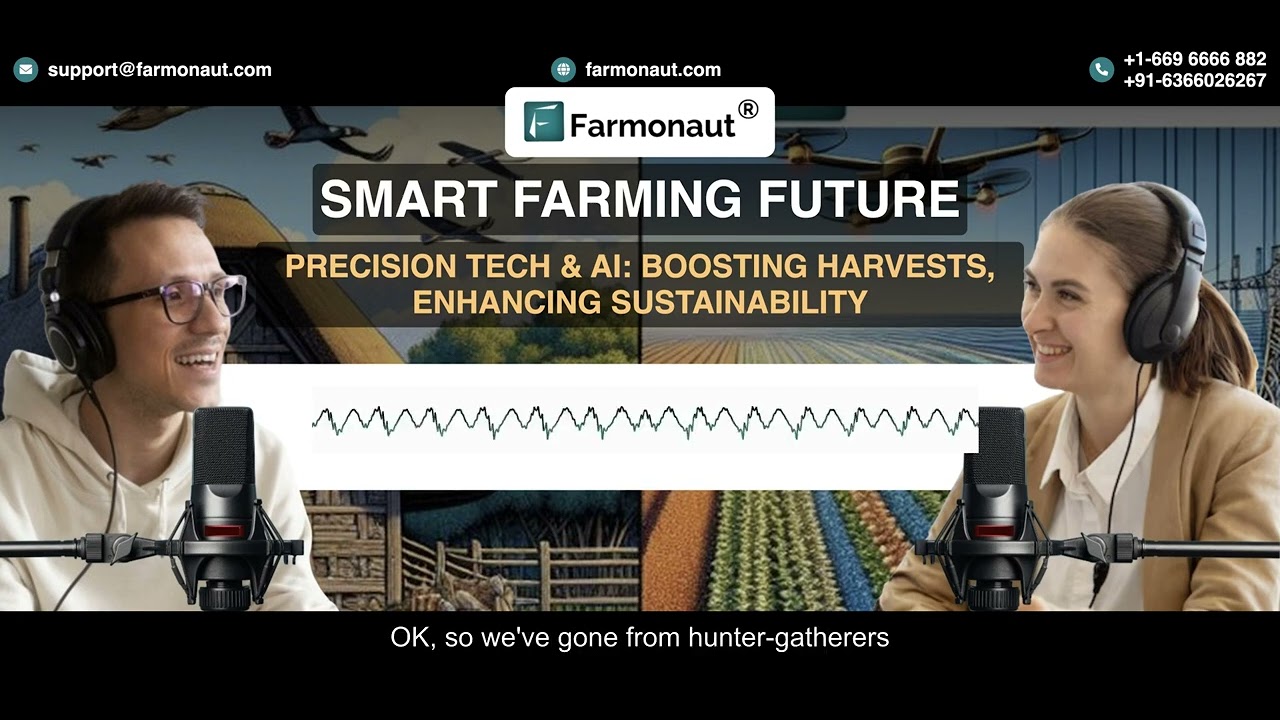
This video demonstrates how precision tech, AI and telematics are revolutionizing tractors and modern farming—directly impacting the agricultural tractors market and powering growth and sustainability into 2026!
Technological Innovations Shaping A Tractors and the Agricultural Tractors Market
The future of the agricultural tractors market is inseparable from rapid technological innovation. Powerful A tractors—which are at the forefront of these changes—are now equipped with digitalization, automation, sensor-based monitoring, and even AI-powered advisory systems. Below are some of the most game-changing advancements currently driving market growth and sustainability:
1. Digitalization & Real-Time Data
- Smart tractors now feature Internet of Things (IoT) connectivity, real-time monitoring, and data collection for soil health, crop progress, and machine performance.
- Adoption of telematics systems and GPS navigation enables precision farming—allowing farmers to optimize seed, water, and fertilizer use, improving efficiency and yields while minimizing waste.
- Machine learning and AI advisory (such as those integrated by Farmonaut) help interpret this data to deliver actionable insights to farmers.
2. Electrification & Hybrid Tractors
- Electric and hybrid tractors are gaining rapid traction, especially as global environmental regulations demand reduced carbon emissions and sustainable development.
- These advanced machines promise lower operational costs, zero on-field emissions, quieter performance, and improved reliability.
- Increasing investing by manufacturers in sustainable electric and hybrid technologies will further shape market direction by 2026.
3. Automation: Automated Tractors and Smart Solutions
- Autonomous tractors and driver-assist features (automated steering, navigation) offer unmatched precision, reduce physical strain, and optimize labor resources.
- AI advisory platforms enable seamless field management, supporting rural and remote farmers.
- Remote fleet management tools (such as those available via Farmonaut Fleet Management) help agricultural businesses monitor and optimize tractor fleets for efficiency, safety, and cost minimization.
4. Modular Designs & Customization
- Modular tractor platforms allow farmers to adapt machines for a diverse range of operations: plowing, sowing, irrigation, and harvesting with interchangeable attachments.
- Enhanced hydraulics, ergonomic controls, & plug-and-play modules are increasing in prominence, making tractors even more versatile and adaptable.
5. Blockchain-Based Traceability
- Blockchain integration—such as with Farmonaut Traceability—ensures transparency and authenticity in agricultural operations and tractor-based resource management.
6. Telematics & AI-driven Monitoring
- Telematics systems provide remote diagnostics, predictive maintenance, and AI-driven preventative measures, reducing downtime and operational costs.
- Integration of platforms like Farmonaut’s Jeevn AI delivers weather forecasts, crop health tracking, and resource use optimization.
7. Environmental Impact & Carbon Tracking
- The Farmonaut Carbon Footprinting solution, for example, enables real-time monitoring of farm-related carbon emissions, promoting sustainable practices in tractor operations.
Regenerative Agriculture & Climate-Smart Solutions: In Practice

Explore how climate-smart strategies and satellite data (as used by Farmonaut) are connecting sustainable tractor operations with regenerative farming and soil health improvements.
Comparison Table: Advanced Tractor Technologies and Market Impact (2025–2026)
Interpretation:
As visible, automation, GPS-guided navigation, and IoT-driven features will command significant market share and deliver both increased productivity and high sustainability scores by 2026. Electrification, while still early in adoption, is rising rapidly due to emissions mandates and sustainability demands. Blockchain integration for traceability, fostered by providers like Farmonaut, stands out for its impact on transparency and sustainability.
“Automation in tractors is increasing efficiency by up to 30%, significantly changing modern farm operations worldwide by 2026.”
Market Segmentation & Regional Insights: Agricultural Tractors Market 2026
The agricultural tractors market is segmented on the basis of power output, application, and geographic region. This segmentation delivers a nuanced view of evolving demand and adoption:
- Small/Medium Power Tractors (<100 horsepower): Dominate in Asia-Pacific (notably India and China), as well as in large parts of Africa, supporting smallholder and subsistence farmers.
- High-Powered Tractors (>150 horsepower): More prevalent across North America and Europe for large-scale commercial farms, where advanced features are crucial for crop management across large tracts of land.
Regional trends:
- Asia-Pacific remains the fastest-growing region for tractor adoption, thanks to rapid agricultural modernization, rural income growth, and government subsidies.
- North America and Europe focus on upgrading older fleets with cutting-edge technology—such as automation, telematics, electric and hybrid tractors—to stay competitive and meet sustainability standards.
2025 Equipment Boom: The Telematics & Market Surge
The AI telematics and precision equipment boom is shaping farms worldwide, illustrating how fast adoption of smart systems is propelling the agricultural tractors market beyond 2025.
Sustainability in Advanced Tractor Technologies
Sustainability is becoming the guiding principle in advanced agricultural machinery development and adoption. Compliance with global climate goals mandates certain strategic pivots in tractor design and operation:
- Electric and hybrid tractors are at the core of reducing emissions and lowering long-term operational costs. Their presence in the market is expected to double by 2026.
- Real-time carbon footprint tracking for fields, machinery, and resource use helps farmers optimize for environmental compliance while maintaining productivity.
- Data-driven insights, such as those from Farmonaut’s satellite monitoring tools, make precision input management (fertilizer, water, seeds) possible—reducing excess application and minimizing waste.
- Blockchain-based traceability (see: Farmonaut Traceability) is providing robust transparency for sustainable food production claims in major markets.
Conclusion: The race towards a low-impact, high-productivity agricultural model is inextricably tied to the continued innovation and adoption of sustainable tractor systems.
Electric Farming Trucks & AI Crop Monitoring (2025)

See how electric tractors and AI-enabled monitoring are enabling major water savings and precision crop care—showcasing the next generation of agricultural operations worldwide.
Farmonaut Satellite Technology: Empowering Data-Driven Agriculture
At Farmonaut, we are empowering digital transformation in agriculture through affordable, scalable, and advanced satellite-based solutions. While we are not tractor manufacturers, our technology directly supports farmers, businesses, and governments by making real-time field data and operational insights readily accessible via app, API, and tailored subscription services.
- Satellite-Based Crop Monitoring: Get NDVI-based and multispectral imagery for tracking soil health, crop stress, and resource optimization.
- Jeevn AI Advisory System: Leverage real-time advice on weather, operations, and management, specifically designed to enhance productivity and resource allocation on modern farms.
- Blockchain-Enabled Traceability: Guarantee crop authenticity and sustainable supply chain transparency.
- Fleet and Resource Management: Optimize vehicle and equipment usage to minimize labor and operational costs, available via our Fleet Management portal.
- AI and Machine Learning: Make smarter, data-driven decisions with our industry-leading satellite data interpretation tools.
- Mobile Apps and API Access: Seamlessly integrate advanced data into your daily farming workflow. Try the Farmonaut API or check our developer documentation for easy integrations.
For large scale farm management and plantation advisories, our Agro-Admin App helps streamline monitoring and analysis across expansive agricultural projects.
Farmonaut’s mission is clear: Make satellite-driven insights both affordable and accessible so that every sector in agriculture can participate in the digital future of farming.
Farmonaut Satellite-Based Crop Health Monitoring – In Action

Witness how remote satellite monitoring can help optimize input use, plan tractor operations smarter, and ultimately boost farm efficiency and crop yield sustainability.
Key Challenges Facing the Agricultural Tractors Market in 2026
Even with rapid technological advancements and growing demand, the agricultural tractors market confronts a series of challenges that must be overcome for healthy, inclusive growth:
- High Initial Costs: Advanced tractors with digital and automation features are expensive, representing a significant barrier to entry for smallholders and developing regions.
- Operator Skill Gaps: There’s a shortage of trained personnel capable of operating and maintaining modern, sophisticated agricultural machinery.
- Technological Reliability & Durability: Complex machines mean potential for higher maintenance needs and increased downtime if not adequately supported.
- Financing and Access to Credit: Access to affordable credit is limited, making innovative financing solutions and insurance options—such as Farmonaut’s crop loan and insurance verification—critical in supporting broader adoption.
- Climate Variability: Shifts in weather patterns and extreme events increase unpredictability, necessitating machinery and management systems capable of adapting quickly while still minimizing environmental impact.
To realize the promise of the powerful A tractors revolution, manufacturers and policymakers must focus on lowering costs, offering training, and developing robust rural support infrastructure.
AI Drones & Tech: Shaping the Next Era of Agriculture
AI-powered drones, smart tractors, and remote monitoring are coming together to create resilient, tech-driven farms that can adapt to climate shifts and maximize efficiency.
Future Outlook: Growth & Innovation in the Agricultural Tractors Market 2026 and Beyond
As automation, electrification, connectivity and data-driven resource management continue to expand, the future of agricultural tractors looks bright.
-
By 2026, it is projected that:
- Over 30% of new tractors sold worldwide will come equipped with IoT, automation, and advanced telematics.
- Hybrid and electric tractors will command a growing market share in Europe, North America, and forward-looking Asian markets.
- Data-driven systems (like those offered by Farmonaut) will be essential for competitive, sustainable farming.
- Precision agriculture through satellite monitoring, blockchain traceability, and remote fleet management will enable farmers to maximize yields while minimizing waste.
- Government support, subsidies, credit access, and training initiatives will be necessary to ensure equitable adoption and rural economic growth.
Agri Business Ideas & Tractors for 2025–2026

Explore new avenues for agricultural entrepreneurs, especially as tractors and automation trends open doors for efficiency-driven business models and diversified farm operations.
FAQs: Agricultural Tractors Market 2026 and Innovation Insights
1. What is driving growth in the agricultural tractors market for 2025–2026?
Key drivers include: Advancements in automation, electric tractor adoption, rising mechanization in developing regions, sustainability mandates (carbon footprint tracking), and growing demand for precision and efficiency in farming operations worldwide.
2. How are electric and hybrid tractors influencing sustainability in farming?
Electric and hybrid tractors reduce on-field emissions, offer lower operational costs, and align with global efforts to combat climate change. They are central to future sustainability in agriculture.
3. How does Farmonaut support modern farming and the tractors market?
Farmonaut provides real-time satellite monitoring, AI-based advisory services, blockchain traceability, and fleet/resource management tools—empowering farmers and businesses with actionable, data-driven insights for precision agriculture. We do not manufacture or sell tractors, but our technology complements the market’s progress.
4. What are major challenges to widespread adoption of advanced tractors?
The biggest challenges include high initial costs of smart/agricultural tractors, the skills gap among operators, financing barriers, and ensuring robust support infrastructure in rural areas.
5. What future trends should farmers and stakeholders watch in 2026?
Rapid adoption of automation, electrification of tractor fleets, integration of IoT and AI, blockchain-based transparency, and increased government initiatives for subsidies and training.
Farmonaut: Accessible Satellite-Driven Agriculture Subscriptions
Explore Farmonaut’s subscription models for cost-effective, scalable satellite data and monitoring—no expensive on-field hardware required! Our approach brings precision, efficiency, and transparency to farms, agribusinesses, and governments globally.
Conclusion: Agricultural Tractors Market in 2026—Driving Modern Farming Forward
The agricultural tractors market in 2026 stands at the intersection of tradition, innovation, and sustainability. While tractors remain the enduring symbol of mechanized power and efficiency, their role is now redefined through cutting-edge technology—from automation to satellite data integration, AI-powered management, electrification, and blockchain traceability. Advanced A tractors equipped with these systems are not just powering productivity, but also catalyzing social, economic, and environmental change in farming communities worldwide.
For all stakeholders—farmers, agri-businesses, policymakers, and technologists—the message is clear: Embracing, adapting, and investing in smart, connected tractor solutions is indispensable for meeting the food demands of tomorrow, while actively safeguarding our environment.
Stay ahead of the curve, leverage satellite-powered insights, and drive your farm forward with innovation and efficiency—all while shaping a sustainable agricultural future.
Discussion
Questions, corrections or field experience? Share them below. First-time comments are reviewed before they appear, and your email is never published.
No comments yet. Be the first to add a question or your experience.

 Patrick America
 Red Dog Management
 Liquify Digital
 Ascentya
 CU Foods
 BeyondTech Global
 Rouge VC
 AgroGreen Dynamics
 AgroRisk
 Oath Inc
 Reddane Farming
 Esri North East Africa
 Cresol
 MDCV UK
 Zerella Group
 Etech Consulting Madagascar
 Vestlandsforsking
 Delicio
 WB Dev
 Sama Premium
 Prochecker
 Tres Valles
