

Agriculture 4.0 Market: Biostimulants & 2.0 Trends—2025’s Transformative Technologies for Sustainable Farming
“By 2027, the global biostimulants market is projected to reach $4.9 billion, driven by Agriculture 4.0 innovations.”
Introduction to the Agriculture 4.0 Market
The agriculture 4.0 market is undergoing a transformative evolution as we embrace digital technologies and innovative biostimulants to confront the pressing challenges of a growing global population, food security, and environmental sustainability. By 2025, farming is no longer seen through a single lens of mechanization or chemicals; instead, it is best understood as a complex system integrating digital technologies—such as IoT, AI, drones, sensors, and big data analytics—alongside advanced scientific solutions like biostimulants.
In this article, we delve deep into the shift from agriculture 2.0 to agriculture 4.0 market paradigm, explore the explosive growth and importance of the biostimulants in agriculture market, analyze leading digital technologies shaping the sector, examine how biostimulants are supercharged through digital integration, and spotlight the real challenges and future opportunities for sustainable farming. You’ll also discover our unique value proposition as Farmonaut, offering satellite-driven, AI-powered agricultural insights to empower farmers globally.
With sustainability as a core theme, and driven by the need for increased productivity, reduced inputs, minimized environmental footprints, and enhanced soil and crop resilience, this article is your comprehensive guide to the changing landscape of modern agriculture in 2025 and beyond.

From Agriculture 2.0 to Agriculture 4.0: The Paradigm Shift Explained
What is Agriculture 2.0?
The phase known as agriculture 2.0 is historically characterized by mechanization, the large-scale adoption of chemical fertilizers and pesticides, and the beginnings of industrialized farming in the 20th century. It laid the foundation for mass food production needed to feed a booming population. Farms became more productive, but this phase also brought environmental challenges such as soil degradation, loss of biodiversity, and increased greenhouse gas emissions.
- Advantages: High productivity, mechanization, mass-scale food production.
- Challenges: Environmental damage, rising input costs, long-term soil health issues.
- Key Features: Chemical-driven, conventional, top-down management, limited digital integration.
The Need for a New Paradigm
By the late 20th and early 21st centuries, new challenges such as climate change, pressure to reduce chemical inputs, concern for sustainability, and resource scarcity accelerated a shift to a more intelligent and regenerative phase of agriculture: agriculture 4.0.
Defining Agriculture 4.0: A Technological Revolution
Agriculture 4.0 represents the fourth revolution in farming. It goes beyond conventional agricultural inputs—mechanization, fertilizers, pesticides—by integrating digital technologies with advanced scientific methods. This new phase is driven by:
- Precision farming—using satellite-guided tools to deliver exactly the right amount of water, nutrients, and crop protection
- IoT sensors—for real-time soil and crop monitoring
- AI and big data analytics—to interpret vast agricultural datasets for better decision-making
- Drones—for aerial crop scouting and targeted input application
- Blockchain—for traceability and transparent, sustainable food supply chains
The agriculture 4.0 market is best understood through its integrated, ecosystem-wide approach, which optimizes resource use, reduces environmental footprints, and improves crop yields in real-time.
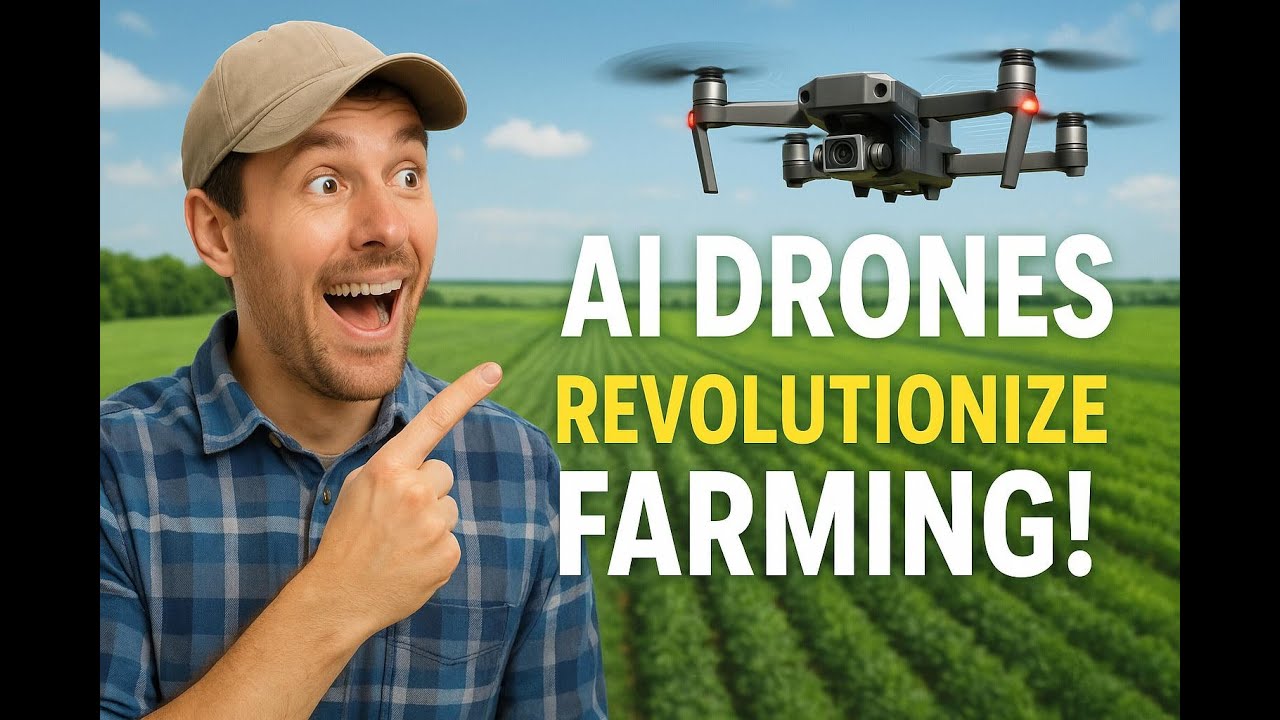
Top Digital Technologies Driving the Agriculture 4.0 Market in 2025
A key feature of the agriculture 4.0 market is the transformative power of digital technologies and data-driven solutions. Here are the core digital innovations powering the ongoing revolution in modern farming:
1. Satellite Remote Sensing & Farm Management Apps
Satellite remote sensing delivers actionable information about soil health, crop growth, and field conditions—providing farmers with a digital “eye in the sky” for precision farming. Farmonaut’s large-scale farm management platform enables real-time monitoring, mapping and optimization of entire agricultural operations from web and mobile apps, accessible even to smallholders.
- Yield Boost: Detects crop stress early, enabling timely interventions.
- Resource Optimization: Reduces water, fertilizer, and pesticide usage by targeting inputs where and when needed.
- Sustainability: Minimizes environmental impacts by reducing greenhouse gas emissions from over-application.

2. Internet of Things (IoT) Sensors & Data Analytics
IoT sensors in fields continuously track soil moisture, temperature, pH, and nutrient levels. This data, when fed into AI-driven analytics platforms, empowers farmers to make real-time, precise decisions about irrigation, fertilization, and pest management.
- Precision: Enables micro-irrigation and site-specific fertilizer application.
- Less Waste: Only applies what is necessary, improving efficiency and reducing chemical runoff.
- Data-Driven: Stores historical trends for continuous improvement.

3. AI-Powered Farm Advisory Systems
AI tools, including Farmonaut’s Jeevn AI Advisory, synthesize satellite data, weather forecasts, and management records to deliver personalized recommendations to farmers.
- Automated Decision-Making: Suggests optimal planting, irrigation scheduling, and input application.
- Resilience: Helps anticipate drought, pest, or disease outbreaks under changing climatic conditions for increased resilience.
4. Drones, Robotics, and Automated Machinery
Drones and robots empower farmers to target plant protection agents, fertilizers, and even biostimulants with pinpoint accuracy. They can scan fields, identify areas of stress, and deliver treatments on demand.

5. Blockchain-based Traceability & Digital Ecosystem Integration
With blockchain, the entire journey of a crop—from seed to supermarket—can be tracked, ensuring food authenticity, safety and sustainable practices. Farmonaut’s traceability solutions offer trust and transparency for both producers and consumers.
- Transparency: Verifies the origin, quality, and environmental impact of agricultural products.
- Market Access: Opens premium markets for sustainably grown produce.

“Over 60% of farmers adopting Agriculture 4.0 use digital platforms to optimize crop yields and resource management.”
The Rise and Role of Biostimulants in Agriculture 4.0 Market
Understanding Biostimulants in the Context of Modern Agriculture
One of the fastest-growing sectors in the agriculture 4.0 market is the biostimulants in agriculture market. Biostimulants are natural or organic substances and microorganisms that stimulate plant growth, strengthen resistance, and improve nutrient uptake—without acting as conventional fertilizers or pesticides.
Major Biostimulant Categories:
- Seaweed extracts —rich in plant hormones and antioxidants
- Humic substances —improving soil structure and nutrient exchange
- Beneficial fungi (e.g., mycorrhizae) —expanding root networks
- Beneficial bacteria (e.g. rhizobacteria) —fixing nitrogen, mobilizing nutrients
- Amino acids, peptides, protein hydrolysates
Key Benefits of Biostimulants
- Boosts Resilience: Helps plants tolerate drought, salinity, heat, and cold (abiotic stress mitigation)
- Improves Nutrient Efficiency: Maximizes use of existing fertilizer, reduces losses, and enables plants to thrive with less input
- Enhances Soil Health: Supports beneficial microbial populations and biodiversity
- Minimizes Chemicals: Reduces need for harmful chemical fertilizers and pesticides
- Eco-Friendly: Contributes to environmental sustainability and carbon sequestration
By 2025, the global biostimulants in agriculture market is expected to continue its robust growth, fueled by the need to increase crop yields in a sustainable manner, comply with tougher regulatory limits on chemicals, and meet consumer demand for healthier food. Their growing role reflects what is trending in agriculture, as biological inputs become more closely integrated with modern farming technologies. Biostimulants are especially important in restoring degraded soil and supporting regenerative farming models.

Biostimulants vs. Traditional Fertilizers and Pesticides
- Action: Biostimulants stimulate plant and soil biology, while fertilizers supply nutrients and pesticides target pests/disease.
- Sustainability: Biostimulants offer sustainable alternatives by reducing environmental impacts (greenhouse gas emissions, water pollution).
- Regulatory Landscape: Regulatory support is growing as governments encourage organic & sustainable input adoption.
Integration: Maximizing the Impact of Biostimulants with Digital Agriculture 4.0 Technologies
What truly distinguishes the agriculture 4.0 market is the synergy between biostimulants and advanced digital technologies. Integration empowers farmers to apply biostimulants with precision, optimizing outcomes and minimizing waste. Here’s how:
Precision Application Through IoT, AI, and Satellites
- Real-time Soil Sensing: IoT sensors and satellite imagery provide ongoing feedback about soil nutrient levels and physical condition.
- AI-based Analytics: Platforms like our Jeevn AI system analyze data to recommend biostimulant application schedules tailored to each micro-field zone.
- Drone Mapping: Drones identify field variability, so biostimulants can be targeted where most needed—reducing overall input use.
- Yield & Health Tracking: Monitor root growth, microbial activity and crop vigor after every application.
Digital integration opens the door for circular agriculture models that restore and enhance soil organic matter, encourage beneficial microbial biodiversity, and maintain ecosystem health for future generations.
By integrating digital management platforms with cutting-edge biological inputs, the agriculture 4.0 market is achieving what agriculture 2.0 could not: high-output farming without ecological compromise.
Supporting Sustainable Food Supply Chains
Digital platforms and blockchain traceability support market transparency and enable consumers and regulators to verify that food was produced with biostimulants and other sustainable inputs.



Comparative Trends and Impacts Table: Technologies & Biostimulants in Agriculture 4.0 Market
| Technology/Biostimulant | Function in Agriculture 4.0 | Est. Crop Yield Increase (%) | Sustainability Benefit (% Reducing Inputs/Emissions) | Adoption Trend (2024 Estimate) |
|---|---|---|---|---|
| AI & Data Analytics | Real-time insights, optimize all field operations | 8–20% | Up to 25% less fertilizer/pesticide use | High (rapidly increasing in 2025) |
| IoT Soil Sensors | Continuous soil health, moisture, & nutrient monitoring | 5–15% | Up to 30% water saving | High in developed, moderate emerging markets |
| Drones & Aerial Imaging | Precision crop scouting & targeted application | 5–12% | Reduces overlap/waste by 15–20% | Rising, driven by lower costs |
| Blockchain Traceability | Supply chain verification, sustainability claims | — (Indirect gain via market premium) | Enhances input transparency, supports organic & low-carbon claims | Growing rapidly in premium/organic market |
| Seaweed Extracts (Biostimulant) | Plant hormone stimulation, stress tolerance | 8–15% | Reduces reliance on chemical stress protectants by up to 25% | Expanding, esp. in fruits/veg |
| Beneficial Fungi (e.g., Mycorrhizae) | Enhance root uptake, increase drought resilience | 10–20% | Boosts fertilizer efficiency 18–25% | Strong in organic markets, growing everywhere |
| Humic/Fulvic Substances | Soil structure improvement, nutrient exchange | 6–12% | Decreases N-fertilizer losses up to 18% | Steady, especially in cereals & row crops |
| Beneficial Bacteria | Fixation/mobilization of nutrients (e.g., N, P), soil microbe health | 5–14% | Enables 10–18% fertilizer reduction | Accelerating with biofertilizer regulations |
Agriculture 4.0 Market Outlook, Growth, and Challenges for 2025
Market Growth and Drivers
The growth of the agriculture 4.0 market and biostimulants in agriculture market is driven by a convergence of factors:
- Global population rise increasing food demand
- Need to reduce environmental footprints of agriculture
- Advancements in digital technologies (IoT, AI, remote sensing)
- Government regulatory pressure to limit chemical fertilizers and pesticides
- Consumer preference for transparently sourced, healthy, and sustainable food
Key Challenges Facing Adoption
- Knowledge Gaps: Many farmers lack access or training in new digital or biotechnologies.
- Regulatory Uncertainty: Biostimulant products face inconsistent global approval, definitions, and guidelines.
- Affordability and Scale: Price and accessibility of technologies and inputs for smallholders, especially in developing regions.
- Integration Complexity: Making multiple platforms work together seamlessly.
- Data Ownership and Privacy: Rights and use of farm-collected data.
The expansion of Agriculture 4.0 also depends on supporting infrastructure, digital literacy, and smart public policies that incentivize sustainable growth.
Opportunities
As technology costs decrease and the benefits of integration become more apparent, we expect accelerated adoption in 2025, closing the gap for smaller and medium-sized agricultural operations. Platforms like satellite-based fleet/resource management will enable efficient use of machinery and reduce fuel/emissions. Carbon footprinting solutions let farms track and minimize their climate impact with precision, winning market trust and premium prices.
How Farmonaut Empowers the Agriculture 4.0 Market
As we accelerate toward a fully digital and regenerative food system, Farmonaut’s mission is to democratize access to satellite-driven, AI-powered agricultural insights for every farmer, business, and government.
Our Technologies: Monitoring, Analysis & Traceability
- Satellite-Based Monitoring: Our multi-spectral imaging offers rapid overviews of crop health (NDVI), soil temperature, and nutrient stress—helping farmers improve productivity with minimum inputs.
- AI Advisory: Jeevn AI combines real-time weather, historical data, and satellite analysis to deliver practical, location-specific advice for planting, fertilization, irrigation, and biostimulant application.
- Blockchain Traceability: End-to-end crop tracking using blockchain ensures food safety and trust all the way to the consumer. Perfect for sustainable, organic, and specialty markets.
- Fleet & Resource Management: Manage every machine and operation remotely, reducing costs and emissions.
- Environmental Impact Monitoring: Track and improve carbon footprint and resource use in real time with carbon tracking tools.
Who We Serve
- Individual Farmers: Optimize inputs, improve soil health, track crop growth, apply biostimulants precisely—directly from our mobile/web app.
- Businesses: Scalable, field-to-fork visibility and sustainability metrics.
- Governments & Institutions: Manage regional food security and support environmental policy compliance using satellite dashboards and APIs.
- Financial/Insurance: Efficient loan/insurance verification with risk minimization.
Access Our Solutions
- Web & Mobile Apps: Access Farmonaut App
- APIs for Integration: API Product Page | Developer Docs
Frequently Asked Questions (FAQ) — Agriculture 4.0 Market & Biostimulants 2025
What is the main difference between agriculture 2.0 and agriculture 4.0?
Agriculture 2.0 is defined by mass mechanization and heavy use of chemical fertilizers and pesticides. In contrast, agriculture 4.0 integrates digital technologies (IoT, AI, satellites, data analytics) and focuses on sustainability, precision input use, and biostimulant adoption for improved crop health and lower environmental footprints.
How do biostimulants differ from traditional fertilizers?
Biostimulants are not direct nutrient sources like traditional fertilizers. Instead, they stimulate plant and soil microbial processes, improve stress tolerance, nutrient uptake, and soil health—often reducing the need for conventional fertilizers.
Why is the agriculture 4.0 market growing so rapidly?
The main growth drivers are: global demand for food, the imperative to reduce chemical use and greenhouse emissions, and technology advancements that make precision, data-driven farming affordable and accessible.
Can digital technologies and biostimulants work together?
Absolutely. Digital tools enable the precise application of biostimulants, maximizing crop response and minimizing waste, thereby enhancing both yields and sustainability.
What is the current regulatory landscape for biostimulants?
Regulation is evolving—and differs by region. The EU and several countries now have specific guidelines, but a truly global standard is still emerging as science and market understanding evolves.
How does Farmonaut support the transition to Agriculture 4.0?
Farmonaut provides satellite-driven crop/soil monitoring, AI-powered advisory, blockchain-based traceability, carbon and resource management solutions, and app/API accessibility for all sizes of farming operations. This accelerates data-driven sustainability and productivity improvements.
Conclusion: The 2025 Vision for Sustainable Farming
In 2025, the agriculture 4.0 market defines the future of farming: a system where technology and biology synergize—enabling us to overcome the limitations and environmental costs of agriculture 2.0. The rise of biostimulants in agriculture market is pivotal: these innovations enhance crop and soil resilience, improve nutrient efficiency, and regenerate ecosystems, all while allowing for higher productivity and profitability.
The journey from mechanization and chemical reliance—characterized by the last century—has now progressed into precision, digital, and sustainable farming. The integration of AI, IoT, satellites, drones, and biostimulant application allows farmers to optimize resource use, reduce environmental impact, and innovate beyond traditional models.
We, at Farmonaut, are proud to fuel this movement by making advanced satellite-based, AI-powered solutions affordable and accessible across all scales of the agricultural sector. Our mission is to empower farmers and businesses as they adopt sustainable, data-driven methods—feeding the world and sustaining the planet for generations.
Explore the future of farming by adopting science-backed, digitally integrated biostimulants and advanced technologies through Farmonaut’s powerful platforms—driving the shift towards resilient, productive, and truly sustainable agriculture in 2025 and beyond.

 Godrej Agrovet
 Hayleys Agriculture
 Linx Agritech
 Adinet
 Save Your Soils
 GalaxEye Space
 Grandstream Algérie
 XOS Realty
 Geospatial Lab Africa
 Agro La Gándara
 HIPSAC
 ZOL Zimbabwe
 Juligerm
 AdBio
AdBio MISE Maroc
 NWNS
NWNS Red August Group
 Farm Inc
 WeMe Global
 Agrotoken
 Blue BearX
 Insignito
 DnCubed
 Indosistim Teknologi
 Liquify Digital
 CU Foods
 BeyondTech Global
 Rouge VC
 AgroRisk
 Oath Inc
 Esri North East Africa
 MDCV UK
 Etech Consulting Madagascar
 Vestlandsforsking
 WB Dev
 Sama Premium
 Tres Valles
 Blickwinkel
 Agricultural Credit Policy Council
 eKGIS
eKGIS Mostas Tech
 Andex
Andex Deluxe Conseil
 WICO
WICO Chimera Innovation
 SkyHarvest
 Teledarbas
 Exurbia Geospatial
 FieldZero
