

- Introduction: Agriculture Decline 2026
- Understanding Agriculture Decline: Core Definitions and Trends
- Causes, Impacts, and Sustainable Solutions Matrix
- Root Causes of Agriculture Decline 2025
- Consequences of Declining Agriculture
- Sustainable Pathways Forward: Revitalizing Agriculture in 2026 and Beyond
- Climate-Smart Agriculture for the Future
- Innovation and Technology Solutions
- Empowering Farmers: Enhancing Access and Infrastructure
- Environmental Conservation and Soil Health
- Farmonaut: Satellite Solutions for Resilient Agriculture
- FAQ: Agriculture Decline 2026
- Conclusion: The Future of Agriculture Decline 2026
- Farmonaut Satellite Solutions Subscription
Agriculture Decline 2026: Causes, Impact & Solutions
Agriculture remains the backbone of food security, rural livelihoods, and economic development across many countries. Yet, the year 2025 serves as a critical turning point, with agriculture decline emerging as a pronounced phenomenon. Characterized by decreasing crop yields, soil degradation, loss of arable land, and diminishing farmer incomes, this trend poses significant challenges for sustainable development and global food security, especially in regions heavily dependent on farming.
In this comprehensive guide, we will explore the root causes of agricultural decline in 2025–2026, investigate the profound consequences affecting our world, and lay out sustainable, actionable pathways forward to revive agriculture, enhance soil health, boost crop yields, and secure the future of food.
Understanding Agriculture Decline: Core Definitions and Trends
Agriculture decline refers to the ongoing reduction in agricultural productivity, which materializes in multiple ways:
- Falling crop yields and food production
- Increasing soil degradation (erosion, nutrient depletion, salinization)
- Rising loss of arable land due to urbanization, unsustainable practices, and climate change
- Diminishing returns for farmers, leading to migration and aging rural populations
- Ecosystem degradation and loss of biodiversity
This trend remains a threat in economies heavily reliant on agriculture, as well as in emerging and food-producing regions across the globe—making urgent action essential.

Causes, Impacts, and Sustainable Solutions Matrix for 2025–2026
Below is a comprehensive matrix outlining the main causes of agriculture decline in 2025–2026, their estimated impact, and targeted sustainable solutions:
| Main Cause | Estimated Impact in 2025 | Sustainable Solution |
|---|---|---|
| Soil Depletion & Erosion | 15% yield loss; Soil Health Index down 20% | Adopt cover cropping, precision farming, conservation tillage, and carbon footprinting tools, to improve soil health and reduce degradation |
| Water Scarcity | Up to 25% reduction in crop yields in arid regions; Elevated food security risks | Utilize water-efficient irrigation, AI-based monitoring (see Farmonaut crop advisory), and satellite soil moisture monitoring |
| Climate Change | Increasing frequency of extreme weather events; Altered precipitation cycles leading to local yield losses up to 10–20% | Implement climate-smart agriculture, diversification, and use of climate-adapted crop varieties with decision support from AI tools |
| Loss of Biodiversity | Greater pest invasions; Up to 12% increase in crop losses due to disease vulnerability | Integrate agroforestry, polyculture, and blockchain-driven traceability (Traceability solutions) to maintain biodiversity |
| Overuse of Pesticides & Fertilizers | 1–2% annual soil fertility loss; 8% water pollution increase; Ecosystem harm | Adopt integrated pest management, reduce chemical applications, and employ AI-based monitoring for timely interventions |
| Poor Infrastructure & Market Access | High post-harvest loss (up to 30%); Depressed farmer incomes | Invest in rural roads, cold storage, digital market access, and use farm fleet management tools |
| Socioeconomic Barriers | Rising rural poverty; Increased migration; Youth disengagement | Build capacity through crop insurance, credit, and satellite-verified loans for smallholder farmers |
Root Causes of Agriculture Decline 2025
Understanding the root causes of agriculture decline in 2025 and heading toward 2026 is essential for devising effective responses. Let’s examine the key interlinked factors driving this worrying trend across regions:
Climate Change and Weather Pattern Disruptions
- Rising temperatures lead to increased evapotranspiration and water loss, reducing crop productivity in vulnerable areas.
- Altered precipitation cycles result in unpredictable droughts and floods, creating adverse growing conditions.
- Frequent extreme weather events (storms, heatwaves) stress plants and compromise soil structure.
- Climate exacerbates existing problems, e.g., pest invasions spread to new regions as ecosystems shift.

Unsustainable Farming Practices and Soil Degradation
Soil health is a critical component of agricultural productivity. Yet, the overreliance on chemical fertilizers and pesticides is causing:
- Depletion of soil nutrients and microbial life
- Degraded soil structure and higher erosion rates
- Increased water runoff and contaminated water supplies
- Monoculture cropping reduces biodiversity, making crops more vulnerable to disease
- Frequent tillage disrupts natural soil cycles and accelerates carbon loss

Loss of Biodiversity and Habitat
- Continuous clearing of land for agriculture (deforestation) destroys fragile ecosystems.
- Reduced vegetative cover means less carbon sequestration, which in turn worsens climate change.
- Loss of habitat undermines natural pest control, pollinators, and nutrient cycling—all vital for resilient agriculture.
Water Scarcity and Resource Mismanagement
- Dwindling water supplies and over-extraction of aquifers, especially in areas reliant on irrigation
- Inefficient irrigation practices exacerbate scarcity and reduce productivity per hectare
- Water contamination from excess fertilizers/pesticides further diminishes quality and availability

Socioeconomic Factors and Rural Challenges
- Smallholder farmers face mounting challenges—limited access to modern technologies, infrastructure, and credit
- Rural populations aging; youth opting for urban migration due to lack of opportunity
- Market volatility, rising input costs, and inadequate policy support discourage investment
- Poorly developed value chains cause high post-harvest losses and lower incomes
Consequences of Declining Agriculture
The consequences of agricultural decline ripple outward from farm fields to entire societies and ecosystems, impacting:
- Food Security: Reduced yields and unpredictability threaten national and global food stocks, with prices rising and accessibility diminishing—especially in low-income and food-importing countries.
- Rural Poverty and Inequality: As incomes of farmers decline, poverty deepens, leading to hunger, malnutrition, and forced migration to urban areas.
- Urban Pressures: Rising urbanization strains housing, jobs, and infrastructure.
- Environmental & Ecological Impact: Loss of arable lands leads to desertification, reduced carbon sequestration and increased emissions, thereby worsening climate change.
- Public Health Vulnerabilities: Exposure to contaminated water and food can increase as degraded lands and farming lead to new risks.
- Global Trade Disruptions: Agricultural instability impacts commodity flows, increasing market volatility and supply chain uncertainty.




Access Farmonaut’s crop, soil, water, and environmental monitoring anywhere: Try our Web App, Android, or iOS apps for real-time agricultural insights on the go.
Sustainable Pathways Forward: Revitalizing Agriculture in 2026 and Beyond
Agriculture decline need not be an irreversible trend. By investing in sustainable, resilient pathways, we can reverse agricultural decline, restore ecosystems, and secure food and livelihoods for future generations. Below, we break down the most effective, data-driven strategies.
Climate-Smart Agriculture for the Future
- Embrace agronomic diversification—growing multiple crops together (intercropping, rotation, polyculture) to improve soil health, disrupt pest cycles, and reduce risk of total crop failure.
- Practice conservation tillage and cover cropping to build up organic matter, increase water retention, and limit erosion.
- Integrate agroforestry—combining trees, livestock, and crops to recreate natural ecosystem services, shade crops, and shelter soil from extreme weather.

Innovation and Technology Solutions
- Adopt large-scale satellite-based farm management tools to monitor field conditions, track yields, and anticipate pest or weather threats in real time.
- Utilize AI-driven advisories for customized weather forecasts, irrigation scheduling, and actionable recommendations—optimizing input use, protecting crops, and improving profitability.
- Leverage blockchain-powered traceability solutions for supply chain transparency, fraud reduction, and sustainable sourcing in agriculture.
- Unlock precision resource management for vehicles and farm equipment using Farmonaut fleet management—cutting logistical costs and minimizing resource loss.
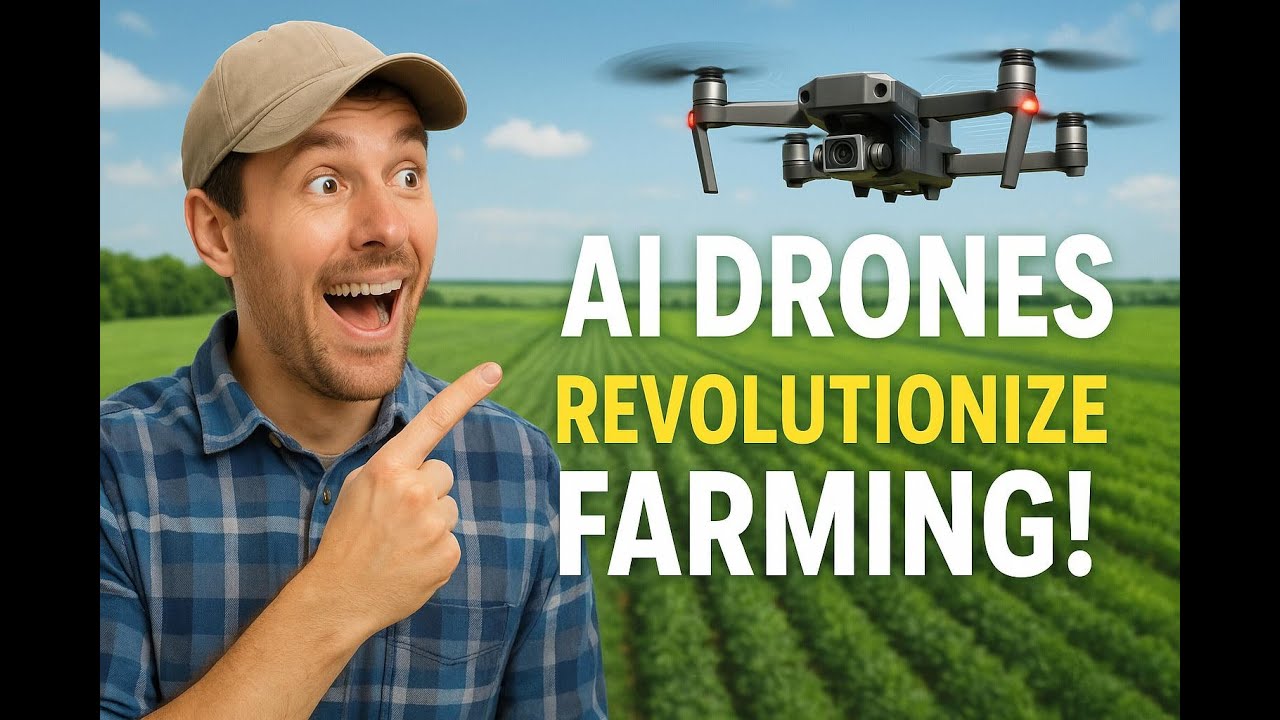
Integrate Farmonaut’s crop and soil monitoring API into your agriculture tech projects for in-depth, real-time satellite analytics—review the API documentation here.
Empowering Farmers: Enhancing Access and Infrastructure
- Strengthen agricultural extension services to rapidly disseminate innovative, climate-resilient farming methods
- Invest in robust rural infrastructure—irrigation, cold storage, rural connectivity, and digitized market linkage
- Expand financial inclusion for smallholder farmers, building capacity with satellite-verified crop loans and insurance (see Farmonaut Crop Loan & Insurance products)
- Support youth participation through agri-entrepreneurship programs, reversing rural decline
Environmental Conservation and Soil Health
- Implement conservation agriculture with minimum tillage and organic amendments to replenish soil health
- Restore natural vegetation buffers (hedges, shelterbelts, riparian strips) to reduce erosion and runoff
- Measure and reduce carbon footprint using Farmonaut’s Carbon Footprinting tools—balancing productivity with climate responsibility
- Promote the use of satellite-powered environmental impact tracking for ongoing conservation monitoring
Farmonaut: Satellite Solutions for Resilient Agriculture
At Farmonaut, we envision a future where agriculture overcomes decline and embraces holistic, technologically driven solutions. Our affordable satellite-based platform empowers individual users, businesses, and governments to access real-time field data, AI-powered advisories, blockchain-based traceability, and environmental impact tracking—all accessible via web and mobile apps or developer-focused API.
- Satellite-Based Crop Monitoring: We provide multispectral analytics (NDVI, soil moisture, crop patterns) to optimize yields, reduce input waste, and anticipate threats.
- Jeevn AI Advisory System: Our AI delivers intelligent, context-aware recommendations—covering everything from weather forecasts to pest alerts.
- Blockchain Traceability: We ensure transparency and security, building trust in agriculture value chains.
- Environmental Impact Tracking: Monitor and reduce your farm’s carbon, water, and resource footprints in line with conservation best practices.
Scalable, sustainable, and easy to access—Farmonaut’s solutions are key tools for forward-thinking agricultural productivity in 2026 and beyond.

FAQ: Agriculture Decline 2026
What is agriculture decline and why is it important in 2025–2026?
Agriculture decline means a trend where crop yields, soil health, and farming livelihoods are decreasing due to climate, unsustainable practices, and social factors. This is critical in 2025–2026 because it threatens food security, rural incomes, and environmental stability globally.
Which are the main causes of agricultural decline?
The causes include climate change, soil degradation, water scarcity, loss of biodiversity, unsustainable farming methods (including pesticide and fertilizer overuse), poor infrastructure, and socioeconomic barriers (such as aging populations and migration).
How does agriculture decline affect food prices and food security?
Declining yields reduce food supply, often driving up prices and making access unpredictable, especially in lower-income regions that rely on local production for nutrition.
How can Farmonaut solutions help with agricultural decline?
By using satellite imagery, AI, and blockchain, we offer farmers and organizations affordable monitoring, timely advisories, resource management, and traceability, enabling more informed, sustainable, and resilient agricultural practices.
What steps can farmers take to reverse agricultural decline in their fields?
- Adopt climate-smart and conservation agriculture techniques
- Integrate technology—like real-time satellite and AI advisories from Farmonaut
- Focus on crop diversification, soil health, and efficient water use
- Participate in training and extension services
Is it possible to achieve both sustainability and profitability in farming?
Yes. Sustainable methods (e.g., precision resource use, integrated pest management, data-powered decision making) are increasingly proven to reduce losses, increase yields, and protect long-term profitability.
Can technology help address socioeconomic challenges in rural areas?
Absolutely. Digital tools (satellite analytics, mobile apps, blockchain traceability, satellite-verified loans and insurance) can empower farmers, improve market access, and attract rural youth, halting migration trends.
Conclusion: The Future of Agriculture Decline 2026
Agriculture decline in 2025–2026 poses a critical challenge—with complex causes and cascading consequences for food security, soils, and rural livelihoods worldwide. But by grounding our response in sustainable, technology-enabled pathways—ranging from soil and water management to capacity building, ecological conservation, and digital transformation—we can reverse decline and ensure a prosperous future for generations ahead.
At Farmonaut, we are committed to ensuring that cutting-edge satellite monitoring, AI-powered advisories, and open digital tools remain accessible and affordable for all. By choosing resilience, collaboration, and innovation, we turn the tide of agricultural decline into opportunity—and help secure a healthy, productive, and sustainable future for all.
Act now: Sustainable agriculture is within reach for all in 2026 and beyond.
Farmonaut Satellite Solutions Subscription
Choose from our flexible, affordable subscription plans for individuals, businesses, and governments to unlock the full power of satellite crop monitoring, AI advisories, and blockchain traceability.

 Bharat Krushi Seva
 Geno
Geno Hayleys Agriculture
 Linx Agritech
 Adinet
 Save Your Soils
 Grandstream Algérie
 XOS Realty
 Geospatial Lab Africa
 Agro La Gándara
 HIPSAC
 ZOL Zimbabwe
 Juligerm
 AdBio
AdBio MISE Maroc
 NWNS
NWNS
