

Agriculture in Rainforests: 7 Sustainable Solutions 2026
Meta Description: Explore sustainable agriculture in rainforests for 2026—solutions, challenges, and innovations to protect biodiversity and enhance productivity.
“Rainforest agriculture can lose up to 60% of soil nutrients within five years without sustainable practices.”
Summary: Agriculture in Rainforests – Sustainable Approaches and Challenges in 2025/2026
Rainforests, especially the Amazon Basin, Congo Basin, and Southeast Asia, are some of the most biodiverse regions on Earth, playing a crucial role in climate regulation and carbon sequestration. Agriculture in rainforests is a topic of global importance, particularly in 2025 and heading into 2026, as we face growing demand for food production, concerns over soil fertility and biodiversity loss, and the continued threat of deforestation and environmental degradation.
This comprehensive guide explores the challenges and sustainable solutions for agriculture in rainforests, drawing on the latest practices, technologies, and policy directions to balance productivity with ecosystem conservation.



Integrating agroforestry systems in rainforest agriculture can support up to three times more native wildlife while maintaining essential food and income sources for local communities.
Farmonaut’s Carbon Footprinting can help track and reduce emissions for sustainable agricultural development projects.
The Significance of Rainforest Agriculture
Agriculture in rainforests typically occurs within tropical regions—the Amazon Basin (South America), Congo Basin (Central Africa), and Southeast Asia—where the climate supports year-round crop production. These areas are home to indigenous communities and rural populations who have relied on traditional agricultural practices for centuries. Shifting cultivation, agroforestry systems, and polycultural farming integrate native vegetation and help maintain soil fertility and biodiversity.
In 2025/2026, the rising global demand for food and commodities (e.g. palm oil, coffee, cacao, rubber) is putting new pressures on rainforest regions. This, in turn, threatens biodiversity, increases soil degradation, and risks worsening deforestation—making the adoption of sustainable farming systems essential for both the environment and the millions of people dependent on these ecosystems.
- 🌱 Biodiverse: Rainforests host over 50% of the world’s terrestrial biodiversity.
- 🌍 Crucial Role: Absorb nearly 30% of our planet’s carbon emissions yearly.
- 🌾 Traditional Knowledge: Indigenous agricultural practices often promote resilience and sustainability.
- 🌡️ Climate Regulation: Trees store carbon, moderating climate extremes regionally and globally.
- 🍃 Livelihood Security: Rainforests directly sustain the food security and livelihoods of over 350 million people.
Use advanced satellite monitoring to optimize rainforest crop health and resource planning in real time.
Tools like Farmonaut’s Large Scale Farm Management System bring AI-driven insights for large agricultural estates and community projects.
Challenges of Agriculture in Rainforests
Rainforest agriculture is defined by its unique environmental challenges, requiring careful management to sustain productivity and avoid negative ecosystem impacts. Below, we outline the most pressing challenges faced by farmers and communities in rainforest regions in 2025/2026:
- ⚠ Soil Fertility & Degradation: Rainforest soils are often nutrient-poor; heavy rainfall leaches nutrients rapidly. Intensive methods—like shortened fallow periods—lead to soil exhaustion and long-term decline in productivity.
- 🏞️ Deforestation & Biodiversity Loss: Clearing land for agriculture and pasture expansion destroys forest cover, releases stored carbon, and threatens plant and animal species.
- 🦠 Pests and Diseases: High humidity and consistent warmth favor the spread of crop pests and fungal diseases, often requiring innovative, sustainable solutions.
- 💧 Water Regulation: Disruption of tree canopies alters regional rainfall cycles, potentially reducing water availability for communities and crops.
- ⚖️ Socio-Economic Pressures: Rising global demand and market prices can incentivize illegal forest clearance and unsustainable practices.
- 🔄 Traditional shifting cultivation—if poorly managed, can lead to rapid soil nutrient loss and forest regeneration difficulties.
- 🌱 Monocultures like palm oil or soy risk biodiversity collapse and long-term soil degradation without sustainable management.
Ignoring fallow periods can accelerate degradation: Continually cultivating rainforest land without allowing natural restoration leads to severe nutrient depletion and loss of soil structure.

7 Sustainable Solutions for Agriculture in Rainforests (2026)
The 2026 sustainable agriculture roadmap for rainforests demands robust innovation matched with respect for traditional knowledge. The following seven solutions—implemented independently or together—have emerged as critical approaches to address ongoing and future challenges in rainforest farming.
-
1. Agroforestry Systems
Integrating trees, crops, and sometimes livestock on the same land restores ecosystem balance. Typical agroforestry practices include shade-grown coffee, cacao, and multi-strata systems that help maintain soil fertility, regulate microclimate, support diverse species, and reduce erosion.
- 🌳 Native vegetation preserved, supporting biodiversity
- 🧑🌾 Farmers benefit from diversified, year-round income
- 🌡️ Climate mitigation via carbon sequestration
-
2. Conservation Agriculture & Soil Health Techniques
Conservation farming emphasizes minimal soil disturbance (no-till/low-till), permanent soil cover, and smart crop rotations. Mulching, biochar, composting, and contour planting protect against degradation, increase soil organic matter, and improve water use efficiency even during heavy rainfall.
- 🌱 Biochar and mulches boost soil fertility by locking in nutrients
- 💧 Reduces soil erosion during intense tropical storms
-
3. Integrated Pest Management (IPM)
IPM strategically combines cultural, biological, and technological controls. This includes crop rotation, using pest-resistant varieties, fostering habitats for natural pest predators (like birds and insects), and smart monitoring to reduce reliance on chemical pesticides.
Farmonaut’s Advisory Tools help optimize IPM strategies using remote sensing data.- 🔬 Reduces pest adaptation and chemical resistance
- 🌺 Preserves pollinators, essential for crop yields
-
4. Community-Based Forest Management
Empowering indigenous peoples and local communities to govern and conserve their forest lands has proven vital. Community management utilizes traditional knowledge and participatory monitoring, improving stewardship and incentivizing sustainable practices over illegal logging or clearing.
- 🤝 Ownership leads to improved compliance with conservation rules
- 💡 Combines ancient methods with modern technology for resilience
-
5. Remote Sensing, Drones, and Smart Tech Adoption
2026 sees the widespread use of satellite imagery, drones, and AI systems in rainforest agriculture. These tools monitor crop health, detect early disease or pest outbreaks, optimize irrigation, and help enforce anti-deforestation laws. Farmonaut’s satellite-based monitoring and APIs are invaluable for real-time data-driven decisions.
- 📡 Enables rapid detection of threats and targeted intervention
- 📊 Supports landscape-level conservation planning and reporting
-
6. Blockchain-Based Traceability Systems
Enabling end-to-end traceability ensures transparency of agricultural products—verifying sustainably sourced crops (coffee, cacao, palm oil) and discouraging illegal land clearance. Consumers, certification agencies, and financial partners are demanding increased supply chain integrity by 2026.
- 🔗 Prevents “greenwashing” and maintains market access for ethical producers
- 🌱 Enables sustainable financing and insurance options
-
7. Climate-Resilient Crop Varieties & Diversified Production Systems
To adapt to shifting weather and disease pressures, new crop varieties (heat-tolerant, pest-resistant) are cultivated, and diversified polyculture systems gain ground. Crop-livestock integration and aquaculture are also expanding, boosting both food security and economic resilience for millions in rainforest zones.
- 🌾 Reduces risk from single-crop failures
- 💹 Enhances farm resilience & income diversity
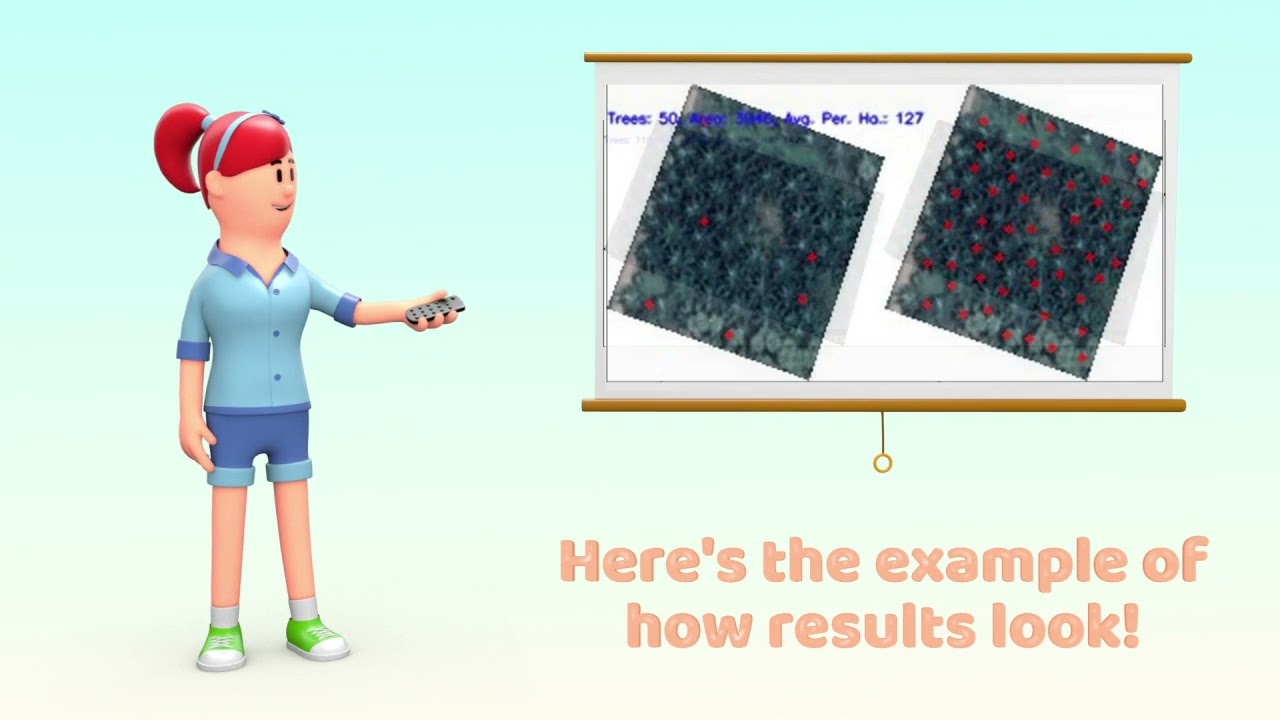
Investing in traceable, sustainable rainforest supply chains pays off. Markets and institutions are demanding verified sustainable sourcing and will continue to penalize unsustainable or illegal producers in 2026.
- ✔ Boosts biodiversity and preserves rainforest ecosystem services.
- ✔ Improves climate resilience for farmers and communities.
- ✔ Protects long-term soil health and food production capacity.
- ✔ Supports traceable value chains for international markets.
- ✔ Reduces risk of regulatory penalties for unsustainable practices.
“Over 1,400 rainforest species benefit from biodiversity-friendly farming introduced in 2025 sustainable solutions.”

Comparison Table of Sustainable Solutions for Agriculture in Rainforests
Understanding which solutions to prioritize depends on local needs, costs, scalability, and impact. The table below summarizes the seven leading sustainable approaches in rainforest agriculture for 2025/2026:
| Solution Name | Est. Cost (USD/ha) | Biodiversity Impact | Soil Health Improvement (%) | Scalability | Case Study/Region Example |
|---|---|---|---|---|---|
| Agroforestry Systems | $500–$2,000 | High | 20–50% | Small/Large | Amazon Basin, Southeast Asia |
| Soil Conservation Agriculture | $350–$1,500 | Medium-High | 15–40% | Small/Large | Congo Basin, Central America |
| Integrated Pest Management (IPM) | $250–$800 | Medium | 8–25% | Small/Large | Southeast Asia, Latin America |
| Community-Based Forest Management | $100–$700 | High | 20–30% | Small/Moderate | Amazon, Congo Basin |
| Remote Sensing & Smart Tech | $300–$1,200 | Medium | 10–30% | Large | Brazil, Indonesia |
| Blockchain-based Traceability | $200–$900 | Medium | N/A (Indirect) | Large | West Africa, Southeast Asia |
| Climate-Resilient & Diversified Systems | $400–$1,500 | Medium-High | 10–35% | Small/Large | Amazon, Global Tropical Regions |

- Assess soil health regularly using smart sensors or remote imagery.
- Adopt mixed cropping patterns to mimic natural rainforest biodiversity.
- Utilize organic mulches and biochar for enhanced soil fertility retention.
- Empower local communities with governance and fair compensation for forest stewardship.
- Integrate blockchain traceability to ensure sustainable supply chains.
High-tech solutions require robust connectivity and digital literacy among rural farmers—investment in training and infrastructure is essential for equitable adoption.


Satellite monitoring can increase early detection of deforestation hotspots by over 65% versus manual scouting—enabling swifter policy responses and forest protection at landscape scale. Explore Farmonaut’s API for integrating these capabilities in your sustainable projects.
Future Outlook and Policy Implications (2026+)
Securing a sustainable future for rainforest agriculture from 2026 and beyond requires both innovation and effective policy. Globally, governments, organizations, and community leaders are enhancing regulations and incentives to promote sustainable practices while maintaining the delicate balance between food production, livelihood security, and ecosystem conservation.
- 🏛️ Land Use Planning: Smart zoning and incentivizing sustainable farming approaches can reduce illegal deforestation and optimize ecosystem services.
- 🌱 REDD+: Leveraging financial mechanisms to pay for verified preservation activities (Reducing Emissions from Deforestation and Forest Degradation).
- 🔬 Research Investment: Funding new climate-resilient crop varieties, organic amendments, and biodiversity-friendly technology.
- 🤝 Community Support: Policies empowering indigenous and rural communities as primary forest stewards and knowledge holders.
- 🛡️ Satellite verification for agricultural loans and insurance can reduce risks and foster sustainable, secure economies within rainforest regions.
- • Stringent supply chain regulations for traceability and sustainability certification
- • Encouragement of diversified production to mitigate climate, pest, and economic risks
- • Monitoring and reporting frameworks for all major agri-commodities in rainforest zones
Smart fleet management tools can streamline logistics and cut emissions in rainforest agricultural sites. See
Farmonaut’s Fleet Management
for affordable, scalable solutions.


Farmonaut’s Role in Advancing Sustainable Rainforest Agriculture
At Farmonaut, we are committed to making advanced, satellite-powered solutions accessible for agriculture in rainforest regions and supporting sustainable development worldwide. Our technology harnesses real-time satellite imagery, artificial intelligence, and blockchain traceability to:
- 📡 Monitor crop health, soil conditions, and deforestation with up-to-date satellite data
- 💡 Deliver AI-driven advice for resilient farming, pest management, and resource optimization
- 🛡️ Support transparent, sustainable value chains—helping verify that products from rainforest areas are ethically sourced
- 🔎 Enable seamless API integration for developers, researchers, and enterprises (API Docs)
- 🔒 Provide financial verification for crop loans and insurance using remote validation, enhancing rural economic security
Our solutions are modular and affordable, empowering everyone in the value chain—from individual farmers to governments—to enhance productivity while preserving the priceless biodiversity and climate function of Earth’s rainforests.
Frequently Asked Questions (FAQs) — Agriculture in Rainforests 2026
1. What is the biggest challenge for sustainable agriculture in rainforests?
Soil nutrient depletion due to heavy rainfall and intensive farming is the main challenge. Sustainable soil management and maintaining adequate fallow periods are critical solutions.
2. How does agroforestry benefit biodiversity and the environment?
Agroforestry integrates trees, crops, and/or livestock, supporting habitat diversity, preventing erosion, and sequestering more carbon than monocultures—helping maintain ecological balance.
3. How can technology support sustainable rainforest farming?
Technologies like satellite monitoring, drones, and blockchain traceability support real-time crop management, anti-deforestation enforcement, and verifies sustainable supply chains, ensuring farm and ecosystem health.
4. What are some effective policies for rainforest agricultural sustainability?
Land use zoning, community co-governance, incentives for agroforestry, and requirements for traceability and deforestation-free supply chains are among the most effective policies.
5. How does Farmonaut contribute to sustainable agriculture in rainforests?
We provide satellite-based monitoring, real-time data analytics, blockchain traceability, and affordable APIs and apps—helping farmers, companies, and governments maximize productivity while reducing environment risks.
6. Which regions are leading in sustainable rainforest agriculture initiatives?
The Amazon basin (Brazil, Peru), Congo basin (DRC, Cameroon), and Southeast Asia (Indonesia, Malaysia, Thailand) are key areas piloting innovative sustainable agricultural practices.
7. Are there mobile tools for satellite-based crop monitoring in rainforest regions?
Yes! The Farmonaut App (web, Android, iOS) provides mobile access to crop and environmental monitoring specific to agriculture in rainforests and beyond.
Conclusion: Agriculture in Rainforests—Charting a Sustainable, Resilient Future
Agriculture in rainforests stands at a critical juncture in 2025 and beyond. Biodiversity loss, soil degradation, and mounting economic and climate pressures threaten both rainforest ecosystems and the millions whose livelihoods depend on them. By scaling sustainable solutions—agroforestry, conservation agriculture, IPM, technology, traceable value chains, and community co-management—we can balance food security with the conservation of some of Earth’s most biodiverse and vital regions.
With the support of emerging technology platforms and forward-thinking policy, rainforest regions can lead the world in innovative agriculture that truly works for people and planet alike.
Monitor your crops, enhance soil health, and strengthen traceability using Farmonaut’s affordable satellite technology—on web or mobile apps.
Start with Farmonaut Today

 UCAL Fuel Systems
 Kubota
 FFBS
FFBS Jontra
 Kalustyan
 Tucor
Tucor Geno
Geno Hayleys Agriculture
 Linx Agritech
 Adinet
 Save Your Soils
 Grandstream Algérie
 XOS Realty
 Geospatial Lab Africa
 Agro La Gándara
