

Farm Land Purchase Loan: Rates, Terms & Programs Guide
Reviewed September 2026 against USDA NASS Land Values and Cash Rents reports and USDA Farm Service Agency (FSA) lending-rate announcements.
Try it: Run your own numbers →
Summary: What a Farm Land Purchase Loan Actually Costs
A farm land purchase loan is money borrowed specifically to buy agricultural real estate — cropland, pastureland, or a full farm parcel — rather than to cover annual operating costs like seed or fuel. In the United States, the two paths are a government-backed USDA Farm Service Agency (FSA) Farm Ownership Loan and private financing through the Farm Credit System or a commercial bank. As of August 2026, the direct FSA Farm Ownership Loan interest rate is 6.00%, the FSA Down Payment program rate is 2.00%, and the Joint Financing rate is 4.00%, per the USDA FSA August 2026 lending rates announcement.
What you can borrow and at what rate depends on land value, which lender you use, and how much of the purchase price you can put down. This guide breaks down current farmland prices, the three main lending channels, actual rate and term numbers, and a calculator you can run with your own purchase price and down payment.

What Is a Farm Land Purchase Loan?
A loan for farm land purchase is distinct from a general commercial real estate mortgage in three ways: the collateral is agricultural real estate valued using farmland comparables (not residential comps), the repayment schedule can be structured around seasonal or annual farm income rather than a flat monthly wage assumption, and eligibility usually requires the borrower to be an active farm operator rather than a passive real estate investor.
In the US, three lending channels dominate agricultural real estate debt:
- USDA Farm Service Agency (FSA): direct and guaranteed government loan programs aimed at family farms, beginning farmers, and underserved producers.
- Farm Credit System (FCS): a network of borrower-owned cooperative lenders chartered specifically for agriculture, holding $373 billion in total loans, leases, and services and a 45.9% share of US agricultural lending as of 2022, according to the Farm Credit System investor presentation.
- Commercial banks: held roughly 35.2% of US farm debt in 2022, per the University of Missouri Raiffeisen Center Farm Credit Financing report.
The brief gap here: no published breakout separates land-purchase lending specifically by channel — the 45.9%/35.2% split above covers all agricultural lending (operating loans included), not purchase-money mortgages alone. If you need that split for your own state or region, ask your local FSA county office and a Farm Credit association for their land-purchase volume directly; neither publishes a land-purchase-only market share nationally.
How Much Farmland Costs Right Now
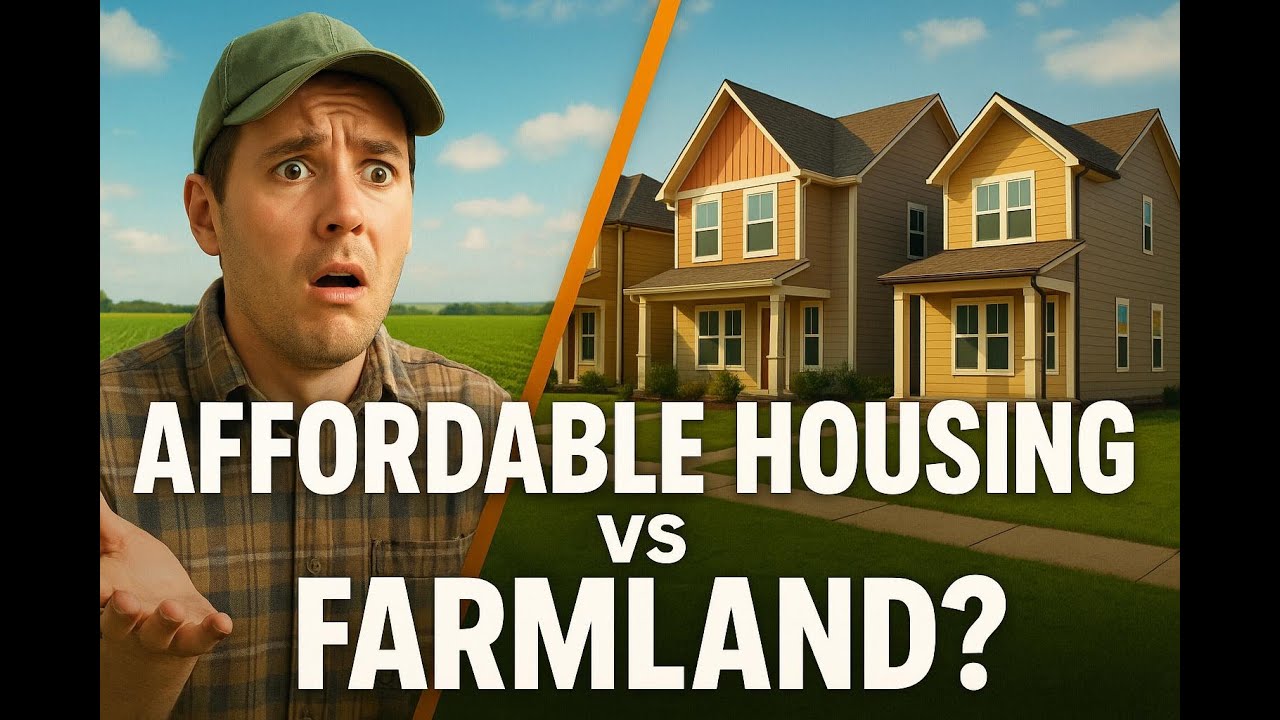
Loan sizing starts with land value. The USDA NASS 2025 Land Values and Cash Rents report puts the 2026 US average farm real estate value at $4,500 per acre, average cropland at $6,020 per acre, and average pastureland at $2,000 per acre — a 3.4% year-over-year increase in overall farmland value from 2025 to 2026. The prior year’s report placed 2025 average cropland at $5,830 per acre, a 4.7% increase from 2024, so cropland value growth slowed by roughly a third between the two survey years.
These are national averages; actual per-acre prices in any given county can run well above or below them depending on irrigation access, soil class, and proximity to urban development. NASS publishes state-level breakdowns in the same annual release — check the NASS Land Values chart and map index for your state’s current figure before you size a loan request, since a national average is a starting point, not a substitute for a local comp.
NASS republishes this survey every August with the prior year’s finalized figures — the 2026 numbers above came out in the August 2025 release cycle, and 2027 figures will follow the same pattern in August 2027. Bookmark the chart index link above rather than this page’s numbers if you’re pricing a purchase more than a few months out.

Loan Types: USDA FSA, Farm Credit System, and Commercial Banks
USDA FSA Farm Ownership Loans
The USDA FSA Farm Ownership Loans page lists three variants:
- Direct Farm Ownership Loan: up to $600,000, funded and serviced directly by FSA, currently carrying a 6.00% interest rate (August 2026) and a maximum repayment term of 40 years.
- Guaranteed Farm Ownership Loan: up to $2,343,000, originated by a commercial lender or Farm Credit association and guaranteed by FSA against default — this is how FSA supports larger land purchases without directly funding them.
- Down Payment Farm Ownership Loan: targeted at beginning farmers and underserved producers, financing up to 45% of the purchase price at a 2.00% interest rate (August 2026), typically paired with a guaranteed or conventional loan for the remainder.
FSA also offers a Joint Financing structure, combining FSA direct funds with a separate lender at a blended rate — the FSA portion carried a 4.00% rate in August 2026.
FSA rates are announced monthly, typically in the first three days of the month — the figures above are specifically the August 2026 rates and will not still be current by the time you read this months later. Check the FSA news and press releases page for the current month’s rate before budgeting a payment, or subscribe to FSA’s email alerts for automatic monthly updates.
Farm Credit System
Farm Credit associations are cooperative, member-owned lenders chartered under the Farm Credit Act specifically to serve agriculture, and they are the single largest source of US farm debt by dollar volume — $373 billion in total loans, leases, and services in 2022. Rates are set locally by each association and are not centrally published the way FSA’s are; request a current rate quote from your regional Farm Credit association directly, since it will reflect their cost of funds and your specific credit profile rather than a single published number.
Commercial Banks
Community and regional banks with agricultural lending desks held about 35.2% of US farm debt in 2022. Bank land loans are usually priced off prime rate plus a margin set at underwriting, with terms and down payment requirements varying by institution — get a written term sheet to compare against FSA and Farm Credit offers rather than assuming a bank quote matches either.
Eligibility for an Agriculture Land Purchase Loan
FSA Farm Ownership Loan eligibility, per the FSA program page linked above, generally requires:
- The applicant must be or become the operator of the farm being purchased, not a passive landlord.
- US citizenship, US national status, or qualified alien status.
- Acceptable credit history, though FSA’s Down Payment and beginning-farmer provisions are specifically designed for applicants with limited credit or asset history.
- Sufficient farm management experience or training — FSA county offices assess this case by case rather than against a fixed year requirement.
- Inability to obtain sufficient credit elsewhere at reasonable rates and terms, for the direct loan program specifically (the guaranteed program does not carry this restriction, since it works through an existing commercial or Farm Credit lender).
Farm Credit and commercial bank eligibility standards vary by lender but typically weigh farm income history, existing debt load, the appraised value of the land being purchased, and the borrower’s equity contribution. A larger down payment consistently improves both approval odds and the rate offered, across all three channels.
Rate & Term Comparison Table
| Loan Program | Interest Rate | Max Loan Amount | Max Term | Notes |
|---|---|---|---|---|
| FSA Direct Farm Ownership Loan | 6.00% (Aug 2026) | $600,000 | 40 years | Funded and serviced directly by USDA FSA |
| FSA Guaranteed Farm Ownership Loan | Set by originating lender | $2,343,000 | 40 years | FSA guarantees a bank or Farm Credit loan against default |
| FSA Down Payment Loan | 2.00% (Aug 2026) | Up to 45% of purchase price | 20 years | For beginning farmers and underserved producers; paired with another loan |
| FSA Joint Financing | 4.00% (Aug 2026) | Varies by co-lender | Varies | FSA direct funds blended with a separate lender’s funds |
| Farm Credit System loan | Set by local association | Varies by association | Varies | 45.9% share of US agricultural lending, 2022 |
| Commercial bank loan | Prime + lender margin | Varies by bank | Varies | 35.2% share of US farm debt, 2022 |
Rates for the three FSA programs are set monthly and published on the FSA press releases page linked above; Farm Credit and bank rates require a direct quote since neither publishes a national rate table.

Loan Payment Calculator
Enter a purchase price, down payment, interest rate, and term to estimate your monthly principal-and-interest payment and total loan amount — swap in the FSA, Farm Credit, or bank rate you’re actually quoted to compare programs side by side.
Run your own numbers
Assumes a fixed-rate, fully amortizing loan with monthly principal-and-interest payments only — it excludes property taxes, insurance, closing costs, and any FSA guarantee or origination fees. Use it to compare rate quotes, not as a binding loan estimate.

How to Apply and What Slows Approval Down
The application path differs by lender:
- FSA direct or Down Payment loans: apply through your local FSA county office. You'll need a farm operating plan, financial statements, and documentation of farm management experience. FSA does not publish a national approval-rate or processing-time figure for Farm Ownership Loans specifically — ask your county office for their current caseload and expected timeline, since it varies by office and season.
- FSA guaranteed loans: apply through a participating commercial bank or Farm Credit association, which underwrites the loan and requests the FSA guarantee on your behalf.
- Farm Credit System: apply directly with your regional association; as a cooperative, approval often includes a stock purchase requirement tied to loan size.
- Commercial banks: apply as you would for any commercial real estate loan, with an appraisal, title search, and financial underwriting specific to that bank's agricultural lending desk.
Common causes of delay across all three channels: incomplete or unclear title on the land being purchased, missing or inconsistent farm financial records, appraisal disputes when the asking price runs well above the county's NASS-reported average, and gaps in documented farm management experience for first-time buyers. Resolving title and documentation issues before you submit an application is the single most effective way to shorten the process, regardless of which lender you use.
Reducing Lender Risk with Land & Crop Data
- ⚠ Title and documentation complexity: unclear ownership history or boundary disputes delay underwriting on any of the three loan channels above.
- 📉 Land value swings: a 3.4% year-over-year rise in average farmland value (2025–2026, per NASS) can shift an appraisal between the time you budget a purchase and the time you close — get a current appraisal before finalizing a loan amount.
- ⚠ Income documentation gaps: lenders weigh farm income history heavily; incomplete records from prior years slow both FSA and private underwriting.
- ✔ Insurance coverage: a land purchase loan does not automatically include crop or land insurance — arrange this separately as part of your total risk picture. Farmonaut's crop loan and insurance platform is built for exactly this step.
- ⚠ Commodity price and yield volatility: a multi-decade FSA loan term (up to 40 years) spans multiple commodity cycles — build repayment projections around a conservative yield and price scenario, not a peak year.

How Satellite Data Supports Land Purchase Underwriting
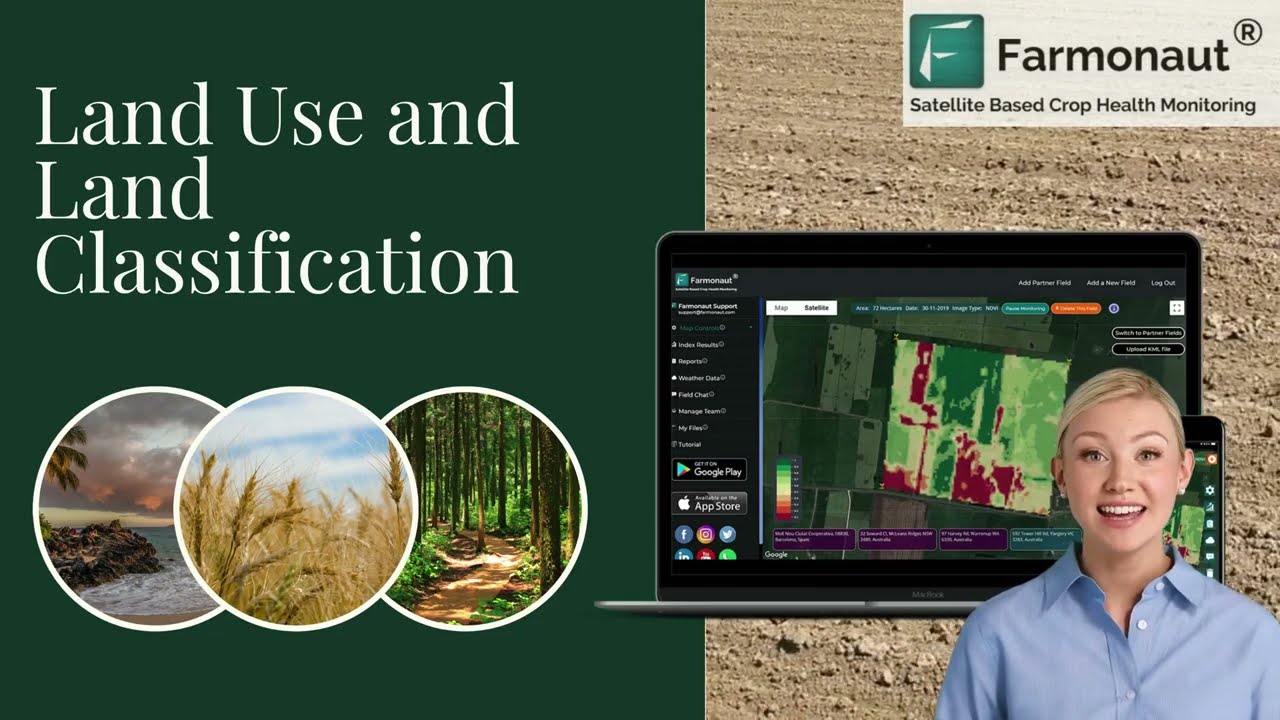
Whichever channel you borrow through, lenders and buyers both benefit from independent, current data on the land itself rather than relying solely on the seller's description or a dated appraisal photo. Farmonaut's satellite monitoring platform gives both sides of a land purchase transaction a way to verify what they're financing.
- ✔ Land and vegetation health verification: satellite-based monitoring shows historical crop performance and current vegetation condition on a parcel before you commit to a purchase price.
- ✔ API integration for lenders: the Farmonaut API and developer documentation let banks and Farm Credit associations pull land productivity data directly into underwriting workflows.
- ✔ Carbon and sustainability data: if you plan to enroll purchased acreage in a conservation or carbon program, Farmonaut's carbon footprinting tools establish a baseline at time of purchase.
- ✔ Traceability for multi-party transactions: Farmonaut's product traceability platform creates a transparent record where multiple parties (buyer, seller, lender) need shared visibility into land use history.
- ✔ Ongoing monitoring after purchase: once you own the land, Farmonaut's large-scale farm management solution tracks crop health and land utilization across the new acreage, and the platform at sat.farmonaut.com provides AI-enabled advisory support for the land you've financed.



Farmonaut Subscription Plans for Satellite-Powered Land & Crop Monitoring
Choose from subscription tiers covering satellite data, AI advisory, blockchain traceability, and resource management for land you're purchasing or already farming.

FAQ: Loan for Farm Land Purchase
What is the current interest rate on a USDA FSA farm land loan?
As of August 2026, the direct FSA Farm Ownership Loan rate is 6.00%, the Down Payment loan rate is 2.00%, and Joint Financing is 4.00%. These are set monthly — check the FSA news page for the current month's rate.
How much can I borrow to purchase farm land?
The FSA direct Farm Ownership Loan maxes out at $600,000; the FSA guaranteed program goes up to $2,343,000. Farm Credit and commercial bank limits depend on the lender's underwriting and the appraised value of the land — average US cropland was valued at $6,020/acre and pastureland at $2,000/acre as of the 2026 NASS report.
Can a first-time or beginning farmer get a loan for land purchase?
Yes. FSA's Down Payment Farm Ownership Loan is specifically built for beginning farmers and underserved producers, financing up to 45% of the purchase price at a 2.00% rate (August 2026), usually paired with a guaranteed or conventional loan for the balance.
What's the difference between FSA, Farm Credit, and a commercial bank loan?
FSA is a federal program with published monthly rates and specific eligibility rules favoring farm operators and beginning farmers. Farm Credit System associations are cooperative agricultural lenders holding 45.9% of US agricultural lending (2022); rates are set locally. Commercial banks held 35.2% of US farm debt in 2022 and price loans off prime rate plus their own margin.
Is land or crop insurance included with a land purchase loan?
No loan program above bundles insurance automatically. Arrange crop and land insurance separately — Farmonaut's crop loan and insurance platform supports this step.
How does satellite data help with a land purchase loan application?
Lenders can use satellite-based land and crop health verification, accessible via the Farmonaut platform and API documentation, to independently confirm land productivity and reduce reliance on seller-provided information during underwriting.
What is the maximum repayment term for a farm land loan?
USDA FSA Farm Ownership Loans (direct and guaranteed) carry a maximum repayment term of 40 years. Farm Credit and commercial bank terms vary by lender and loan structure — request specific terms in writing before comparing offers.





Conclusion: Comparing Your Options Before You Borrow
A farm land purchase loan is not a single product — it's a choice between a federal program with published rates and specific eligibility rules, a cooperative lending network that prices locally, and commercial banks competing on their own terms. The durable method here doesn't change even as rates and land values move every year:
- ✔ Pull the current month's FSA rate from the FSA news page before budgeting a payment — rates change monthly.
- ✔ Check your state and county's current land value against the national average in the NASS Land Values index, published every August.
- ✔ Get written quotes from at least two of the three channels — FSA, Farm Credit, and a commercial bank — before signing anything.
- ✔ Run your actual numbers through the calculator above, not the national averages, before committing to a purchase price.
- ✔ Verify land condition and productivity independently, using satellite data or a current appraisal, rather than relying solely on the seller's figures.
Whichever lender you choose, treat the FSA rate table and NASS land value report as living documents to check again at the time you actually apply — not the numbers printed on this page.
Discussion
Questions, corrections or field experience? Share them below. First-time comments are reviewed before they appear, and your email is never published.
No comments yet. Be the first to add a question or your experience.

 Sampurn AgriConnect
 FCF India
 Unifrutti Gulf
 Deluxe Conseil
 TVS Electronics
 BW Pipelines
 WICO
WICO Gen Chayat
 Chimera Innovation
 SkyHarvest
 Polaris Digitech
 Teledarbas
 Wild Oak Farm
 SFX
SFX Doodlakine
 Licence holder · Niger · Gold










