

Agroecology and Sustainable Agriculture: 7 Key Practices for a Resilient Future
“Agroecology can reduce synthetic fertilizer use by up to 50% through crop rotation and organic amendments.”
Agroecology and sustainable agriculture form the cornerstone of a modern, holistic approach designed to address the urgent challenges facing our food systems, environment, and rural livelihoods. By treating ecosystems as the foundation of productive, resilient agriculture, agroecological methods integrate ecological science, social equity, and local knowledge in innovative ways. This sets the stage for farming systems that mimic natural processes, conserve resources, and sustain yields—now and for generations to come.
With the growing realization that industrial, input-intensive agricultural systems are neither ecologically sustainable nor socially just, the need for practices that generate healthy foods while restoring the Earth’s core resources—soil, water, biodiversity, and community vitality—is more critical than ever.
In this comprehensive guide, we delve into what agroecology farming is, contrast agroecology vs industrial agriculture, and provide practical, evidence-based insights into the 7 key agroecological practices that any forward-thinking stakeholder should consider. Plus, discover how digital innovations—like those pioneered by Farmonaut—are speeding up the global transition to resilient food systems.
What is Agroecology Farming?
Agroecology farming is the implementation of farming methods that apply ecological principles to achieve food production with minimal external inputs. Rather than viewing agriculture as a set of isolated techniques, agroecology sees farming as a dynamic relationship between soil, water, plants, animals, and people within the broader landscape.
Agroecological farming foregrounds a set of key ideas:
- Diversifying crops and embracing polycultures, instead of exhaustive monocultures
- Building soil health through composting, cover crops, and rotation to optimize nutrient cycles and organic matter
- Conserving water resources with mulches, rainwater harvesting, and soil moisture management
- Pest and disease regulation via ecological balance and natural enemies, not heavy reliance on pesticides
- Strengthening farm communities through participatory approaches, local knowledge, and social innovation
- Reducing external inputs (synthetic fertilizers, chemical pesticides) in favor of natural amendments and integrated systems
Agroecology not only restores soils, biodiversity, and water cycles but also enhances farmer autonomy, community livelihoods, and food sovereignty compared to industrial approaches.

Agroecology vs Industrial Agriculture: Goals, Methods, and Impacts
The debate between agroecology vs industrial agriculture highlights a fundamental contrast in goals, methods, and environmental/social impacts:
- Industrial agriculture emphasizes high yields above all else. This often involves mechanization, patented seeds, centralized supply chains, and reliance on synthetic fertilizers and pesticides.
- Agroecological farming seeks to optimize ecosystem services, local food self-reliance, and justice—enhancing the resilience of farms by conserving resources, increasing biodiversity, and empowering communities.
Industrial approaches can lead to soil degradation, loss of biodiversity, water contamination, and vulnerability to market and climate shocks. In contrast, agroecology aims to reduce environmental footprints, sustain yields, and build socio-economic resilience over time.
| ⚠ Common Mistake: Many assume that only large, mechanized farms can achieve high productivity. In fact, agroecology’s diversified systems often outperform monocultures in stability and resilience, especially under climate and market stress.

Agroecology and Sustainable Agriculture: 7 Key Practices
To bring agroecology and sustainable agriculture to life, farmers, policy-makers, and stakeholders can implement the following core agroecological farming practices. Each of these incorporates natural and social science, minimizes external inputs, and conserves core resources:
-
Crop Rotation
Alternating different crops on the same land to optimize nutrient cycling, reduce pest buildup, and maintain soil health. -
Intercropping and Polycultures
Growing two or more crops together to maximize biodiversity, protect against disease, and utilize resources (nutrient, space, light) more efficiently. -
Agroforestry
Integrating woody perennials (trees, shrubs) alongside crops and livestock to K20andscape microclimates, conserve water, and support diversified income. -
Cover Cropping/Living Mulches
Planting non-harvested crops to cover soils, suppress weeds, fix nitrogen, enhance organic matter, and reduce erosion. -
Organic Fertilization & Composting
Using animal manures, green manure, and plant residues to recycle nutrients, build soil organic matter, and minimize reliance on synthetic fertilizers. -
Integrated Pest Management (IPM)
Employing natural pest regulation through scouting, biological controls, traps, crop diversity, and targeted interventions (
reducing pesticides as much as possible
). -
Conservation Tillage
Reducing or eliminating plowing to maintain soil structure, moisture, and microbial communities—while reducing carbon emissions.
- ✔ Key benefit: Enhances crop yields and soil health over the long term
- 📊 Data insight: Cover crops increase soil organic matter by up to 20% within five years
- ⚠ Risk or limitation: Initial transition may reduce short-term yield as systems adjust
- 🌱 Agroecology impact: Supports biodiversity and farmer resilience
- 💧 Water saving: Efficient soil moisture retention reduces irrigation needs
- Increases ecosystem services
- Reduces vulnerability to climate shocks
- Promotes local food security
- Enhances farmer autonomy
“Sustainable farms using cover crops increase soil organic matter by 20% within five years, boosting resilience and productivity.”

Start with small pilot plots when implementing new agroecological practices, then increase the scale as you observe benefits in soil, yields, and resilience.
Key Agroecological Practices and Their Estimated Impacts
| Practice | Brief Description | Estimated Soil Health Improvement (%) | Estimated Water Conservation (%) | Potential Yield Stability Increase (%) |
|---|---|---|---|---|
| Crop Rotation | Alternating crops yearly to break pest cycles and improve nutrient use | 15–30% | 5–15% | 10–25% |
| Intercropping | Growing two or more crops together for biodiversity and resource sharing | 10–25% | 10–20% | 15–30% |
| Agroforestry | Integrating trees/shrubs with crops & livestock | 20–40% | 15–35% | 20–30% |
| Cover Cropping | Growing plants to protect soil and fix nutrients off-season | 20–35% | 10–25% | 10–20% |
| Organic Fertilization | Using compost, manure, green manures to boost nutrients and soil life | 25–45% | 5–15% | 5–15% |
| Integrated Pest Management | Ecological pest regulation using natural enemies & minimal pesticides | 5–15% | 5–10% | 10–20% |
| Conservation Tillage | Minimizing plowing to protect soil life and carbon | 15–30% | 15–25% | 10–20% |

Agroecological farm systems have a lower risk of crop failure and market volatility—making them an increasingly attractive option for impact investments focused on sustainability and resilience.
Agroecology Practice Deep Dive: Soil Health, Water Conservation, and Integrated Management
At the core of agroecological farming practices lies a scientific understanding that healthy soils are the backbone of all productive, sustainable agriculture. Enhancing soil organic matter, fostering beneficial microbes, and protecting the soil’s structure and water retention capacity are crucial for plant growth, pest suppression, and climate resilience.
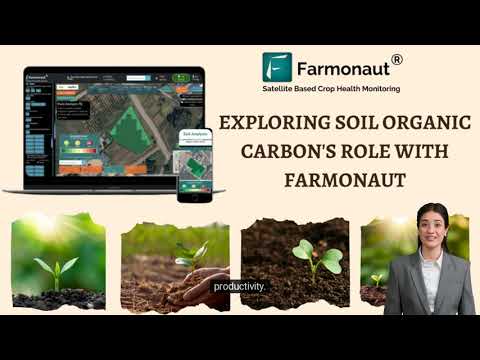
Relying solely on short-term chemical inputs while neglecting soil restoration may boost yields briefly but destroys long-term productivity and farm resilience.
- Cover cropping suppresses weeds and increases soil moisture
- Agroforestry buffers temperature extremes and provides diversified habitat for pollinators and wildlife
- Organic fertilization accelerates nutrient cycling and boosts beneficial soil life
- Conservation tillage minimizes carbon loss and protects vital mycorrhizal networks
- Integrated pest management encourages ecological balance, reducing the need for pesticides

Visual Guide: The “Soil-Plant-Water-Animal” Connection in Agroecology
- Healthy soils → increased water retention → stronger crop growth
- Multiple crop species → encourage pest enemies → fewer outbreaks
- Trees in fields → shaded microclimate → lower evaporation, less heat stress
- Livestock integration → natural manure recycling → boosted soil fertility
- Water conservation → reduced reliance on irrigation → greater climate resilience
Modern satellite-based monitoring, such as that offered by Farmonaut, empowers farmers worldwide to measure and optimize soil moisture, crop growth, and resource use in real time.
Participatory Innovation & The Role of Local Knowledge
Agroecological farming is not a rigid recipe; it is a dynamic relationship evolving within the unique environmental, social, and cultural landscape of a region. Farmers play a central role as innovators, adapting techniques to their land, climate, and resource constraints.
- Participatory research links local communities, scientists, and extension workers
- Knowledge exchange (farmer-to-farmer, community workshops) speeds adoption and adaptation of new methods
- Context-specific design: Agroecological systems are tailored to local crops, water sources, elevation, and socio-economic conditions
Social equity is at the core—empowering underrepresented farming communities, strengthening food sovereignty, and providing economic stability through diversified crops and markets.

By blending traditional wisdom with leading-edge technologies, agroecological systems are more adaptable and robust in the face of climate change and shifting markets.



Sustainability-driven organizations can use our API to integrate satellite-based soil monitoring, water tracking, and biodiversity mapping directly into their farm management systems. This empowers local communities and businesses to scale participatory agroecological innovation.
If you operate at scale or seek regulatory compliance (such as for carbon footprint accounting or product traceability), consider these dedicated Farmonaut products:
- Carbon Footprinting Platform – Accurately track and reduce farm emissions while supporting climate-smart certification.
- Blockchain-Based Product Traceability – Ensure transparency from soil to market with immutable supply chain records.
- Fleet Management Tools – Optimize equipment use and reduce operational costs for diversified and large-scale farms.
- Large-Scale Farm Management Solution – Get real-time reports on hundreds of fields and crops, supporting agile decision-making.
- Crop, Plantation, and Forest Advisory Platform – Leverage expert recommendations for agroforestry, silvopasture, and mixed cropping systems.
- Crop Loan and Insurance Verification – Use satellite insights to unlock finance for sustainable farm improvements.
Socio-Ecological Benefits of Agroecology and Sustainable Agriculture
The advantages of agroecology and sustainable agriculture go well beyond the field margin. They cultivate system-wide benefits for food systems, rural livelihoods, ecosystem services, and social equity. Here are some of the most impactful outcomes:
- Regenerated soils: Higher organic matter and improved structure drive yield stability and water infiltration
- Water conservation: Less evaporation, better rain use, and less off-site pollution
- Reduced synthetic input costs (fertilizers/pesticides): Increased profitability and fewer health risks for farm families and communities
- Increased biodiversity at all levels—microbial, floral, faunal
- Enhanced resilience to climate shocks: Buffer against drought, floods, and market volatility
- Support for rural equity and well-being: Local knowledge is respected, and diverse income streams support long-term rural prosperity.
Agroecological transitions are most effective when farmers, local cooperatives, and researchers co-create solutions for their region. Diversification protects against risk!
Transition Checklist for Achieving Agroecological Resilience:
- ✔ Replace monocultures with crop rotations, polycultures, and agroforestry
- ✔ Integrate composting and organic fertilizers to improve soil health
- ✔ Reduce reliance on synthetic fertilizers and pesticides
- ✔ Ensure on-farm participatory management and knowledge sharing
- ✔ Monitor soil, water, and biodiversity changes annually to guide further improvements (Farmonaut web/mobile platform)
Each farm adopting agroecological principles contributes to a cumulative, landscape-wide increase in biodiversity and ecosystem services, helping to secure food for future generations.
Digital Transformation in Agroecology with Farmonaut
Innovation in digital agriculture is accelerating the transition to agroecology and sustainable agriculture. At Farmonaut, we provide affordable, satellite-driven insights—such as soil moisture mapping, NDVI vegetation health, and environmental impact tracking—empowering farmers, agribusinesses, and governments to:
- Conserve water using real-time monitoring of field moisture
- Reduce external inputs by detecting nutrient or pest hotspots early
- Improve soil health with long-term trends in organic matter/carbon
- Sustain yields despite climate shocks and variable rainfall
- Monitor agroforestry and diversified crop systems at scale
Our tools and apps (see links above) are relevant for individual growers, large enterprises, and policy-makers. The data-driven approach:
- ✔ Promotes ecosystem health over reliance on inputs
- ✔ Enables participatory, locally-led farm management
- ✔ Supports traceability and carbon accounting for sustainable branding and finance
Whether managing a regenerative coffee farm in Kenya, an organic wheat rotation in Canada, or restoring forests in India—digital mapping and monitoring are essential to measuring, scaling, and sustaining agroecological systems.
FAQ: Agroecology and Sustainable Agriculture
What is the difference between agroecology and organic farming?
Agroecology is broader, integrating ecological, social, economic, and participatory dimensions, whereas organic farming mainly regulates what inputs can be used. Agroecology can include organic methods but also focuses on social equity, local knowledge, and systems thinking.
Can smallholder farmers implement agroecology?
Yes. In fact, agroecological methods are often more accessible and cost-effective for smallholders as they emphasize local knowledge, reduce external (and expensive) input use, and build resilience through diversity.
How does agroecology improve resilience to climate change?
By increasing soil organic matter, conserving water, diversifying crops and income sources, and fostering ecological regulation, agroecological farming practices buffer farms against drought, floods, pests, and extreme weather events.
What role does technology play in agroecology?
Technology (like satellite data, AI, and digital farm management tools) amplifies agroecology’s potential by providing data-driven insights, early warnings, and scalable monitoring—while supporting participatory, locally-appropriate decisions. Platforms such as Farmonaut enable affordable soil and crop monitoring at any scale.
Which crops or regions are best suited for agroecological practices?
Agroecological methods are adaptable to virtually all climates and crops—from rice paddies in Asia, coffee agroforests in Africa, maize rotations in the Americas, to rice-wheat rotations in India. The key is adapting farms to local ecology and farmer goals.
Shifting toward agroecology and sustainable agriculture is essential for healthier soils, more resilient communities, and a food system that nourishes both people and planet—today and tomorrow.

 Godrej Agrovet
 Hayleys Agriculture
 Linx Agritech
 Adinet
 Save Your Soils
 GalaxEye Space
 Grandstream Algérie
 XOS Realty
 Geospatial Lab Africa
 Agro La Gándara
 HIPSAC
 ZOL Zimbabwe
 Juligerm
 AdBio
AdBio MISE Maroc
 NWNS
NWNS Red August Group
 Farm Inc
 WeMe Global
 Agrotoken
 Blue BearX
 Insignito
 DnCubed
 Indosistim Teknologi
 Liquify Digital
 CU Foods
 BeyondTech Global
 Rouge VC
 AgroRisk
 Oath Inc
 Esri North East Africa
 MDCV UK
 Etech Consulting Madagascar
 Vestlandsforsking
 WB Dev
 Sama Premium
 Tres Valles
 Blickwinkel
 Agricultural Credit Policy Council
 eKGIS
eKGIS Mostas Tech
 Andex
Andex Deluxe Conseil
 WICO
WICO Chimera Innovation
 SkyHarvest
 Teledarbas
 Exurbia Geospatial
 FieldZero
