

Agroforestry vs Permaculture: 7 Top Agroforestry Systems for Sustainable Agriculture in 2026
“Globally, agroforestry systems can increase farm biodiversity by up to 50% compared to conventional agriculture.”
Table of Contents
- Introduction
- Agroforestry vs Permaculture: Definitions & Core Principles
- Comparative Matrix: 7 Leading Agroforestry Systems
- Agroforestry Systems in 2026: Trends & Applications
- Permaculture: Broader Impacts & Integration
- Synergies: Combining Agroforestry & Permaculture for Resilient Ecosystems
- Frequently Asked Questions
- Conclusion
Introduction
In an era where climate change, soil degradation, and biodiversity loss threaten the very foundation of agriculture, there’s a growing global demand for environmentally friendly and resilient farming systems. Sustainable solutions such as agroforestry and permaculture are gaining significant attention among farmers, foresters, and land managers seeking to enhance productivity, conservation, and climate resilience well into 2026 and beyond.
But what exactly differentiates agroforestry vs permaculture? How can these two sustainable land use approaches help create diversified, resilient, and productive systems? Let’s dive into the essential principles, differences, and examine the top 7 agroforestry systems shaping the future of ecological and agricultural landscapes.

Agroforestry vs Permaculture: Definitions & Core Principles
What is Agroforestry?
Agroforestry is the intentional integration of trees and shrubs with crops and/or livestock on the same plot of land, forming a multifunctional system that mimics natural ecosystems. These systems deliver a wide range of ecological and economic benefits:
- Enhancing soil quality through improved nutrient cycling and organic matter retention
- Boosting farm biodiversity by providing habitats for beneficial insects, birds, and wildlife
- Contributing to carbon sequestration and climate regulation
- Creating microclimates that protect crops from extreme weather
- Diversifying production through timber, fruits, fodder, non-timber forest products, and food
Well-designed agroforestry systems are widely used across tropical, subtropical, and temperate regions, with diverse strategies like alley cropping, silvopasture, and forest gardening. These systems exemplify the integration of environmental stewardship with agricultural intensification.
What is Permaculture?
Permaculture is a holistic design philosophy focused on creating regenerative human habitats and farms by observing nature’s principles. It incorporates:
- Ecology – observing, mimicking, and enhancing natural ecosystems
- Diversity & Layering – using a wide range of perennial plants, companion planting, and spatial design
- Closed-loop systems – minimizing external inputs and waste, recycling resources
- Integration – blending food production, water management, and habitation within a resilient system
While agroforestry focuses primarily on integrating trees and shrubs into farming, permaculture is broader—designing entire landscapes and even communities for long-term sustainability and self-reliance.
Key Differences: Agroforestry vs Permaculture
- Scope: Agroforestry integrates trees with crops and livestock for production and ecology; permaculture is a whole-system approach, often including agroforestry within broader designs.
- Design Complexity: Permaculture systems are often more intricate, site-specific, and holistic, while agroforestry systems may be more structured and scalable.
- Application: Agroforestry systems are regularly applied in commercial agriculture, mining reclamation, and infrastructure projects, while permaculture often drives regenerative, smallholder, or community initiatives.
- Outcomes: Both approaches enhance biodiversity, soil health, and resilience, but differ in design, replication, and scale.

Comparative Matrix: 7 Leading Agroforestry Systems
A clear understanding of various agroforestry systems—and how they relate to permaculture—empowers farmers and land managers to choose solutions best for their landscapes, climate, and production goals for 2026 and beyond.
| System Name | System Type (Agroforestry/Permaculture) |
Key Components | Estimated Productivity Increase (%) | Biodiversity Score (1–10) | Climate Resilience | Sustainability Impact |
|---|---|---|---|---|---|---|
| Silvopasture | Agroforestry | Trees, grasses, livestock | 30–45% | 8 | High | Reduced erosion, improved pasture, carbon storage |
| Alley Cropping | Agroforestry / Permaculture | Rows of trees, annual crops | 20–40% | 7 | Medium-High | Reduced wind/soil loss, enhanced nutrient cycling |
| Forest Gardening | Permaculture / Agroforestry | Multiple tree & crop layers | 35–50% | 9 | High | Maximum biodiversity, low inputs, resilient polyculture |
| Agrosilviculture | Agroforestry | Trees, annual/perennial crops | 18–35% | 6 | Medium | Boosted food & timber, improved soil health |
| Windbreak/Shelterbelt | Agroforestry | Rows of trees/shrubs, field edges | 10–20% | 7 | Medium | Reduced wind, protected soils, habitat corridors |
| Riparian Buffer | Agroforestry / Permaculture | Trees/shrubs along waterways | 12–28% | 8 | High | Improved water quality, erosion reduction, wildlife |
| Shade-Grown Plantation | Agroforestry | Coffee/cocoa under canopy trees | 32–45% | 9 | High | Preserves forests, supports livelihoods, high biodiversity |

Agroforestry Systems in 2026: Trends & Applications
The agroforestry systems listed above offer valuable pathways for increasing farm resilience, productivity, and biodiversity—crucial for the sustainability of agriculture, forestry, and even mining site reclamation as we approach 2026. Here’s how these systems are evolving and being adopted worldwide:
1. Silvopasture
- Combines trees, pasture, and livestock in a single system.
- Reduces erosion, maintains soil health, and increases carbon sequestration.
- Supports diversified income streams—from timber to livestock products.
- Widely used in temperate and tropical regions for regenerative grazing.
This agroforestry system has also been adapted to degraded mining land, where tree planting helps remediate soils and restore productivity.
2. Alley Cropping
- Crops are grown in “alleys” between rows of trees or shrubs.
- Trees shelter crops, cycle nutrients, and improve soil moisture retention.
- Enhanced microclimate regulation protects crops from wind and heat stress.
- Widely used in both commercial farming and smallholder settings.
Alley cropping is especially valuable in degraded or drought-prone regions, offering improved resilience and food security.
3. Forest Gardening
- Mimics natural woodlands—integrating layers of trees, shrubs, and perennials.
- Promotes self-sustaining ecosystems with minimal external inputs.
- Boosts biodiversity while offering food, medicine, fuel, and shelter.
- Often employed in permaculture design principles for maximum resilience.



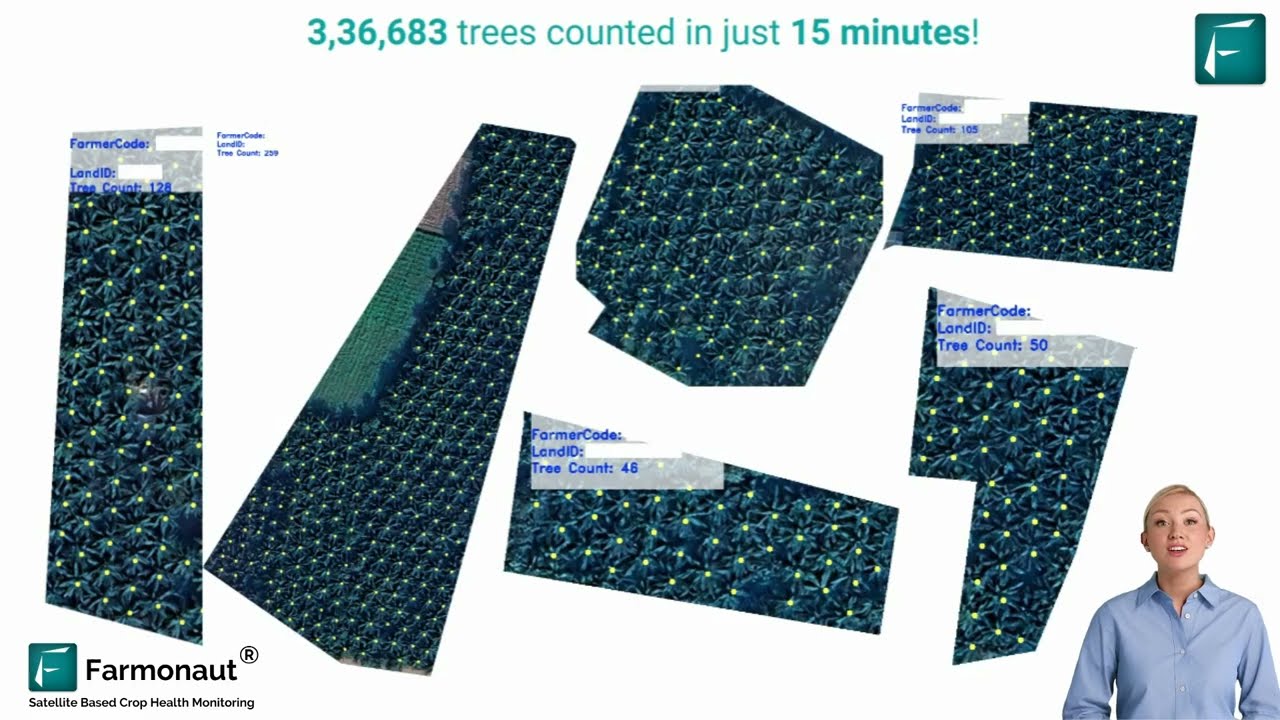
Access advanced satellite monitoring of agroforestry and permaculture landscapes with Farmonaut’s web and mobile platforms. Easily monitor crop health, tree density, and water cycles in real-time for maximized system productivity and sustainability!
4. Agrosilviculture
- Integrates timber/minor forest products with rotate crops.
- Enhances soil fertility and long-term yield stability.
- Reduces market fluctuations by diversifying income.
Agrosilviculture is expanding into infrastructure corridors, where trees and crops restore disturbed lands post-construction.
5. Windbreaks & Shelterbelts
- Involve rows of trees or shrubs strategically planted along field boundaries.
- Mitigate wind erosion, protect crops and soil, and provide habitats for wildlife.
- Especially helpful in open agricultural areas facing climate variability.
6. Riparian Buffers
- Protect waterways by planting trees and shrubs along streams, rivers, or lakes.
- Reduce nutrient runoff and soil erosion.
- Create wildlife corridors supporting landscape-scale biodiversity.
- Critical for ecosystem restoration and regenerative water management.
7. Shade-Grown Plantations
- Use canopy trees to shade valuable crops like coffee and cocoa.
- Prevent degradation in subtropical and tropical regions.
- Maintain biodiversity and bolster climate resilience by stabilizing local systems.
The popularity of shade-grown plantations is rising in Africa, Latin America, and Asia, where integration with blockchain-based traceability (see Farmonaut’s Traceability technology) demonstrates how end-to-end transparency in coffee and cocoa supply chains build consumer trust and support sustainability.

“By 2025, permaculture adoption could boost smallholder farm productivity by as much as 70% in some regions.”
Permaculture: Broader Impacts & Integration in Sustainable Landscapes
Permaculture expands on agroforestry philosophy, delivering self-sustaining, regenerative landscapes well-suited for smallholder farms, urban gardens, and community projects:
- Water Management: Permaculture practices such as swales, keyline design, and rain gardens capture, store, and efficiently use water, reducing runoff and erosion while improving drought resilience.
- Soil Building: Mulching, composting, sheet-mulching, and green manures not only restore degraded soils but also enhance carbon sequestration—a key in Farmonaut’s Carbon Footprinting monitoring tools, which help quantify and reduce agriculture’s climate impact.
- Perennial Poly Cultures & Companion Planting: Stacking species with mutually beneficial relationships increases system resilience, balances nutrient flows, and suppresses pests—reducing reliance on external inputs.
- Resource Loops: Permaculture designs recycle nutrients and water, connecting animal and crop systems so that waste is minimized and turned into resources.
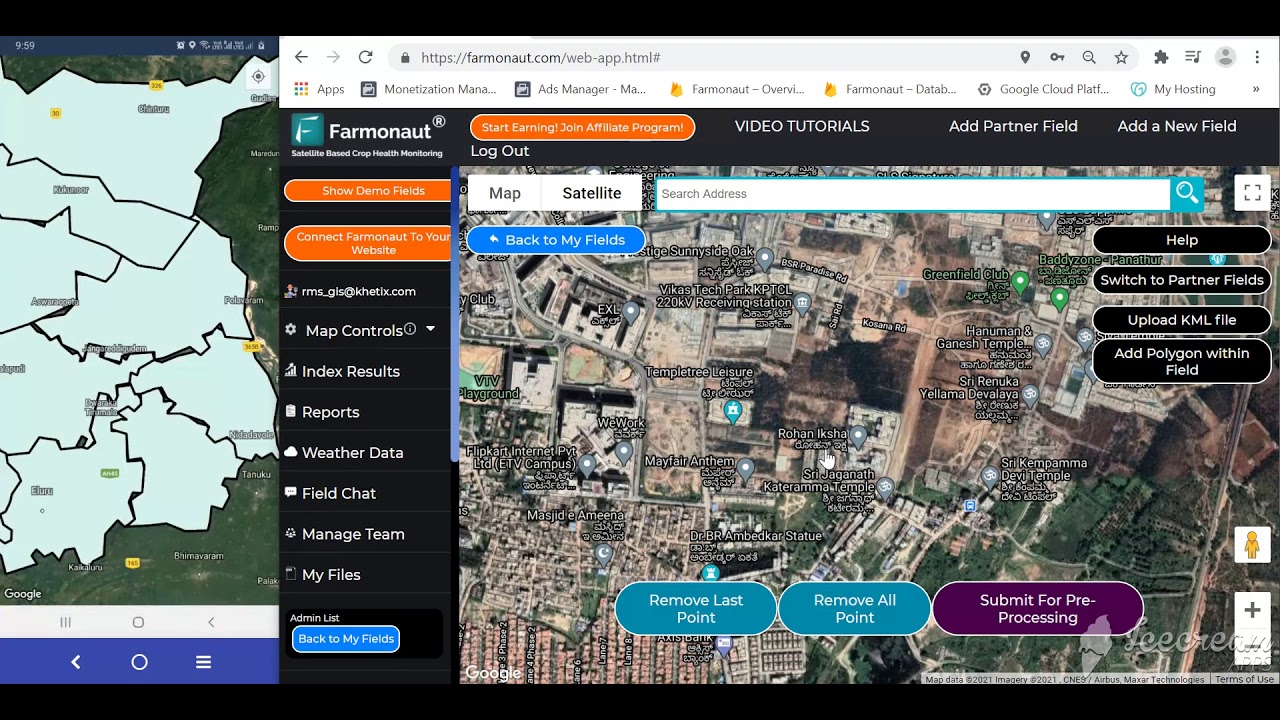
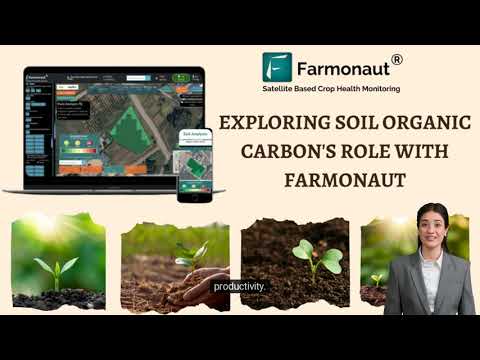
These regenerative practices offer multiple opportunities for resource optimization through satellite-driven insights. For example, with Farmonaut’s satellite and AI-based tools, users can monitor soil organic carbon levels, landscape water dynamics, and vegetative cover on a large scale for effective farm management.
Synergies: Combining Agroforestry Systems & Permaculture for Resilient, Productive, and Sustainable Ecosystems in 2026
As we look ahead to 2026 and beyond, the integration of agroforestry systems with permaculture offers extraordinary opportunities to create diversified, climate-resilient agro-ecosystems:
- Farmers can strategically deploy silvopasture, alley cropping, and forest gardens within holistic, permaculture-inspired designs.
- Land managers gain access to real-time decision support by utilizing Farmonaut’s satellite-based crop plantation and forest advisory services—enabling precision in planning, monitoring, and resource allocation.
- In mining and infrastructure reclamation, combining agroforestry systems and permaculture accelerates ecosystem restoration, enhances carbon sequestration, and stabilizes disturbed lands.
- Through fleet and resource management solutions, farms and businesses can optimize logistics for agroforestry-related activities, saving costs and boosting sustainability.
Satellite and AI-powered monitoring—accessible via Farmonaut’s API and Developer Documentation—make implementation, validation, and insurance for agroforestry-permaculture truly scalable.

In practice, this means higher productivity, more resilient land, and reduced dependence on costly, resource-intensive farming methods.
Sustainability and Climate-Smart Agriculture
The urgency for climate-smart solutions also makes agroforestry permaculture increasingly vital for policy makers, agribusinesses, and forest managers. Governments and organizations worldwide are introducing new incentives—from carbon credits to direct payments for environmental services—to promote sustainable adoption at local and global scales.
Frequently Asked Questions: Agroforestry vs Permaculture, Top Systems & Sustainability
Q1: What is the main difference between agroforestry and permaculture?
Agroforestry focuses on intentionally integrating trees and shrubs with crops and/or livestock, aiming for production and ecological gains. Permaculture is a broader holistic design philosophy, often including agroforestry, but also emphasizing water, soil, social, and built-environment systems for sustainability and climate resilience.
Q2: How do agroforestry systems enhance biodiversity?
By mimicking natural ecosystems, these systems provide multiple habitats, increase plant diversity (herbs, shrubs, trees), and support beneficial insects, pollinators, and birds—leading to biodiversity gains as much as 50% over monocultural fields.
Q3: What agroforestry system is best for degraded soils or mined-out land?
Silvopasture, alley cropping with nitrogen-fixing trees, and riparian/buffer zones are highly effective. They stabilize disturbed soils, restore nutrients, and increase carbon content—any system that integrates perennial species, mulch, and biodiversity aids reclamation.
Q4: How does Farmonaut support agroforestry and permaculture?
We provide satellite-driven monitoring, AI-powered advisory, crop/forest management, traceability, and environmental impact analytics through our web/mobile platforms and API (learn more). Users can plan and monitor system health, soil carbon, water dynamics, and optimize sustainability strategies in real time.
Q5: Are there incentives for adopting these systems in 2026?
Yes, as global sustainability priorities intensify, many governments and organizations offer payments for carbon sequestration, biodiversity conservation, and ecosystem services. Accurate carbon footprint tracking with Farmonaut’s Carbon Footprinting services can help maximize these rewards.
Q6: Can agroforestry and permaculture be used together on the same farm?
Absolutely! Many permaculture designs use agroforestry systems as core components. By combining planting strategies, soil building, and ecological water design, farms can achieve resilient, productive mosaics customized for climate-smart, sustainable agriculture.
Q7: Are there digital tools for monitoring system progress?
Indeed. Platforms like Farmonaut’s help users monitor everything from tree cover and crop health to soil moisture, enabling precision management on a field-to-landscape scale.
Conclusion: Shaping Sustainable Landscapes with Agroforestry Permaculture
The growing synergy between agroforestry systems and permaculture represents one of the most effective pathways toward regenerative, climate-resilient agriculture. As farmers, land managers, and foresters look to 2026—a year that promises even greater demands for environmentally friendly, productive, and resilient farming—understanding and adopting these approaches will be crucial.
From alley cropping and forest gardening to shade-grown plantations restoring tropical landscapes, agroforestry vs permaculture need not be a choice—but rather a continuum of solutions tailored to local conditions and global sustainability imperatives. With advanced data-driven platforms like those offered by Farmonaut, the management, monitoring, and optimization of complex, multifunctional systems is now accessible and scalable worldwide.
Adopting agroforestry permaculture isn’t just an environmental strategy—it’s critical for ensuring food security, stable livelihoods, and the well-being of our planet for generations to come.
Start satellite-driven monitoring and management with Farmonaut today!

 CU Foods
 BeyondTech Global
 Consulthink Global
 Rouge VC
 Yutz Automation
 AgroGreen Dynamics
 AgroRisk
 Oath Inc
 Reddane Farming
 Esri North East Africa
 Cresol
 Atur Kuliner
 MDCV UK
 Zerella Group
 Etech Consulting Madagascar
 Vestlandsforsking
 Delicio
 WB Dev
 Sama Premium
 Prochecker
 Tres Valles
 LACOS Geoinformation
 Magrifly
 LatConnect 60
