

Alternative Milk Source: High Water Footprint & Agri-Footprint – Sustainable Solutions for 2026 and Beyond
“Producing 1 liter of almond milk requires approximately 371 liters of water, significantly impacting sustainability efforts.”
Introduction: Alternative Milk Sources & Agri-Footprint
In recent years, the agriculture sector has witnessed a surge of interest in identifying efficient nutrition sources beyond conventional dairy. This shift is especially pronounced as concerns about the environmental impact of traditional milk production come to the fore—particularly the high water footprint associated with dairy farming. As we move deeper into 2026 and beyond, understanding how alternative milk sources can minimize agri-footprint is not only an ecological necessity, but also an economic opportunity for investors, farmers, and policymakers alike.
This comprehensive guide explores the interplay between alternative milk sources with a high water footprint, emerging alternative assets with farmland, current investment trends, and actionable strategies that support sustainable agriculture. We also examine satellite-driven agri-solutions, such as those offered by Farmonaut, which enhance transparency, resource management, and sustainability at every level of the supply chain.
The Rising Need: Alternative Milk Source with A High Water Footprint
The global demand for milk is growing, driven by population rise, changing dietary preferences, and increasing urbanization. However, producing each liter of cow’s milk can require more than 1,000 liters of water—a sobering figure when viewed against the backdrop of global water scarcity. This demand often puts immense pressure on local water supplies, especially in arid regions where dairy farms operate.
As we dive into 2026 and beyond, the pursuit of sustainable, efficient, and low-footprint milk alternatives is evolving quickly. But not all alternative milk sources are created equal: some, while plant-based or eco-marketed, can still have a high water footprint that rivals or exceeds traditional dairy.
Key alternatives such as almond milk, soy milk, oat milk, and pea milk are shaping global investment and farming trends. Yet, their environmental and resource profiles vary considerably—requiring close examination for everyone from environmentalists to investors in alternative assets with farmland.
Understanding the Water Footprint in Dairy and Alternative Milks
The water footprint of a product measures the total volume of freshwater used directly and indirectly throughout production. In dairy farming, this includes water used for growing animal fodder, drinking water for cattle, and water required for processing milk.
- Cow’s Milk: More than 1,000 liters per 1 liter of milk. Includes water for crops used as fodder, animal needs, and infrastructure cleaning.
- Almond Milk: While often seen as eco-friendly, it can be an alternative milk source with a high water footprint. Studies estimate about 371 liters of water are needed to produce just one liter of almond milk, driven by the irrigation needs of almond trees—especially in arid farmland regions.
- Oat and Pea Milk: Both oat and pea milk display a relatively low water footprint and require less agrochemical input when cultivated with regenerative practices.
- Soy Milk: Traditionally more sustainable than dairy or almond but may have moderate regional impacts depending on cultivation zones and irrigation practices used.

These differences highlight the importance of selecting the right sources and approaches when seeking to reduce the water footprint of global milk production. Crop selection, farming practices, and geographical location all become critical variables, particularly as policymakers and investors focus on sustainability and agri-footprint reduction.
“Shifting to oat milk can reduce agri-footprint, using 80% less farmland than dairy production per liter.”
Comparative Analysis Table: Alternative Milk Source with a High Water Footprint & Agri-Footprint
Assessing sustainability in milk alternatives is easier when data is visually compared. Below is a concise table comparing common milk sources, their water footprints, agri-footprints, and sustainability notes.
| Alternative Milk Source | Estimated Water Footprint (Liters per Liter) | Estimated Agri-Footprint (Emissions or Land Use per Liter) |
Eco-Friendliness Rating | Key Sustainability Notes |
|---|---|---|---|---|
| Cow’s Milk | ~1,020 | 3.2 kg CO2 eq./liter, 1.7 m2 land |
Low | Requires significant fodder, grazing, water, and emissions control |
| Almond Milk | ~371 | ~0.6 kg CO2 eq./liter, 0.5 m2 land |
Medium | Requires high irrigation; many crops grown in arid zones |
| Soy Milk | ~28 | ~0.9 kg CO2 eq./liter, 0.2 m2 land |
High | Drought-tolerant; low fertilizer need; may cause deforestation if irresponsibly sourced |
| Oat Milk | ~48 | ~0.9 kg CO2 eq./liter, 0.3 m2 land |
High | Grows in temperate regions; supports soil retention with regenerative practices |
| Pea Milk | ~10 | ~0.7 kg CO2 eq./liter, 0.2 m2 land |
High | Nitrogen-fixing crop; low water requirements |
| Rice Milk | ~270 | ~1.2 kg CO2 eq./liter, 0.4 m2 land |
Medium-Low | Flooded paddies require substantial water; moderate emissions |
Note: Estimates can vary by region and production methods. Emissions and land use based on global averages as of 2025.
Environmental Impact and the Agri-Footprint
The environmental footprint of milk alternatives extends well beyond simple water consumption:
- Carbon Emissions: Dairy production is a top agricultural emitter globally. Plant-based alternatives generally emit less carbon, provided crop cultivation avoids heavy fertilizer use or deforestation.
- Land Use: Oat milk and pea milk require significantly less farmland, with high yields per hectare and lower dependency on irrigation systems.
- Biodiversity Impact: Monoculture practices, such as large almond groves, can reduce biodiversity and alter soil health.
For those seeking to quantify their agricultural impact and transition to greener practices, Farmonaut’s Carbon Footprinting and Monitoring platform offers real-time environmental impact tracking and actionable analytics to promote responsible resource use.

Notably, alternative milk source with a high water footprint—such as almond—can offset other environmental gains if cultivated in arid regions or with inefficient irrigation. A holistic view, considering all aspects of agri-footprint, is crucial for sustainable transformation in the sector.
Innovative practices for reducing negative impact include:
- Prioritizing low water footprint crops
- Implementing regenerative agriculture and soil health management
- Adopting precision irrigation technologies
- Using blockchain-based traceability to authenticate responsible sourcing
How Investors Are Reshaping Farmland as an Alternative Asset
Farmland has long been seen as a tangible and stable asset. However, in 2026 and beyond, investors are increasingly regarding alternative assets with farmland as a means to align portfolios with sustainability trends, improving not only financial returns, but also minimizing agri-footprint.
Key reasons for this shift include:
- ESG (Environmental, Social, Governance) Mandates: Investors are moving toward sustainable farming ventures that produce low-footprint crops and encourage regenerative practices.
- Premium for Eco-Friendly Production: Farmland that produces low water-use, sustainable milk ingredient crops (like oats and peas) attracts a higher market valuation.
- Diversification and Risk Management: Sustainable farmland offers stability in the face of climate volatility compared to monoculture, water-intensive crops.
Farmonaut’s Large Scale Farm Management solutions enable detailed monitoring, resource optimization, and data-driven decision-making that help both landowners and investors assess and manage the environmental performance of their farmland assets. By enabling systematic soil, crop, and resource tracking via satellites, Farmonaut allows better asset management and reporting for compliance and market advantage.

From Farmland to Fork: Cultivation and Crop Selection
Cultivation methods and crop selection underpin the entire sustainability journey. It’s not just about water footprint; it’s about optimizing every decision for climate resilience, soil health, and responsible consumption.
- Oats, Peas, and Soy: These crops require less irrigation and no synthetic nitrogen fertilizers if grown organically. Pea crops even fix nitrogen, naturally enriching the soil and promoting organic matter retention.
- Almond and Rice: While popular, these crops may be unsuitable for water-stressed regions or where irrigation sources are unreliable.
Regenerative agriculture practices—from crop rotation to cover cropping—help drive soil health, increase productivity, maximize water retention, and ultimately reduce agri-footprint.

For guidance on sustainable crop selection, rotation, or reforestation, Farmonaut’s Crop Plantation and Forest Advisory platform delivers tailored, satellite-empowered advisory for maximizing productivity with minimal environmental cost.
Sustainable Farming Practices to Reduce Agri-Footprint
The transition to sustainable alternative milk sources needs to be accompanied by modernized farming practices that actively reduce agri-footprint. At the core of this modernization are:
- Precision Irrigation: Utilizing satellite imagery and real-time weather forecasting to optimize when and how much water is delivered, reducing overuse and boosting soil moisture retention.
- Integrated Crop-Livestock Systems: Rotational grazing and crop integration maintain soil cover, improve nutrient cycling, and support carbon sequestration.
- Organic and Regenerative Practices: Minimizing synthetic inputs and tillage to promote microbial diversity and build long-term resilience against climate shocks.
- Blockchain-Enabled Traceability: Validating product origin and eco-compliance for consumers and investors looking to support truly sustainable supply chains.
- Remote Monitoring and Advisory: Mobile, web, and API-based decision support systems enable real-time monitoring of soil health, water levels, and crop stress indicators from anywhere.
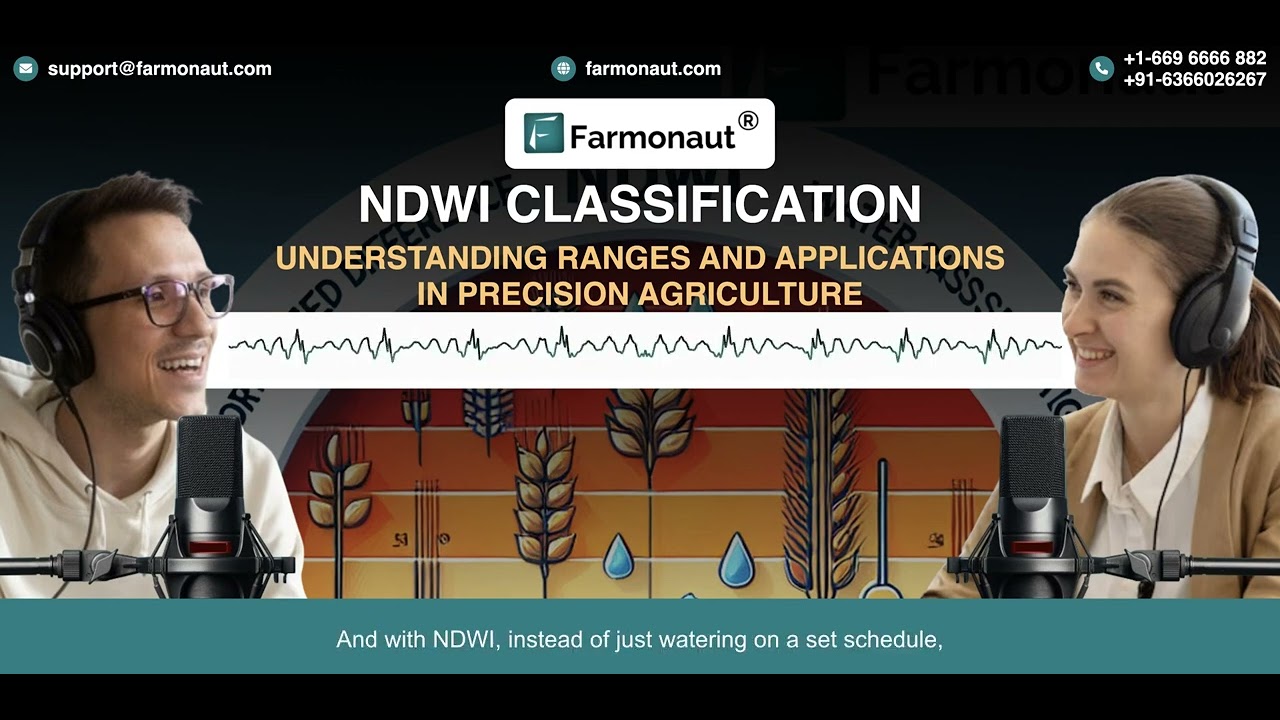
Farmonaut’s satellite-driven solutions simplify the adoption of such sustainable practices. By integrating advanced satellite data, AI-based crop and irrigation analytics, and blockchain tracking, we make it easier to maintain efficient, climate-positive, and profitable farming operations. Access our detailed API and developer documentation to build or integrate environment-friendly monitoring and advisory tools into your farm or agribusiness.

Policy and Global Trends in the Agriculture Sector
The environmental reality of milk and alternative crop production is increasingly influencing government and international policy:
- Mandatory Water Use Reporting: In some regions, producers are required to disclose water footprints, driving shifts toward low-water-footprint alternatives and less resource-intensive crops.
- Sustainability Certification & Incentives: Many governments offer financial rewards for soil retention, carbon sequestration, and regenerative practices.
- Transparency in Supply Chain: Documentation and traceability tools empower buyers to avoid high environmental footprint options and prioritize responsible producers.
- Consumer Demand: The popularity of oat and pea milks is growing fast, as consumers become more environmentally aware and actively seek lower-impact products.

Farmonaut’s Product Traceability platform leverages blockchain technology to ensure that every step in the supply chain is transparent, auditable, and trustworthy—critical for meeting emerging regulatory demands and building consumer trust.
Technology and the Future of Agri-Footprint Management (Farmonaut)
Satellite-driven insights, artificial intelligence, and real-time environmental monitoring have changed how agriculture tackles water conservation and sustainability in 2026. This new technological wave empowers farmers, landowners, and investors to make precise adjustments, maximize yields, and minimize environmental impact.
- Satellite Monitoring: High-frequency data supports field-scale and landscape-level decisions on irrigation, planting, and harvesting schedules tailored to soil moisture, crop stress, and climate variability.
- AI-Based Advisory: Platforms like our JEEVN AI deliver up-to-the-minute crop health diagnoses and offer tailored recommendations that improve farm efficiency while reducing agri-footprint.
- Traceability and Verification: Blockchain integration streamlines supply chain accountability for all stakeholders.
- Fleet and Resource Management: Efficient use of machinery and equipment reduces fuel use and operational waste.
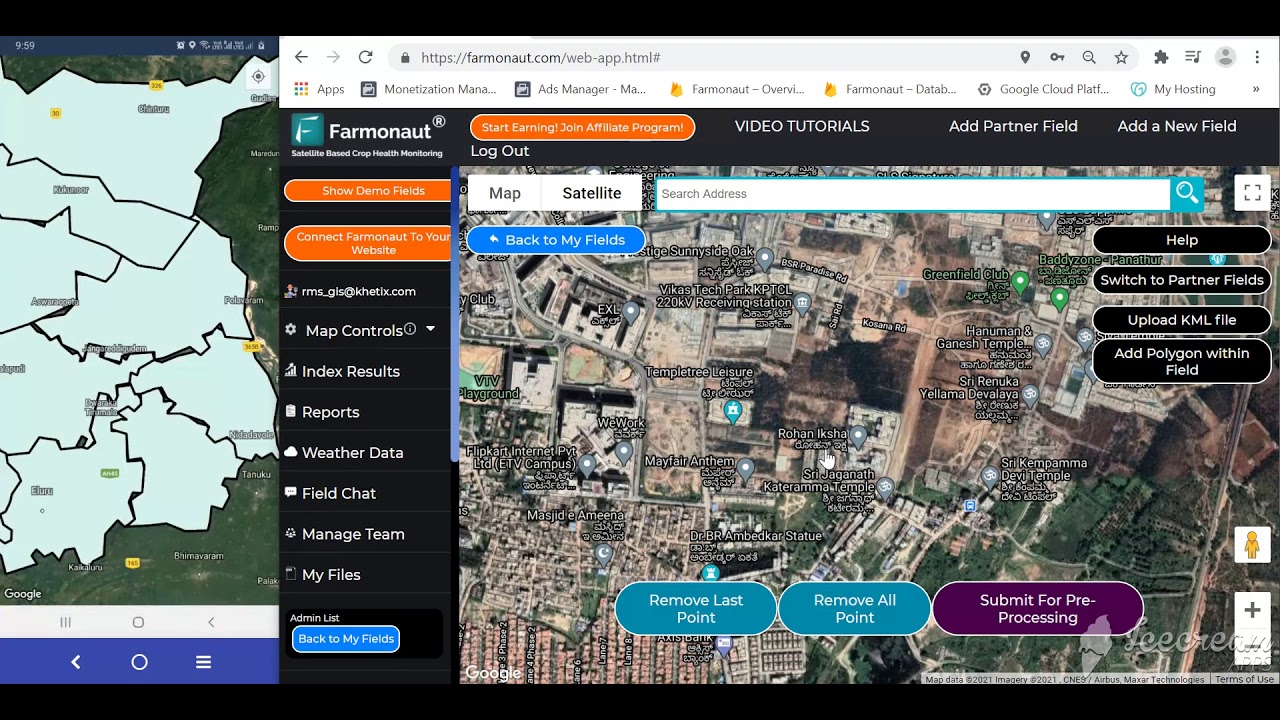
Farmonaut provides subscription-based access to these technologies via a web & mobile platform, making satellite-powered agricultural intelligence accessible and affordable for all scales of operation:



Discover pricing packages and subscription plans below:
We support businesses, farmers, financial institutions, and government agencies in navigating the fast-evolving landscape of sustainable agri-production.
Conclusion: Toward a Sustainable Milk Future
The future of milk production and its derivatives is closely tied to responsible resource conservation. Transitioning towards sustainable alternative milk sources with low water footprints—especially in the context of eco-friendly farmland investment—is a promising approach to achieving our nutritional, economic, and planetary needs for 2026 and beyond.
However, success will depend on:
- Choosing crop varieties and farming models suited to local environmental conditions
- Adoption of advanced technology for efficient irrigation and resource management
- Robust policy and regulatory support
- Growing consumer and investor demand for documented sustainability
It is through collective innovation, transparency, and a commitment to reducing agri-footprint that the agriculture sector can produce milk responsibly, safeguarding water, soil, and biodiversity for generations to come.
FAQ: Alternative Milk Source, Agri-Footprint & Sustainable Farmland Investments
What is meant by “alternative milk source with a high water footprint”?
This term refers to plant-based or non-dairy milk options that, despite being alternatives to cow’s milk, require significant amounts of water to produce—often due to the irrigation needs of the source crop (e.g., almonds or rice).
Why is almond milk often criticized from a sustainability perspective?
Almond milk is popular for being plant-based, but almond trees are water-intensive—especially problematic when grown in arid, drought-prone regions—leading to a high water footprint despite relatively low carbon emissions.
Which alternative milks are most eco-friendly?
Oat and pea milk typically score highest for both low water footprint and low carbon/environmental agri-footprint, especially when grown with sustainable and regenerative farming methods.
How can farmland be an “alternative asset” for sustainable investment?
Investors are increasingly targeting farmland producing sustainable crops for alternative milk ingredients. Assets that minimize water and agri-footprint provide both financial and environmental returns.
What practical steps can reduce the agri-footprint of milk production?
Steps include: adopting drought-resistant crops, using precision irrigation, employing regenerative farming practices, monitoring carbon and water footprints, and leveraging satellite-driven platforms for real-time insights.
How does Farmonaut enable more sustainable agriculture?
Farmonaut integrates satellite imagery, AI, and blockchain to monitor crop health, soil and water usage, and environmental impacts—helping agribusinesses, farmers, governments, and investors optimize resources and drive sustainability.
Discussion
Questions, corrections or field experience? Share them below. First-time comments are reviewed before they appear, and your email is never published.
No comments yet. Be the first to add a question or your experience.

 Grandstream Algérie
 XOS Realty
 Geospatial Lab Africa
 KhetiBuddy
 Agro La Gándara
 HIPSAC
 ZOL Zimbabwe
 Juligerm
 AdBio
AdBio MISE Maroc
 NWNS
NWNS Red August Group
 Farm Inc
 WeMe Global
 Agrotoken
 Blue BearX
 Insignito
 Croptimum
 DnCubed
 Field Capacity
 Indosistim Teknologi
