

Aphids Bad for Plants? Proven 2025 Solutions to Save Crops
Aphids and red mites continue to pose significant threats to crop health and yields in 2025. Farmers and horticulturists face ongoing challenges from these persistent pests, especially in the cultivation of vital vegetable crops like beans and tomatoes. This comprehensive guide provides clear, actionable, and modern solutions — from understanding aphids bad for plants, to the latest integrated pest management methods for battling red mites and safeguarding crops through sustainable agriculture. Let’s explore how 2025’s technology and best practices protect yields, boost food security, and ensure plant vigor in a changing world.
“Aphids can reduce crop yields by up to 80% if left unmanaged, especially in beans and tomatoes.”
In modern agriculture, mastering the management of aphids and red mites is critical to maximizing yield and ensuring crop health. Yet, many farmers still ask: are aphids bad for plants? What about red mites? How can we stop infestations in our most valuable vegetable crops? This article guides you through the biology, lifecycle, detection, and 2025-proven solutions, tailored for real-world farming—especially where tomatoes and beans remain vital.
Understanding Aphids: Why Are Aphids Bad for Plants?
Aphids are tiny insects but their consequences are large. Let’s examine why aphids are bad for plants, focusing on biology, damage, and why they remain a prime target for effective pest management in 2025.
Aphid Biology: The Tiny Threat Among Insects
- Appearance: Small, soft-bodied, pear-shaped insects (1-3 mm), varying in color (green, yellow, black, red, brown).
- Life Cycle: They reproduce rapidly, often asexually, with colonies doubling within days under favorable conditions.
- Feeding Mechanism: Aphids pierce plant tissues with specialized mouthparts and feed by extracting sap.
Aphids on my plants? You’ll typically find aphids congregating on the undersides of leaves, young shoots, and tender flower buds. Their feeding:
- Weakens plants: Stunted growth, yellowing, and leaf curling.
- Reduces vigor: Less photosynthetic area, impacting growth stages.
- Excretes sticky honeydew: Aphids produce a byproduct called honeydew, encouraging the growth of sooty mold fungi. This reduces photosynthetic efficiency and clogs stomata, further impairing plant health.
- Act as vectors: Aphids transmit viral diseases (e.g., tomato yellow leaf curl virus), which can devastate entire crops.

Manifestations on Beans and Tomatoes: Aphids on Bean Plants & Aphids Tomato Plants
- Aphids on bean plants: They cause significant yield reductions in both vegetative and reproductive stages, impacting pods and overall plant vigor.
- Aphids tomato plants: They lower plant vigor, induce stunting, and spread tomato yellow leaf curl virus—a particularly devastating disease for tomatoes in 2025.
- Colonies: Discover aphids by spotting rapidly increasing colonies on leaves—especially under hot and dry conditions, or during lush vegetative growth.
Aphids’ rapid population growth makes early detection and intervention absolutely essential. Without proper management, infestations can reach epidemic proportions within days, demanding prompt action.
Understanding Red Mites: Are Red Mites Bad for Plants in 2025?
While aphids are widely known, red mites (including red spider mites and other tiny arachnids) are another hidden threat for vegetable growers. But are red mites bad for plants? The answer is an emphatic yes.
Red Mite Biology and Life Cycle
- Arachnids, not insects: Red mites belong to the class Arachnida — often confused with insects, but they’re closer to spiders than flies.
- Adaptation to environments: They excel in hot, dry conditions — which are increasingly common in 2025 due to climate variability and global warming. This makes them even more persistent across diverse crops.
- Feeding: Red mites pierce plant cells and feed on cell contents, causing slow, subtle destruction.
Red mite populations can escalate rapidly. Their presence is most noticeable in leaf stippling/discoloration, premature leaf drop, fine webbing on leaf surfaces, and reduced plant vigor. If left unmanaged, red mite infestations can cause serious yield reductions.
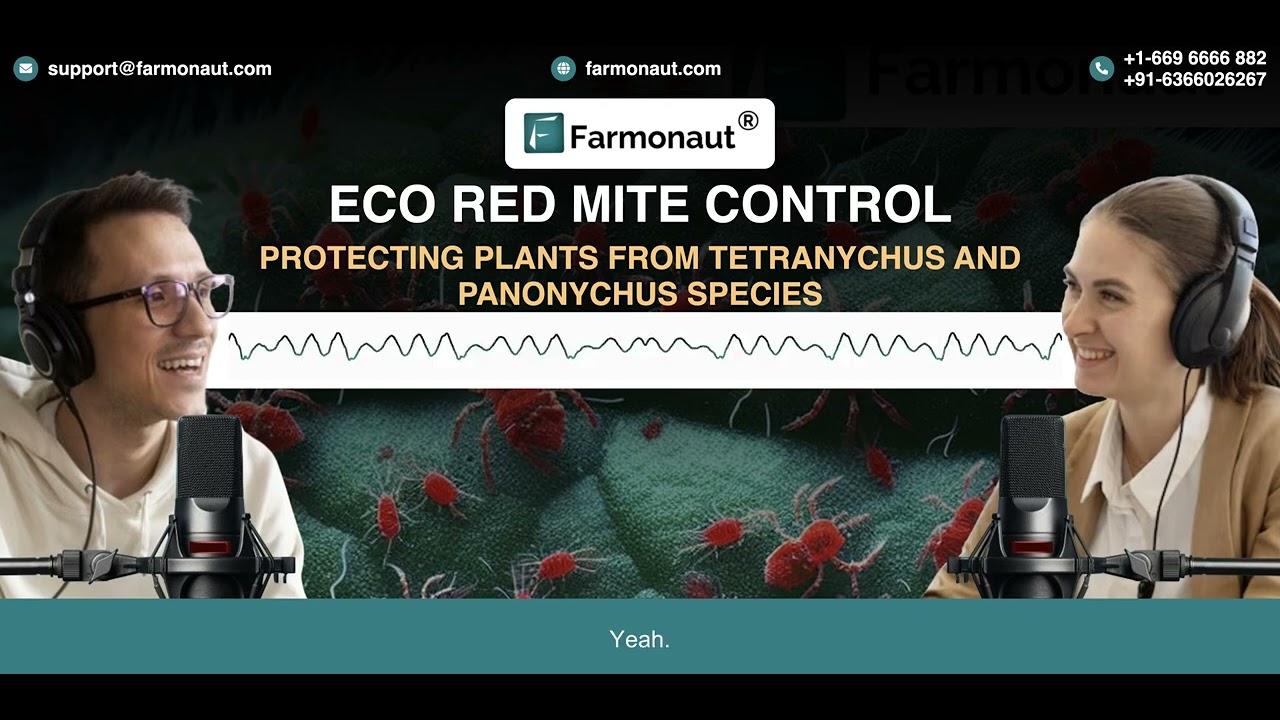
Impact of Aphids and Red Mites on Beans and Tomatoes in 2025
Symptoms of Aphid and Mite Damage – What to Look For
- Leaf curling, yellowing, and stunting: Strong indications of aphid activity.
- Sticky residue (honeydew): Attracts sooty mold fungi, reducing sunlight absorption and plant photosynthetic capacity.
- Bronzed, stippled, or faded leaves: Classic signs of red mite infestation, often with fine webbing visible on affected areas.
- Flower and fruit drop: Aphids and mites cause direct damage to reproductive stages of beans and tomatoes, affecting both quality and quantity of produce.

Integrated Pest Management (IPM) Solutions for 2025
As we move into 2025, integrated pest management (IPM) practices are now the gold standard for tackling aphids and red mites. No single strategy is ever enough. Instead, smart combination of monitoring, cultural controls, biological methods, and targeted chemical controls is essential for sustainable crop production.

Stepwise 2025 IPM for Aphids and Mites:
- Monitoring and Early Detection
- Conduct regular crop scouting—check leaf undersides and shoots for aphid and mite colonies.
- Use sticky traps for mass-trapping and for population monitoring.
- Adopt satellite-based NDVI health monitoring to detect early stress signals (see how Farmonaut helps below).
- Cultural Practices
- Practice crop rotation—reduces pest buildup by disrupting their life cycles.
- Intercrop with non-host species—dilutes host availability, slowing aphid and mite outbreaks.
- Remove weeds—prevent alternative hosts and limit pest reservoirs.
- Promote plant diversity—reduces large-scale epidemics.
- Biological Control
- Encourage natural predators—lady beetles, lacewings, hover flies (for aphids) and predatory mites (for red mites).
- Integrate biopesticides—in 2025, selective products based on entomopathogenic fungi (like Beauveria bassiana for aphids and mites) and bacteria offer targeted control.
- Chemical Controls
- Use insecticides or acaricides sparingly and only when pest populations exceed economic thresholds (see table below).
- Rotate chemicals with different modes of action to prevent resistance, a growing problem for 2025 farming.
- Opt for selective, eco-friendly products—insecticidal soaps and neem oils can suppress both pests with minimal environmental impact.
- Resistant Varieties
- Whenever possible, plant bean and tomato cultivars bred for aphid and mite resistance. In 2025, breeders focus increasingly on such traits for sustainable yield protection.
- Technological Integration
- Modern systems now bring satellite imagery, predictive AI tools, and real-time advisory into everyday pest control (see how Farmonaut supports efficient large-scale farm management).
Video Guides: Master Aphid & Red Mite Control
Visual learning accelerates adoption and skill-building. Here are highly recommended YouTube resources, embedded for your convenience:
- Mastering Aphid Control: From Yellow to Hairy, Indoor to Outdoor – A Comprehensive Guide
- Soybean Aphid Control: Effective Scouting and Control Strategies for Optimal Crop Yield
- Aphid Control on Farms: Grounded Strategies for Sustainable Pest Control
- Bug & Spot Battle: Safeguarding Citrus: Aphid & Foliage Health Management
- Organic Alfalfa defence: Integrated Pest Management for Aphids and Mosaic Virus Control
- Spider Mite Management: Natural Predator Control: P. Persimilis Vs. Pest Infestations
- Protecting Crops from Red Spider Mites: Farmonaut’s Organic Approach
- AgTech in Almería 2025: 5 IFAPA Innovations Beating Crop Viruses & Pests
Aphid and Red Mite Control Comparison Table (2025)
| Pest | Affected Crop | Suggested Control Method | Estimated Reduction in Pest Population (%) | Required Application Frequency (per season) | Environmental Impact |
|---|---|---|---|---|---|
| Aphids | Beans | Biological Control (Lady Beetles, Lacewings); Neem Oil | 70–80% | 3–5 | Low |
| Aphids | Tomatoes | Insecticidal Soap; Crop Rotation; Resistant Varieties | 60–75% | 2–4 | Medium |
| Red Mites | Beans | Biological Control (Predatory Mites), Miticides (spot treatment) | 60–70% | 3–5 | Medium |
| Red Mites | Tomatoes | Insecticidal Soap, Neem Oil, Predatory Mites | 65–75% | 2–4 | Low |
| Aphids & Red Mites | Any Veg. Crop | Integrated Pest Management (Monitoring, Biological + Chemical Controls) | 60–85% | 3—6 | Low–Medium |
Note: The strategies outlined above are based on the most current IPM data for 2025. Efficacy depends on timing, infestation levels, and adherence to best management practices. Early intervention is consistently key to reducing both aphid and mite populations across beans, tomatoes, and other vital crops.
How Farmonaut Empowers Crop Protection with Satellite Insights
As farmers and horticulturists adopt integrated pest management systems, embracing technology is crucial for timely intervention. We at Farmonaut provide real-time crop monitoring, AI-driven advisories, and advanced decision support via satellite imagery—ensuring early detection, optimal resource use, and sustainable farming.
-
Satellite-Based Crop Health Monitoring:
- Access field-level NDVI and environmental impact tracking to spot declining health in beans and tomatoes before visible symptoms of aphid and mite infestations appear.
-
AI-Powered Pest & Disease Advisory:
- Our Jeevn AI system analyzes climate, crop type, and imagery to provide custom interventions for bean, tomato, and vegetable fields under threat from aphids and red mites.
-
Traceability & Compliance:
- Blockchain-based product traceability—ensure that your tomatoes and beans meet food safety and market requirements by tracing back pest management actions, from seed to harvest.
-
Crop Loan & Insurance Support:
- Satellite-backed crop verification streamlines insurance and loan application for farmers, reducing risk from aphid-induced or mite-triggered loss.
-
Fleet Management for Application Efficiency:
- Use fleet management tools to coordinate the timely application of pesticides, biological agents, or other interventions based on remote stress detection.



Developer Documentation – Start integrating Farmonaut Satellite & Weather API
“Integrated pest management in 2025 can cut aphid and red mite infestations by over 60% in key vegetable crops.”
Frequently Asked Questions: Aphids Bad for Plants and 2025 Solutions
Q1: Why are aphids bad for plants?
Aphids cause harm by piercing plant tissues, extracting sap, and weakening the plant’s overall health. They also excrete honeydew, leading to fungal mold growth and spread viral diseases. Yield is reduced, quality is compromised, and the plant’s ability to absorb sunlight is diminished.
Q2: What are the first signs of aphids on my plants or red mite infestations?
Aphids: Look for clusters on leaf undersides, yellowing, curling leaves, and sticky residue (“honeydew”). Red mites: Look for mottled or bronzed leaves, sometimes with fine webbing. Both pests cause reduced vigor and can quickly multiply.
Q3: Are red mites bad for plants, and how do they differ from aphids?
Yes, red mites are bad for plants. Unlike aphids (which are insects), red mites are arachnids that feed on cell contents, leading to stippling, faded leaves, and eventual leaf drop. Their damage is more subtle but equally serious if left unmanaged.
Q4: How can I control aphids on bean plants or tomato plants in 2025?
Employ integrated pest management: combine early monitoring, natural predators (e.g., lady beetles for aphids and predatory mites for red mites), targeted use of soaps/neem oil, rotation of chemical families to reduce resistance, and plant resistant varieties. Satellite-driven health monitoring enables timely intervention for the best results.
Q5: What technologies are available to help farmers manage pest threats in 2025?
Technologies like Farmonaut’s satellite imagery and AI-driven advisory enable precision scouting, rapid stress detection, and targeted recommendations. Blockchain-based traceability ensures record-keeping, regulatory compliance, and improved decision-making.
Q6: How can I minimize the environmental impact of pest control?
Adopt IPM strategies (biological controls, cultural practices, minimal/precision use of chemicals, tech-enabled monitoring). Use selective products and natural predators to reduce reliance on broad-spectrum pesticides.
Q7: Where can I get real-time crop monitoring support?
We at Farmonaut offer real-time crop monitoring and advisory through web, Android, and iOS apps. Access satellite-backed crop health, AI-powered insights, and more via our platform.
Conclusion: Building Resilient Agriculture for 2025 & Beyond
Aphids and red mites will continue threatening crop health, reducing yield, and challenging sustainable agriculture in 2025. The stakes are especially high in important crops like beans and tomatoes. By understanding why aphids are bad for plants and learning the detailed methods for combating red mites, farmers and horticulturists can protect their livelihoods and the world’s food supply. Embracing integrated pest management—coupled with rapid, tech-enabled interventions—ensures not just economic productivity, but ecological stewardship too.
We at Farmonaut are committed to making advanced, affordable satellite insights and farm management tools available to everyone. Whether optimizing crop monitoring, integrating pest management, or ensuring compliance and traceability, our platform powers resilience and smart decision-making for a changing agricultural landscape.
For those ready to elevate their farm or agri-business into the future, check our platform and access the full suite of solutions for aphid and red mite management in 2025 and beyond.
Maximize yield. Minimize risk. Protect our crops—together.
Discussion
Questions, corrections or field experience? Share them below. First-time comments are reviewed before they appear, and your email is never published.
No comments yet. Be the first to add a question or your experience.

 ITC
ITC Dirks Bros Farms
 Red August Group
 Farm Inc
 WeMe Global
 Agrotoken
 Blue BearX
 Insignito
 Croptimum
 DnCubed
 Field Capacity
 Indosistim Teknologi
 Liquify Digital
 CU Foods
 BeyondTech Global
 Rouge VC
 AgroGreen Dynamics
