

Apple Tree, Water Apple Tree: 7 Tips for 2026
Summary: Apple Trees: Cultivation, Varieties, and Best Practices for 2025. In this comprehensive guide, we explore cutting-edge advances in apple tree and water apple tree farming. Discover leading varieties like Gala apple tree and sugar apple tree, sustainable fertilizer strategies, and the latest technologies shaping quality fruit production and orchard management through 2026 and beyond.
“Global apple production may surpass 90 million tonnes by 2025, with tech-driven varieties leading market growth.”



Table of Contents
- Introduction: The Apple Tree Landscape in 2026
- Varieties & Trends: Apple Tree and Water Apple Tree Varieties in 2025–2026
- Purchasing Apple Trees for Sale: Considerations for 2026
- Apple Tree Fertilizer & Nutrient Management in Modern Orchards
- Cultivation & Orchard Management: Best Practices for 2026
- Estimated Yield & Growth Trends: Apple vs Water Apple Varieties (2025)
- Apple Tree, Water Apple Tree: 7 Tips for 2026
- Farmonaut & The Role of Technology in Future Fruit Farming
- Farmonaut Platform: Products to Support Innovative Farming
- Frequently Asked Questions (FAQ)
- Conclusion: Advancing Fruit Crop Management for a Sustainable Future
Introduction: The Apple Tree Landscape in 2026
Apple trees stand as one of the most valuable crops worldwide, not only due to the nutritional and economic value of their fruit, but also for their role in modern agriculture, horticulture, and the broader agri-business sector. As climate variability, shifting consumer expectations, and market trends shape the future, cultivating both the classic apple tree (Malus domestica) and water apple tree (Syzygium aqueum) requires adopting advanced farming practices, sustainable fertilizer inputs, and leveraging innovative agri-tech.
In 2025 and beyond, we see a transformation in orchard management, driven by:
- New varieties and cultivars bred for resilience and market appeal
- Precision apple tree fertilizer use and soil health management
- Integration of AI, satellite monitoring, and data-driven insights (see Farmonaut Tech Section)
- Increased interest in tropical and subtropical alternatives like sugar apple tree and water apple tree
Whether you’re a grower considering apple trees for sale, a commercial orchardist, or an innovator exploring new frontiers in fruit farming, this article delves into key trends and actionable tips for cultivating quality fruit in 2026.

Varieties & Trends: Apple Tree and Water Apple Tree Varieties in 2025–2026
The category of apple tree covers a wide range of cultivars, each adapted to different climates, soil types, and commercial objectives. Here’s an overview of the most popular varieties poised to shape global markets in the years ahead.
Gala Apple Tree: The Global Commercial Favorite
- Gala apple tree (Malus domestica ‘Gala’):
- Prized for its sweet flavor, crisp texture, and attractive red/yellow color
- Controlled ripening period—ideal for fresh apple markets and processing
- Typically grown in temperate zones (e.g., North America, Europe, China, New Zealand, and northern India)
- High adaptability to a range of soils through grafted rootstocks (see below)
Other Key Temperate Apple Tree Varieties
- Fuji: Sweet, dense flesh, excellent for export markets
- Honeycrisp: Large, juicy, and crunchy—growing demand in North America and Europe
- Granny Smith: Tart, green apple ideal for both fresh fruit and baking/processing
Expanding Horizons: Tropical Water Apple Tree & Sugar Apple Tree
-
Water Apple Tree (Syzygium aqueum):
- Also known as watery rose apple.
- Distinct from the classic apple tree: bell-shaped, refreshing, watery fruit—pale, crisp, and subtly sweet.
- Mainly cultivated in Southeast Asia (e.g., Indonesia, Malaysia, Thailand, Vietnam, and parts of southern India).
- Performs well in tropical and subtropical areas—excellent for home gardens and niche markets.
-
Sugar Apple Tree (Annona squamosa):
- Often confused with “water apple” but botanically distinct.
- Produces a unique, sweet, custard-like fruit, favored in subtropical and tropical regions globally.
- Popular in South Asia, Southeast Asia, Latin America, and parts of Africa.
“Fertilizer innovations in 2026 could boost water apple yields by up to 18% using precision agriculture.”
Understanding the Confusion: Apple Tree vs Water Apple Tree vs Sugar Apple Tree
The terms “apple tree,” “water apple tree,” and “sugar apple tree” often cause confusion for growers and buyers due to their similar-sounding common names. Botanically:
- Apple tree: Malus domestica (temperate fruit, typical “apple” flavor/texture)
- Water apple tree — Syzygium aqueum: A distinct tropical species with watery fruit (not related to classic apples)
- Sugar apple tree — Annona squamosa: Unrelated to Malus, produces a segmented, creamy fruit popular in warm climates

Purchasing Apple Trees for Sale: Considerations for 2026
Whether starting a new orchard or expanding, success with apple trees for sale (and tropical “apple” species) begins with carefully sourced, quality plants. Here are key considerations for purchasing in 2026:
- Source from Reputable Nurseries:
- Choose disease-free, healthy saplings for guaranteed tree health and vigor.
- Grafted vs Seedling Trees:
- Grafted apple trees combine desirable fruiting “scions” (e.g., Gala) and hardy rootstocks for uniformity and yield. Grafted water apple or sugar apple trees offer precocity and disease resistance.
- Rootstock Selection:
-
Dwarf, semi-dwarf or standard rootstocks—affecting final tree size, growth habit, and adaptability to soil types.
- Dwarf: Best for high-density orchards and limited space; easier management.
- Semi-dwarf: Balanced growth, good yield, moderate size.
- Standard: Best suited for large commercial blocks or traditional growing.
-
Dwarf, semi-dwarf or standard rootstocks—affecting final tree size, growth habit, and adaptability to soil types.
- Climate & Disease Resistance:
- Select varieties/cultivars bred for local climate and resistance to key diseases or pests—minimizing future management costs (e.g., Gala cultivars with scab resistance).
- Pollination Requirements:
- Some apple varieties are self-sterile—ensure compatible pollinator cultivars are packed in your planting plan for optimal fruit set and yield. For water apple and sugar apple, ensure cross-pollination is considered if required.
Conclusion: For apple trees for sale, always align your selection with market needs, orchard layout, and management capacity for a robust 2026 start.

Apple Tree Fertilizer & Nutrient Management in Modern Orchards
Efficient apple tree fertilizer strategies are essential for quality fruit production, orchard health, and sustainability. As we move into 2026, site-specific, data-driven management will continue to shape best practices.
Optimizing Nutrients for Apple Trees and Water Apple Trees
-
Balanced Fertilizer Program:
-
Apples, Gala, and classic cultivars: N-P-K (Nitrogen–Phosphorus–Potassium) in balanced ratios.
- Nitrogen: Key for growth in spring and early development.
- Phosphorus, Potassium: Promote root health, fruit set, and disease resistance.
- Micronutrients (Zinc, Boron, Magnesium, etc): Foliar applications during pre-bloom and fruit set can enhance size and fruit quality.
- Water Apple Tree: Requires moderate feeding; benefits from organic matter and precision fertilizer application for maximum yields in tropical soils. Micronutrient management (esp. Ca, Mg) can help prevent fruit splitting or misshapen fruit.
- Sugar Apple Tree: Favors lighter feeding, but benefits from periodic organic amendments and targeted nutrient corrections.
-
Apples, Gala, and classic cultivars: N-P-K (Nitrogen–Phosphorus–Potassium) in balanced ratios.
-
Soil Testing & Precision Agriculture:
- Routine soil analysis ensures nutrient inputs are tailored to site needs, reducing costs and environmental impacts.
- Adopt precision tools (e.g., satellite monitoring, soil sensors) for variable rate fertilizer application, avoiding over- or under-application.
-
Organic & Biofertilizers:
- Compost, manure, green manure crops, and innovative biofertilizers are being increasingly adopted to improve soil health and microbial activity—particularly important for sustainable orchards and certified organic apple trees.
Advancement in fertilizer technology (slow-release, nano-formulations, and bioactivated blends) is expected to drive further gains in nutrient efficiency and fruit yield—especially for water apple tree as global demand grows.

Examples: Fertilization Schedules by Tree Type
- Gala apple tree (mature): Up to 70–100 g N, 40–80 g P, 110–170 g K per tree each season; split doses, timed with key growth stages
- Water apple tree: Lower N needs; typically half of traditional apples for mature trees; high organic matter critical in tropical soils
- Sugar apple tree: Even lighter annual nutrient requirements; regular mulching and compost suffice for many home gardens
Cultivation & Orchard Management: Best Practices for 2026
Thriving apple, water apple, and sugar apple trees rely on a set of core cultivation and management practices—with increasing emphasis on high-density planting, environmental stewardship, and innovative tech integration.
Integrated Pest & Disease Management
- IPM (Integrated Pest Management): Combines monitoring, biological controls, and targeted interventions to reduce synthetic pesticide use—key for both sustainable apple orchards and export compliance.
- Disease-Resistant Cultivars: New apple and water apple cultivars bred for resistance to apple scab, powdery mildew, fire blight, and fruit borers support chemical reduction.
Pruning, Training, & Density Optimization
- Regular Pruning: Improves canopy light penetration, encourages fruiting wood, and helps airflow to reduce fungal pressure.
- High-Density Planting: Modern apple orchards are trending toward dwarf or semi-dwarf rootstocks at high density for earlier returns and simplified management.
- Thinning: Systematic fruit thinning ensures fruit size, uniformity, and quality.
Smart Irrigation & Water Management
- Drip Irrigation: Provides controlled, efficient water delivery to each tree—preserving water and ensuring consistent soil moisture even as climate volatility increases.
- Mulching: Retains soil moisture, suppresses weeds, and adds organic matter for improved soil health.
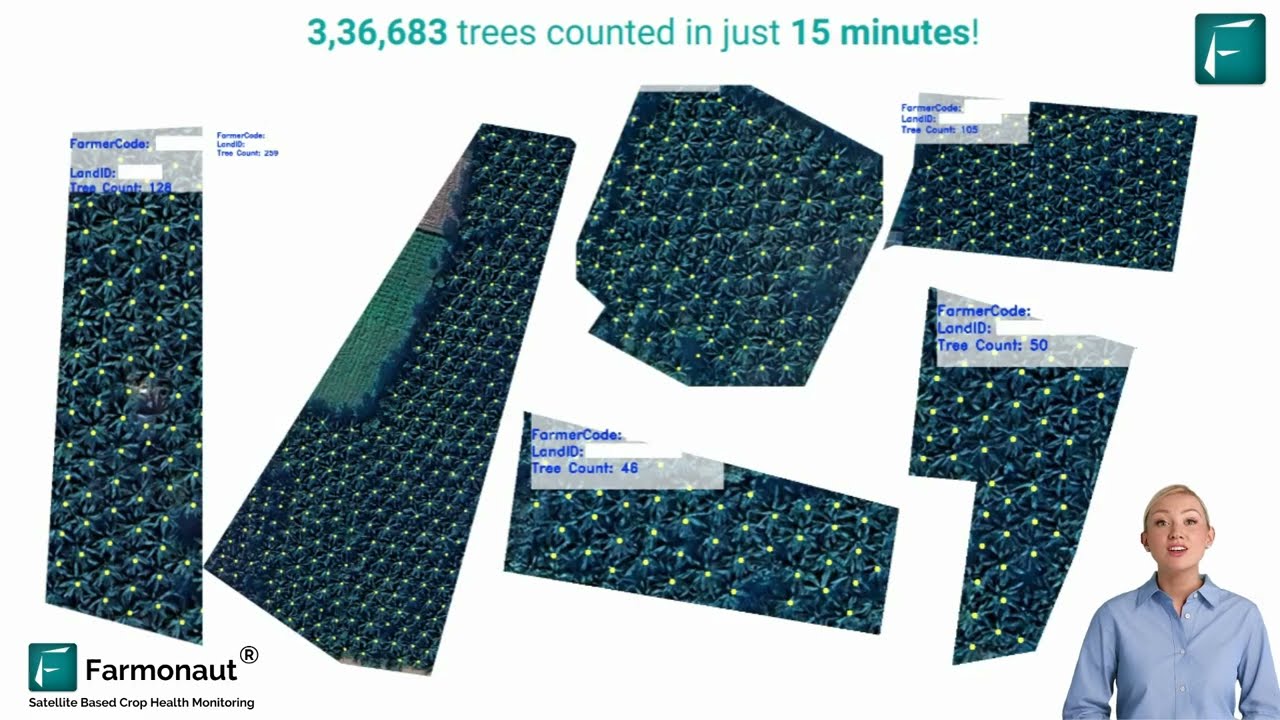
- Remote Sensing & Soil Moisture Sensors: Precision tools enable variable-rate irrigation for reduced wastage, lower disease risk, and improved yield.
Sustainable and Regenerative Practices
- Cover Cropping: Grows nitrogen-fixing legumes or grass mixes between tree rows, improving soil fertility, erosion control, and biodiversity.
- Reduced Tillage: Preserves soil structure and organic matter, supporting beneficial microbes and carbon sequestration.
-
Precision Application of Fertilizers & Pesticides:
- Utilize AI systems and satellite technology (see Farmonaut platform) for targeted sprays and optimized input allocation.

Estimated Yield & Growth Trends: Apple vs Water Apple Varieties (2025)
Below is a comparative table for leading apple tree, water apple tree, and sugar apple tree cultivars anticipated to dominate global production and markets in 2025–2026. Metrics include yield estimates, best fertilizer options, sustainability scores, tech adoption, and market growth projections.
| Variety Name | Estimated 2025 Yield (kg/tree) | Optimal Fertilizer Type | Sustainability Rating (1–5) | Adoption of Tech Solutions | Projected Market Demand (% increase, 2025–26) |
|---|---|---|---|---|---|
| Gala apple tree | 35–52 | Balanced NPK (Nitrogen-rich early, slow-release organics) | 4.5 | Widespread: Satellite, AI, irrigation sensors | +11% |
| Fuji apple tree | 38–60 | Balanced NPK + Micronutrients | 4 | High-density, remote sensing, digital marketplace traceability | +9% |
| Honeycrisp apple tree | 32–58 | Quick-release NPK, calcium sprays for fruit quality | 4.2 | Precision nutrient sensors, drone imagery | +10% |
| Water apple tree (Syzygium aqueum) | 22–38 | Organic compost, slow-release, micronutrients (Mg/Ca) | 4.7 | Emerging: Satellite, IoT drip, humidity sensors | +14% |
| Sugar apple tree (Annona squamosa) | 17–32 | Composted manure, foliar chelates (Zn/B) | 4.8 | Pilot: Moisture sensors, remote pest diagnostics | +17% |
*Projections are based on current industry research, regional testing, and reports for 2025–2026.
Trends Explained:
- Yield potential: Results from optimized cultivar selection, vigor of rootstocks, and advanced orchard management techniques.
- Sustainability: Higher ratings for cultivars grown with integrated pest, fertilizer, and water-saving practices.
- Tech Adoption: Apple tree cultivars lead with widespread use of satellite crop monitoring and AI, while tropical water apple and sugar apple trees are rapidly integrating similar tech for commercial scale-up.
- Market Demand: Sugar apple and water apple trees are quickly gaining popularity in emerging export markets and health-focused, niche consumers.
Apple Tree, Water Apple Tree: 7 Tips for 2026
Drawing from trends in fruit tree management, technology, and sustainable practices, here are seven expert tips for successful apple, water apple, and sugar apple cultivation for the coming years.
-
Choose Variety & Rootstock Based on Local Climate and Market:
- Don’t default to “Gala” for every region. Factor in chilling hours, rainfall, disease pressure, and current market demand—especially when considering newer water apple or sugar apple cultivars for tropical zones.
-
Adopt Precision Agriculture for Inputs:
- Use soil testing kits, nutrient sensing technologies, and satellite data platforms to optimize apple tree fertilizer and reduce waste—improving yield, fruit size, and orchard health.
-
Improve Water Use Efficiency:
- Drip irrigation and mulching are now standard in advanced orchards. For larger blocks, integrate remote monitoring solutions, moisture sensors, and large-scale farm management software to reduce costs and ensure sustainable use of water.
-
Pursue Sustainable Fertilizer Practices:
- Shift toward biofertilizers, organic manures, and slow-release formulations. These not only support orchard longevity, but also increase consumer appeal (especially for certified fruit).
-
Integrate Tech for Traceability and Carbon Tracking:
- Utilize blockchain traceability for provenance (see traceability solution), and monitor orchard carbon footprints with carbon footprinting technology to differentiate your fruit in export and health-conscious markets.
-
Regularly Scout and Digitally Monitor Your Orchard:
- Biweekly or monthly digital scouting with AI/satellite solutions helps detect early stress, pest outbreaks, and soil moisture irregularities—acting before problems escalate (learn more: Farmonaut Crop Plantation Advisory).
-
Plan for Insurance and Risk Management:
- With weather volatility rising, access insurance products that utilize satellite-based verification (crop loan & insurance solutions) to reduce financial risk.

Farmonaut & The Role of Technology in Future Fruit Farming
To remain competitive and sustainable, the orchard sector is rapidly adopting data-driven management. At Farmonaut, we provide satellite and AI-powered tools via Android, iOS, and web platforms to support precision orchard management at scale.
-
Satellite-Based Monitoring:
Generate NDVI maps, monitor crop/soil health, and detect stress, canopy gaps, or uneven growth across apple and water apple trees with near real-time insights. This empowers better timing for fertilizer, irrigation, or protection inputs. -
Jeevn AI Advisory System:
Delivers tailored, actionable strategies based on your orchard’s status, weather, and market trends. -
Blockchain Traceability:
Enables producers and marketers to guarantee quality, provenance, and sustainability for every harvested apple or water apple entering the supply chain. -
Fleet and Resource Management:
Leverage platform tools for machinery, labor, and input tracking to reduce costs and maximize productive time in your orchard (Fleet Management Solutions). -
Environmental Impact Tracking:
Monitor orchard carbon footprint and demonstrate climate-smart agriculture compliance, supporting both branding and regulatory needs.
Our modular API (API Integration, Developer Docs) allows agri-tech businesses and governments to embed satellite, AI, and blockchain data flows within their own decision systems, boosting orchard efficiency from planting through harvest and sale.
Farmonaut Platform: Products to Support Innovative Farming
-
Large-Scale Farm Management:
For multi-block apple orchards or commercial water apple plantations, our Agro Admin App consolidates crop, labor, resource, and cost management in one digital dashboard. -
Traceability & Consumer Trust:
Trace apple tree varieties, or verify the “authentic” sugar apple fruit origin (for EU/US/Asia exports) using product traceability for transparent supply chains. -
Carbon Footprinting/ESG:
Monitor, document, and improve the environmental sustainability of your orchard operation via carbon footprinting tools—essential for ESG-conscious consumers and buyers. -
Crop Loans & Insurance:
Access and streamline orchard financing, with satellite-verified claims for loans and insurance (see crop loan & insurance).
Frequently Asked Questions (FAQ)
-
Q: What is the difference between apple tree, water apple tree, and sugar apple tree?
A: The apple tree (Malus domestica) produces classic apples in temperate zones. The water apple tree (Syzygium aqueum) is a tropical species with bell-shaped, watery fruit, mainly grown in Southeast Asia. The sugar apple tree (Annona squamosa) is a subtropical species producing sweet, custard-like fruit—unrelated to classic apples. -
Q: Which fertilizer is best for apple trees and water apple trees?
A: For apple trees, use a balanced NPK mix (focus on nitrogen for early-stage growth, plus phosphorus and potassium for fruiting). For water apple trees, prioritize organic matter and micronutrients. Soil testing and precision application maximize results. -
Q: How do I select the right rootstock for my orchard?
A: Choose rootstock based on local climate, soil, management capacity, and desired tree size (dwarf, semi-dwarf, standard). Dwarf rootstocks are ideal for high-density, intensive orchards. -
Q: Can precision agriculture and satellite tech really enhance orchard management?
A: Absolutely. With satellite crop monitoring, AI advisories, and blockchain traceability, you can optimize inputs, minimize risk, boost yield, and ensure sustainability in orchards of any scale. -
Q: Where can I learn more about integrating Farmonaut solutions?
A: Visit the web or mobile app pages, API documentation, or get started with developer docs.
Conclusion: Advancing Fruit Crop Management for a Sustainable Future
In summary, apple trees—and their tropical relatives, water apple and sugar apple trees—remain at the forefront of global fruit crop innovation. By 2026, producers embracing the latest in variety selection, fertilizer trends, orchard management, and agri-tech are poised to deliver high-quality, market-focused fruit with a lower environmental footprint.
At Farmonaut, our mission is to make satellite-driven, AI-powered, and blockchain-secured solutions accessible for every orchardist. By combining these tools with sustainable agronomic practices, any grower—whether cultivating Gala apple trees in temperate zones or water apple trees in Southeast Asia—can maximize profit, sustainability, and resilience for years to come.
For more on transforming your fruit farming operation, explore our platform offerings or book a consultation to learn how technology can enhance every stage of your orchard journey—now and through 2026.

 Saraswati Agro
 Geno
Geno Hayleys Agriculture
 Linx Agritech
 Adinet
 Save Your Soils
 Grandstream Algérie
 XOS Realty
 Geospatial Lab Africa
 Agro La Gándara
 HIPSAC
 ZOL Zimbabwe
 Juligerm
 AdBio
AdBio MISE Maroc
 NWNS
NWNS
