

Arable Land Examples: 4 Top Examples of Arable Farming
Arable Land and Arable Farming: Vital Foundations for Sustainable Agriculture in 2025
“China and India together account for over 36% of the world’s total arable land in 2025.”
Table of Contents
- Understanding Arable Land in 2025
- Top 4 Arable Land Examples Worldwide
- Comparative Table: Environmental Impact of Arable Farming
- Examples of Arable Farming Systems
- Modern Challenges and Sustainable Innovations in Arable Farming (2025)
- Farmonaut’s Role in Supporting Sustainable Arable Farming
- FAQ: Arable Land Examples and Arable Farming
- Conclusion: The Road Ahead for Arable Land
Understanding Arable Land in 2025
Arable land refers to land capable of being ploughed and used for the cultivation of crops. In 2025, understanding what constitutes arable land and how it underpins agricultural systems globally is crucial for ensuring food security, robust rural economies, and sustainable farming practices.
Arable land examples are central to the systems that put food on our tables and fiber in our daily lives. The nature of arable farming remains dynamic, facing evolving challenges as populations expand and as climate impacts intensify. Let’s explore the defining characteristics, types, and the environmental significance of arable land and why maintaining its productivity is vital for resilient food systems.
What Is Arable Land? Definition & Core Characteristics
- Generally defined as land suitable for growing crops (through annual or seasonal planting and harvesting), as opposed to permanent pasture, forests, or urban infrastructure.
- Must feature:
- Appropriate soil type — fertile, well-drained, nutrient-rich soils
- Supportive climate zones and topography
- Reliable access to water, often via rivers, plains, valleys, or irrigation systems
- Seasonal cycles that allow for productive crop rotation and harvesting
- Excludes permanently covered areas (such as forests, water bodies, or urban infrastructure)
- Arable land can degrade due to erosion, overuse, salinization, climate-induced droughts/floods, or be improved with modern management techniques
How Much Arable Land Exists Globally?
According to the latest global statistics, arable land constitutes approximately 10–12% of the Earth’s total land area. However, its distribution remains highly uneven — concentrated in areas with a harmonious blend of favorable climate, geography, and history of agricultural development.
Key arable land examples include:
- The Indo-Gangetic Plain (India, Pakistan, Bangladesh)
- The Central Valley (California, USA)
- The North China Plain (China)
- The Nile Delta (Egypt, Africa)
These regions highlight a diversity of productive, sustainable, and resilient agriculture systems worldwide.



Why Is Arable Land So Important?
- Backbone of modern agriculture: Enables large-scale food, fiber, and raw material production globally
- Vital for food security: High-quality arable land is needed to support expanding populations in 2025
- Supports rural economies: Provides jobs, income, and development opportunities for countless communities worldwide
- Allows for innovation: Provides a platform for precision agriculture, digital monitoring, and advanced sustainable farming
Top 4 Arable Land Examples Worldwide
Let’s explore four of the most productive, classic, and illustrative arable land examples that showcase the diversity and scale of global agricultural systems. Each region highlights unique soil qualities, water access, suited crop types, and modern sustainable practices.
“Sustainable arable farming can reduce water usage by up to 40% compared to traditional methods.”
-
Indo-Gangetic Plain (South Asia: India, Pakistan, Bangladesh)
- Description: One of the world’s largest alluvial plains, covering northern India, eastern Pakistan, and Bangladesh.
- Soil Type: Deep, fertile alluvium deposited by rivers like the Ganges and Yamuna
- Climate: Subtropical to tropical; supports year-round planting and multiple crop cycles
- Water source: Rivers (Ganges, Yamuna, Indus, Brahmaputra) offer abundant irrigation
- Key Crops: Rice, wheat, sugarcane, pulses, cotton
- Importance: Feeds over 700 million people; backbone of rural economies in northern South Asia
- Challenges (2025):
- Climate-induced droughts and flooding events
- Soil health degradation due to overuse of fertilizers
- Groundwater depletion from excessive irrigation
-
Central Valley (California, USA)
- Description: A vast, flat valley stretching nearly 600 km (375 miles) through central California
- Soil Type: Rich alluvial and loam soils
- Climate: Mediterranean (wet mild winters and long dry summers)
- Water source: Intensive irrigation from rivers (Sacramento, San Joaquin) and reservoirs
- Key Crops: Almonds, grapes (wine), cotton, rice, vegetables
- Importance: Supplies over 40% of US fruits, nuts, and vegetables
- Challenges (2025):
- Drought, water scarcity, increasing climate variability
- Urban encroachment threatening productive land area
- Soil salinization from over-irrigation

-
North China Plain (China)
- Description: Sprawling flatlands of northeast China, forming one of the primary agricultural zones worldwide
- Soil Type: Loessial (wind-deposited, mineral-rich)
- Climate: Continental monsoon; marked by strong seasonal variation
- Water source: Primarily the Yellow River with support from canal irrigation
- Key Crops: Wheat, maize, millet, cotton, vegetables
- Importance: China’s breadbasket; critical for national food security
- Challenges (2025):
- Soil erosion from wind and water
- Salinity buildup and desertification due to overuse
- Water shortages and falling groundwater tables

-
Nile Delta (Egypt, Africa)
- Description: A wide, fan-shaped delta where the Nile spreads out and drains into the Mediterranean Sea.
- Soil Type: Deep, moist, highly fertile alluvium
- Climate: Mediterranean and arid subtropical
- Water source: Seasonal flooding (now largely controlled by Aswan Dam); irrigation canals
- Key Crops: Rice, cotton, wheat, vegetables
- Importance: Has supported agriculture for over 5,000 years; feeds a dense population
- Challenges (2025):
- Declining soil fertility due to lack of silt deposition (because of Aswan Dam)
- Salinization and rising groundwater
- Rapid urban encroachment

For stakeholders aiming to monitor and reduce carbon emissions from arable farming activities, Farmonaut’s Carbon Footprinting solutions provide actionable satellite-based insights for improving sustainability and meeting environmental compliance in all major global regions.
Comparative Table: Examples of Arable Farming Practices and Their Environmental Impact
| Arable Land Example & Region | Estimated Yield (tons/ha) | Typical Crops Grown | Main Sustainable Practice Used (2025) | Water Usage (m³/ha) | Soil Health Management | Key Challenges (2025) |
|---|---|---|---|---|---|---|
| Indo-Gangetic Plain (India, Pakistan, Bangladesh) |
4.5–5 (wheat); 6–7 (rice) | Wheat, rice, pulses, sugarcane, cotton | Alternate Wetting & Drying (AWD), crop rotation | 7,500–9,000 | Organic manure, reduced tillage | Floods, drought, groundwater depletion |
| Central Valley (California, USA) |
3.5–4.3 (wheat); 1.8–2.2 (cotton); 2.7–12 (vineyards, vegetables) | Almonds, grapes, cotton, rice, vegetables | Drip irrigation, integrated pest management (IPM) | 6,000–8,500 | Cover cropping, soil moisture sensors | Water scarcity, urban growth, salinization |
| North China Plain (China) |
5.5–6.5 (wheat); 6–8 (maize) | Wheat, maize, millet, cotton, vegetables | Precision nutrient management, rotation | 8,000–10,500 | Strip cropping, balanced fertilization | Soil erosion, salinization, declining water tables |
| Nile Delta (Egypt) |
3.2–3.8 (wheat); 7.5–8.5 (rice) | Rice, cotton, wheat, vegetables | Laser leveling, conservation tillage | 8,300–12,000 | Compost application, flood residue management | Salinity, urbanization, loss of natural silt |
Key Takeaway:
- All major arable land examples worldwide rely on tailored sustainable techniques—including drip irrigation, crop rotation, and soil management—to balance productivity, efficiency, and environmental protection in 2025.
- Challenges remain: climate variability, urban pressures, water stress, and soil health.
To ensure food safety and supply chain transparency across these numerous arable regions, Farmonaut Product Traceability leverages blockchain and satellite technology to provide farm-to-fork visibility—helping both smallholders and agribusinesses meet global standards.
Examples of Arable Farming Systems
Arable farming, as a vital form of agriculture, is characterized by the cultivation of crops on ploughed land. Its systems are diverse, region-specific, and dynamically evolving with new technology and sustainability goals in 2025. Let’s analyze classic and modern examples of arable farming worldwide:
Cereal Crop Farming: The Global Staple
- Cereal cropping remains the predominant form of arable farming on all major plains and valleys
- Typical crops grown: Wheat, maize, rice, barley, millet, oats
- Prime global regions:
- Great Plains (USA, Canada)
- Wheat belt (Australia)
- North China Plain
- Indo-Gangetic Plain (India, Pakistan, Bangladesh)
- Practices (2025): Advanced mechanization, precision agriculture, AI-based monitoring

Horticultural Farming: Fruits, Vegetables, & Flowers
- Focuses on fruits (citrus, grapes), vegetables (tomatoes, onions, potatoes), and flowers
- Zones: Mediterranean (Southern Europe, California), peri-urban Asia and Africa
- Supports both local food needs and high-value exports
- Uses intensive planting, greenhouses, drip irrigation, fertigation
- Modern traceability and food safety tools increasingly adopted globally
Mixed Farming Systems: Arable + Livestock Integration
- Involves growing crops and raising livestock on the same farm for resilient incomes and improved soil health
- Practices include: Crop rotations (cereal-legume-root), integrated weed/pest & nutrient management
- Regions: Central & Eastern Europe, South Asia, pockets of China
- Enhances sustainability through manure use and diversified cropping

Precision, Advanced, and Digital Arable Farming (2025)
- Deployment of AI, IoT sensors, drones, and satellite monitoring to optimize yields, resources, and minimize risks
- Benefits: Precise water and nutrient application, reduced labor needs, early-warning for crop stress
- Becoming standard practice on large, productive arable lands
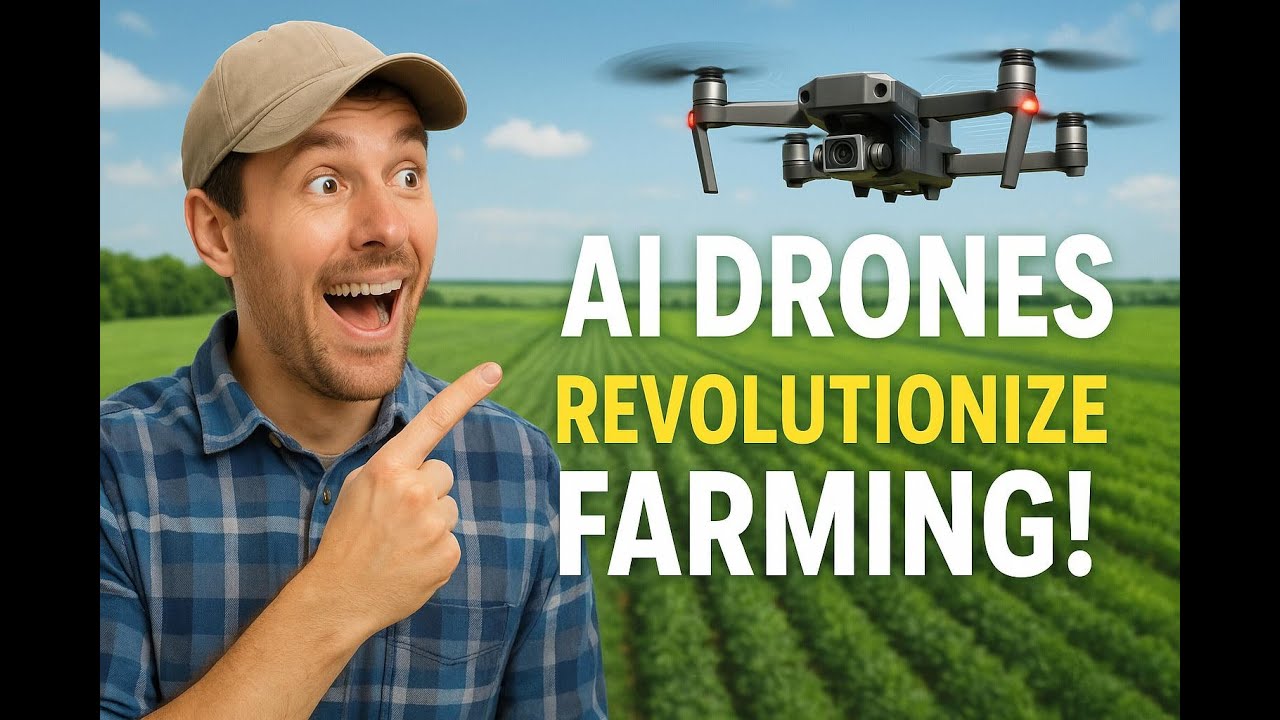
Managing expansive or multi-location arable farms? Farmonaut Large Scale Farm Management provides advanced satellite monitoring, fleet optimization, and actionable crop advisories for improved operations in 2025.

Modern Challenges and Sustainable Innovations in Arable Farming (2025)
While fruitful and foundational, even our most productive arable land examples now face unprecedented challenges — especially with the growing impacts of climate change, water scarcity, soil degradation, and urbanization in 2025 and beyond.
Let’s review some of the key sustainability issues and the innovations transforming global arable farming practices:
Core Challenges for Arable Land in 2025
- Soil health decline: Overuse of chemical inputs, reduced organic matter, compaction, and erosion threaten crop yields
- Water stress: Drought, excessive groundwater pumping, and inefficient irrigation systems drive resource scarcity
- Climate risks: More frequent droughts, floods, heatwaves, and increased climate variability
- Urban encroachment: Productive arable lands in regions like California, the Nile Delta, and South Asia are rapidly lost to urbanization
- Salinity and degradation: Irrigation mismanagement causes salinization, especially in arid and semi-arid zones
Sustainable Solutions for Modern Arable Farming
- Precision agriculture: Utilizing GPS, drones, and AI to optimize planting, irrigation, fertilization, and crop health management
- Soil health management: Embracing cover cropping, organic amendments, reduced tillage, and biological pest control
- Water-efficient irrigation: Integrating drip, sprinkler, subsurface, and schedule-based irrigation to reduce water usage by up to 40% in key arable regions
- Climate-resilient varietals: Breeding and deploying drought- and pest-resistant wheat, rice, maize, cotton, and vegetable crops
- Blockchain & digital traceability: Tracking crop history, water usage, carbon footprint, and field practices from seed to market

Why Satellite Solutions Matter in Arable Farming’s Future
In 2025, satellite-based technology is recognized as a game-changer for monitoring, planning, and managing arable land. Accurate, frequent, and large-scale data:
- Enables detection of soil health declines, irrigation efficiency, and crop vigor
- Empowers proactive responses to climate extremes, pest outbreaks, and yield forecasting
- Facilitates smart, data-driven decision making—from small plots to vast agricultural regions
Explore our API for Satellite-Driven AgriTech Integration
Integrate advanced crop health and soil monitoring directly in your platforms or advisory services via the Farmonaut API or access full developer documentation at Farmonaut’s Satellite Weather API Docs.
Financial institutions looking to streamline crop loan disbursal and insurance in major arable production areas now rely on Farmonaut’s Crop Loan and Insurance satellite-based verification for rapid approval and reduced fraud.
Farmonaut’s Role in Supporting Sustainable Arable Farming
As a pioneering satellite technology company, Farmonaut is driven by our mission to make satellite-driven data, analytics, and advisory solutions accessible to all sectors of arable farming worldwide. We empower individual users, agribusinesses, and governments with tools to enhance productivity, traceability, resource optimization, and environmental responsibility.
Here’s how our platform and solutions contribute to resilient and sustainable arable agriculture systems:
-
Satellite Crop & Soil Monitoring: Our platform leverages multispectral satellite imagery to:
- Monitor crop health, soil moisture, and land use change
- Detect water stress, pest risks, disease outbreaks, or yield threats early
- Support real-time decisions for both smallholders and large-scale arable operations
-
Jeevn AI Advisory System:
- Delivers field-specific, AI-driven recommendations on crop management, weather risks, irrigation needs, and sustainable practices
- Boosts yields, labor efficiency, and cost-effectiveness for arable farming enterprises
-
Blockchain Traceability:
- Builds transparent and reliable product histories from seed to harvest to distribution—essential for food safety, regulatory compliance, and market trust in 2025
-
Fleet & Resource Management:
- Optimizes the deployment of machinery and logistics fleets for time- and cost-efficient field operations
- Minimizes emissions and enhances sustainable resource utilization
-
Environmental Impact\&Carbon Footprint Monitoring:
- Track carbon emissions, water use, and soil health improvements at the field, region, or country scale—crucial for meeting global climate targets in agriculture
-
Flexible Access:
- Our solutions are available via Android, iOS, and web apps as well as API integrations—empowering users to monitor and manage arable farming anytime, anywhere
Farmonaut’s approach enables arable farmers, agronomists, and decision-makers to:
- Adopt precision arable farming practices for maximum yield and sustainability
- Mitigate environmental risks and maintain healthy, productive soils
- Verify compliance for food safety laws, carbon markets, and sustainable certifications worldwide
FAQ: Arable Land Examples and Arable Farming
What is arable land and why is it important?
Arable land is defined as land capable of being ploughed and used for the seasonal cultivation of crops such as wheat, rice, maize, and vegetables. It is the backbone of agriculture worldwide, underpinning food security, sustainable development, and rural economies. In 2025, with mounting climate and population challenges, protecting and optimizing arable land is vital for future food systems.
Can you give four top arable land examples globally?
Yes! The most prominent arable land examples worldwide are:
- Indo-Gangetic Plain (India, Pakistan, Bangladesh): Known for wheat, rice, pulses, and sugarcane.
- Central Valley (California, USA): Highly productive for almonds, grapes, rice, and vegetables.
- North China Plain (China): A wheat and maize breadbasket, vital for China’s food security.
- Nile Delta (Egypt): One of the most ancient and fertile agricultural deltas, supporting rice, wheat, cotton, and more.
What are examples of arable farming?
Examples of arable farming include:
- Cereal crop farming: Growing wheat, maize, or rice on large-scale ploughed fields.
- Horticultural farming: Focused on fruits, vegetables, or flowers, especially in Mediterranean and peri-urban zones.
- Mixed cropping: Integrating cereals, legumes, and root crops—sometimes with livestock—popular in Europe and Asia.
- Precision arable farming: Using AI, drones, and remote sensing for site-specific crop and soil management.
What are the main sustainability challenges for arable land in 2025?
Challenges include:
- Soil degradation (due to erosion, nutrient depletion, salinization)
- Water scarcity and inefficient irrigation
- Impacts of climate change, such as droughts and floods
- Loss of arable land to urban and infrastructure expansion
- Declining crop diversity and ecosystem services
How are modern technologies advancing arable farming in 2025?
Technologies such as satellite-based crop monitoring, IoT soil moisture sensors, AI-driven planting and advisory systems, blockchain traceability, and advanced irrigation systems are all empowering sustainable and resilient arable agriculture globally.
Conclusion: The Road Ahead for Arable Land
Arable land examples from the Indo-Gangetic Plains to California’s Central Valley highlight the diversity, scale, and importance of arable agriculture systems worldwide. In 2025, the foundations of food security, rural economies, and sustainable development are inextricably linked to the productive capacity and intelligent management of arable lands.
As climate challenges intensify and populations continue to grow, it is imperative to protect and revitalize existing fertile zones—while integrating advanced data-driven solutions, precision techniques, and sustainable practices.
By leveraging new technologies and a spirit of stewardship, we can maintain resilient, productive, and regenerative arable farming systems—securing a nourishing future for all.

 GlobalQuant
 MDCV UK
 Zerella Group
 Etech Consulting Madagascar
 Vestlandsforsking
 Agritein
 Delicio
 WB Dev
 Sama Premium
 Prochecker
 Tres Valles
 LACOS Geoinformation
 Magrifly
 LatConnect 60
 Blickwinkel
 Agricultural Credit Policy Council
 Marei Nursery
 eKGIS
eKGIS Mostas Tech
