

Bacterial Blight Disease: Best Plant Blight Management 2025
Table of Contents
- Introduction: Bacterial Blight – A Persistent Threat in 2025
- Understanding Bacterial Blight and Its Devastating Agricultural Impact
- Bacterial Blight of Cotton Disease Cycle
- Bacterial Blast of Rice: Regional Impacts and Concerns
- Blight Plant Disease: Key Symptoms and Diagnosis
- Best Bacterial Blight Management Practices 2025
- Host Plant Resistance & Genetic Solutions
- Cultural Practices for Disease Control
- Chemical and Biological Controls: 2025 Developments
- Digital Tools & Technological Interventions in Blight Management
- Comparative Management Practices Table for Bacterial Blight in Major Crops
- Future Outlook: Innovation, Sustainability, and Global Food Security
- Farmonaut’s Role in Modern Blight Disease Management
- Frequently Asked Questions (FAQ)
- Conclusion: Towards Resilient Crop Health in 2025 & Beyond
“Bacterial blight can reduce rice yields by up to 60% if unmanaged, threatening food security in 2025.”
Introduction: Bacterial Blight – A Persistent Threat in 2025
Bacterial blight, a blight plant disease caused by highly pathogenic bacteria, remains one of the most destructive and persistent threats to crop health and agricultural sustainability in 2025. Despite significant advances in plant pathology, genetic resistance, and innovative management practices, this disease continues to pose serious challenges for global food security and the stability of millions of farm livelihoods—especially in regions where rice, cotton, and other staples are major crops cultivated under diverse agro-ecological systems.
In this comprehensive guide, we delve into the underlying causes, disease cycle, and impact of bacterial blight and blast in rice, cotton, and other commercially significant plants. We will explore sustainable and environment-friendly strategies that can help farmers, agronomists, and policy-makers minimize losses, enhance productivity, and secure resilient food systems in 2025 and beyond. Join us as we unpack the science, best management practices, and future innovations shaping the fight against this agricultural menace.
Understanding Bacterial Blight and Its Devastating Agricultural Impact
Bacterial blight disease refers to a group of plant diseases caused primarily by species of the genus Xanthomonas that colonize major crops, leading to extensive tissue damage and loss of yield. These bacteria thrive in conditions such as high humidity, warm temperatures, and abundant standing water—which are increasingly prevalent under modern climate scenarios in 2025.
- Bacterial blight of rice: Caused by Xanthomonas oryzae pv. oryzae
- Bacterial blight of cotton: Caused by Xanthomonas citri pv. malvacearum
Key impacts include:
- Severe reduction in grain yield and quality in rice production systems (yield losses often range from 20% to 60% depending on severity)
- Significant degradation of fiber quality and output in cotton growing regions (sometimes leading to total crop failure in susceptible varieties)
- Widespread threats to food and income security due to loss of productive area and increased cost of management interventions
On a global scale, bacterial blight and similar blight plant diseases collectively affect millions of hectares annually, posing a direct challenge to sustainable agriculture and rural economies.

Bacterial Blight of Cotton Disease Cycle
One of the best-studied bacterial blight disease cycles is bacterial blight of cotton, a devastating disease caused by Xanthomonas citri pv. malvacearum. Understanding its disease cycle is key to regular monitoring and effective management.
Key Elements of the Cotton Blight Disease Cycle:
- Survival: The pathogen survives between cropping seasons in infected plant debris, crop residues, and occasionally in cotton seed. Persisting through adverse conditions, it awaits optimal circumstances for infection.
- Entry and Initial Infection: Bacteria enter the plant usually through natural openings such as stomata or minor wounds on leaves and stems, which commonly occur during early vegetative and seedling stages.
- Multiplication and Spread: Given warm temperatures (25–35°C), high humidity, and ample leaf wetness, the bacteria multiply rapidly. Rain, irrigation water, water splash, and insect vectors can facilitate the movement and dissemination of the pathogen within and across cotton fields.
- Secondary Infection: As the growing season progresses, secondary spread occurs through water movement, wind-driven rain, and mechanical contact, often leading to epidemic levels if not contained.
- Effect on Yield and Fiber: As photosynthetic tissue (i.e., leaves) gets damaged and necrosis sets in, the plant’s ability to support fiber development is diminished, causing low yield and reduced fiber quality.

Bacterial Blast of Rice: Regional Impacts and Concerns in 2025
The bacterial blast of rice—often referred to as bacterial blight—is most severely impacting food production in South and Southeast Asian countries, especially under altered rainfall and irrigation conditions exacerbated by climate change.
- Pathogen: Xanthomonas oryzae pv. oryzae
- Key Symptoms: Water-soaked lesions along the leaf margins that elongate, develop yellowish halos (chlorosis), become necrotic, and dry up, coalescing across large leaf areas.
- Sources of Inoculum: Survives in infected residues, irrigation water, and sometimes weed hosts.
- Favorable Conditions: High humidity, warm temperatures, and dense rice plantings speed up blight progression and spread.
Consequences for Food Security
Bacterial blight can slash grain yield by up to 60%, causing dire consequences for millions who rely on rice as their staple food crop. The challenges are compounded by the evolution of pathogenic species, more virulent strains, and shifting farming practices in 2025.

Blight Plant Disease: Key Symptoms and Diagnosis in Major Crops
Blight plant diseases, particularly those due to bacterial blight, affect various plant tissues and display a consistent set of characteristic symptoms that make field identification possible.
- Leaf Wilting: Whole or partial leaf droop, often starting from tips or margins
- Water-Soaked Lesions: Small, dark-green patches expanding into elongated necrotic streaks
- Chlorosis: Yellowing around the infection site, making fields appear patchy or uneven in color
- Necrosis: Tissue death and browning, leading to brittle or dry leaves
- Degraded Growth: Stunted plants, poor head development (in rice), and reduced fiber mass in cotton
- Unusual Exudates: Oozing or sticky droplets, sometimes visible when humidity is high
Early detection—through regular field scouting, digital monitoring (remote sensing), or molecular diagnostics—is essential for timely intervention.

Best Bacterial Blight Management Practices 2025
Given the adaptability of pathogens and diversity of agricultural systems, the best approach for bacterial blight management in rice, cotton, and other major crops in 2025 is through an integrated disease management (IDM) strategy. IDM unites genetic resistance, cultural and agronomic actions, chemical and biological interventions, and digital monitoring tools.
“Sustainable management practices can lower bacterial blight incidence in cotton fields by over 40%, supporting resilient agriculture.”
Host Plant Resistance & Genetic Solutions for Bacterial Blight
One of the most sustainable solutions to bacterial blight disease is the breeding and adoption of resistant crop varieties. Recent advances in genomics and gene editing have dramatically increased our capacity to identify, combine, and deploy resistance genes into commercial lines while maintaining yield and quality. In 2025:
- For Rice: Resistance genes like xa5, xa13, Xa21 (and more) are stacked into locally-adapted varieties via marker-assisted selection and CRISPR-based gene editing.
- For Cotton: Geneticists are mapping blight resistance loci and integrating multiple traits for durable resistance, minimizing the risk of pathogen adaptation.
These new varieties not only reduce the need for chemical inputs but also support higher yields under disease pressure.

Cultural Practices for Bacterial Blight Disease Control
Traditional farming practices remain vital in blight control, especially for resource-limited settings. Key recommendations include:
- Crop Rotation: Reduces soil-borne and residue-borne inoculum by breaking the host cycle
- Removal of Infected Debris: Prompt field clearing of infested residues minimizes pathogen survival
- Certified Disease-Free Seed: Stops primary infection introduction, most critical in cotton and rice seed systems
- Optimized Plant Spacing: Avoids excess leaf wetness duration, lowering risk of infection and spread of the bacteria
- Rational Irrigation Management: Minimize leaf wetting (e.g., avoid overhead irrigation for cotton), ensure proper drainage in rice fields, and regulate timing to avoid favoring pathogen multiplication
These strategies combine prevention with sustainable ground-level practices, requiring minimal investment but offering substantial benefits.
Chemical and Biological Controls: 2025 Developments
Chemical controls, such as copper-based bactericides and agronomic antibiotics, were once central but now face rising restrictions due to environmental and health concerns. In 2025, the emphasis has shifted towards biological solutions and precision application, including:
- Biocontrol Agents: Bacillus, Pseudomonas, and other beneficial bacteria can outcompete or directly suppress blight pathogens
- Phage Therapy: Targeted bacteriophages offer crop-specific pathogen suppression without harming beneficial microbiota
- Induced Systemic Resistance: Foliar sprays that trigger the plant’s natural immune mechanisms for long-lasting protection
- Precision Application: Chemical inputs are now applied with increased accuracy, guided by digital scouts and satellite diagnostics
While chemicals remain an emergency tool, sustainable management increasingly prioritizes ecological and biological interventions—backed by the latest carbon footprinting tools to monitor and minimize environmental impact.

Digital Tools & Technological Interventions in Blight Management
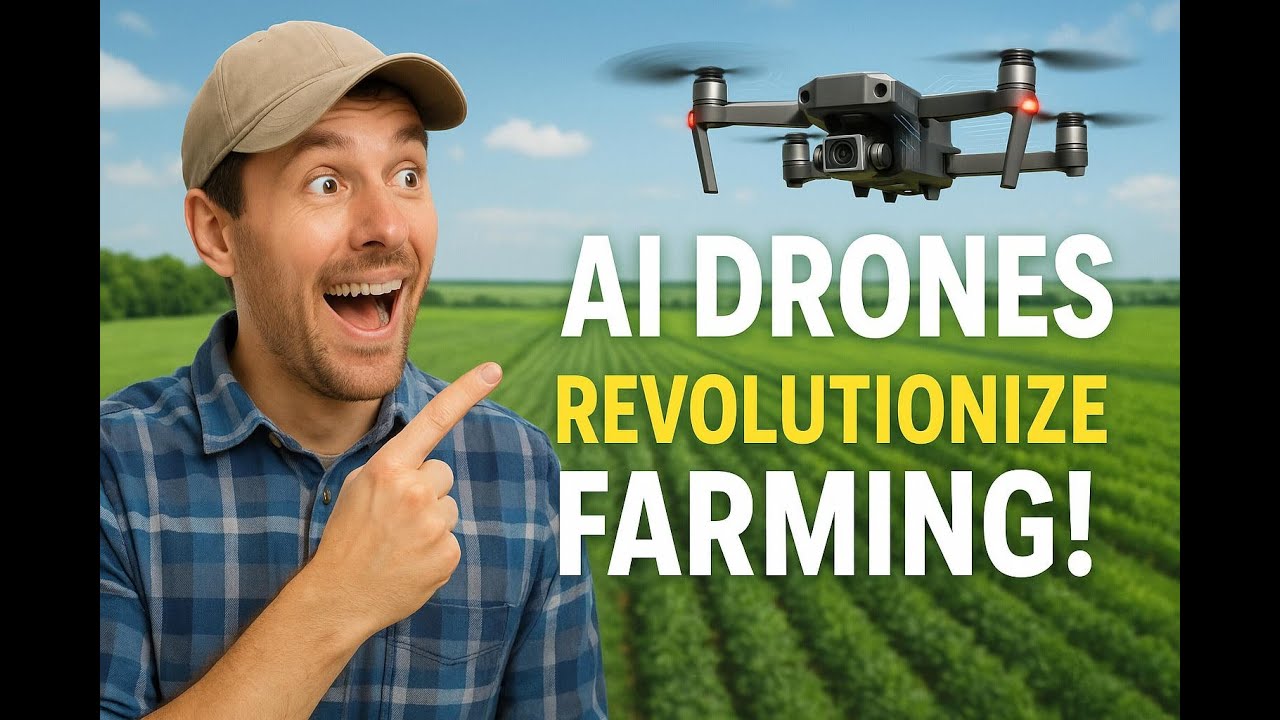
Digital transformation is revolutionizing blight management in 2025. Satellite monitoring, AI-driven analytics, and drone-based aerial assessments enable precision agriculture like never before. We, at Farmonaut, are proud to offer an affordable and accessible platform integrating such advanced technologies, delivering:
- Satellite-based Crop Health Monitoring: Identify disease stress, assess severity, and map outbreaks over large areas using multispectral data (large-scale farm management tool)
- AI-based Advisory: Get actionable disease alerts and tailored advice with Farmonaut’s Jeevn AI system, reducing lag in management and loss
- Blockchain-based Traceability: Document interventions and chemical use for regulatory compliance and market transparency (Farmonaut traceability solution)
- Resource and Fleet Management: Time spraying, irrigation, and field operations precisely to avoid periods of elevated bacterial spread (Farmonaut fleet management platform)
- Environmental Impact Monitoring: Quantify disease control activities and their impact on emissions and biodiversity




These digital tools bridge knowledge gaps and support field workers and researchers in targeting interventions precisely, minimizing overuse of chemicals, and supporting sustainability. For developers and businesses looking to integrate advanced monitoring, Farmonaut offers a robust API and detailed developer documentation for seamless integration.
Comparative Management Practices Table for Bacterial Blight in Major Crops (2025)
| Crop Name | Estimated Annual Loss (%) from Bacterial Blight (2025) |
Major Disease Cycle Stage | Recommended Sustainable Management Practices | Estimated Reduction in Disease Incidence (%) | Environmental Impact Rating |
|---|---|---|---|---|---|
| Rice | 20-60% | Infection & Rapid Spread | Resistant varieties, field sanitation, crop rotation, AI-based prediction, traceability | 40-70% | Low–Medium |
| Cotton | 15-35% | Seed/Seedling Infection, Vegetative Spread | Use of disease-free seed, crop rotation, biological control, digital monitoring, avoid overhead irrigation | 35-60% | Low |
| Other Field Crops (e.g. Tomato, Soybean) | 10-30% | Latency, Sporadic Outbreaks | Sanitation, resistant varieties, biocontrol, scheduled irrigation | 25-50% | Low–Medium |
Future Outlook: Innovation, Sustainability, and Global Food Security
As global agricultural systems confront the dual stresses of climate change and intensive production, the fight against bacterial blight disease is expected to intensify. Critical factors shaping the future landscape include:
- Emergence of New Pathogen Races: Continuous evolution of bacterial pathovars outpaces traditional resistance breeding, mandating dynamic genetic improvement pipelines
- Shifting Weather Patterns: High humidity, unpredictable rainfall, and increased temperatures are modifying disease cycles and increasing the risk of crop epidemics worldwide
- Growing Technology Adoption: Satellite imaging, machine learning, and AI advisory systems enable proactive disease management and resource optimization
- Rising Demand for Low-Input and Organic Solutions: Sustainability mandates favor reduced chemical use, promoting biological and ecological interventions
- Need for Comprehensive Farmer Education: Training in early detection, safe handling, and integrated management is essential for adoption of new tools and technologies
A multidisciplinary approach combining research, policy support, and digital innovations is urgently needed to secure harvests and livelihoods.
Farmonaut’s Role in Modern Blight Disease Management
At Farmonaut, we are dedicated to transforming how farms of all sizes manage disease threats in an era of climate challenges and shifting pathogen landscapes. Our core mission is to democratize satellite and AI-driven insights—making advanced disease monitoring and management affordable and accessible to farmers, agronomists, and businesses worldwide.
- Real-Time Satellite Monitoring: We leverage NDVI, soil moisture, and multispectral analytics to detect early disease stress, providing actionable alerts and tailored advice.
- AI-based Recommendations: Farmonaut’s Jeevn AI system analyzes disease trends and weather data to predict outbreaks and recommend specific interventions at field level.
- Blockchain-based Traceability: Our platform enables robust supply chain documentation, ensuring regulatory compliance and transparent communication with buyers and financial providers.
- Sustainability Solutions: Features such as carbon footprinting support both environmental impact reporting and adoption of best sustainable practices in disease management.
- Crop Insurance & Financing: By enabling satellite-verified crop loss documentation, we help reduce fraud and unlock access to timely crop loans and insurance for at-risk growers.
To serve every need, we provide a robust API and developer docs for integration and customization.
Ready to Experience Next-Gen Plant Health Monitoring?
Explore Farmonaut’s subscription packages tailored for farms, agribusinesses, and government agencies below:
Frequently Asked Questions (FAQ) on Bacterial Blight Disease
What is bacterial blight disease?
Bacterial blight is a destructive blight plant disease caused by pathogenic bacteria such as Xanthomonas species. It leads to significant crop losses, especially in rice, cotton, and other staple crops, through characteristic symptoms like leaf wilting, water-soaked lesions, chlorosis, and necrosis.
Why is bacterial blight still a challenge in 2025 despite new technologies?
The bacteria involved evolve quickly, adapting to new varieties and spread mechanisms—including changes in weather patterns, irrigation systems, and farming intensification. This dynamic nature requires constant vigilance, integrated management, and continuous research.
What are the best sustainable practices for bacterial blight management?
- Adoption of resistant crop varieties
- Rotating crops and removing infected plant debris
- Using certified disease-free seed
- Employing digital tools for early detection and AI-based advisory
- Implementing biocontrol agents and reducing indiscriminate chemical use
How can Farmonaut help with blight disease management?
We provide advanced crop monitoring and plant health diagnostics using satellite imagery, AI-based analytics, and blockchain traceability. These tools empower stakeholders to make data-driven decisions for both preventive and curative blight management, directly supporting sustainability and productivity.
Conclusion: Towards Resilient Crop Health in 2025 & Beyond
Bacterial blight disease—whether impacting cotton, rice, or other major field crops—remains a serious threat to global food security and farm sustainability in 2025. To effectively battle this persistent menace, the agricultural sector must continue to embrace sustainable practices, digital innovations, and robust scientific research. With rising threat complexity, integrating genetics, cultural controls, eco-friendly biocontrols, and scalable digital solutions is no longer optional—it’s foundational for resilient food systems.
Our commitment at Farmonaut is to drive progress with affordable, AI-powered, satellite-driven tools and actionable insights. By empowering stakeholders with transparency, early warning, and best-practice management, we aim to mitigate the impact of blight and secure a more sustainable, productive future for agriculture.
For comprehensive crop oversight, insurance verification, resource management, and sustainable development, explore our dedicated large-scale farm management, traceability, and fleet management solutions—each meticulously designed to support you through the entire plant blight disease cycle.
Discussion
Questions, corrections or field experience? Share them below. First-time comments are reviewed before they appear, and your email is never published.
No comments yet. Be the first to add a question or your experience.

 CU Foods
 BeyondTech Global
 Consulthink Global
 Rouge VC
 Yutz Automation
 AgroGreen Dynamics
 AgroRisk
 Oath Inc
 Reddane Farming
 Esri North East Africa
 Cresol
 Atur Kuliner
 MDCV UK
 Zerella Group
 Etech Consulting Madagascar
 Vestlandsforsking
 Delicio
 WB Dev
 Sama Premium
 Prochecker
 Tres Valles
 LACOS Geoinformation
 Magrifly
 LatConnect 60
