

Best Country Farming & Farmland Innovations 2025: The Future of Agriculture
Meta Description: Best country farming and farmland innovations in 2025 are transforming agriculture through precision technology, sustainability, and climate-resilient strategies worldwide.
Table of Contents
- Summary: The Future of Country Farming in 2025
- Defining Country Farming & Its Scope in 2025
- Trivia
- Global Leaders: Which Are the Best Farming Countries?
- Precision Agriculture Technology: Mapping, Drones, & Smart Sensors
- Sustainable and Regenerative Methods Reshaping Farmland
- Climate Resilience: Innovations to Confront Environmental Change
- Rural Economy: Infrastructure, Markets & Community Growth
- Renewable Energy & Resource Management on Farmland
- Comparative Innovations Table
- Country Farming Identity, Diplomacy & the Future of Trade
- Farmonaut’s Role in Country Farming & Farmland Innovation
- Frequently Asked Questions
- Conclusion
“In 2025, over 65% of country farms will adopt climate-resilient seeds and smart irrigation technologies.”
Summary: The Future of Country Farming in 2025
Country farming remains a critical backbone of global food security and rural livelihoods in 2025. As the world’s best farming countries continue to lead in productivity, vast farmlands are being transformed by innovations in smart technologies, sustainability, and climate resilience. Country farming refers to agricultural practices in rural areas, grounded in expansive land resources used to cultivate crops and raise livestock.
With precision agriculture, such as satellite mapping, smart sensors, and drones, farmers in top countries like the United States, Brazil, and India can optimize every input—water, fertilizers, pesticides—raising yields while lowering environmental impacts. The integration of renewable energy, data-driven practices, and regenerative methods such as cover cropping and reduced tillage mean that today’s farmlands are more sustainable, productive, and resilient to climate change than ever.
As the agriculture sector undergoes this profound transformation, country farming also plays a pivotal role in supporting rural communities, economic growth, and trade diplomacy. With the right blend of tradition and innovation, the future of country farming in 2025 is assured—feeding the world securely, empowering rural livelihoods, and safeguarding our planet.
Defining Country Farming & Its Scope in 2025
The term “country farming” refers to agricultural practices deeply grounded in the rural, expansive landscapes of agriculture-rich countries. In 2025, country farmland is characterized by its vastness, resource richness, and capacity to cultivate a wide variety of crops and livestock at scale. These farmlands form the foundation of local and global food supply chains, supporting not just food production but also environmental stewardship and socioeconomic growth.
- Location: Country farming mostly thrives in areas away from cities and industry—on lands that encompass millions of hectares in nations such as the United States, Brazil, India, Australia, and the Netherlands.
- Practices: These include both traditional techniques rooted in local knowledge and advanced, modern practices led by smart technologies and climate-smart methods.
- Significance: The role of these farmlands remains crucial as they serve as the backbone of rural economies, employment, and environmental sustainability.
In 2025, the landscape of country farming is undergoing rapid transformation—driven by the integration of technological advancements, data analytics, and global sustainability priorities. The backbone of rural livelihoods is stronger than ever, as these practices continue to evolve to meet the challenges of climate change, resource scarcity, and a growing population.
Global Leaders: Which Are the Best Farming Countries?
As of 2025, the world’s top agriculture countries lead not only in production volume but also in the integration of innovations that increase sustainability, resilience, and productivity. Some of the most prominent best farming countries include:
- United States: Known for innovative, large-scale mechanized farming, precision tech, and robust agricultural markets.
- Brazil: Renowned for vast farmlands, regenerative soil practices, and advanced crop management.
- India: Home to a diversified agriculture sector, pioneering in digital solutions for small to large-scale farms.
- Netherlands: Leading in greenhouse tech, high-density agriculture, and water-saving innovations.
- Australia: Adept at combating harsh climates through climate-smart, drought-resistant practices.
These countries are at the forefront of country farming innovations, maximizing the potential of their expansive farmlands while leading the adoption of sustainable and smart farming methods.
Precision Agriculture Technology: Mapping, Drones, & Smart Sensors
One of the defining features of modern country farming in 2025 is precision agriculture—utilizing cutting-edge technologies to optimize every aspect of farm management. The integration of satellite mapping, drone surveillance, AI-powered data analytics, and soil sensors represents a technological leap from traditional methods to data-driven farming.
How Precision Farming Transforms Country Farmland
- Satellite Mapping: Multispectral & high-resolution imaging allows farmers to monitor crop health, soil moisture, and identify early signs of stress or disease remotely and accurately.

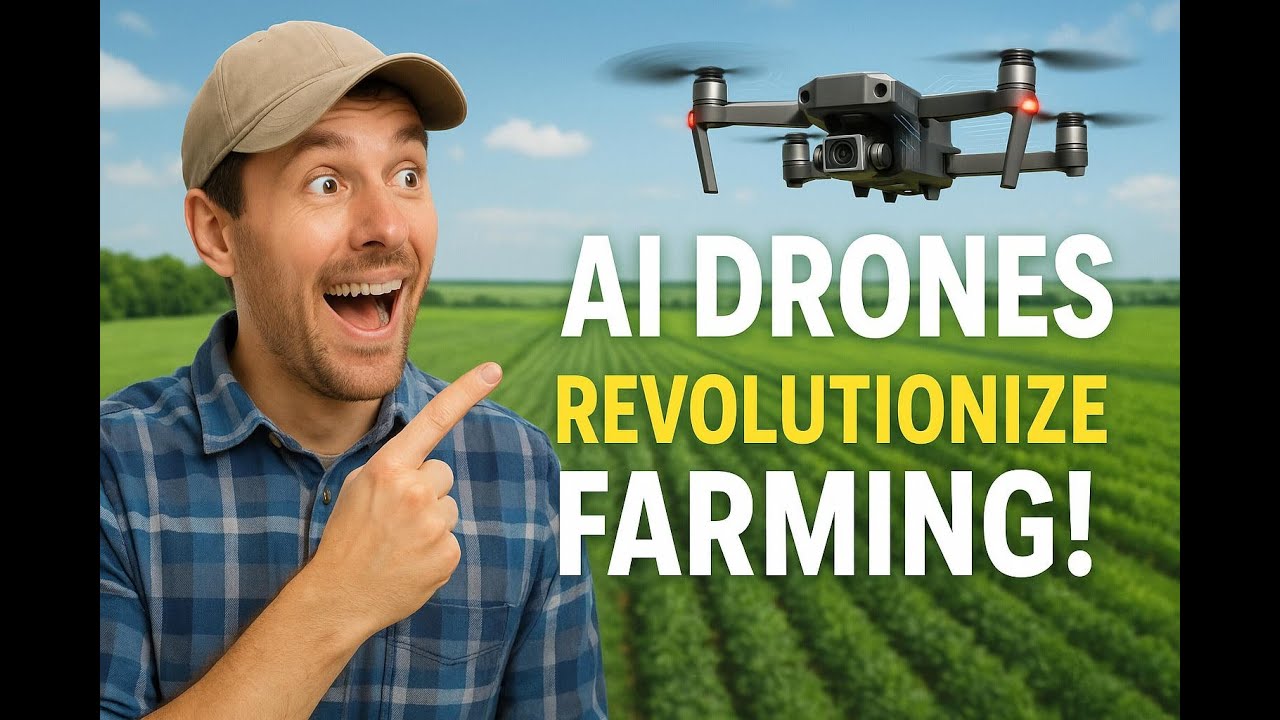
- Drones: Modern drones equipped with AI analyze fields in real-time, providing actionable insights for pest detection, water stress, and crop monitoring at scale.
- Soil & Nitrogen Sensors: On-field sensors provide live data on nutrient content and moisture, allowing precise application of fertilizers and irrigation—minimizing runoff and environmental harm.
- Data Analytics & AI: Predictive models process massive datasets on weather, yield potential, disease risks, and resource needs, helping farmers make informed decisions for maximum efficiency and sustainability.
The widespread adoption of precision tech in leading countries like the United States, Brazil, and India results in increased yields, optimized resource use, and a significant reduction in environmental impact. For example, nitrogen sensors and AI-driven decision support systems customize fertilizer application, preventing the runoff that typically harms soil and nearby ecosystems.
Explore Farmonaut’s advanced satellite and AI agriculture monitoring platform:
Large-Scale Farm Management App – A digital solution for precision monitoring, resource allocation, and boosting farmland productivity.
Sustainable and Regenerative Methods Reshaping Farmland
In 2025, sustainability remains a priority for country farming. With climate change intensifying challenges such as erratic rainfall and prolonged droughts, the adoption of sustainable and regenerative agriculture is essential to safeguard soil health and ensure future productivity of country farmland.
Top Sustainable Practices
- Cover Cropping: Planting coverage crops in between main cropping seasons to restore organic matter, prevent soil erosion, and fix nitrogen.
- Reduced Tillage: Minimizing soil disruption increases soil carbon retention, improves water infiltration, and enhances biodiversity.
- Crop Diversification: Boosts resilience by spreading risk, improving nutrient cycling, and reducing dependency on single crops.
- Drought-Resistant Varieties: Leading agricultural research and biotechnology has enabled the development of crops that thrive despite changing weather patterns and water scarcity.
These methods not only improve soil health but also make farmlands more resilient to climate stresses. Countries with extensive country farmland are investing heavily in research and technology to enable regenerative transformation across their vast rural landscapes.

Discover how carbon farming and environmental monitoring solutions support sustainable agriculture: Farmonaut Carbon Footprinting enables farmers and agribusinesses to measure, manage, and reduce greenhouse emissions for true agricultural sustainability.
“Sustainable farming initiatives in 2025 are projected to reduce agricultural water usage by up to 40% worldwide.”
Climate Resilience: Innovations to Confront Environmental Change
Climate change poses significant challenges for modern country farming. From erratic rainfall patterns and extended droughts to intensified weather events, farmers worldwide are adopting new resilience strategies to thrive in the face of environmental stresses.
Key Climate Resilience Techniques
- Weather Forecast Integration: Detailed, localized forecasts align farm operations such as planting, irrigation, and harvest—reducing loss from unpredictable weather.
- Drought-Resilient Crop Adoption: Breeding efforts, especially in countries with extensive arable farmlands such as the United States and India, are producing seeds that withstand drier, hotter conditions.
- Smart Irrigation: Automated, sensor-driven irrigation that delivers water only when and where it’s needed—dramatically reducing water use.
- Soil Moisture Monitoring: Soil and field sensors feed live data to farm management systems, ensuring better water retention and happier crops.
These innovations make country farmland more adaptive and lessen negative environmental impact. With real-time meteorological intelligence, farmers can mitigate the risks posed by changing weather patterns while boosting food security.
Access hyper-local weather data and AI strategy tools for resilient farming:
Farmonaut Crop, Plantation & Forest Advisory uses real-time weather, crop health and advisory data to help farmers adapt instantly.
Rural Economy: Infrastructure, Markets & Community Growth
Country farming remains a primary engine of rural economic growth, providing jobs and income for millions worldwide. In 2025, modernization extends beyond just the fields—infrastructure improvements and strong supply chains are helping rural communities thrive and reducing post-harvest loss.
- Rural Road Development: Upgrading roads enhances farm-to-market connections and opens new economic opportunities for remote farming areas.
- Storage & Logistics: Cold chains, advanced warehousing, and smart inventory systems limit wastage and improve food quality.
- Digital Connectivity: Internet and mobile access in rural communities allow farmers direct market access, real-time data, and better decision-making than ever before.
- Access to Loans & Insurance: Digital verification for crop loans and parametric insurance products, using real-time crop monitoring, helps farmers manage risk and gain financing quicker.
Learn more about satellite-backed crop loan and insurance verification at:
Farmonaut Crop Loan and Insurance Solutions
Better rural infrastructure combined with technological integration ensures country farmland remains the backbone of community prosperity, supporting food markets, employment, and agricultural diplomacy.
Renewable Energy & Resource Management on Farmland
The integration of renewable energy into country farming operations is revolutionizing the way farmlands are managed and powered. The leading farming countries are showing how clean energy solutions can lower costs and reduce agriculture’s carbon footprint.
Examples of Renewable Innovations
- Solar-Powered Irrigation: Solar pumps replace diesel, delivering sustainable energy for water-intensive crops.

- Biogas Plants: Farm waste is increasingly used to generate renewable biogas for heating and electricity—cutting methane, producing organic fertilizer, and closing resource loops.
- Wind Turbines & Microgrids: Rural farmlands harness wind and distribute power via microgrids—encouraging energy independence.
Countries like Canada, Brazil, and the Netherlands are implementing renewable operations at scale, helping to reduce dependence on fossil fuels and support their agricultural sustainability goals. Smart energy monitoring—powered by remote sensors and IoT—enables precision in the deployment and management of these resources.
Optimize your rural fleet and agricultural resource usage:
Farmonaut Fleet & Resource Management Solutions streamline logistics, reduce fuel usage, and improve operational efficiency across large-scale country farmlands.
Comparative Innovations Table: Leading Country Farmland Strategies in 2025
| Country | Innovation Type | Implementation Rate (Est. %) | Sustainability Impact (Est. CO2 Reduction, tons/year) | Yield Improvement (Est. %) | Notable Projects or Companies |
|---|---|---|---|---|---|
| United States | Satellite Crop Monitoring & AI Decision Support | 80% | 18,400,000 | 25% | Farmonaut, John Deere AgTech |
| Brazil | Regenerative Soil Management & Drone Surveillance | 76% | 14,200,000 | 22% | Farmonaut, Embrapa |
| India | Smart Irrigation, Crop Diversification, Blockchain Traceability | 69% | 13,900,000 | 18% | Farmonaut, Tata Agritech |
| Netherlands | Greenhouse Agriculture & Automated Water Efficiency | 94% | 3,800,000 | 40% | Priva, Wageningen University |
| Australia | Remote Sensing for Drought & Farm Management Apps | 68% | 7,900,000 | 16% | Farmonaut, CSIRO |
Country Farming Identity, Diplomacy & the Future of Trade
In global markets, country farming identity is a source of pride and economic strength. Countries known for vast, fertile farmland employ their agricultural heritage in diplomacy, exporting premium crops, fruits, and livestock products with traceability and sustainability credentials.
- Global Standards: Complying with international sustainability standards enhances a country’s competitiveness in eco-conscious markets.
- Traceability: Advanced digital and blockchain technologies ensure the origin and journey of each agricultural product can be tracked, building trust and facilitating trade.
Discover blockchain-based product traceability for agriculture:
Farmonaut Traceability Solutions provide transparency and security for global markets. - Eco-Branding: “Clean and green” image bolstered by climate action attracts premium buyers, supporting higher prices and better market access.
In 2025 and beyond, agricultural diplomacy remains a vital aspect of global relations. The ability to offer sustainable, traceable, and high-quality products from country farmlands protects both markets and environments, driving economic growth well into the future.
Farmonaut’s Role in Country Farming & Farmland Innovation
At Farmonaut, we are committed to transforming global country farming by making satellite-driven insights affordable and accessible to all. Our technologies provide actionable data for farmers, agribusinesses, and governments, improving farm productivity, sustainability, and decision-making.
- Satellite-Based Monitoring: We deliver real-time crop monitoring on soil health, vegetation, and yield progress, supporting effective resource management for farms of any scale.
- AI-Powered Advisory: Our Jeevn AI system offers tailored strategies and weather forecasts, providing guidance directly through easy-to-use apps and web platforms.
- Blockchain Traceability: By ensuring transparent, secure records, we help agricultural producers meet global trade and sustainability standards with confidence.
- Environmental Impact Tracking: Tools for monitoring carbon footprint and other sustainability metrics help our users embrace best practices for planet-friendly farming.
- Resource and Fleet Optimization: Our management modules reduce costs and increase operational efficiency for large-scale and smallholder country farmland users alike.
We support scalability through subscription packages, mobile and web apps, and APIs—serving everyone from individual farmers to corporate and government clients. Developers can learn more about our robust API platform and integration options at developer documentation.




Discover how we empower modern country farming and rural innovation (2025 and beyond) directly from your device!

Frequently Asked Questions on Country Farming & Farmland Innovations 2025
What is ‘country farming’ and how does it differ from urban agriculture?
Country farming refers to large-scale agricultural practices conducted in expansive rural areas where the land is primarily used for the cultivation of crops and raising of livestock. It differs from urban agriculture, which occurs on a smaller scale within or near cities and usually focuses on high-intensity, space-efficient methods.
Why is precision agriculture important for the best farming countries in 2025?
Precision agriculture makes use of satellite mapping, drones, AI, and sensors to optimize inputs like water, fertilizers, and pesticides. As a result, top agriculture countries experience increased yields, reduced environmental impact, and greater resource efficiency—enabling them to lead in both productivity and sustainability.
How does climate change affect country farmland, and what innovations help farmers adapt?
Climate change causes erratic weather, prolonged droughts, and soil degradation—threatening the productivity of rural areas. Innovations like climate-resilient seeds, smart irrigation technologies, soil moisture sensors, and regenerative agricultural practices make farmlands more resilient, adaptive, and productive in a changing environment.
What role does renewable energy play in country farming in 2025?
Renewables such as solar-powered irrigation, biogas from farm waste, and rural wind turbines reduce energy costs, minimize carbon emissions, and offer energy independence to rural communities—making farming operations greener and more self-reliant.
How can farmers access real-time data for decision-making?
Farmonaut and similar smart farming platforms provide real-time data on crop health, soil condition, weather, and operations via web, Android, and iOS applications. This enables farmers, farm managers, and rural communities to make rapid, informed decisions for maximum productivity and sustainability.
Conclusion: Embracing Innovation for a Secure Farming Future
In 2025, country farming is experiencing profound transformation through a blend of tradition and innovation. The integration of smart technologies, renewable energy, and regenerative practices ensures the world’s best farming countries continue to thrive—driving global food security, rural prosperity, and environmental stewardship.
As climate change persists, and as global markets increasingly prioritize sustainability and traceability, country farmland will remain the backbone of agricultural economies and rural livelihoods. By investing in the latest advancements, fortifying infrastructure, and championing sustainable policies, country farming is set not only to feed the world but to do so with respect for our planet—today and for generations to come.
For modern, data-driven country farming solutions in 2025, explore Farmonaut’s affordable, satellite-based platform. Monitor, analyze, and optimize your crops, livestock, and resources for better yields and sustainability.

 M11 Agri
 Sapoznick Farms
 Agrotoken
 Blue BearX
 Insignito
 Croptimum
 DnCubed
 Field Capacity
 Indosistim Teknologi
 Liquify Digital
 CU Foods
 BeyondTech Global
 Rouge VC
 AgroGreen Dynamics
 AgroRisk
 Oath Inc
 Reddane Farming
 Esri North East Africa
