

Best Eco-Friendly Forest Management for Paper Mills 2025: A Sustainable Path Forward
Table of Contents
- Introduction
- Understanding Eco-Friendly Forest Management for Paper Mills in 2025
- Sustainable Forestry Practices in Eco-Friendly Paper Production
- Certification Schemes and Benchmarks: FSC, PEFC & Beyond
- Reforestation, Afforestation, and Advanced Monitoring Technologies
- Circular Economy, Waste Minimization & Alternative Materials
- Biodiversity Enhancement & Ecosystem Resilience
- Policy, Collaboration & Stringent Environmental Standards
- Eco-Friendly Forest Management Strategies for Paper Mills: Comparative Table
- Farmonaut’s Role in Eco-Friendly Forest Management
- Frequently Asked Questions (FAQ)
- Conclusion: The Green Path Forward in 2025
Introduction
As global awareness intensifies about climate change and our shared responsibility for the planet’s future, the paper industry faces significant challenges—and remarkable opportunities. Among the most discussed subjects is eco-friendly forest management for paper mills, an area that has rapidly evolved from a minor footnote in corporate responsibility to a critical strategy for industry transformation, biodiversity preservation, and long-term economic viability.
The once highly criticized practices of clear-cutting, excessive logging, and unsustainable wood pulp sourcing have moved to the forefront of transformation, particularly as paper companies seek to adopt best green forest management strategies for paper companies. In 2025, the push for sustainability is supported by rigorous international standards, cutting-edge technologies, influential certification programs like FSC and PEFC, and widespread industry innovation.
Eco-friendly forest management today combines sustainable harvesting techniques, effective reforestation and afforestation, circular economy initiatives, biodiversity strategies, and policy-driven collaboration. This comprehensive approach seeks to preserve forests, promote sustainability, and reduce environmental impact—essential goals for any company hoping to remain viable and socially responsible in an increasingly conscious global market.
In this in-depth guide, we explore what’s the best eco-friendly forest management for paper mills in 2025, reviewing the practices, standards, and innovations reshaping the industry and helping paper mills achieve a sustainable path forward.
Understanding Eco-Friendly Forest Management for Paper Mills in 2025
The paper industry has come under increasing pressure to reduce the ecological impact of its core operations: the transformation of raw wood from forests into pulp and eventually paper products. Historically, this process led to concerns around deforestation, loss of biodiversity, climate change aggravation, and disruption of indigenous rights.
In 2025, eco-friendly forest management is distinguished by its holistic approach—not just protecting forests, but actively restoring them and ensuring sustainable use through every step of the supply chain. This covers key areas such as:
- Sustainable harvesting and forestry practices
- Credible certification programs (FSC, PEFC)
- Reforestation and afforestation
- Embracing the circular economy and minimizing waste
- Biodiversity preservation
- Technological innovation
- Community and indigenous involvement
- Policy, standards, and transparent reporting
The result is a more sustainable, circular, and responsible industry. Let’s examine each aspect in detail, reflecting on focus keywords like what’s the best eco-friendly forest management for paper mills while providing guidance for companies navigating 2025 and beyond.
Sustainable Forestry Practices in Eco-Friendly Paper Production
At the heart of the sustainable transformation in the paper industry is a shift from outdated, extractive methods to practices that prioritize ecosystem resilience. The overarching approach involves combining eco-friendly farming solutions, eco-friendly farming techniques, and globally recognized forestry standards—principles often explored in resources like the journal of eco-friendly agriculture.
The best green forest management strategies for paper companies focus on:
-
Selective Harvesting:
As opposed to clear-cutting, selective logging means only certain tree species are harvested in each cycle, allowing younger and native species to regenerate. This drastically reduces soil disturbance and water contamination, maintains canopy cover, and preserves important wildlife habitats. -
Reduced Impact Logging (RIL):
RIL involves advanced techniques to minimize damage to the surrounding ecosystem—using carefully planned skid trails, minimizing waste, and limiting the area of disturbance. It is seen as a benchmark for sustainable operations and increasingly adopted by leading paper mills. -
Sustainable Harvesting Cycles:
Partial harvesting cycles are aligned with natural regeneration periods for native species, ensuring that forests can recover between extraction events. This significantly enhances forest resilience and biodiversity.
These practices not only preserve the quality of soil and water but also help combat climate change by protecting carbon sinks and reducing emissions related to forest conversion.

Sustainable forest management, when embraced by paper mills, becomes a foundation for responsible production and long-term ecological viability.
Certification Schemes and Benchmarks: FSC, PEFC & Beyond
Forest certification is recognized globally as a critical indicator of environmentally conscious management. Programs such as the Forest Stewardship Council (FSC) and the Programme for the Endorsement of Forest Certification (PEFC) have set stringent benchmarks for the industry.
These certification systems require companies to:
- Protect endangered species habitats
- Respect indigenous land rights
- Uphold ecological integrity during operations
- Encourage transparency and accountability
- Avoid illegal logging and land conversion
Paper mills sourcing certified wood and pulp can demonstrate responsible stewardship and appeal to both consumers and regulators increasingly advocating for sustainability.
Certifications do not merely function as a marketing tool—they serve as a critical mechanism for ongoing improvement and provide clear, actionable standards for sustainable forest management.

Related: For companies seeking advanced traceability for supply chains, blockchain-based product traceability solutions help verify responsible sourcing and build trust with consumers. Traceability ensures that products bearing certification marks indeed originate from sustainably managed forests.

Reforestation, Afforestation, and Advanced Monitoring Technologies
Effective eco-friendly management for paper mills extends well beyond responsible harvesting—it’s equally about replenishing and expanding forest cover. In 2025, paper companies are increasingly devoted to:
- Reforestation: Planting trees to replace those harvested, often enhanced with advanced monitoring tools (such as drones and satellite imaging) to track progress and survival rates.
- Afforestation: Establishing new forests on lands previously lacking tree cover, which contributes to carbon sequestration, combating climate change, and providing new habitats.
- Integration with Agroforestry: Blending tree growing with agriculture, providing community benefits, enhancing soil quality, and diversifying income for farmers.
In the age of satellite technology, companies are leveraging real-time insights to optimize these efforts. For instance, Farmonaut’s Crop Plantation and Forest Advisory solutions help monitor plantation health and provide strategic reforestation guidance using AI-driven, satellite-based data.
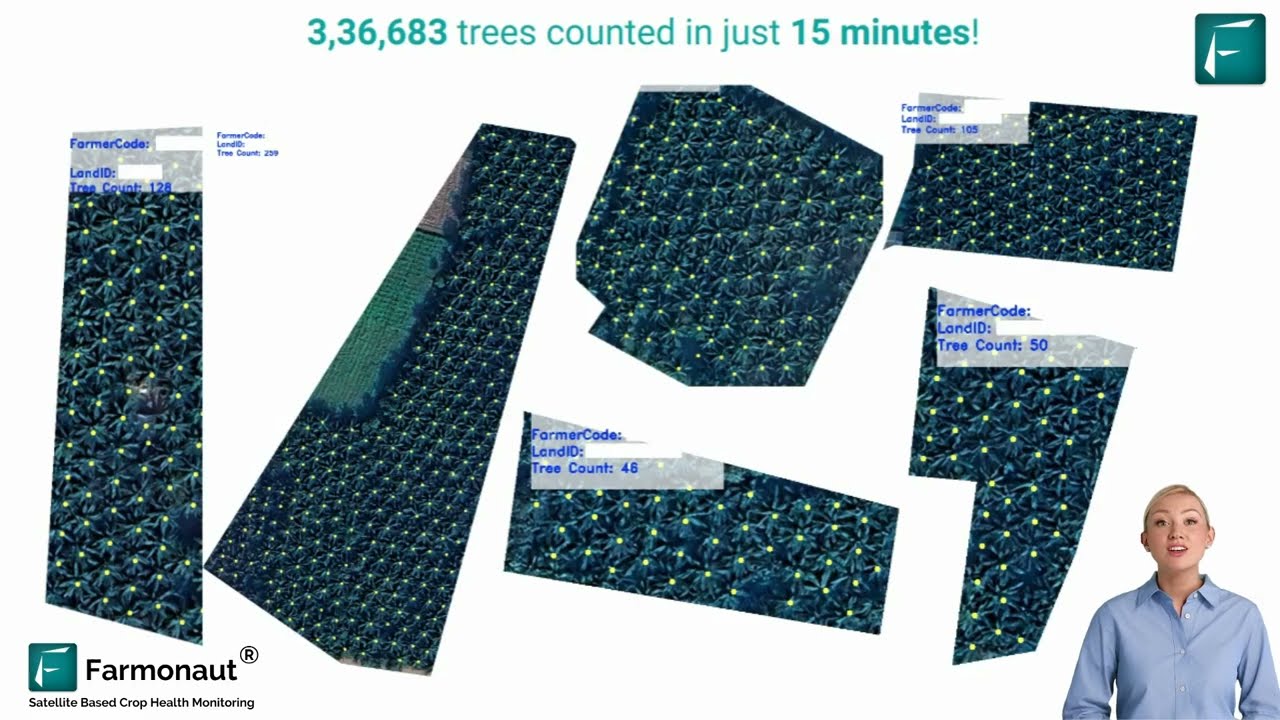
This combination of advanced imaging (drones and satellites), targeted planting, and robust monitoring enables paper mills to ensure that reforestation efforts are effective, restoring ecosystems and improving soil quality.




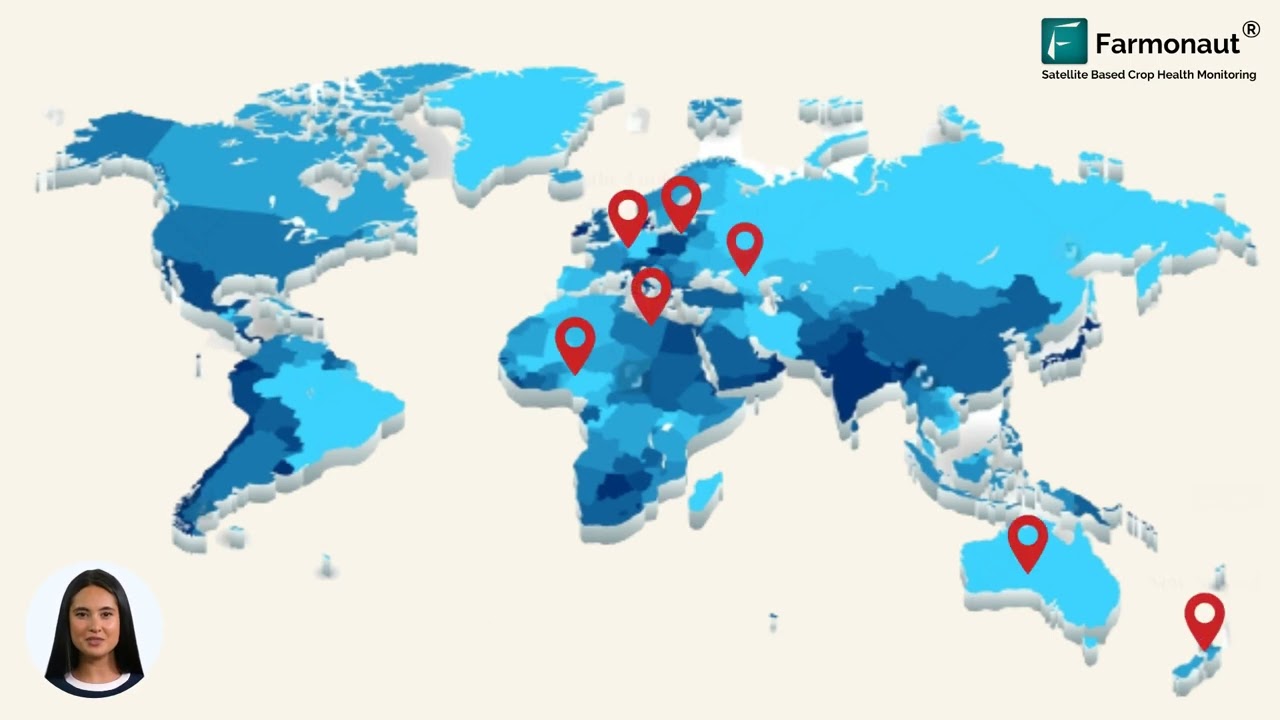
Discover more: Explore large-scale farm management and monitoring solutions to ensure integrated landscape stewardship—benefiting not only forests but also adjacent agricultural zones.
Circular Economy, Waste Minimization & Alternative Materials
Eco-friendly forest management for paper mills in 2025 cannot be separated from the circular economy. The sector’s waste minimization strategies focus on closing the loop and reducing raw resource extraction.
Some key advancements include:
- Recycling Waste Paper: Paper mills are increasingly recycling and reusing post-consumer waste, cutting reliance on virgin wood pulp and significantly reducing deforestation pressure.
- Black Liquor Utilization: Black liquor, a by-product of wood pulping, is now converted into energy—fueling mill operations and further lowering carbon footprint.
- Alternative Fiber Sourcing: Mills are investing in bamboo, hemp, and agricultural residues, which grow faster than traditional trees and provide eco-friendly raw materials.

Relatedly, Farmonaut’s carbon footprinting solutions provide businesses with real-time carbon impact tracking, enabling compliance, accountability, and optimization for emissions from the use of traditional and alternative fibers—all important for circular economy champions in the paper sector.

Biodiversity Enhancement & Ecosystem Resilience
One of the critical strategies in what’s the best eco-friendly forest management for paper mills is the preservation and enhancement of biodiversity. Diverse forests are not only more resilient but also more productive in terms of long-term wood yields and ecological services.
Companies are taking action by:
- Retaining Habitat Patches: Leaving untouched corridors or patches in production forests supports local wildlife and maintains ecological processes during harvest cycles.
- Prioritizing Native Species: Planting and regenerating native tree species rather than monocultures, thereby improving forest structure and ecosystem function.
- Collaborating with Local Experts: Incorporating indigenous knowledge for better stewardship and adaptive management.
Biodiversity enhancement not only preserves ecosystems but also future-proofs forests against climate volatility and invasive species.
Policy, Collaboration & Stringent Environmental Standards
Governments in 2025 are implementing policies (in line with global conventions) that reward the adoption of eco-friendly forest management and penalize unsustainable behaviors like illegal logging or land conversion. The development of transparent reporting frameworks further ensures that paper mills are accountable to both the public and regulatory authorities.
Effective management is supported by:
- Incentive Schemes: Tax breaks or grants for companies that demonstrate high conservation standards and invest in reforestation.
- Stringent Regulations: Stronger enforcement against illegal activities; requirements for full supply chain traceability.
- Community and Indigenous Involvement: Partnering with local stakeholders to guarantee socially and ecologically sensitive management.
- Frequent Audits and Reporting: Leveraging satellite and digital technologies for accurate, up-to-date compliance monitoring.
For enhanced transparency, Farmonaut’s environmental API enables integration of satellite-based environmental monitoring data directly into company systems, supporting real-time compliance tracking. Developers may find technical details in the API Developer Docs.
Eco-Friendly Forest Management Strategies for Paper Mills: Comparative Table
| Strategy | Definition/Description | Estimated Environmental Benefit (2025) | Key Certification/Standard | Estimated Adoption Rate (2025) | Relevance for Paper Mills |
|---|---|---|---|---|---|
| Sustainable Harvesting & RIL | Careful selection and removal of trees, minimizing ecological damage, including Reduced Impact Logging (RIL) techniques. | Up to 55% reduction in soil and water disturbance; 30% lower habitat loss | FSC Criteria 6/PEFC | ~80% (across certified mills) | Ensures resource renewal, maintains ecosystem function, reduces operational risk |
| Certification Schemes | Voluntary compliance with international benchmarks (e.g., FSC, PEFC) verifying ecological, social, and economic standards. | Special protections for 1,500+ endangered habitats; up to 95% forest legal provenance verified | FSC, PEFC Labels | 65-70% | Boosts global market access, consumer trust, legal compliance |
| Reforestation & Afforestation | Active planting of new trees within and beyond harvested areas, supported by drone & satellite monitoring. | Offsets up to 90% of harvested biomass; 40% average increase in tree cover (project areas) | FSC, National Forestry Standards | 55-60% | Restores balance, closes ecological loop, enhances long-term productivity |
| Circular Economy & Waste Minimization | Recycling, alternative fibers (bamboo, hemp), recovery and reuse of by-products, on-site energy recovery. | Up to 40% reduction in virgin wood input; 20% GHG emissions saved | ISO 14001, EU Ecolabel | 60% (recycling); 20% (alt fibers) | Lowers input costs, enhances sustainability, meets consumer eco-expectations |
| Biodiversity Enhancement | Maintaining native species, wildlife corridors, and mixed-use landscapes; involves stakeholder input. | 30-50% higher species diversity indices; lower ecosystem collapse risk | FSC Principle 6, IUCN Guidelines | 45-50% | Builds ecosystem resilience, positive PR, long-term harvest security |
Farmonaut’s Role in Eco-Friendly Forest Management
At Farmonaut, we understand that eco-friendly forest management for paper mills requires real-time visibility, actionable intelligence, and reliable resource tracking. Our mission is to make satellite-driven insights affordable and accessible—empowering mills, businesses, and governments to adopt best practices, minimize footprint, and ensure traceable sourcing.
- Satellite-Based Environmental Monitoring: Our carbon footprinting and impact monitoring services provide live feedback on emissions, land cover changes, and forest health, supporting timely intervention and transparent reporting.
- Blockchain Traceability: We leverage blockchain to guarantee the authenticity of supply chains—from certified wood sourcing to finished goods—instilling greater consumer trust.
- AI-Driven Forest Advisory: Our Jeevn AI system delivers strategic advice based on multispectral data, supporting adaptive management and optimized reforestation cycles.
- Custom API Integration: Our APIs and developer docs enable mills to bring satellite monitoring directly into their own platforms, streamlining risk management and compliance tracking.
- Advisory for Crop and Forest Plantation: Our advisory tools support precise plantation planning and monitoring—using up-to-date satellite analytics to maximize reforestation efficacy and ecosystem resilience.
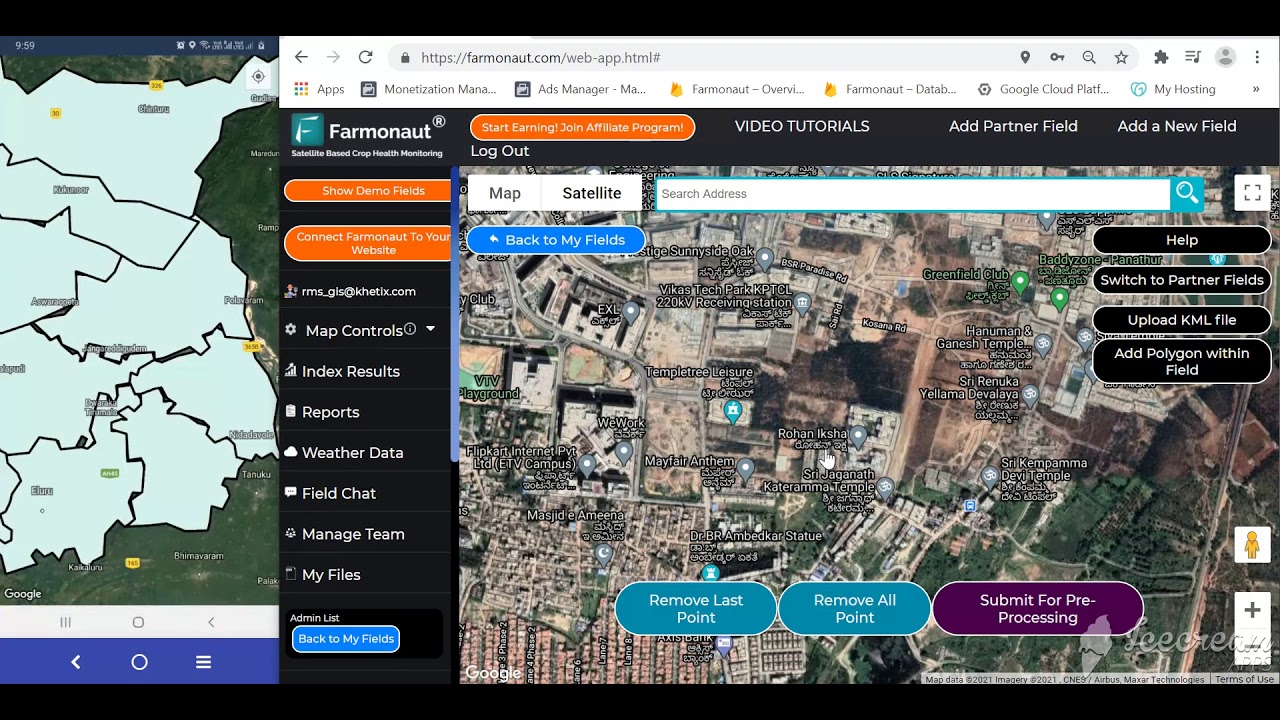
Through these comprehensive services, we at Farmonaut support the transition to eco-friendly forest management, making it possible for paper mills to thrive—both economically and ecologically—in the years ahead.
Farmonaut Subscriptions: Flexible Plans for Any Scale
Frequently Asked Questions (FAQ)
What’s the best eco-friendly forest management for paper mills in 2025?
It’s a composite strategy: sustainable harvesting (especially selective logging and reduced impact practices), active reforestation/afforestation, robust certification (FSC, PEFC), circular economy principles (recycling and alternative fibers), and biodiversity preservation. All elements combine with advanced technologies and transparent collaboration to maximize sustainability and minimize environmental impact.
How do certifications like FSC and PEFC benefit paper mills?
These programs set rigorous benchmarks for responsible forest management, protect biodiversity (including endangered habitats), and support indigenous rights. Possessing such certification improves market access, demonstrates environmental stewardship, and appeals to sustainability-conscious consumers and investors.
How has technology improved sustainable forest management?
Technologies—satellite monitoring, drone imagery, AI-driven advisory, and blockchain traceability—enable more effective resource monitoring, real-time compliance tracking, and precise management of reforestation and harvesting activities, increasing transparency and efficiency industry-wide.
What is the circular economy’s role in paper production?
The circular economy reduces reliance on virgin wood by promoting recycling, reuse, waste minimization, and energy recovery. It’s estimated that circular practices in paper mills can cut raw wood use by up to 40%—benefiting the environment and company bottom line.
How can Farmonaut help paper mills adopt eco-friendly management strategies?
We provide satellite-powered monitoring, impact analytics, and blockchain-based traceability to help companies ensure compliance, plan effective reforestation, track carbon footprint, and demonstrate sustainability leadership.
Where can I learn more or begin using Farmonaut’s solutions?
Our web, Android, and iOS Apps make advanced forest and crop monitoring instantly accessible. For API integration, see our API documentation.
Conclusion: The Green Path Forward in 2025
The eco-friendly forest management transformation in the paper mills sector is well underway in 2025, guided by a blend of historic stewardship values, scientific innovation, stakeholder engagement, and strict certification schemes. Combining selective harvesting, robust standards, active reforestation, and circular economy adoption, paper mills are charting a responsible path that can preserve forest ecosystems while supporting economic productivity.
Enabling technologies—from satellites and AI to blockchain—are democratizing access to the data and tools mills need to lead in sustainability. At Farmonaut, we remain committed to equipping industry stakeholders with practical solutions, advisory, and monitoring systems for every scale and stage of their journey to green forest management.
As global awareness rises, only those companies embracing eco-friendly management will secure their place as responsible stewards—preserving the future of forests, biodiversity, and the pulp & paper industry itself. This is the sustainable path forward for 2025 and for decades to come.

 BayWa
BayWa Azure Clouds
 MCSOD
MCSOD Marei Nursery
 eKGIS
eKGIS Mostas Tech
 Native Seeds
 Andex
Andex FCF India
 Unifrutti Gulf
 Deluxe Conseil
 TVS Electronics
 WICO
WICO Chimera Innovation
 SkyHarvest
