

Best Herbicide for Clover, Clover Cover Crop Guide 2025
Meta Description: Discover the best herbicide for clover cover crop in 2025. Explore sustainable weed management, soil health, and effective control methods. Learn more for eco-friendly, productive farming!
“Clover cover crops can reduce soil erosion by up to 90%, enhancing sustainability in 2025 agriculture.”
Why Focus on Best Herbicide for Clover, Clover Cover Crop in 2025?
Clover, especially Trifolium species like red clover (Trifolium pratense) and white clover (Trifolium repens), continues to play an essential, leguminous role in modern sustainable agriculture systems. As we accelerate into 2025 and beyond, the importance of sustainable weed management and soil health in farming systems is more critical than ever. Selecting the best herbicide for clover—both as a cover crop and as a potential weed—requires a deep understanding of soil, crop rotation, agronomic practices, and ecological impact.
This guide is designed to give farmers, agronomists, and environmental stewards a comprehensive, up-to-date resource on choosing, using, and managing the best herbicide for clover, clover cover crop. We’ll explore sustainable practices, new advances, and integrated solutions—so you can maximize soil health, yields, and long-term farm productivity.




The Importance of Clover as a Cover Crop in Modern Agriculture
Clover remains a vital component in sustainable farming systems. As a cover crop, clover offers core agronomic benefits, which are becoming even more important for soil health, resilience, and sustainability in 2025 and beyond. Here’s why:
- Nitrogen Fixation: Trifolium species enter a symbiotic relationship with Rhizobium bacteria, which fixes atmospheric nitrogen directly into the soil, drastically reducing dependency on synthetic fertilizers.
- Soil Health & Organic Matter: Clover enhances organic matter content, supports microbial activity, and improves overall soil structure and texture—promoting better drainage and root development for subsequent crops.
- Weed Suppression: Its dense stands outcompete many broadleaf and grassy weeds by limiting sunlight and nutrient access—naturally reducing chemical needs for weed control.
- Erosion Control: Clover’s root systems help stabilize soil**, preventing erosion especially during fallow periods, post-harvest, or in off-season conditions.
- Moisture Retention: A healthy clover cover crop helps retain soil moisture, making soil and subsequent crops more resilient to drought and heat stress.
- Biodiversity & Soil Fertility: By supporting microbial diversity and life cycles, clover reduces pest populations and enhances soil fertility for long-term productivity.
In summary, clover cover crops provide a suite of multiple agronomic, environmental, and economic benefits—from nitrogen fixation and erosion reduction to weed suppression and organic matter enrichment.
“Over 70% of 2025 herbicide recommendations prioritize environmental safety and soil health for clover cover crops.”
Sustainable Weed Management & Soil Health with Clover Cover Crops
Weed management in clover cover crop systems must strike a sustainable, ecological balance between efficacy, selectivity, and environmental safety. Modern agriculture in 2025 emphasizes integrated, data-driven, and site-specific solutions—combining mechanical and biological practices with selective herbicide use when necessary.
- Selective Herbicide Use: Targeted herbicides help control overly competitive or unwanted clover in cereal, vegetable, or grass farm systems—without harming soil health or non-target species.
- Integrated Management: Combining crop rotation, cover crop mixes, tailored herbicide applications, mechanical control, and precision technology optimizes weed suppression and reduces risk of resistance.
- Soil Health Impact: Priority is given to sustainable weed management practices, limiting negative impact on microbial activity, organic matter, and soil ecology.
- Advances in Technology: New digital and satellite-based systems (like those offered by Farmonaut) advance the tracking and optimization of herbicide use, cover crop growth, and eco-efficiency.

The best herbicide for clover, clover cover crop programs focus on the right balance of weed control and maintaining soil health, choosing wisely among modern broadleaf and selective products.
Herbicide Comparison Table for Clover Cover Crop in 2025
| Herbicide Name | Active Ingredient | Weed Control Effectiveness (%) |
Impact on Soil Health | Environmental Sustainability (Eco-rating) |
Application Timing | Estimated Cost per Acre (USD) |
|---|---|---|---|---|---|---|
| 2,4-D | 2,4-Dichlorophenoxyacetic acid | 85–95 | Moderate | Medium | Post-emergence | $12–$18 |
| MCPA | 2-methyl-4-chlorophenoxyacetic acid | 85–92 | Medium to Low | Medium | Post-emergence | $10–$16 |
| Dicamba | 3,6-dichloro-2-methoxybenzoic acid | 87–93 | Low | Low to Medium | Post-emergence | $14–$19 |
| Fluroxypyr | Fluroxypyr-meptyl | 90–97 | High | High | Post-emergence | $15–$22 |
| Bioherbicides (Experimental 2025+) |
Microbial or Botanical Extracts | 70–80 | Very High | Very High | Pre/Post-emergence | $18–$25 |
*Eco-rating based on current 2025 environmental assessments.

Best Herbicides for Clover Control: 2025 Perspective
Modern herbicide programs in 2025 prioritize soil health, sustainability, and crop safety, while maintaining effective clover and broadleaf weed control. Here’s a closer look at the main herbicides for clover cover crop management and their key attributes:
-
2,4-D (2,4-Dichlorophenoxyacetic Acid)
- Widely used for post-emergence clover control in cereal and grass crops.
- Fast-acting and effective against most Trifolium species.
- Minimal long-term soil impact when applied correctly, but always monitor for possible drift and leaching.
-
MCPA (2-methyl-4-chlorophenoxyacetic Acid)
- Preferred for selective weed management in cereals, mixed cover systems, and rotations.
- Offers similar selectivity as 2,4-D, with reduced risk for sensitive non-target plantings.
- Maintains soil health and broadleaf suppression without major impact on beneficial microbes.
-
Dicamba
- Offers strong post-emergence control for insensitive broadleaf and clover populations.
- Application must be very precise to avoid off-target injury to adjacent crops, especially vegetables and legumes.
- Noted for possible negative effects on soil communities if misapplied.
-
Fluroxypyr
- Modern, highly selective—excellent in pasture, grassland, and sensitive crop/cover systems.
- Tends to have minimal impact on soil health and little residual carryover.
- Eco-preferred due to relatively rapid soil degradation.
-
Bioherbicides (Experimental/2025+)
- Microbial or plant-derived extracts offering suppression of clover and other broadleaf weeds with the lowest environmental risk.
- Buds well for future rotations where synthetic herbicide resistance or residue avoidance is paramount.
- Adoption in 2025 is rising among progressive sustainable farms, especially in organic and regenerative systems.
Integrated Clover & Weed Management Practices
The best herbicide for clover, clover cover crop strategies are never about chemicals alone. 2025’s approach is to integrate multiple tools and practices for sustainability, yield, and soil health:
- Crop Rotation: Rotating clover with non-legume main crops and cereals (wheat, corn, barley, etc.) breaks weed/pest cycles and allows diverse herbicide modes of action across seasons.
- Mechanical Practices: Tillage and mowing can reduce clover density and weed seed bank, though best used as part of an integrated plan.
- Cover Crop Mixes: Blending clover with other competitive, fast-growing cover species (like ryegrass or vetch) can outcompete many weeds and reduce reliance on herbicides.
- Precision Application: New tools—Farmonaut’s fleet management solution helps farm businesses to optimize their spray operations for time, safety, and input efficiency, ideal for spot treating problem areas in a large-scale clover cover system.
- Biological Controls: Where possible, encourage the natural balance of weed predators, pathogens, and plant competition to keep clover weed populations in check.

Effective Herbicide Application Timing and Techniques
Success with the best herbicide for clover, clover cover crop is not just about what herbicide you use, but when and how you apply it. Proper timing and method of application are essential for:
- Maximizing Control: Most herbicides (especially 2,4-D, MCPA, Dicamba, Fluroxypyr) work best at early post-emergence stages—when broadleaf clover is smaller and more susceptible.
- Protecting Soil Health: Applying herbicides under favorable weather (low wind, moderate temperatures) helps minimize volatilization, drift, and off-target movement, which can harm soil microbes and adjacent non-target crops.
- Enhancing Environmental Safety: Always monitor buffer zones around waterways to avoid runoff.
- Rotation Planning: Where clover is used as a planned cover, use burn-down herbicides just before main crop planting—timed with sufficient pre-plant interval to avoid damaging emerging seedlings.
- Reducing Resistance: Rotate herbicide modes of action from season to season and use tank mixes or premixes where appropriate to prevent the rise of resistant clover populations.

Pre- and Post-Emergence Application Tips
- Pre-Emergence herbicides (rarely used on clover but relevant for certain systems): Aim to control weeds before clover or main crop emergence—mind product selectivity.
- Post-Emergence (most common for clover): Apply after clover has emerged and is actively growing. Follow up with a monitoring program (such as Farmonaut Agro Admin App) to check results and spot-treat persistent areas.

Precision Agriculture: Smart Solutions for Clover Control
New technologies in 2025 make management of clover cover crops more precise, efficient, and sustainable than ever:
- Satellite Monitoring: Our Farmonaut platform makes it possible to monitor vegetation health, soil moisture, and clover development remotely, using multispectral imagery, NDVI, and AI analytics.
- AI-Based Advisory: With real-time recommendations, we help users track weed emergence, optimize application timing, and enhance resource use from any device—web, Android, or iOS.
- Blockchain Traceability: Our product traceability solutions bring confidence to supply chains by verifying eco-friendly herbicide applications and sustainable clover cover management.
- Fleet Management Integration: Use our fleet management app to coordinate machinery for spraying, mowing, or mechanical weed control—saving fuel, time, and reducing soil compaction.
- API for Developers: Build your own smart farming applications or integrate them with satellite-based datasets using our API and comprehensive developer docs. This keeps your clover cover crop management at the leading edge.

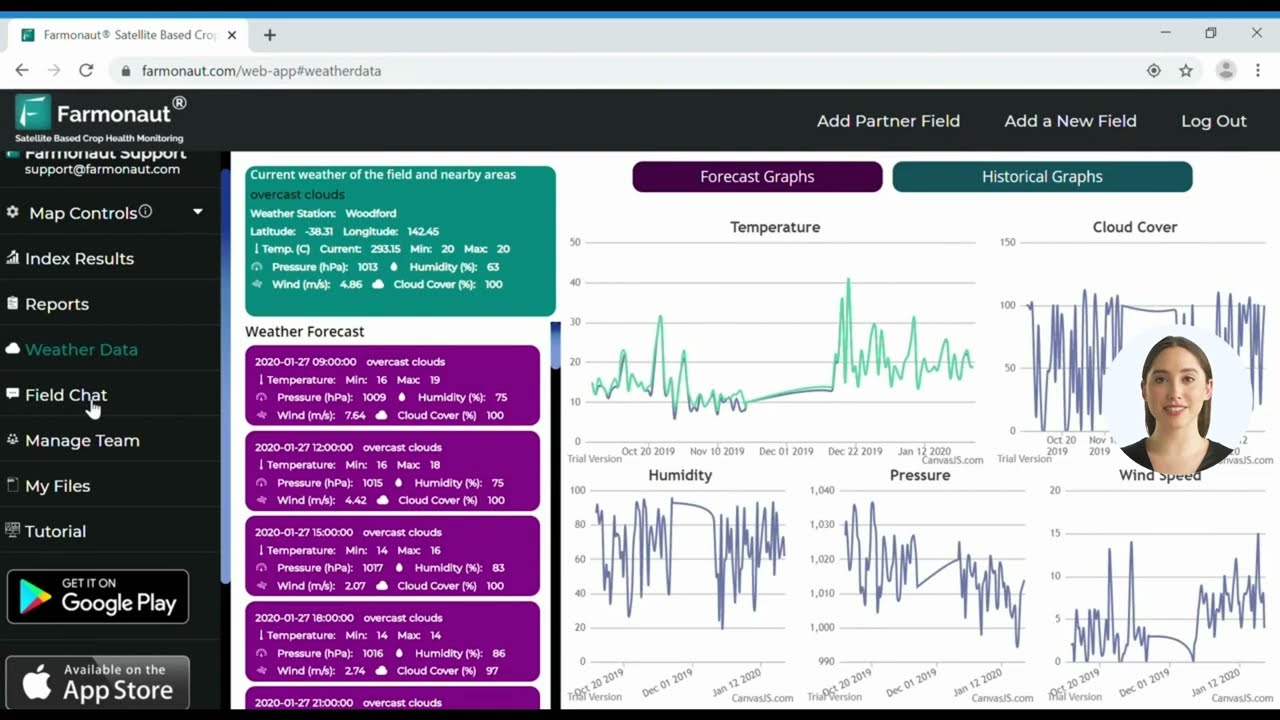
Our Farmonaut Perspective: Satellite Insights for Sustainable Weed Management
As a satellite technology company, we recognize that effective herbicide use and clover cover crop management in 2025 is deeply data-driven. Our advanced satellite imagery, analytics, and AI tools put real-time field insight into the hands of farm operators, helping to:
- Monitor clover growth stages and weed pressure at plot, regional, or national scale in real-time.
- Optimize timing and rates of herbicide applications for maximum effect and minimum waste or risk.
- Support environmental compliance and reporting with digital records for every application, protecting your business and ecosystem.
- Track the carbon, biodiversity, and soil health impact of your choosing cover crops and herbicides.
- Empower seamless planning of crop rotation, cover practices, and remediation for long-term sustainability and yield.
With our affordable, scalable solutions, users can make every decision—herbicide, mechanical, or cultural—smarter, greener, and more profitable.
Frequently Asked Questions
What is the best herbicide for clover in cereal crop rotations in 2025?
For most cereal systems in 2025, 2,4-D and MCPA remain the top choices. Their selectivity, cost, and minimal impact on soil health make them preferred for suppressing clover in cereals. Always follow label recommendations for your crop and rotation plan.
Does clover as a cover crop make my soil healthier in the long term?
Yes, clover cover crops improve soil fertility, structure, organic matter content, and support beneficial microbial activity. This not only aids immediate crop yields but strengthens your farm systems for long-term productivity and resilience.
How can I ensure environmental safety when using herbicides on clover?
Choose selective herbicides, apply during favorable weather, observe buffer zones near water sources, and always follow integrated weed management practices. Use satellite or digital platforms to plan and track safe herbicide use and environmental impact in real time. Growers worried about drift can read up on herbicide damage to crops from common broadleaf products.
Can bioherbicides really control clover in cover crop programs by 2025?
Bioherbicides are gaining ground in 2025 for fields prioritizing organic or regenerative management. Their effectiveness is still slightly below synthetic options but their environmental and soil benefits are unmatched for long-term sustainability.
How does Farmonaut help with clover cover crop management?
We help farmers monitor clover establishment, detect weed pressure, plan and track herbicide/application events, track soil and vegetation health, and digitally report for compliance—all through affordable and accessible satellite, AI and app-based tools.
Will herbicide use harm my subsequent vegetable or cash crops?
Correct herbicide selection and application timing are key. Always consult the product label, watch pre-plant intervals, and, when in doubt, use our large-scale farm management tools to track application and rotation safety.
Are there affordable monitoring tools for small or medium farms?
Absolutely! Our pricing model provides scalable solutions for farms of all sizes, from individual growers to large operations, accessible via web, mobile, and API interfaces.
Conclusion: Balancing Productivity, Soil Health & Sustainability in 2025
In 2025 and beyond, successfully managing clover cover crops requires a holistic approach that combines the best herbicide for clover with modern agronomic practices, precision agriculture, sustainable soil health strategies, and a deep respect for ecological integrity.
- Selective herbicides like 2,4-D, MCPA, Dicamba, and Fluroxypyr remain key tools for efficient clover and weed management—even as bioherbicide adoption grows.
- Using herbicides responsibly—at the right time, place, and in the right way—protects not only your main crops and yields but long-term soil health and environmental sustainability.
- Integrated management, crop rotation, and digital precision tools from Farmonaut allow you to optimize every acre for profit and stewardship.
Clover is and remains a cornerstone for healthy, resilient, and productive soils. Leveraging science-based weed management and next-gen technologies, we can face the challenges of modern agriculture and thrive sustainably in 2025 and beyond.
Farmonaut Subscription Plans: Affordable Satellite & AI Solutions
Ready to make informed, sustainable decisions about your clover cover crops, herbicide use, and farm management? Explore our subscription options to bring real-time, scalable satellite insights and AI-powered advisory directly to your fields.
Flexible pricing for farms, businesses, and governments—satellite monitoring made accessible.
Discussion
Questions, corrections or field experience? Share them below. First-time comments are reviewed before they appear, and your email is never published.
No comments yet. Be the first to add a question or your experience.

 FFBS
FFBS Jontra
 Yaduka Agrotech
 Kalustyan
 Tucor
Tucor Geno
Geno Hayleys Agriculture
 Linx Agritech
 Adinet
 Save Your Soils
 Grandstream Algérie
 XOS Realty
 Geospatial Lab Africa
 Agro La Gándara
 HIPSAC
 ZOL Zimbabwe
 Juligerm
 Licence holder · Niger · Gold










