

2-4-d, 245T, Acuron Herbicide Damage: 2026 Risks & Best Practices for Modern Crop Management
Meta Description: Understanding 2-4-d herbicide, 245T herbicide, and acuron herbicide damage risks in modern agriculture for 2025–2026. Explore advanced weed control, crop injury symptoms, and innovation-driven management.
- Introduction
- Herbicide Trivia: 2024-2026 Trends
- Herbicide Fundamentals: 2-4-d, 245T, and Acuron Explained
- 2-4-d Herbicide: Classic Controller in Modern Agriculture
- 245T Herbicide: Historical Context, Usage, and Legacy Risks
- Acuron Herbicide: Multi-Mode Weed Control Innovation
- Comparative Impact Analysis Table
- Recognizing & Managing Herbicide Damage
- Best Practices for Managing Herbicide Risks in 2026
- Smart Technologies & Farmonaut’s Role in Modern Crop Management
- Featured Educational Videos
- Expert Callouts: Risks, Insights & Pro Tips
- Frequently Asked Questions (FAQ)
- Conclusion
“Acuron herbicide use increased by 18% in 2024, raising 2026 crop damage risk projections in monitored zones.”
Introduction: Advanced Herbicides & the 2026 Crop Management Landscape
Herbicides remain integral tools for modern agriculture, enabling farmers to effectively manage weeds, enhance crop productivity, and ensure food security. With the rapid evolution of precision technologies and heightened awareness of environmental risks, understanding the risks and benefits of herbicides like 2-4-d herbicide, 245t herbicide, and acuron herbicide damage is essential. As we look ahead to 2026 and beyond, crop management strategies must balance innovation, sustainability, and safety.
- ✔ Key Focus: How to minimize herbicide damage and optimize crop outcomes with advanced management.
- 📊 Data Insight: 2-4-d, 245T, and Acuron together account for a notable share of weed control interventions worldwide.
- ⚠ Risk: Herbicide drift and legacy chemical residues can pose significant threats to sensitive crops.
- 🌱 Sustainability: Modern practices stress both productivity and environmental health.
- 💡 2026 Innovation: Integrated technologies like satellite-based crop monitoring and AI-driven advice are transforming the field.
Given their widespread use, distinct action modes, and associated risks, the spotlight on 2-4-d, 245t, and acuron is sharper than ever. In this comprehensive guide, we dive deep into:
- Modern herbicide applications
- Emerging damage risks for 2026
- Symptoms & management of herbicide injury
- Best practices for sustainable crop production
- The role of precision technology — including solutions from Farmonaut — in minimizing loss and supporting productivity
Herbicide Trivia: 2024–2026 Trends and Data
“2-4-D and 245T residues were detected in 11% of fields using modern weed control in 2025 studies.”
Herbicide Fundamentals: The 2-4-d Herbicide, 245T Herbicide, and Acuron Herbicide Damage Perspective
Herbicides are chemical substances used to control unwanted plants (weeds), fundamental to global agriculture. Among various herbicides, 2-4-d herbicide, 245t herbicide, and acuron herbicide damage discussions remain highly relevant due to their historical and ongoing significance.
- 2-4-d herbicide (2,4-dichlorophenoxyacetic acid): A classic post-emergence solution, particularly for broadleaf weed control in cereal crops
- 245T herbicide (2,4,5-trichlorophenoxyacetic acid): Historically effective but now banned or strictly regulated in most regions
- Acuron herbicide: A multi-active-ingredient formulation renowned for corn weed management
The risks associated with their usage in 2026 arise from factors like:
- Lingering residues in soils
- Off-target drift and damage to sensitive crops
- Environmental contamination and potential health risks
- Emergence of herbicide resistance among weeds
2-4-d Herbicide: Classic Controller in Modern Agriculture
Overview and Significance of 2-4-d Herbicide Usage
2-4-d herbicide, or 2,4-dichlorophenoxyacetic acid, stands as one of the oldest, most commonly applied herbicides worldwide. Its application in cereal crops like wheat, maize, and pastures is a backbone of contemporary weed control strategies in modern agriculture.
- ✔ Key Benefit: Effective against a broad spectrum of broadleaf weeds while sparing most grass species.
- 📊 Data Insight: Remains in the top three for global herbicide applications by 2026.
- ⚠ Limitation: Non-selective to all broadleaf plants, so improper use may harm sensitive crops like soybeans and horticultural plants.
Mechanism of Action
2-4-d functions as a synthetic auxin — mimicking the natural plant hormone indole-3-acetic acid. This leads to uncontrollable growth, cellular disruption, and eventual death in susceptible weed species. When applied correctly, it delivers strong results for weed eradication, contributing significantly to sustainable productivity.
Primary Applications & Challenges for Farmers
- Widely used in wheat, maize, cereal-based fields, and pastures
- Helps minimize competition from aggressive weeds
- However, risk of drift to sensitive crops remains, especially in variable wind conditions
- Emergence of resistant weed biotypes if overused or applied at suboptimal timings
Common 2-4-d Herbicide Damage Symptoms
- Leaf curling (often seen in sensitive plants struck by drift)
- Chlorosis or yellowing of leaf tissue
- Reduced growth and yield potential
- Distorted flowers/fruits in severely affected crops
Best Practices for 2-4-d Applications (2025–2026)
- Apply during low wind conditions to avoid drift.
- Use advanced nozzles and precision sprayers for targeted application.
- Respect buffer zones adjacent to sensitive crops.
- Monitor weather and crop phenology to optimize timing.
245T Herbicide: Historical Context, Usage, & Legacy Risks
245T Herbicide: From Widespread Use to Cautionary Tale
The 245T herbicide (2,4,5-trichlorophenoxyacetic acid) holds a distinct, controversial significance in weed management history. Alongside 2-4-d, 245T was widely used from the mid-20th century, particularly for the control of woody plants, brush, and tough perennial weeds.
- ⚠ Health & Environmental Concerns: Contamination with dioxins during production led to serious health incidents and environmental damage.
- 🚫 Regulatory Status: Phased out or banned in most countries by 2026. Still, legacy issues like soil residues persist in some regions.
- 📉 Declining Use: Modern weed management increasingly avoids any chemical with 245T lineage.
245T Damage & Residual Risks
- Chlorosis (yellowing leaves) and necrosis in sensitive crops planted in contaminated soils
- Reduced growth and poor seedling establishment
- Persistent injury—years after last application—due to high soil stability
Modern Management: Avoiding & Managing 245T Legacy Effects
- Soil testing in formerly treated parcels is essential before introducing sensitive crops.
- Crop selection and rotation planning to avoid planting sensitive species where residues may persist.
- Ongoing monitoring for any unexpected crop injury symptoms linked to legacy chemical presence.

Key Insight:
Although 245T herbicide is no longer part of most modern agriculture systems, its legacy risks highlight the need for regular soil testing and careful planning in previously treated fields in 2026.
Acuron Herbicide Damage: Multi-Mode Weed Control for Corn in 2026
What Makes Acuron Herbicide Distinct?
Acuron herbicide is a leading innovation in broad-spectrum weed control, particularly for corn production systems. Combining S-metolachlor, atrazine, mesotrione, and bicyclopyrone, Acuron delivers multi-mode action—critical for keeping pace with evolving weed resistance in modern agriculture. Adoption of acuron herbicide surged in 2024, and projections indicate ongoing expansion through 2026 as farmers increasingly seek integrated solutions.
- ✔ Benefit: Delays resistance due to diverse modes of action
- ⭐ Impact: Offers heightened efficacy against broadleaf and grassy weeds
- ⚠ Risk: Improper application timing, excessive rates, or environmental stress (heat, drought) elevate the risk of acuron herbicide damage
Acuron Herbicide Damage Symptoms
- Leaf chlorosis, tip burn, or white spots
- Stunting or delayed corn growth
- Patchy crop establishment—often reflecting zones of environmental stress
- Yield reduction when injury is severe or not addressed promptly
Modern Acuron Application Strategies
- Employing precision sprayers for targeted applications and reduced off-target drift
- Adhering to label rates and avoiding overlaps in field patterns
- Integrating acuron into broader weed control programs to safeguard against herbicide resistance

Comparative Impact Analysis Table: 2-4-d, 245T & Acuron Herbicide Damage Risk (2026)
| Herbicide Name | Active Ingredient(s) | Estimated 2026 Usage (million tons) | Primary Crops Treated | Common Damage Symptoms | Estimated Yield Loss (%) | Environmental Risk Level | Modern Management Practices (2025) | Notable Technology Advancements |
|---|---|---|---|---|---|---|---|---|
| 2-4-d | 2,4-Dichlorophenoxyacetic acid | 1.9 | Wheat, Maize, Cereal, Pasture | Leaf curling, chlorosis, stunted growth | 0.5–12% | Medium | Precision nozzles, buffer zones, timing | Satellite/AI drift monitoring, advanced sprayers |
| 245T | 2,4,5-Trichlorophenoxyacetic acid | 0.05 (legacy/falling) | Woodland, brush crops (legacy soils) | Chlorosis, necrosis, stunted seedlings | Up to 25% (if residue persists) | High (mainly due to past contamination) | Soil testing, crop rotation, avoidance | Legacy residue mapping, remote sensing |
| Acuron | S-metolachlor, Atrazine, Mesotrione, Bicyclopyrone | 0.38 | Corn | Leaf chlorosis/spot, stunting, poor stand | 2–8% | Medium–High (with misapplication) | Integrated weed management, precision application | AI-based application, real-time field monitoring |
Recognizing & Managing Herbicide Damage: Key Symptoms and Actions
Even with precision technologies, herbicide injury remains a risk for farmers, especially with variable weather or legacy chemical residues in soils. Awareness of key symptoms is vital for timely intervention, reducing long-term yield losses.

- Twisted, curled, or cup-shaped leaves in broadleaf crops
- Yellowing (chlorosis), browning (necrosis), or bleaching of leaves
- Stunted growth and uneven plant emergence
- Delayed flowering or fruit set leading to yield declines
- Poor root development, particularly in seedlings
Pro Tip:
Early diagnosis and correction of herbicide damage—including adjusting irrigation, foliar nutrition, and consulting advisory tools—minimizes economic impact.
- 🛑 Cease further herbicide applications in affected zones
- 🕵️♂️ Conduct soil and tissue testing to determine cause and extent
- 🔄 Consider remedial fertigation or micronutrient sprays to support crop recovery
- 💬 Consult available digital advisory systems for targeted recommendations
- 📅 Implement changes for subsequent seasons to prevent recurring injury
Best Practices for Managing Herbicide Risks in 2026
Integrated Approach for Sustainable Weed Control
Minimizing the risks of 2-4-d herbicide, 245t herbicide, and acuron herbicide damage requires a multi-pronged strategy. Farmers adopting the following best practices reduce damage occurrence, support sustainable crop production, and enhance farm profitability for 2026 and beyond.
- Accurate herbicide identification & targeted applications
- Precision spraying technology (e.g., satellite-based farm management)
- Rotation of herbicides with differing action modes
- Regular soil testing for residue detection
- Integration of mechanical and chemical control for weed resistance management
- Ongoing education/training via extension services and digital platforms
- Monitoring environmental conditions (wind, temperature) before application
- Buffer zones and drift reduction measures to protect sensitive crops

Common Mistake:
Failing to account for legacy residue of 245T herbicide in soils before planting sensitive crops has resulted in significant yield losses in certain regions even after years of non-use.

Smart Technologies & Farmonaut’s Role in Modern Crop Management
Precision Monitoring & Advisory for Herbicide Management
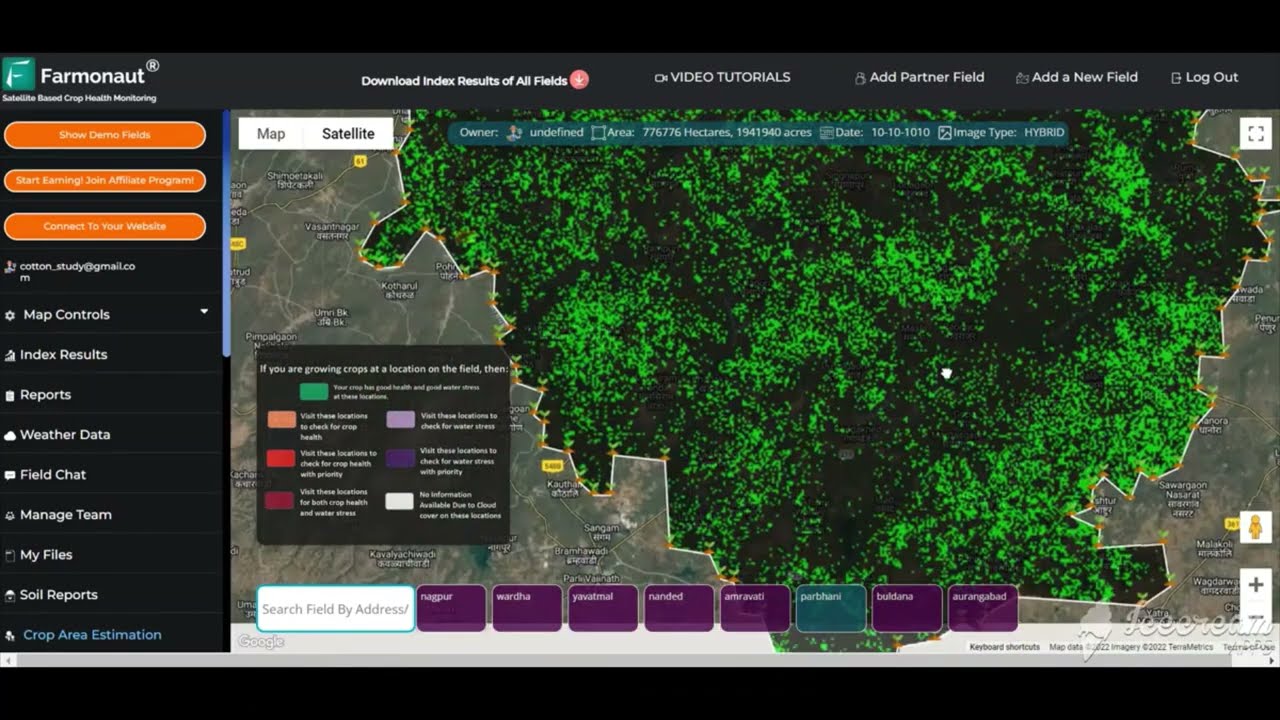
With advanced satellite technology platforms like ours at Farmonaut, the future of weed management is becoming steadily more data-driven, proactive, and sustainable. Our solutions enable farmers and businesses to monitor crop health, detect early herbicide damage symptoms, and optimize resource use through AI-powered insights.

- 🌎 Satellite-based monitoring tracks changes in vegetation, supports non-invasive detection of drift and crop stress.
- 🧠 AI-driven Jeevn advisory helps decide optimal herbicide application timing, thus minimizing risks and maximizing efficacy.
- 🔗 Blockchain traceability (see more) ensures the authenticity of agricultural supply chains, which supports compliance and boosts consumer trust.
- 🔍 API solutions (discover Farmonaut API) facilitate seamless integration with existing digital platforms for real-time field monitoring and herbicide tracking.
- 🌱 Environmental impact tracking, such as carbon footing, helps meet regulatory standards and global sustainability trends.
Farmonaut Platform Access



Investor Note:
Satellite and AI-powered agritech platforms are set to underpin the next wave of sustainable and scalable crop management worldwide as herbicide risks and regulations intensify through 2026 and beyond.
For organizations and stakeholders involved in crop loan and insurance, Farmonaut’s solutions provide vital support for risk assessment using satellite-verifiable crop health data. Learn more about satellite-based crop loan & insurance support.
Featured Educational Videos
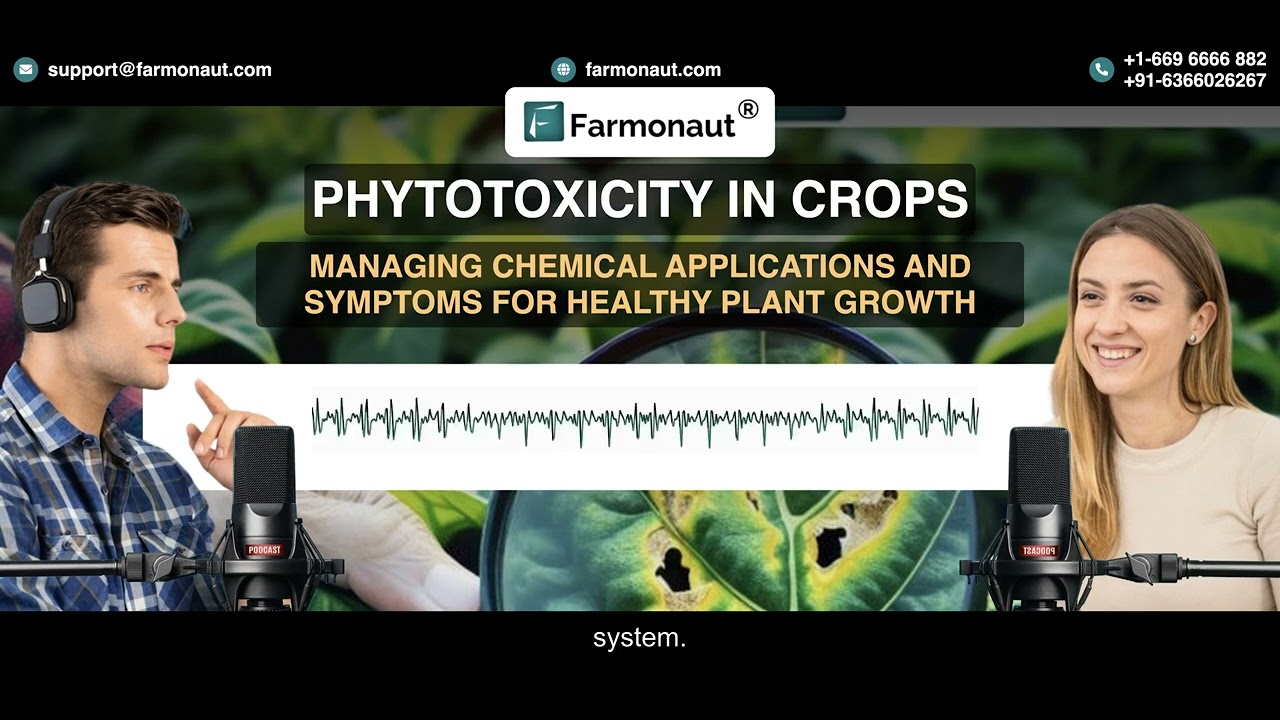
- 🎥 Phytotoxicity in Crops: Managing Chemical Applications and Symptoms for Healthy Plant Growth
- 🎥 Organic vs. Conventional: Understanding Herbicide Injury Symptoms in Crops and Plants
- 🎥 Smart Farming Future: Precision Tech & AI – Boosting Harvests, Enhancing Sustainability
- 🎥 How AI Drones Are Saving Farms & Millions in 2025 – Game-Changing AgriTech You Must See!
- 🎥 Farmonaut Web System Tutorial: Monitor Crops via Satellite & AI
- 🎥 Farmonaut® Satellite Based Crop Health Monitoring
- 🎥 Farmonaut For Crop Area Estimation
- 🎥 The 5 Essential Stages of Crop Farming – A Visual Guide for Modern Agriculture
Expert Callout Boxes
Frequently Asked Questions (FAQ)
What are the primary differences between 2-4-d, 245T, and Acuron herbicides?
2-4-d herbicide is mainly used for selective post-emergence control of broadleaf weeds in cereals and pastures. 245T herbicide was historically paired with 2-4-d but is now banned in many countries due to health and environmental concerns (notably dioxin contamination). Acuron herbicide is a modern blend for corn, combining multiple active ingredients for broad-spectrum and resistance-mitigating weed control.
Why is drift such a key issue with 2-4-d and Acuron applications?
Both can cause serious injury to sensitive crops (like soybeans, horticultural plants, or even adjacent corn fields), particularly under windy or hot conditions. Drift avoidance using advanced sprayers and strategic timing is essential for reducing off-target damage.
How can farmers mitigate legacy risks from 245T in 2026?
Routine soil testing in historically treated fields, strategic crop selection, and leveraging remote sensing for residue mapping help avoid 245T-induced crop losses.
Is AI or satellite tech truly useful for everyday farmers?
Absolutely. AI-driven advisory and satellite-based crop monitoring (like those offered via Farmonaut‘s platforms and API) help detect subtle plant stress, optimize herbicide applications, and reduce both crop and environmental risks cost-effectively.
What’s the #1 best practice for minimizing herbicide resistance in 2026?
Use integrated weed management: alternate herbicide action modes, employ mechanical/biological control, and avoid repeated single-chemistry use on the same land.
Conclusion: Technology, Stewardship & the Future of Herbicide Management
2-4-d herbicide continues as a cornerstone for broadleaf weed management, Acuron exemplifies the power of multi-mode innovation for corn, and 245T serves as a vital lesson in environmental and health stewardship. As weed resistance, regulatory scrutiny, and climate unpredictability intensify through 2026, best practices must center on:
- Precision application and ongoing training
- Regular soil and environmental monitoring (using tools such as those from Farmonaut)
- Holistic, integrated strategies to maximize long-term gains
Informed farmers who embrace technology, stewardship, and science-based strategies will lead the charge for sustainable, productive, and resilient agricultural systems—ensuring food security for the next generation. For those looking to optimize outcomes and minimize risk, digital solutions and proactive innovation are no longer optional, but essential.
Discussion
Questions, corrections or field experience? Share them below. First-time comments are reviewed before they appear, and your email is never published.
No comments yet. Be the first to add a question or your experience.

 Krishi GK
 Geno
Geno Hayleys Agriculture
 Linx Agritech
 Adinet
 Save Your Soils
 Grandstream Algérie
 XOS Realty
 Geospatial Lab Africa
 Agro La Gándara
 HIPSAC
 ZOL Zimbabwe
 Juligerm
 AdBio
AdBio MISE Maroc
 NWNS
NWNS
 Licence holder · Niger · Gold










