

Reviewed September 2026 against Purdue University/USDA employment forecasts, USDA Economic Research Service, and U.S. Bureau of Labor Statistics data via farmdoc daily.
Try it: Run your own numbers →
A bachelor’s degree in sustainable agriculture qualifies you for roles across four broad categories: farm and land management, consulting and extension, conservation and restoration, and technical/precision agriculture. Purdue University and the USDA jointly forecast 104,766 annual job openings in food, agriculture, renewable natural resources, and environment (FARNRE) fields for 2025-2030 — but only 31,302 agriculture degrees were awarded across the U.S. in 2024, according to the National Center for Education Statistics. That gap between openings and graduates is the real story behind “what can you do with an agriculture degree,” and it is why online sustainable agriculture programs have expanded as a way to fill it.
This article covers the job categories, salary ranges, degree pathways, and what “sustainable agriculture degree jobs” actually pay and require in the United States — plus where to find an accredited online course if you’re evaluating one.
Table of Contents
- Job Outlook: How Many Openings Actually Exist
- What Can You Do With an Agriculture Degree
- Pathways & Key Job Areas
- Comparative Table: Roles, Pay, and Requirements
- Skills Employers Actually Screen For
- Sectors With Strong Alignment
- Choosing an Online Sustainable Agriculture Class or Degree
- Calculator: Is the Degree Worth the Cost For You
- Tools Sustainable Agriculture Professionals Use Daily
- Where Farmonaut Fits
- Frequently Asked Questions
- Conclusion & Next Steps
- Try it: Run your own numbers



Job Outlook: How Many Openings Actually Exist
Start with the numbers most articles on this topic skip. The Purdue University/USDA employment forecast projects 104,766 annual openings across food, agriculture, renewable natural resources, and environment occupations for the 2025-2030 period. That total breaks down by field: 42,855 openings in business and management roles (farm managers, sustainability coordinators, agribusiness administrators) and 22,298 openings in science and engineering roles (soil scientists, agroecologists, precision agriculture engineers) over the same five-year window.
Against that demand, only 31,302 agriculture degrees were conferred in the U.S. in 2024, per the National Center for Education Statistics, as reported by DataUSA. Even if every one of those graduates entered a FARNRE-eligible role immediately, supply would cover roughly 30% of a single year’s share of the five-year opening count. That undersupply is a big part of why online completion programs — designed for working adults who want to move into these roles without leaving a job — have grown as a credential pathway rather than a niche option.
On-farm employment itself is a smaller, separate number: the USDA Economic Research Service counted 1.18 million direct on-farm jobs in 2024, with the broader agriculture and food sector accounting for 10.3% of total U.S. employment as of 2020 (the ERS’s most recent published share calculation). Sustainable agriculture degree jobs mostly sit outside that direct on-farm count — they’re the management, consulting, science, and technical roles that support farms, food supply chains, and land restoration rather than field labor itself.
These figures are refiled on a multi-year cycle. Purdue and USDA update the FARNRE forecast roughly every five years; the next cycle is expected in late 2027, covering 2027-2032. Check purdue.edu/usda/employment directly before relying on the 104,766 figure past that point.

What Can You Do With an Agriculture Degree
“What can you do with an agriculture degree” and “what can I do with an agriculture degree” are two of the most common searches on this topic, and the honest answer is that the degree is a generalist credential that opens four distinct career lanes rather than one job title. Below is what each lane actually looks like day to day, with the roles that sit inside it.
Farm Production and Operations Management
- Job titles: Farm Manager, Sustainability Coordinator, Precision Agriculture Technician
- Responsibilities:
- Oversee crop planning, soil health programs, and nutrient cycling
- Implement integrated pest management and irrigation optimization
- Promote carbon sequestration and water-use efficiency
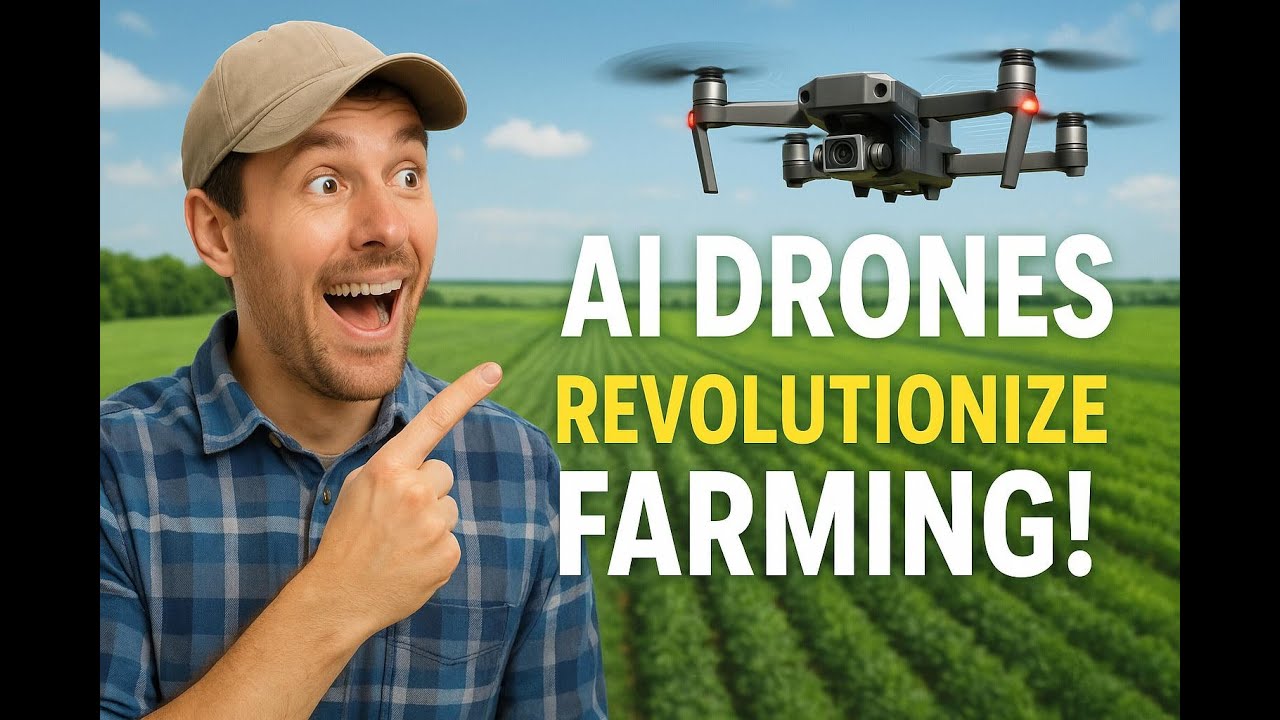
Precision agriculture technician roles are one of the fastest-documented entry points here. Farm equipment mechanics and service technicians numbered 36,830 employed nationally in 2023, per U.S. Bureau of Labor Statistics data cited in farmdoc daily’s January 2026 analysis. That same analysis reports precision agriculture adoption rates of 40-57% in high-adoption Midwest corn and soybean states, based on USDA National Agricultural Statistics Service data from 2023, and salary ranges for precision agriculture technicians of $30,000 to $65,000 annually depending on region — the lower end reflecting entry-level rural positions and the upper end reflecting technician roles in high-adoption states with equipment-dealer or agribusiness employers.

Agricultural Consulting & Extension Services
- Job titles: Agricultural Consultant, Sustainability Analyst, Extension Agent
- Responsibilities:
- Advise farms and agribusinesses on sustainable practices, compliance, and organic or regenerative certification standards
- Train producers on climate-smart programs
- Bridge scientific research and field application
This is the largest FARNRE category by opening count: business and management roles account for 42,855 of the 104,766 total forecast openings for 2025-2030 — meaning consulting, coordination, and management positions collectively represent a larger share of the pipeline than pure field-science roles.

Conservation, Restoration & Natural Resource Management
- Job titles: Soil Scientist, Forest/Agroforestry Technician, Habitat Restoration Planner
- Responsibilities:
- Plan watershed management and rehabilitation projects
- Lead soil conservation and grassland restoration initiatives
- Bridge farming and forestry through agroforestry and silviculture
- Support biodiversity and pollinator-supportive practices
These roles fall largely within the 22,298 science and engineering openings forecast for 2025-2030. They require more specialized coursework — soil science, hydrology, restoration ecology — than the management track, which is why they’re more commonly paired with a master’s-level online certificate rather than a standalone bachelor’s.
Supply Chain Operations: Market to Farm and Beyond
- Job titles: Sustainability Analyst, Procurement Specialist, Traceability Coordinator
- Responsibilities:
- Ensure sourcing of responsible agricultural and mineral-based inputs (e.g., micronutrients, soil amendments)
- Reduce emissions and energy usage across the supply and value chain
- Promote transparent, traceable, and ethical supply practices where farming meets mining and infrastructure
Supply chain and procurement professionals rely increasingly on blockchain-powered traceability and lifecycle environmental assessments to document sourcing claims that buyers and regulators now expect in writing.
Off-Farm Engineering & Systems Integration
- Job titles: Irrigation District Manager, Nutrient Recovery Engineer, Energy Integration Coordinator
- Responsibilities:
- Apply hydrology and systems engineering to water-use efficiency
- Enable nutrient recovery and waste-to-resource loops
- Integrate renewable energy solutions into farm or regional operations

Pathways & Key Job Areas in Sustainable Agriculture
- 🌱 Sustainable Farm Management — improving soil health and water-use efficiency
- 🛠 Restoration Planning — post-mining landscapes and ecosystem support
- 🔗 Traceability Systems — blockchain-based product verification (see Farmonaut’s Traceability Solutions)
- 🌍 Agroforestry Integration — bridging forest and farm resilience
- 🤝 Consulting & Extension Work — helping stakeholders adopt regenerative or organic standards
Comparative Table: Roles, Pay, and Requirements
The table below distinguishes documented federal figures from industry salary estimates, since conflating the two is a common source of misleading job-outlook claims. Where a source is unpublished for a specific role, the note says so directly rather than filling in a plausible-sounding number.
| Job Title | Documented Salary/Range | Openings Data | Typical Degree Requirement | Sectors |
|---|---|---|---|---|
| Precision Agriculture Technician | $30,000–$65,000/yr (BLS/industry, 2024-2025) | 36,830 farm equipment technicians employed nationally, 2023 (BLS) | Associate’s or Bachelor’s in Agriculture/Precision Ag | Farming, Equipment Dealers, Agribusiness |
| Farm/Sustainability Manager | Not separately published by BLS for this specialty; see method below | Part of 42,855 business/management FARNRE openings, 2025-2030 (Purdue/USDA) | Bachelor’s in Sustainable Agriculture or related | Farming, Cooperatives, Agribusiness |
| Soil Scientist/Agroecologist | Not separately published by BLS for this specialty; see method below | Part of 22,298 science/engineering FARNRE openings, 2025-2030 (Purdue/USDA) | Bachelor’s/Master’s in Soil Science or Agroecology | Farming, Academia, Restoration |
| Agricultural Consultant | Not separately published by BLS for this specialty; see method below | Part of 42,855 business/management FARNRE openings, 2025-2030 (Purdue/USDA) | Bachelor’s or Master’s, Environmental/Sustainable Ag | Consulting, Agribusiness, Mining restoration |
| Restoration Specialist | Not separately published by BLS for this specialty; see method below | Part of 22,298 science/engineering FARNRE openings, 2025-2030 (Purdue/USDA) | Bachelor’s/Master’s, Environmental Science/Agroforestry | Forestry, Mining, Conservation |
The U.S. Bureau of Labor Statistics aggregates most of these roles under broader occupation codes (e.g., “Conservation Scientists,” “Farm and Ranch Managers”) rather than by sustainable-agriculture specialty, so a precise national median for “soil conservationist” or “restoration specialist” specifically isn’t published. To get a current figure for your target role and state, search the BLS Occupational Employment and Wage Statistics tool by SOC code, or check state land-grant university extension career pages, which often publish regional starting-salary data for extension and conservation roles.
Pair your sustainable agriculture degree with certifications such as GAP/GlobalGAP, organic, or irrigation specialist credentials — employers use these to screen for job-ready candidates when a general degree doesn’t specify a track.

Skills Employers Actually Screen For
Sustainable agriculture roles combine ecological, analytical, and technology skills. The specific mix depends on the track, but employers consistently screen for these:
- Soil health & nutrient management: composting, cover crops, mycorrhizal integration, nutrient budgeting
- Water stewardship: irrigation efficiency, drought resilience, rainwater harvesting, watershed management
- Integrated pest and crop management: biocontrol, reduced-risk pesticides, crop resilience strategies
- Data-driven decision-making: satellite-driven GIS, remote sensing, yield analytics, farm operations monitoring — the precision agriculture skill set tied to the 40-57% Midwest adoption figure above
- Ecological restoration and biodiversity: habitat assessment, riparian restoration, pollinator support
- Communication & collaboration: working across communities, engineers, scientists, and policymakers
- 🤝 Collaboration with multidisciplinary teams
- 🌱 Community engagement and knowledge transfer
- ✍️ Communication for policy, outreach, and technical advice
- 🧐 Problem-solving for variable land-use conditions
Assuming a single farming or science skill is enough. Employers hiring into the 104,766 annual FARNRE openings expect interdisciplinary experience — land restoration, digital monitoring, and stakeholder collaboration together, not any one in isolation.
Sectors With Strong Alignment for Sustainable Agriculture Degree Jobs
A sustainable agriculture degree’s value extends beyond farming into forestry, mining reclamation, infrastructure, and policy work:
- Agriculture & Farming: The foundation for soil health, crop diversification, and regenerative practices — the largest single employer base within the 1.18 million on-farm jobs counted by USDA ERS for 2024.
- Forestry & Agroforestry: Carbon sequestration, resilience, and social-ecological restoration work.
- Mining & Infrastructure: Land reclamation, landscape restoration, and sustainable mineral input management.
- Infrastructure & Green Construction: Erosion control, ecosystem services, and green building collaboration.
- Policy, Education, Nonprofit: Farm bill programs, rural development, and food-systems advocacy.
Choosing an Online Sustainable Agriculture Class or Degree
If you’re comparing a “sustainable agriculture class online” or a full “sustainable agriculture degree” against these job numbers, match the credential level to the track you want:
Popular Online Sustainable Agriculture Degrees
- Bachelor’s in Sustainable Agriculture: Combines crop, animal, and environmental management — the standard entry credential for the 42,855 business/management-track FARNRE openings
- Bachelor’s in Agricultural Science (Sustainability Focus): Emphasizes soil, crop, water, and policy integration; commonly offered online through land-grant university extension programs
- Graduate Certificates & Master’s Programs: Specialize in agroecology, soil science, restoration ecology, or environmental policy — typically required for the 22,298 science/engineering-track openings
A standalone “sustainable agriculture class online” — a single course rather than a full degree — is most useful as a prerequisite check or a resume add-on for someone already working in agribusiness, not as a substitute for the degree itself when applying to management or science-track roles above.
Certifications That Matter
- GAP/GlobalGAP and Organic Certification: For quality, sustainability, and compliance in farm operations
- Nutrient Management Planner: Optimizes soil fertility and reduces emissions
- Irrigation Certification: Water-use efficiency and drought resilience
- Soil Health or Agroforestry Specialist: Multi-functional land use project leadership
Practical Experience for Career Advantage
- Internships on diversified farms for hands-on crop, livestock, or agroforestry operations
- Community-supported agriculture (CSA) or nonprofit sustainability project involvement
- Restoration or conservation work in forestry, mining reclamation, or watershed planning

Highlight both technical certifications and community-focused experience. Since BLS doesn’t break out most sustainable-agriculture job titles separately, hiring managers often use certifications as the tiebreaker between similarly degreed candidates.
Calculator: Is the Degree Worth the Cost For You
Enter your own program cost, expected starting salary, and years to compare against the 104,766-opening pipeline described above — the tool does the payback math, not a generic ROI estimate.
Run your own numbers
Assumptions: uses simple payback (cost ÷ annual salary gain), does not account for tuition financing interest, inflation, benefits differences, or opportunity cost of study time beyond lost income. Use it to compare scenarios, not as a financial guarantee — verify your target salary against current BLS OES data for your state and role before enrolling.
Tools Sustainable Agriculture Professionals Use Daily
Whichever track you pursue, the day-to-day toolkit for sustainable agriculture professionals now runs through digital platforms rather than paper records:
- Satellite Crop Monitoring: Remote data to assess nutrient status, vegetation health, and pest pressure in near-real time, at a cost scalable for both small and large-scale operations.
- Blockchain-Based Traceability: Secure tracking of crop or mineral-based product journeys for ethical sourcing verification (Learn about Farmonaut's Traceability tools).
- AI Advisory and Resource Management: Actionable strategies for climate resilience, irrigation optimization, and carbon emissions reduction.
- Fleet Management Solutions: Monitoring and optimizing farm machinery and transport (Explore Farmonaut Fleet Management).
- Carbon Footprinting & Emissions Tracking: Compliance documentation for emerging regulations and sustainable supply contracts (More on Farmonaut's Carbon Solutions).
- Crop, Plantation & Forest Advisory: Data-driven insights for multi-sector land management (See Farmonaut's Advisory Tools).
- Large-Scale Farm Management Apps: Enterprise- and government-level monitoring (More about Farmonaut's Agro Admin App).
- Crop Loan and Insurance Verification: Satellite-based field verification to reduce fraud and improve financing access (See Farmonaut's Verification Tools).
Fluency with these tools is increasingly what separates candidates for the technical roles inside the 22,298 science-and-engineering FARNRE openings from candidates for the general management roles inside the 42,855 business-and-management openings — the former expects hands-on platform experience, the latter expects you to manage people who use them.
How Farmonaut Empowers Sustainable Agriculture Careers
Farmonaut provides satellite, AI, and blockchain-powered solutions for agriculture, mining, and infrastructure sectors — supporting data-driven land management, sustainability reporting, and resource optimization. The platform serves professionals from farm managers to environmental consultants through web and mobile apps and an API.
Tools for real-time crop health monitoring, carbon footprint tracking, traceability, fleet management, and resource allocation bring affordable, actionable data to both field-level practitioners and large enterprises. See the API Developer Documentation for integration details.
Frequently Asked Questions
What can you do with an agriculture degree?
The Purdue/USDA forecast splits opportunity into two main tracks for 2025-2030: 42,855 openings in business and management (farm managers, sustainability coordinators, agricultural consultants) and 22,298 in science and engineering (soil scientists, agroecologists, restoration specialists), out of 104,766 total FARNRE openings annually. Precision agriculture technician roles, which pay $30,000-$65,000 depending on region per BLS/industry data, are a common entry point requiring less than a full bachelor's in some cases.
Is there strong demand for sustainable agriculture degree jobs?
Yes, measured against supply: 104,766 FARNRE openings are forecast annually for 2025-2030 (Purdue/USDA), against just 31,302 agriculture degrees awarded in 2024 (NCES/DataUSA). That gap is the clearest demand signal available in published federal data.
What's the difference between a sustainable agriculture class online and a full degree?
A single online class is a credential add-on or prerequisite check, useful if you're already working in agribusiness and want to demonstrate specific knowledge. A full bachelor's degree is what most of the 42,855 management-track and 22,298 science-track FARNRE openings require as a baseline qualification.
What certifications should I pursue alongside a sustainable agriculture degree?
- GAP/GlobalGAP
- Organic farm certification
- Nutrient management planner
- Irrigation or soil health specialist
- Agroforestry practitioner
How is technology shaping sustainable agriculture jobs?
Precision agriculture adoption reached 40-57% in high-adoption Midwest corn and soybean states as of the 2023 USDA Census of Agriculture cycle, per farmdoc daily's analysis. The next Census of Agriculture is expected in 2025 with results published in 2026 — check nass.usda.gov for the updated adoption figures once released. Satellite imagery, AI advisory, and blockchain traceability are now standard tools for farm managers, consultants, and restoration specialists.
Conclusion & Next Steps
The gap is the headline: 104,766 forecast FARNRE openings a year for 2025-2030 against 31,302 agriculture degrees awarded in 2024. Whichever track fits — farm and operations management, consulting and extension, conservation and restoration, or technical precision agriculture — an online sustainable agriculture degree or targeted certification is a documented pathway into work that current graduate supply isn't filling. Use the calculator above with your own numbers, confirm salary expectations against current BLS OES data for your state, and check the Purdue/USDA forecast directly before the next update cycle in late 2027.
Ready to build the technical skills these roles expect? Download Farmonaut's platform, access our APIs, or read the API Developer Docs.
- 📊 104,766 annual FARNRE job openings forecast, 2025-2030 (Purdue/USDA)
- 🎓 31,302 agriculture degrees awarded in the U.S., 2024 (NCES/DataUSA)
- 🚜 1.18 million direct on-farm jobs, 2024 (USDA ERS)
- 💻 $30,000-$65,000 precision agriculture technician salary range by region (BLS/industry, 2024-2025)
- 🌍 40-57% precision agriculture adoption in high-adoption Midwest states (USDA NASS, 2023)

 Godrej Agrovet
 Hayleys Agriculture
 Linx Agritech
 Adinet
 Save Your Soils
 GalaxEye Space
 Grandstream Algérie
 XOS Realty
 Geospatial Lab Africa
 Agro La Gándara
 HIPSAC
 ZOL Zimbabwe
 Juligerm
 AdBio
AdBio MISE Maroc
 NWNS
NWNS Red August Group
 Farm Inc
 WeMe Global
 Agrotoken
 Blue BearX
 Insignito
 DnCubed
 Indosistim Teknologi
 Liquify Digital
 CU Foods
 BeyondTech Global
 Rouge VC
 AgroRisk
 Oath Inc
 Esri North East Africa
 MDCV UK
 Etech Consulting Madagascar
 Vestlandsforsking
 WB Dev
 Sama Premium
 Tres Valles
 Blickwinkel
 Agricultural Credit Policy Council
 eKGIS
eKGIS Mostas Tech
 Andex
Andex Deluxe Conseil
 WICO
WICO Chimera Innovation
 SkyHarvest
 Teledarbas
 Exurbia Geospatial
 FieldZero
