

Table of Contents
- Introduction: Best Tree Collars 2025
- What Are Tree Collars?
- Importance of Tree Collars in Agriculture & Forestry
- Key Features of the Best Tree Collars for 2025
- Types of Tree Collars: Materials & Designs
- Best Tree Collars 2025: Comparison Table
- Application & Installation Best Practices
- Sustainability and Ecological Benefits
- Emerging Trends & Smart Technologies in Tree Collars
- Farmonaut: Satellite-Driven Insights for Agriculture & Forestry
- FAQ: Best Tree Collars 2025
- Conclusion
“Top-rated tree collars increase sapling survival rates by up to 65% in sustainable forestry for 2025.”
Best Tree Collars 2025: Essential Tree Protection
In the evolving landscapes of agriculture, forestry, and environmental management, tree collars have emerged as a vital tool for promoting healthy tree growth and protection. As we advance into 2025, choosing the best tree collars is essential for reducing damage, ensuring healthy forests, boosting agricultural productivity, and supporting sustainable ecosystems. This in-depth blog post guides you through everything essential about the best tree collars—from their importance, design features, and application best practices, to eco-friendly material advances and the future outlook integrating smart technologies. Whether you are a farmer, forester, land manager, or sustainability enthusiast, understanding the nuances of tree collars in 2025 is critical for advancing both environmental health and economic outcomes.
What Are Tree Collars?
Tree collars (sometimes referred to as tree guards or protective sleeves) are barriers or sleeves installed around the base of young trees or saplings. These collars serve multiple purposes:
- Shielding the delicate trunks from pests and mechanical damage
- Reducing weed competition near the root zone
- Conserving soil moisture essential for growth
- Promoting better survival rates and enhanced growth of trees
By acting as a physical barrier, tree collars prevent or mitigate various biotic and abiotic stresses, such as rodent gnawing, weed encroachment, excessive moisture loss, fungal infection, and inadvertent mechanical injury from farming or forestry operations. As a result, proper installation and use of the best tree collars can be transformative for forest regeneration, orchards, and plantations.
Importance of Tree Collars in Agriculture & Forestry
The importance of tree collars in sustainable agriculture and forestry cannot be overstated. Here’s how best tree collars make a difference:
-
Pest and Rodent Protection
In many regions, rodents like voles and rabbits can cause significant damage by gnawing on the bark of young trees, often leading to fatal girdling and high tree mortality. By acting as physical shields, tree collars significantly reduce such damage without the need for chemical control methods. -
Weed Suppression
Weeds compete for nutrients and water, especially during the early stages of seedling establishment. The best tree collars minimize weed encroachment around the base, reducing dependence on herbicides or labor-intensive weeding—a boon for sustainable agriculture. -
Soil Moisture Conservation
Maintaining adequate soil moisture is crucial for healthy tree growth. Tree collars retain moisture near the root, helping saplings survive and thrive through drought and climate variability. -
Mechanical Damage Prevention
Collars protect trunks from accidental mechanical damage due to farming equipment, machinery, and even foot traffic. Given that such damage often provides entry points for pathogens, collars are essential for disease prevention. -
Enhanced Growth and Survival Rates
By reducing stress and injury to young trees, the best tree collars significantly contribute to better survival rates and improved growth, supporting productive agricultural and forestry ecosystems.

Incorporating Tree Collars for Sustainable Forest and Farm Management
The use of tree collars exemplifies the integration of simple yet vital tools in modern agricultural and forestry practices. By protecting saplings during their most vulnerable stages, tree collars address both economic and environmental imperatives—reducing the need for replanting, chemical interventions, and excessive labor, while enhancing overall landscape resilience and productivity.
“Eco-friendly tree collars can reduce animal bark damage by more than 70%, supporting healthier forests and crops.”
Key Features of the Best Tree Collars for 2025
The best tree collars in 2025 are distinguished by a blend of durability, environmental compatibility, and practical design. Look for these crucial features when selecting the right collar for your needs:
- Material Innovation: Eco-friendly biodegradable polymers, recycled plastics, and treated natural fibers dominate the market, fostering sustainable ecosystems by reducing long-term waste and environmental harm.
- Adjustability: Expandable or flexible designs accommodate growing tree girths without impeding their growth or requiring frequent replacements.
- Ventilation and Drainage: Proper air circulation and moisture control prevent fungal build-up around the base, ensuring healthy trunks.
- Integrated Pest Deterrents: Some modern collars contain natural deterrents (e.g., essential oils) or textural patterns that repel pests and rodents without harsh chemicals.
- Easy Installation and Maintenance: Collars should be easy to install and adjust as trees grow, minimizing labor.
Why Material Matters: Biodegradable & Eco-Friendly Options
Eco-conscious materials are increasingly favored for sustainable protection strategies. Biodegradable collars break down naturally after their job is done, preventing plastic pollution. Recycled material-based collars, while durable, help reduce the carbon footprint. Both approaches enhance agricultural and forestry practices by aligning with environmental stewardship goals.

Types of Tree Collars: Materials & Designs
The tree collar market in 2025 offers an array of materials and designs tailored to different regions, climates, and sustainability requirements. The choice of material and design can directly impact tree protection, survival rates, and ecosystem health.
- Biodegradable Tree Collars: Constructed from plant-based materials or advanced polymers designed to break down naturally after use. These collars are ideal for eco-sensitive regions.
- Recycled Plastic Collars: Built from post-consumer plastic, providing a durable but environmentally responsible option. Their reusability reduces waste over time.
- Natural Fiber Collars: Made of compostable fibers like jute, coconut coir, or treated cardboard, perfect for landscapes that prize natural aesthetics and rapid breakdown.
- Adjustable Rigid Collars: Features expandable slots or segments, allowing the collar to grow with the tree and reduce compression-related damage.
- Integrated Pest-Repellent Designs: Some models incorporate mesh or embedded essential oils for advanced pest deterrence.
In modern forestry and agriculture, the choice of tree collar reflects not just utility but a broader commitment to sustainability and climate adaptation.
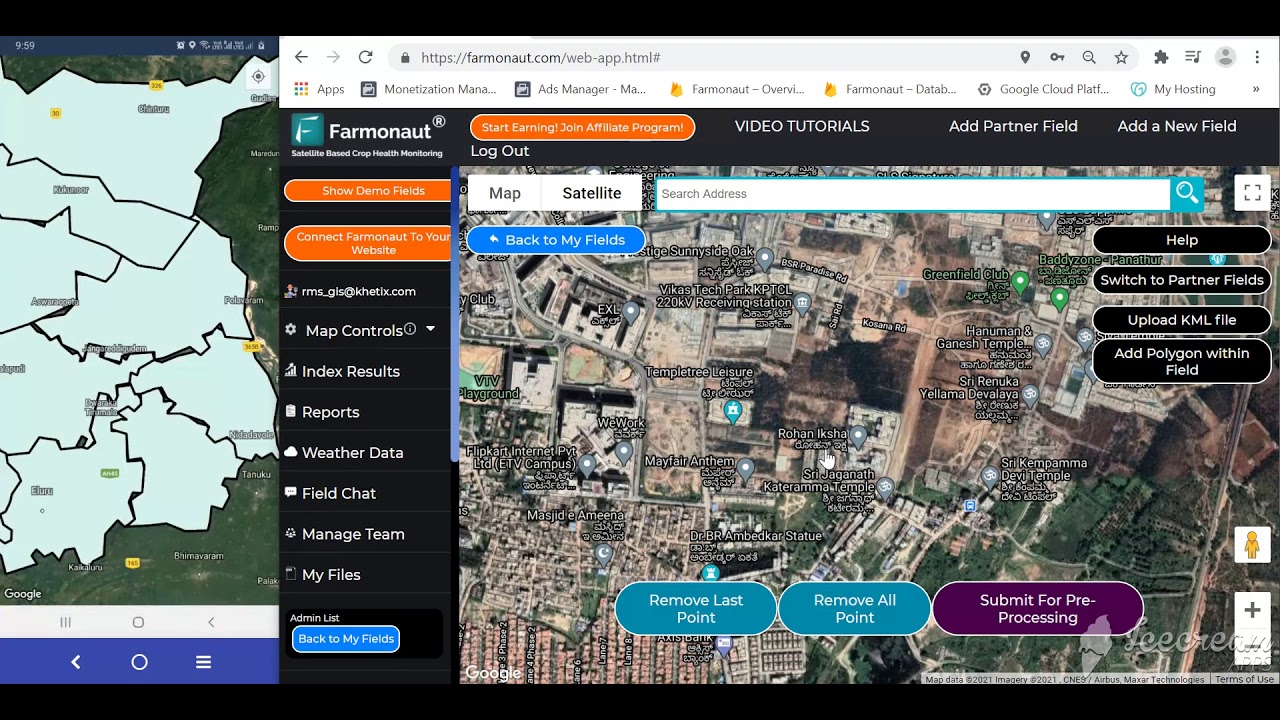
Best Tree Collars 2025: Eco-Friendly Comparison Table
| Tree Collar Name | Material Type | Estimated Lifespan (yrs) | Protection Features | Sustainability Rating (1–5) | Price Range (USD) | Notable Eco-Benefits |
|---|---|---|---|---|---|---|
| EcoGuard BioRing | Biodegradable Polymer | 2–3 | Pest resistance, UV filtering, adjustable fit | 5 | $2.50–$3.20 | Zero waste, naturally composted after use |
| GreenShield Flex | Recycled Plastic | 4–5 | Integrated pest-deterrent, expandable | 4 | $2.90–$3.50 | Recycled content, reduces need for herbicides |
| NatureWrap Shield | Natural Fiber (Coir/Jute) | 1–2 | Enhanced soil moisture, weed suppression | 5 | $1.80–$2.50 | Fully compostable, boosts soil health |
| TerraDefend Pro | Hybrid: Recycled Plastic/Biodegradable Fiber | 3–4 | UV resistance, pest repellent mesh, drainage vents | 4.5 | $3.20–$4.00 | Long-lasting, low carbon footprint |
| EcoRing Lite | Biodegradable Treated Cardboard | 1 | Simple weed barrier, easy to install | 4 | $1.30–$1.80 | Composts in-place, promotes root microbial activity |
These best tree collars exemplify high standards in protection, sustainability, and design, supporting healthy trees and sustainable management of natural resources.

Application & Installation Best Practices for Tree Collars
Proper installation and maintenance of tree collars are essential for maximizing tree protection and growth in diverse environments. Here’s how to ensure optimal application:
- Installation Timing: Always install collars right after planting or during the early stages of seedling establishment for best results.
- Fit & Clearance: The collar must be anchored firmly around the base yet allow at least 5 cm clearance around the trunk for growth and air movement. Avoid excessive tightness, which can impede tree health.
- Maintenance: Schedule regular inspections (at least twice per season) to check for displacement, damage, or interference with expanding girth. Adjust or remove as necessary, particularly for long-lived species.
- Integration With Sustainable Practices: Combine collar use with mulching, proper irrigation, and soil enrichment to further preserve moisture around the root and suppress weeds.
- End-of-Life Disposal: Prefer biodegradable or compostable materials to minimize waste.
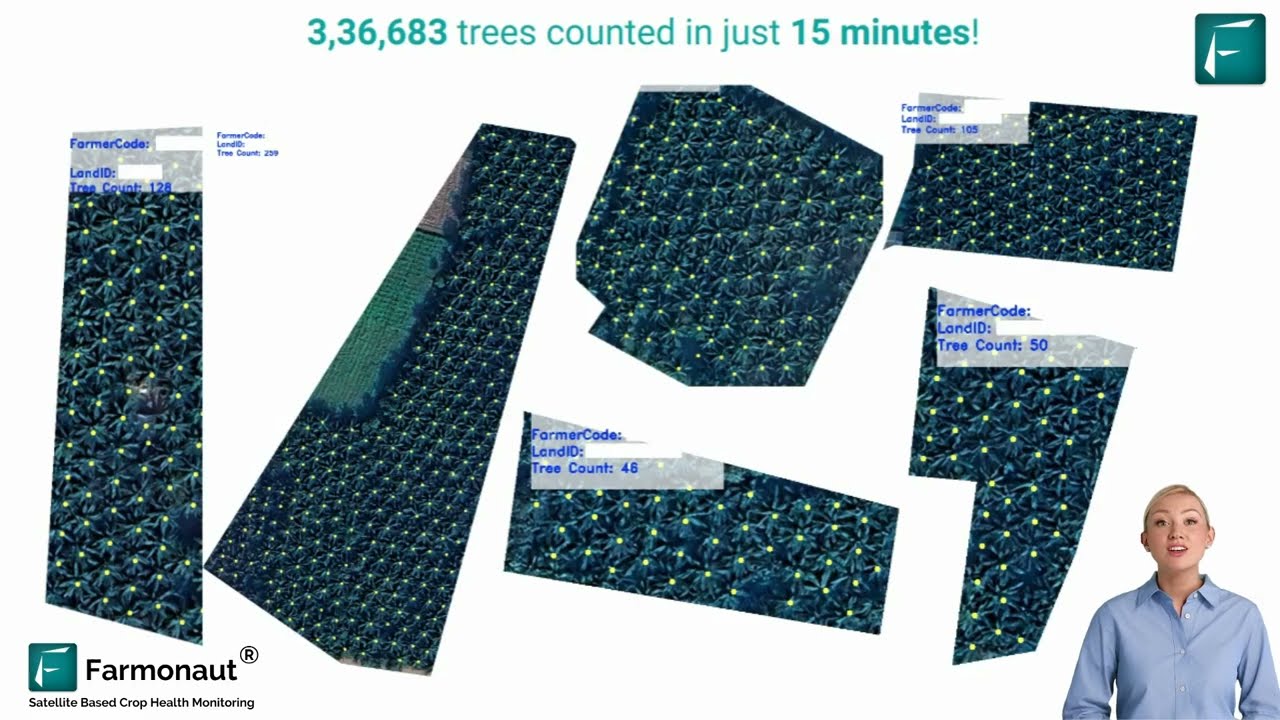
Best Tree Collar Application in Various Environments
Forests: Protecting young saplings in reforestation zones or managed woodlands.
Orchards & Plantations: Enhancing tree health and productivity in fruit, nut, or timber operations.
Agricultural Fields: Promoting sustainable farming with enhanced survival of windbreaks and shade trees.
Sustainability and Ecological Benefits of Best Tree Collars
Using eco-friendly tree collars is more than a best practice—it’s a cornerstone of truly sustainable forestry and agriculture. Their ecological impact includes:
- Reducing agrochemical reliance: By minimizing the need for herbicides, pesticides, or rodenticides, collars foster healthier soil and biodiversity.
- Preserving soil moisture: Collars help maintain adequate moisture in the root zone, crucial during drought and erratic climate.
- Boosting reforestation success: Higher survival rates mean fewer resources are needed for restocking, accelerating forest recovery and carbon sequestration.
- Supporting ecosystem balance: Healthier young trees and resilient landscapes contribute to food security, wildlife habitat, and improved ecosystem services.

Emerging Trends & Smart Technologies in Tree Collars for 2025
Rapid innovations in smart agriculture and forestry are shaping the future of tree collars. Novel product features likely to influence tree protection beyond 2025 include:
- Sensor Integration: Smart collars may soon include embedded sensors for microclimate, soil moisture, and even pest detection, allowing land managers to monitor critical conditions in real time.
- Advanced Biodegradable Materials: Ongoing advances will make biodegradable collars more durable, weather-resistant, and effective, ensuring long-term protection without ecological cost.
- AI & Remote Monitoring: Pairing smart tree collar systems with AI and satellite imagery platforms will enable predictive management and digital records for large-scale forestry or agricultural projects.
- Integrated Deterrents: In-built natural pest deterrents (essential oils, etc.) or bio-based repellent coatings further reduce pesticide dependence.
The future points to data-driven, eco-friendly tree collar applications that are highly customizable per species, climate, or region, empowering us all to foster resilient, sustainable landscapes.
Farmonaut: Satellite-Driven Insights for Agriculture & Forestry
While the best tree collars provide physical protection and soil moisture conservation for saplings, digital transformation is revolutionizing large-scale landscape management. At Farmonaut, we empower farmers, foresters, and land managers with affordable, accessible, satellite-based solutions to complement sustainable tree protection strategies.
- Remote Vegetation Monitoring: Farmonaut’s platform leverages multispectral satellite images to assess vegetation health (NDVI), identify at-risk trees, and monitor reforestation or plantation initiatives.
- Soil and Moisture Insights: With our real-time soil moisture and environmental monitoring tools, decision-makers can time tree collar installation and irrigation for maximum effectiveness.
Farmonaut’s Carbon Footprinting solutions support efforts to quantify tree-planting impact on climate change mitigation. - AI Advisory and Resource Management: Our Jeevn AI system delivers actionable advice for crop plantation, forest restoration, and resource optimization—synergizing human expertise with technology. See more in our Large Scale Farm Management App for seamless resource planning at scale!
- Blockchain-Based Traceability: Trace every tree from planting to harvest using Farmonaut’s Traceability platform, boosting transparency for eco-forestry supply chains.
- Insurance & Financing: Farms and forestry enterprises can utilize Crop Loan and Insurance Verification via satellite-verifiable collateral assessment, fostering resilience for smallholders.
Explore our intuitive web and mobile app for all your monitoring and advisory needs. Access Farmonaut via:



Interested in integrating powerful satellite and AI analytics into your systems? Explore our Farmonaut API and consult the API Developer Docs to unleash seamless, scalable insights for every land management need.

FAQ: Best Tree Collars 2025
What is a tree collar and how does it protect young trees?
A tree collar is a protective barrier or sleeve placed around the base of a young tree or sapling. It serves to shield the delicate bark from pests, rodent damage, weed competition, soil moisture loss, and mechanical injuries during mowing or farming operations.
Which materials are best for sustainable tree collars?
Biodegradable polymers, recycled plastics, and treated natural fibers (like coir or jute) are top choices for sustainable tree collars in 2025. These materials provide temporary protection without leaving waste in the environment.
Can tree collars reduce the need for pesticides and herbicides?
Yes. By providing a physical barrier against pests and weeds, the best tree collars reduce or even remove the need for chemical pesticides or herbicides, supporting environmental health and biodiversity.
How long should a tree collar stay on a sapling?
The timeframe varies by collar material and tree species. Generally, collars should remain until the tree trunk is strong enough to resist pest or mechanical damage—typically 1–3 years. Biodegradable collars decompose naturally, while others may require removal.
Are there smart or high-tech tree collars available?
Yes, 2025 sees the rise of smart collars with features like sensors for soil moisture, microclimate, or pest detection—enabling real-time protection monitoring and responsive management.
Where can I find satellite-based tools for forestry and agriculture?
Explore Farmonaut’s wide range of satellite-driven monitoring, advisory, and traceability solutions for trees, plantations, and forest management. Access our web and mobile app to harness these insights for your operations.
Can tree collars be used in food crop environments?
Absolutely. Tree collars are crucial for fruit orchards and boundary trees in food-producing landscapes, securing healthy growth and reducing bark damage that could otherwise hamper productivity.
What’s the ecological benefit of biodegradable collars?
Biodegradable collars break down into harmless organic matter, enriching the soil and ensuring no persistent waste remains in the environment—perfect for regenerative agriculture and sustainable forestry.
Conclusion: Best Tree Collars—Sustainable Protection for Trees & Land in 2025
As we advance into 2025 and beyond, best tree collars are a linchpin for sustainable, productive forests and farmlands. They foster healthy tree growth, enhance survival rates, reduce damage, support soil moisture retention, and ultimately underpin agricultural and environmental health. Selecting the right materials and design—from biodegradable sleeves to advanced smart systems—empowers managers, farmers, and foresters to adapt to climate-driven challenges and build resilient ecosystems.
Incorporate tree collars as part of holistic land management: employ proper installation and maintenance practices and synchronize physical protection with digital tools such as those provided by Farmonaut for monitoring, advisory, and traceability solutions. The fusion of eco-innovation and smart technologies enables robust, sustainable growth for trees—key to food security, climate resilience, and vibrant communities.

 Godrej Agrovet
 Hayleys Agriculture
 Linx Agritech
 Adinet
 Save Your Soils
 GalaxEye Space
 Grandstream Algérie
 XOS Realty
 Geospatial Lab Africa
 Agro La Gándara
 HIPSAC
 ZOL Zimbabwe
 Juligerm
 AdBio
AdBio MISE Maroc
 NWNS
NWNS Red August Group
 Farm Inc
 WeMe Global
 Agrotoken
 Blue BearX
 Insignito
 DnCubed
 Indosistim Teknologi
 Liquify Digital
 CU Foods
 BeyondTech Global
 Rouge VC
 AgroRisk
 Oath Inc
 Esri North East Africa
 MDCV UK
 Etech Consulting Madagascar
 Vestlandsforsking
 WB Dev
 Sama Premium
 Tres Valles
 Blickwinkel
 Agricultural Credit Policy Council
 eKGIS
eKGIS Mostas Tech
 Andex
Andex Deluxe Conseil
 WICO
WICO Chimera Innovation
 SkyHarvest
 Teledarbas
 Exurbia Geospatial
 FieldZero
