

Cage Free Chicken Farm: 7 Powerful Steps for Success in 2026
Meta Description: Starting a cage free chicken farm in 2026 supports sustainable farming; discover steps, economic benefits, and animal welfare insights for profitable, ethical poultry production.
Starting a Cage-Free Chicken Farm in 2026: Best Practices and Insights
The cage free chicken farm model continues to gain momentum as we move toward 2026, with increasing consumer demand and regulatory trends pushing for greater animal welfare in poultry production. As more informed consumers seek out healthier, sustainable food choices, farmers and producers are presented with a unique, promising opportunity to meet these expectations while ensuring economic viability. In this comprehensive article, we walk through the seven powerful steps to successfully launching and operating a cage free chicken farm in the modern landscape—covering everything from planning, infrastructure, breed selection, housing, animal management, feed efficiency, best practices, as well as innovative digital tools we at Farmonaut offer to support your success.

Understanding the Cage-Free Chicken Farm Concept
At its core, a cage-free chicken farm is characterized by allowing chickens to roam freely inside large buildings or houses without the confinement of individual cages—unlike conventional battery cage systems. This method gives hens greater space to engage in natural behaviors such as perching, dust bathing, nesting, and foraging.
This approach enhances the welfare of the flock, increases consumer appeal by aligning with ethical standards, and supports the production of healthier meat and egg products. With the demand for cage-free eggs and poultry meat steadily increasing—driven by rising awareness and retailers like Costco and Perdue chicken farm adopting these practices—this is a pivotal time for aspiring farmers to transition toward sustainable agriculture.
- ✔ Key benefit: Higher consumer preference & premium pricing for cage-free products
- 📊 Data insight: 2025’s market for cage-free eggs will reach unprecedented demand, with projected market share exceeding 60% in some regions.
- ⚠ Risk: Without proper housing design, welfare advantages can be lost—planning and management are essential.
- ✔ Key benefit: Efficient land use reduces long-term environmental impact by up to 30%, compared to conventional cage facilities.
- ✔ Key benefit: Modern consumers are willing to pay $1–$2 more per dozen for ethical, cage-free eggs.
Cage-free environments directly enhance bird health and public perception—making this model not only an ethical imperative, but a smart business decision as well.

Step 1: Planning & Designing Your Cage Free Chicken Farm
Effective planning lays the foundation for a successful cage free chicken farm. At this stage, focus on the key principles of space, comfort, scalability, and compliance with animal welfare standards.
Essentials of Cage-Free Housing Design
Unlike traditional cages, cage-free housing must provide each chicken with a minimum of 1 to 1.5 square feet of floor space.
- Nesting boxes: 1 box per 4–5 hens, lined with clean bedding
- Perches: Minimum 6–8 inches of perch space per bird, elevated and set at various heights
- Ventilation: Large, adjustable windows or mechanical systems to keep air quality optimal
- Partitions: Used to manage flock movement and improve biosecurity
- Flooring: Easy to clean, durable surfaces—often slatted or litter-based for natural behaviors
- Lighting: Mimic natural sunlight cycles for improved laying and health
When planning your first chicken farm building, consult blueprints from trusted suppliers like Farm and Fleet chicken coop specialists to source materials and equipment that are specifically designed for cage free systems.
- ✔ Pro Tip: Pre-fabricated modular kits save time and ensure compliance with welfare standards—ideal for aspiring farmers starting in 2026.

Scaling: Mini vs. Large Operations
- Small farms (500–2,000 hens): Great for direct marketing and community-supported agriculture (CSA) models
- Large-scale operations (>20,000 hens): Suitable for supplying Costco chicken farms, institutional contracts, and regional supermarkets
- Flexibility: Design your farm with expansion in mind; scalable buildings reduce long-term costs
Real estate and infrastructure represent 40%+ of upfront costs— prioritize durable, modular structures for future scalability and higher ROI by 2028.
Step 2: Building Sustainable Infrastructure For 2026 and Beyond
Building physical infrastructure for your cage-free chicken farm requires balancing comfort, durability, and energy efficiency.
Critical infrastructure investments include:
- Insulation & Environmental Controls: Maintain flock health across extreme climates
- Sanitation Systems: Automated cleaning helps reduce disease risk
- Rainwater Harvesting & Waste Recycling: Advanced features that reduce your environmental footprint and support sustainable agriculture
- Energy Efficiency: Solar panels and energy-efficient lighting lower costs and promote sustainability
- Automated Systems: Feeding, egg collection, and ventilation can be automated for optimal productivity and minimal labor cost

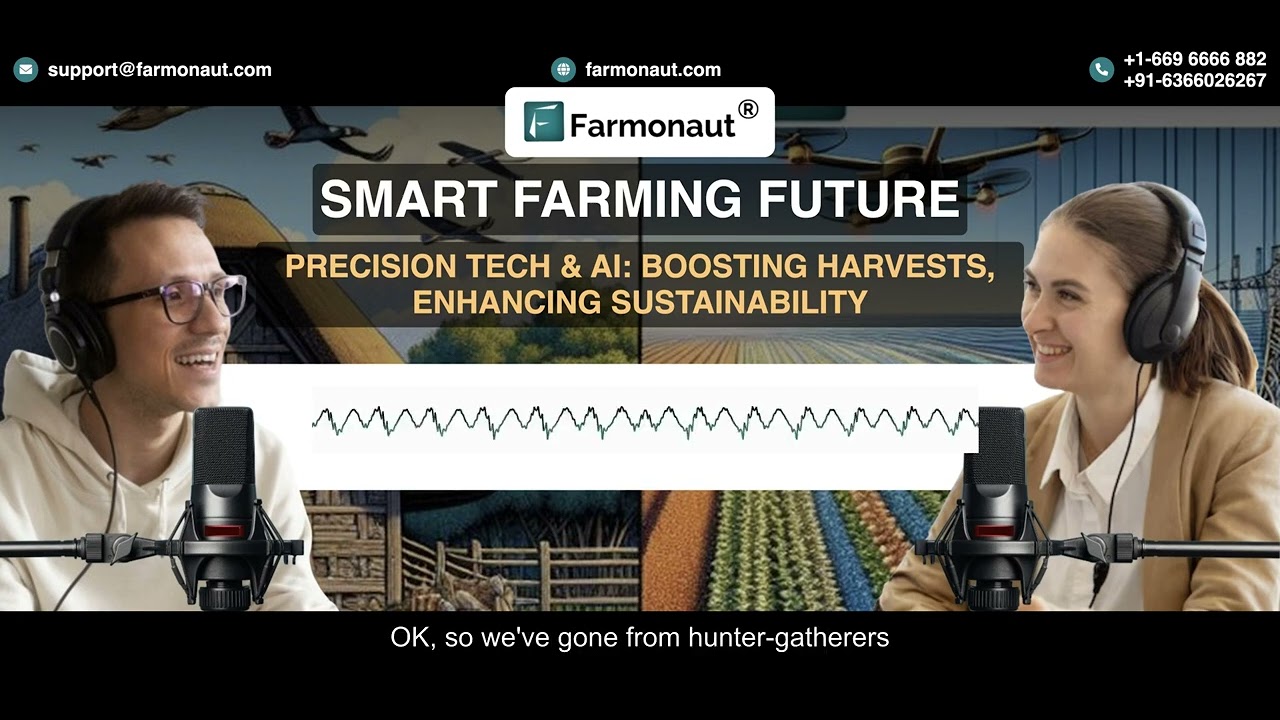
Try Farmonaut App to monitor environmental conditions and optimize resource management for your farm infrastructure, anywhere.
Materials, Equipment & Supplier Choices
- ✔ Stainless steel, HDPE plastics, and anti-corrosive metals are industry-standard for chicken house interiors
- ✔ Advanced automated equipment: Feeders, waterers, and litter removal systems increase labor efficiency
- ✔ Green certification: Sources from sustainable fleet suppliers and eco-label compliant manufacturers further strengthen your market appeal


Download the Farmonaut app on Android or iOS to receive real-time poultry farm alerts, weather updates, and infrastructure health reports.

Many new farmers underestimate the importance of biosecurity and efficient ventilation—compromises can invite disease and undermine flock welfare.
Visual List: Infrastructure Essentials For Sustainable Cage-Free Farms
- 🏗️ Robust, insulated chicken house building
- 💨 Efficient, adjustable ventilation systems
- 🧼 Automated litter removal/cleaning equipment
- 🦺 Partitions for managing large flocks
- 🔋 Solar panels & backup generators
- 💧 Rainwater harvesting & efficient plumbing
- 🌱 Natural light and green roofing (optional)
Step 3: Selecting the Right Breed and Stock Management
Selecting the right breed is essential for maximizing productivity and ensuring flock adaptability in cage free environments. Choices should be guided by your market goals (meat vs. egg production), local climate, disease resistance, and consumer preference for heritage or hybrid lines.
Popular & High-Yield Breeds for Cage-Free Chicken Farming
- Hybrid Layers (e.g., Hy-Line Brown, Lohmann Brown): Excellent for high egg production, robust health, and adaptability in open systems
- Dual-Purpose Breeds (e.g., Plymouth Rock, Rhode Island Red): Suited for both eggs and meat in smaller-scale operations
- Broilers (e.g., Cobb, Ross): Raised for rapid meat gain in cage-free setups, suitable for producers supplying retailers like Costco Chicken Farm
- Local Breeds: Well-adapted to native climate and often favored in farm-to-table markets

Visual List: Best Practices for Breeds & Stock Management
- 🌱 Genetic health screening before integrating new birds
- 💉 Comprehensive vaccination & disease control programs
- ☀️ Opt for breeds proven in similar climates (reducing risk of losses from heat stress/cold snaps)
- 👨🌾 Management training for farm staff (improving handling and reducing bird stress)
- 📈 Monitor flock data regularly with satellite and AI tools from Farmonaut for disease, growth, and welfare
Hybrid breeds used by commercial producers like Perdue chicken farm are proven for high-yield, humane cage-free production—combine with regular health checks for best results.
Step 4: Animal Welfare, Health Programs & Natural Behaviors
Animal welfare is the keystone of the cage free chicken farm model, setting you apart from traditional conventional farms. Ethical farming practices help produce healthier birds and minimize stress-induced losses, contributing to superior egg quality and improved producer reputation.
Implementing Welfare-Centric Management
- ✔ Provide sufficient floor space and perches for all birds
- ✔ Optimize nesting boxes and natural lighting for stress-free egg laying
- ✔ Maintain litter quality with frequent cleaning and dry bedding
- ✔ Promote natural foraging and dust bathing by offering enriched spaces
- ✔ Enforce strict biosecurity protocols—segregate sick birds, disinfect footbaths, and minimize visitor access
Monitor, report, and optimize your cage free farm’s carbon footprint
with real-time satellite analytics—proving your environmental commitment to retailers and eco-conscious consumers.
- ✔ Key benefit: Welfare-focused systems lead to 30% lower mortality and higher productivity.
- ✔ Pro Tip: Real-time poultry monitoring with Farmonaut’s platform alerts you to flock health, sudden temperature shifts, or environmental risks—before they impact welfare.
Ethical farming is now a key element in supply contracts issued by large retailers such as Costco and Perdue—ensure strict adherence to welfare standards for uninterrupted access to premium markets.
Step 5: Nutrition & Feed Efficiency For Healthier Flocks
Feed is the largest operating cost for any poultry operation, representing up to 70% of annual expenses. Optimizing feed is critical for cage-free chicken farms since birds burn more energy by moving and expressing natural behaviors. However, evidence shows that with diet fine-tuning, feed efficiency in cage-free systems can rival or even surpass conventional models.
- ✔ Develop sustainable, locally-sourced feed blends—improving flock health and supporting local agriculture
- ✔ Supplement diets with key amino acids and minerals for higher egg yields
- ✔ Monitor feed conversion rates (kg feed per dozen eggs); healthy cage free systems achieve 2.2–2.4 kg feed/dozen eggs
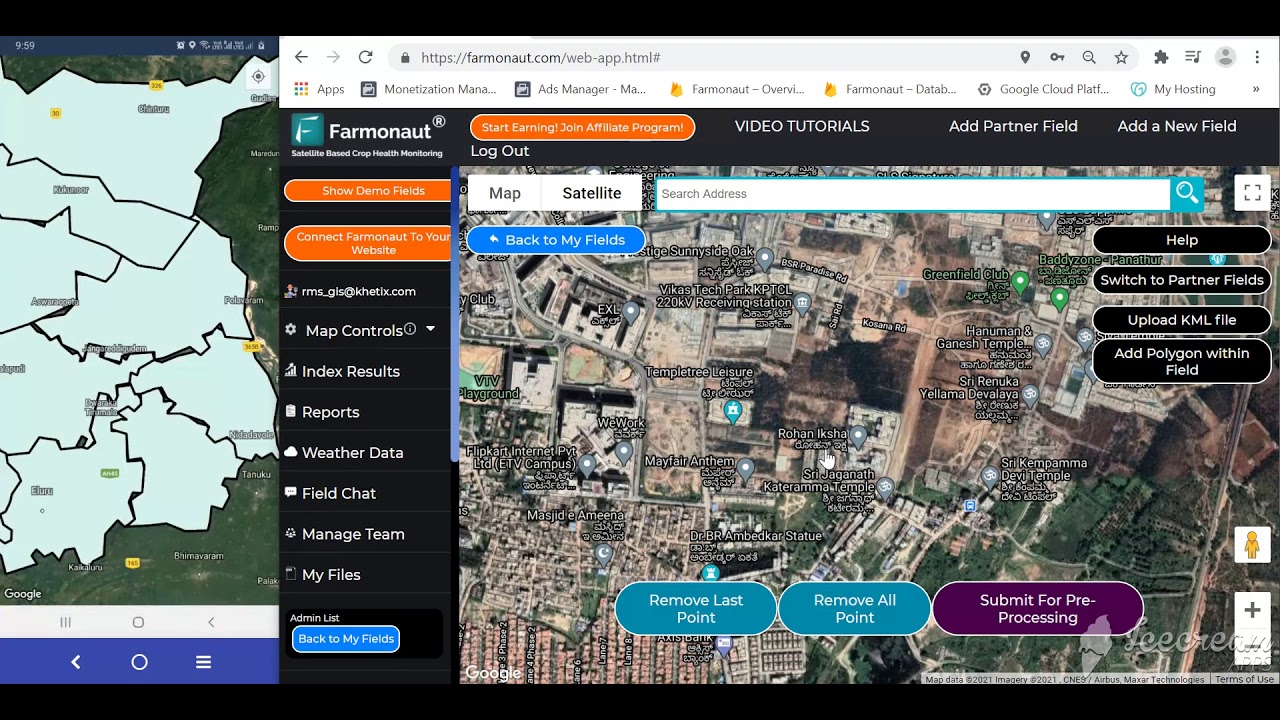
- ✔ Integrate technology for real-time feed consumption monitoring and stock alerts (use Farmonaut’s fleet management for tracking feed deliveries/consumption)
Bullet Points: Efficient Feeding Programs
- ❇ Automated feeders promote regular, controlled intake & reduce waste
- 📈 Satellite & AI monitoring (via Farmonaut) detects anomalies in feed usage, supporting early intervention
- 💡 Rotating feed blends can reduce stress and boost egg production in large flocks
- 🌾 Bulk sourcing from certified suppliers reduces costs long-term
- 🛡️ Routine feed quality checks help prevent nutritional deficiencies and outbreaks
Track feed-to-egg ratios and adjust diets seasonally—ensuring both economic and flock health goals are met in your cage free chicken farm.
Step 6: Economic Considerations, Market Opportunities & Retailers
Launching a cage-free chicken farm requires careful economic planning given the increased investment in infrastructure, equipment, and welfare-focused systems. However, the premium pricing and market opportunities found in 2026 make this transition not just viable, but highly profitable.
Breaking Down The Economics
- ✔ Initial investment: $25–$50 per bird for infrastructure, 20–30% higher than caged systems—but recouped by premium prices
- ✔ Ongoing costs: Higher labor/management offset by reduced disease and improved egg/meat quality
- ✔ Profitability: Cage-free eggs/meat command 30–60% higher market price—retailers like Costco chicken farm and Perdue regularly seek new suppliers
- ✔ Direct-to-consumer channels: Farmers’ markets, web platforms, and farm stores enhance profit margins
- ✔ Eco-certification: Access to sustainability-focused grants & incentives for upgrading to cage-free model
Marketing your products as ethical, healthy, and sustainable can net new contracts with grocery giants, health food stores, and CSAs. Being listed as an authorized supplier for Costco chicken farm or direct purchaser for Perdue not only ensures steady sales but also boosts your farm’s brand image.
- ✔ Key benefit: Cage free products unlock exclusive supply programs, digital traceability contracts, and top-tier retail partnerships in 2026.
Explore Farmonaut’s blockchain-based traceability solutions for verifying and promoting cage-free, ethically produced eggs and meat, instilling trust with both consumers and retailers.
Step 7: Sustainability, Environmental Impact & Farmonaut’s Digital Tools
Embracing sustainability is no longer an option for poultry farmers—it’s a market necessity. Cage-free chicken farms are proven to cut environmental impact, boost welfare, and support long-term business resilience. Leveraging digital tools elevates these benefits even further.
- ✔ Rotational grazing & pasture integration (when possible): Reduces overgrazing, improves soil health, and promotes biodiversity
- ✔ Manure management/composting: Reduces carbon emissions, supplies on-farm fertilizer, and supports full-cycle agriculture
- ✔ Water and waste recycling systems: Essential for large operations with hundreds or thousands of birds
- ✔ Blockchain & environmental tracking: Provide certified proof of your green practices to buyers
Farmonaut’s carbon footprinting service (learn more here) helps chicken farm operators minimize environmental impact, meet new 2026 regulations, and access green finance incentives.
Our digital solutions at Farmonaut help you monitor satellite crop cycles, detect environmental risks, and ensure animal welfare compliance—delivering AI-driven, data-rich insights for the most sustainable, efficient poultry operations possible.
Visit our large-scale farm management page for tools designed to support complex, mixed production systems and direct farm monitoring.
Comparative Sustainability Impact Table
Key Insights & Highlight Boxes
Frequently Asked Questions (FAQ)
Minimum recommended floor space is 1 to 1.5 square feet per chicken, ensuring ample room for natural behaviors and compliance with modern animal welfare guidelines.
Through vaccination, strict biosecurity, clean environments, regular health checks, and by providing automatically cleaned nesting boxes and perches, the need for antibiotics can be reduced by up to 50%.
Yes. Despite higher initial investment, cage-free chicken farms command premium prices, have strong market demand, and can qualify for sustainability incentives—offering superior long-term profitability.
Our platform delivers satellite-based, real-time monitoring, AI-driven insights, carbon tracking, resource management (fleet), and blockchain traceability for both small and large-scale poultry operations—making sustainability measurable.
Retailers and supply programs like those at Costco or Perdue impose strict animal welfare standards; proactive certification, digital traceability, and real-time welfare records are increasingly required.
Conclusion & Farmonaut Solutions
Starting a cage free chicken farm in 2026 is more than a response to shifting consumer demand—it’s an investment in ethical farming, healthier food products, and the future of sustainable agriculture. By planning carefully, selecting the right infrastructure and breeds, implementing robust management practices, and leveraging powerful digital tools like the satellite and AI-driven platform we offer at Farmonaut, you can create a modern, profitable, and responsible poultry enterprise.
Visit our satellite-driven agriculture solutions page or download the Android App / iOS App to explore how satellite, AI, blockchain, and resource management tools can transform your cage-free chicken farm operation.
Farmonaut Subscriptions for Poultry & Farm Monitoring:
Ready to launch your cage free chicken farm or optimize an existing operation?
Contact us or visit our product pages for:
- Carbon Footprinting—Measure, report, and cut your environmental impact.
- Blockchain Traceability—Digitize your poultry supply chain for unparalleled trust.
- API Access—For developers and businesses integrating real-time monitoring.
- Fleet Management—Track resources, deliveries, and manage poultry from anywhere.
- Large Scale Farm Management—One dashboard for multi-enterprise poultry and cropping operations.
- API Documentation—Easily integrate satellite and weather data into your own agri-software.
- Crop Loan and Insurance Verification—Harness satellite data to access agri-financial services efficiently.
Build your legacy with a cage-free chicken farm focused on sustainability, profit, and animal welfare—with the power of Farmonaut satellite technology at your fingertips.

 Godrej Agrovet
 Hayleys Agriculture
 Linx Agritech
 Adinet
 Save Your Soils
 GalaxEye Space
 Grandstream Algérie
 XOS Realty
 Geospatial Lab Africa
 Agro La Gándara
 HIPSAC
 ZOL Zimbabwe
 Juligerm
 AdBio
AdBio MISE Maroc
 NWNS
NWNS Red August Group
 Farm Inc
 WeMe Global
 Agrotoken
 Blue BearX
 Insignito
 DnCubed
 Indosistim Teknologi
 Liquify Digital
 CU Foods
 BeyondTech Global
 Rouge VC
 AgroRisk
 Oath Inc
 Esri North East Africa
 MDCV UK
 Etech Consulting Madagascar
 Vestlandsforsking
 WB Dev
 Sama Premium
 Tres Valles
 Blickwinkel
 Agricultural Credit Policy Council
 eKGIS
eKGIS Mostas Tech
 Andex
Andex Deluxe Conseil
 WICO
WICO Chimera Innovation
 SkyHarvest
 Teledarbas
 Exurbia Geospatial
 FieldZero
