

Calcium Phosphate, Phosphate Dicalcium & Mono Dicalcium Phosphate Guide: Boosting Plant Growth, Fertility & Sustainability in 2026
“Calcium phosphate fertilizers can increase crop yields by up to 20% while significantly improving soil health and sustainability.”
“Nearly 85% of global phosphate production is used in agriculture, supporting food security and sustainable farming practices.”
Introduction: Understanding Calcium Phosphates in Modern Agriculture
Calcium phosphate, phosphate dicalcium, and mono dicalcium phosphate have become synonymous with sustainable and efficient agriculture as we advance into 2026. We live in an era where global food security, nutrient management, and environmental stewardship are tightly interwoven, making fertilizers containing these compounds pivotal for agriculture, forestry, and related industries across the world.
Phosphate fertilizers are indispensable to keep soils productive, ensure robust plant growth, and secure reliable harvests. Yet, optimizing their application in a way that protects environmental health and conserves finite resources is a challenge we must all confront—especially as the demand for food and livestock nutrition continues to grow.

In this comprehensive guide, we’ll explore how calcium phosphate, dicalcium phosphate (DCP, CaHPO4), and mono dicalcium phosphate (MDCP, Ca(H2PO4)2·CaHPO4) function as essential sources of phosphorus—one of the three primary macronutrients required by all plants, alongside nitrogen and potassium.
You’ll discover their chemistry, benefits in optimizing soil fertility and plant development, their critical role in animal supplements, and the latest innovations for sustainable, efficient use within agriculture and livestock systems.



Phosphorus in Agriculture: Plant Growth & Nutrient Cycling
Let’s begin by highlighting why phosphorus is so critical in agricultural systems. Phosphorus plays a pivotal role in plant metabolism—involved in energy transfer (as ATP and ADP), photosynthesis, nutrient movement within the plant, and root development. It stands, alongside nitrogen and potassium, as a primary macronutrient needed for healthy crops.
- Energy Transfer: Phosphorus is essential for ATP (adenosine triphosphate) formation, the currency of cellular energy.
- Photosynthesis: It facilitates vital biochemical processes within chloroplasts.
- Nutrient Movement: Ensures nutrients can move efficiently within plants, supporting overall growth.
- Root Growth: Robust root systems, highly dependent on phosphorus, enhance water and nutrient uptake, vital during early crop establishment.
However, in many soils, phosphate availability is limited due to the low solubility and a tendency to bind with minerals—particularly iron, aluminum, and calcium ions. This phenomenon means most phosphorus in soils is locked up and inaccessible to plants, making supplementary phosphate fertilizers indispensable for optimal crop growth.
The Role of Calcium Phosphate Compounds in Soil Fertility & Sustainable Development
Calcium phosphate compounds serve as a foundation for plant nutrition and soil amendments in modern, efficient agriculture. Among the various species, two forms stand out for agronomic importance:
- Dicalcium Phosphate (DCP, CaHPO4): Referred to as DCP, it contains roughly 18.5% phosphorus and serves as a slow-release, sustained source of phosphate for season-long fertility.
- Mono Dicalcium Phosphate (MDCP, Ca(H2PO4)2·CaHPO4): Also called MDCP, it usually contains about 20-21% phosphorus and is notably more soluble, providing readily available phosphate for immediate root uptake and vigorous early plant development.
By understanding the solubility profiles and release dynamics of these fertilizers, growers can tailor their use to maximize crop yield and maintain optimal soil health in 2026’s changing climatic and farming conditions.

Comparative Table: Calcium Phosphate, Dicalcium Phosphate (DCP), and Mono Dicalcium Phosphate (MDCP)
| Phosphate Compound | Chemical Formula | Estimated P Content (%) | Solubility in Water | Typical Agricultural Use | Impact on Soil Fertility | Contribution to Sustainability | Environmental Impact* |
|---|---|---|---|---|---|---|---|
| Calcium Phosphate (General) | Ca3(PO4)2 | 15-18 | Low | Base phosphate source in slow-release fertilizers | Moderate, builds long-term reserves in soil | Medium | Low leaching risk, very low eco-toxicity |
| Dicalcium Phosphate (DCP) | CaHPO4 | ~18.5 | Moderate | Slow-release form; sustained crop fertility | High, supplies phosphorus over the season | High | Minimal leaching, low eco-toxicity |
| Mono Dicalcium Phosphate (MDCP) | Ca(H2PO4)2·CaHPO4 | 20-21 | High | Starter fertilizers; rapid root growth | Very high, drives early vigor | Very High | Runoff possible if overapplied; low eco-toxicity with responsible use |
*Environmental Impact notes: Risks vary by soil type, climate, and management. Responsible and precision application reduces environmental concerns.
Modern Fertilizers: MDCP & DCP for Efficient Nutrient Management
MDCP and DCP are primarily synthesized from phosphate rock, processed with sulfuric and phosphoric acids. Their distinctive properties are harnessed to develop fertilizers with both rapid and sustained phosphorus release, offering flexibility for various crops and soil conditions.
- MDCP: Water-soluble, rapidly available for crops. It is an excellent choice as a starter fertilizer to boost early seedling establishment and root expansion.
- DCP: Slower solubility, but remains available throughout the growing season—supporting sustained crop development in soils where phosphorus binding is a challenge.
Innovative fertilizer production involves advanced granulation and coating technologies, which enhance solubility profiles and minimize nutrient loss to runoff or leaching. Optimizing application according to soil fertility, crop needs, and climate patterns is essential for both productivity and sustainability.

Application Strategies & Soil Amendments in 2026
As environmental regulations and agronomic practices evolve, especially in regions like Florida and Canada, precision fertilizer application is more important than ever:
- Starter Fertilizers: Mono dicalcium phosphate is often applied at sowing to help young seedlings rapidly access phosphorus and calcium, emphasizing early vigor and root health.
- Maintenance Applications: Dicalcium phosphate, with slower nutrient release, is incorporated in base fertilizer blends for sustained availability, optimizing phosphorus efficiency and reducing risk of runoff or nutrient loss.
- Soil Testing & Variable Rate: Digital agriculture tools, like satellite crop monitoring, enable variable-rate phosphorus fertilizer application based on real-time field variability and needs—reducing waste, cost, and environmental impact.
- Soil Amendments: Calcium phosphate amendments improve soil structure in acidic or degraded lands, frequently used in forestry and land rehabilitation efforts.

We encourage the adoption of integrated soil health programs that use both mineral fertilizers like DCP and MDCP and organic amendments (compost, green manure). Together, these strategies optimize nutrient cycling and boost crop yields while safeguarding soil and water resources for the future.
Explore our satellite-based crop monitoring app for precision fertilizer application:
Farmonaut Web App
Key Features of Modern Calcium Phosphate Fertilizer Systems
- Tailored, crop-specific nutrient release
- High phosphorus use efficiency
- Minimized environmental losses caused by runoff and leaching
- Compatible with precision ag and digital resource management platforms
- Crucial for sustainable livestock feed systems and animal nutrition

Beyond Plant Nutrition: DCP & MDCP in Animal Nutrition, Forestry & Sustainability
Calcium phosphate, phosphate dicalcium, and MDCP are not only essential for plant growth and soil health. Their influence extends into animal nutrition, forestry, and even sustainable mining practices.
Animal Nutrition: Critical Supplements for Livestock Growth
Phosphorus, delivered via dicalcium phosphate (DCP) and mono dicalcium phosphate (MDCP), is indispensable in the nutrition and development of livestock—including poultry, cattle, sheep, and goats. These compounds are favored in feed because they are:
- Highly bioavailable, ensuring phosphorus is efficiently absorbed
- Safe for long-term consumption
- Low in heavy metals and other contaminants
- Optimize bone development, reproduction, and metabolic processes in animals
Proper phosphorus supplementation reduces the risk of environmental over-enrichment, as lower mineral loads mean less excess phosphorus is excreted in animal waste.
Forestry Applications: Soil Rehabilitation
In forestry, calcium phosphate soil amendments are utilized to restore productivity in degraded soils. They help:
- Revitalize deforested or eroded areas by supplying essential macronutrients
- Maintain biodiversity and ecosystem function
- Enable successful tree planting and reforestation projects
Interested in tailored forestry recommendations? Learn about our
Crop, Plantation & Forest Advisory platform for better nutrient and soil management.
Sustainability: Reducing Environmental Footprint
The sustainable management of phosphorus involves:
- Recycling agricultural residues, livestock manures, and even wastewater to recover phosphorus
- Innovating fertilizer production for greater efficiency and precision
- Adopting integrated nutrient management (INM) systems
- Monitoring environmental impact—essential for regulatory compliance and climate commitments
For environmental monitoring and sustainable management, explore our
Carbon Footprinting Product
, which enables tracking of fertilizer impacts and helps reduce your carbon footprint.
Environmental Considerations & The Path to Sustainability in 2026 & Beyond
As we approach 2026, resource efficiency and sustainability in fertilizer management are more important than ever, especially given rising concerns about phosphate rock scarcity and global water quality issues. Here’s how the global agricultural sector is adapting:
- Phosphorus Recycling: Capturing and reusing phosphorus from manures, crop wastes, and municipal wastewater, thus minimizing environmental depletion.
- Precision Agriculture: Digital soil monitoring (with satellite data and AI) allows precise fertilizer placement and dosage—reducing overapplication and runoff.
- Microbial Tools: Enhancing the soil microbiome with phosphate-solubilizing bacteria and fungi to naturally mobilize phosphorus from soil minerals.
- Crop Breeding: Developing crop varieties that efficiently uptake and utilize phosphorus even at low soil levels.
Responsible use of calcium phosphate fertilizers—adapted to local soil conditions, crop types, and environmental policies—will be central to meeting future food security needs while protecting ecosystem health worldwide.

Emerging Trends & Research in Calcium Phosphate Fertilizers: 2026 and Beyond
- Nanotechnology-Based Calcium Phosphate Fertilizers: Researchers are developing nano-formulations for ultra-precise, low-dose, and controlled nutrient release. These innovations reduce input costs and environmental losses.
- Integrated Nutrient Management (INM) Systems: Combining MDCP and DCP with organic matter and micronutrients ensures balanced soil fertility and plant nutrition.
- Circular Economy Models: Recovering phosphorus from waste streams (agricultural, municipal) closes nutrient loops, securing the phosphorus supply chain for the long term.
- Traceability Solutions: Blockchain and digital tools provide traceability and transparency in fertilizer sourcing and use, supporting sustainable procurement and reporting.
Explore farm-to-fork traceability solutions for responsible input management:
Farmonaut Product Traceability

Farmonaut Satellite Insights for Sustainable Phosphate Management
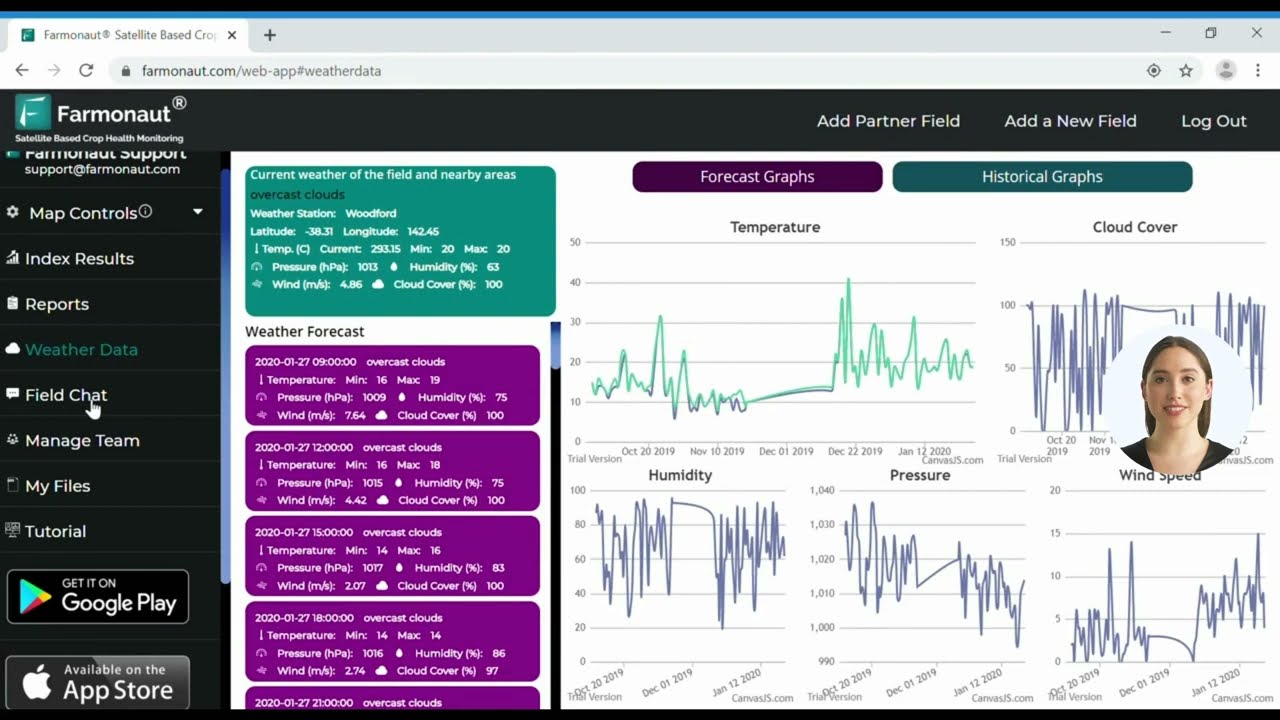
At Farmonaut, we enable data-driven, efficient nutrient management for farms, forests, and related industries. Our advanced satellite technology platform delivers real-time crop monitoring, soil health analytics, and environmental impact tracking—empowering stakeholders to optimize fertilizer application while supporting climate-smart agriculture.
- Satellite-Based Crop Monitoring: Multispectral imagery pinpoints nutrient deficiencies—enabling precision placement of calcium phosphate, DCP, and MDCP fertilizers for maximum return and minimal waste.
- Jeevn AI Advisory System: Recommends tailored fertilization strategies based on satellite data, soil variability, and weather patterns, promoting both productivity and sustainability.
- Blockchain-Based Traceability: Documents every stage of fertilizer use, offering supply chain transparency for consumers, governments, and environmental auditors.
- Environmental Impact Tracking: Measures carbon footprint and monitors resource use, aligning with evolving global environmental policies.
- Fleet & Resource Management: Streamlines agricultural logistics, ensuring field operations—like fertilizer spreading—are timely, cost-effective, and safe. Discover more at our Fleet Management Product Page
Integrate our insights into your system with the Farmonaut Satellite & Weather API:
API Access | Developer Documentation
Managing large, distributed farm operations? Our Large Scale Farm Management App delivers web-based solutions to optimize crop health, fertilizer timing, and environmental stewardship.
Frequently Asked Questions (FAQs)
What is the difference between calcium phosphate, DCP, and MDCP?
Calcium phosphate is a general term for a group of phosphorus-containing minerals used as slow-release phosphate sources. Dicalcium phosphate (DCP) is a specific compound (CaHPO4, ~18.5% P) offering moderate solubility and sustained nutrient release. Mono dicalcium phosphate (MDCP) (Ca(H2PO4)2·CaHPO4, 20–21% P) is more water-soluble, serving as a quick-release phosphate for rapid plant uptake.
Why is phosphorus often limited in soils?
Phosphorus in soils tends to react with iron, aluminum, or calcium, forming insoluble compounds unavailable to plants. This lowers its effective availability, making supplementary phosphate fertilizers essential for productive agriculture.
How can I reduce phosphorus losses to the environment?
Use precision fertilizer application (possibly guided by satellite data), follow soil testing recommendations, integrate organic matter, avoid overapplication, and adopt controlled-release formulations like DCP and MDCP to reduce risk of runoff and leaching.
What are the environmental risks of phosphate fertilizer use?
The main risks are eutrophication (nutrient enrichment of water bodies) and runoff leading to algal blooms. Modern, optimized DCP and MDCP usage greatly minimizes these risks—especially under precision management.
Can these fertilizers be used in certified organic farming?
Directly synthesized DCP and MDCP are not usually permitted in strictly organic systems, but naturally occurring rock phosphate and some processed forms may be allowed, depending on certification standards.
How do calcium phosphates help in animal nutrition?
They supply highly bioavailable phosphorus and calcium required for bone development, metabolism, and healthy reproduction in livestock, ensuring efficient nutrient conversion and reducing the risk of environmental contamination from excess phosphorus in manure.
What are the latest trends in phosphate fertilizer technology?
Trends for 2026 include nanotechnology-based fertilizers, advanced digital monitoring for variable-rate application, phosphorus recycling systems, integrated nutrient management, and blockchain traceability for supply chain transparency.
How does Farmonaut support sustainable fertilizer use?
We offer real-time satellite monitoring, AI-driven advisory, and traceability tools to optimize fertilizer placement, monitor environmental impact, and support compliance with evolving global sustainability standards.
Conclusion: Securing Food and Environment with Calcium Phosphates
As we look to 2026 and beyond, calcium phosphate, phosphate dicalcium, and mono dicalcium phosphate will remain foundational to robust, sustainable agricultural systems. They ensure crop nutrition, support animal feed and forestry recovery, and drive global food and environmental security.
Farmonaut is committed to empowering farmers, agribusinesses, and policymakers with affordable satellite-driven insights and smart data tools. Our platform enables precision, efficiency, and transparency from the field to the supply chain, promoting both agricultural productivity and environmental sustainability.
By integrating the latest in fertilizer science, digital agronomy, and resource management, we can collectively meet the challenges of a growing population, environmental regulations, and resource scarcity. The future of agriculture—built upon these proven compounds—remains both productive and sustainable for generations to come.
Discussion
Questions, corrections or field experience? Share them below. First-time comments are reviewed before they appear, and your email is never published.
No comments yet. Be the first to add a question or your experience.

 Clubhouse OS
 John Deere
 Progenseed
 SkyHarvest
 Polaris Digitech
 Teledarbas
 Wild Oak Farm
 SFX
SFX BACF Africa
 Doodlakine
 Exurbia Geospatial
 FieldZero
 Indico Company
 Kubota
 Licence holder · Niger · Gold










