

What is Digital Agronomy? 7 Ways Farming Digital Transforms Productivity & Sustainability in 2025
What is digital agronomy? It’s much more than a buzzword. In 2025, both traditional and modern farms are being transformed by a fusion of **agronomic science, data, and powerful digital technologies**. From satellite crop health analytics to AI-driven decision tools, “farming digital” is unleashing new productivity and sustainability levels never before possible. This blog unpacks key concepts, terminologies, transformative advancements, tools, and real-world implications—with an expert eye on how the digital revolution is swiftly reshaping both the present and future of global agriculture.
Understanding the Basics: What is Agronomy?
Before we tackle what is digital agronomy, let’s clarify what is agronomy. Agronomy is the science and practice of crop production and soil management. It brings together knowledge from biology, chemistry, ecology, and economics to:
- Improve soil health through scientific analysis and organic or synthetic amendments
- Optimize crop rotation for long-term farm productivity
- Manage pests and diseases with minimal environmental impact
- Efficiently irrigate and harvest for best yields
- Develop resilient farming practices that balance yield with ecological stewardship
Agronomists have long been vital to food security—enhancing plant growth, adapting crops to changing conditions, and evolving sustainable methods on every agronomy farm. Traditional agronomy, while fundamental, relied heavily on periodic manual field observations, making rapid responses and large-scale optimization challenging for farmers and professionals alike.
Key focus : “Integrate all branches of science to sustain plant growth profitably and sustainably.”
What is Digital Agronomy? The Fusion of Science & Technology
What is digital agronomy? Digital agronomy represents the powerful blend of classic agronomic science with cutting-edge digital technologies. But what does that mean for the modern farm? It harnesses data, connectivity, AI, sensors, automation, GIS mapping, and cloud computing for real-time monitoring, analytics, and decision-making across all agricultural activities.
-
Remote Sensing, Satellite Imagery, and GIS:
- Monitor entire farm fields visually and spectrally from space
- Detect early crop stress, disease, nutrient deficiencies, and irrigation issues
-
IoT Soil Sensors & Drone Networks:
- Track soil moisture, nutrient levels, and microclimate in real-time
- Drones with multispectral cameras identify patterns, growth, and spot-treat issues swiftly
-
Big Data & Artificial Intelligence (AI):
- Integrate multiple data streams (weather, field images, sensors, inputs)
- Predict optimal planting, fertilization, and irrigation schedules for each crop zone
- Detect early signs of pest outbreaks and recommend targeted interventions
With digital agronomy, farmers and agronomists are no longer limited to manual notes and observations. Data flows in continuously, guiding every decision with precision. The entire crop lifecycle—from planting to harvest and even post-harvest—can now be managed proactively, minimizing losses and maximizing resource use to help conserve natural resources.

Example: Imagine a digital agronomy farm in 2025 where AI analyzes satellite NDVI images and soil sensor feeds, alerting for spot-irrigation exactly where moisture is low or flagging pest risk zones, letting you act hours or days ahead of visible crop damage.
Digital agronomy empowers practitioners (farmers, agronomists, forestry professionals) to:
- Make timely, precise decisions (from nutrient management to harvesting)
- Boost yields and optimize input use (fertilizer, water, pesticides)
- Reduce environmental impact and production costs
- Adapt dynamically to changing weather, market, and pest scenarios
Digital Agronomy: A Short Definition and How Widely It Is Used
Digital agronomy is crop and soil management based on measured data: satellite and drone imagery, soil sensors, yield maps and weather records, analysed in software to decide what to apply, where and when. Precision agriculture covers the same tools on the machinery side: GPS guidance, yield monitoring, soil mapping and variable-rate application.
Use is growing but far from universal. USDA surveys ask whether a farm used precision agriculture practices in the past 12 months, including GPS guidance, yield monitoring and soil mapping, variable-rate inputs and drones.
| US farms (USDA NASS) | 2023 | 2025 |
|---|---|---|
| Farms using precision agriculture practices | 27% | 22% |
| Farms with internet access | 85% | 85% |
| Farms buying agricultural inputs online | 32% | 50% |
Source: USDA NASS Technology Use report, August 2025. The Government Accountability Office names high up-front costs, unresolved data sharing and ownership, and a lack of standards as the main reasons more farms have not adopted these tools (GAO, January 2024).
Satellite-based monitoring is one of the cheaper ways in, because it needs no hardware on the farm.
What is Digital Farming? Beyond Agronomy, Transforming the Entire Farm
What is digital farming? Digital farming adopts a broader perspective. It includes digital agronomy’s scientific approach while also integrating all farm management layers—
equipment, supply chain, business oversight, and even farm-to-market tracking.
- Precision Agriculture: Maps and treats each part of a field differently (variable-rate irrigation, fertilization, spraying) based on precise location data.
- Farm Management Platforms: Digitally records every farm activity, from seeding and irrigation to pesticide application and yield outcome.
- Autonomous Machinery: Tractors and robots equipped with sensors and GPS run key operations, reducing manual labor and improving accuracy.
- Supply Chain Transparency: Blockchain-based traceability [see product-traceability benefits] ensures produce origins, handling, and transactions are logged and verifiable from farm to market.
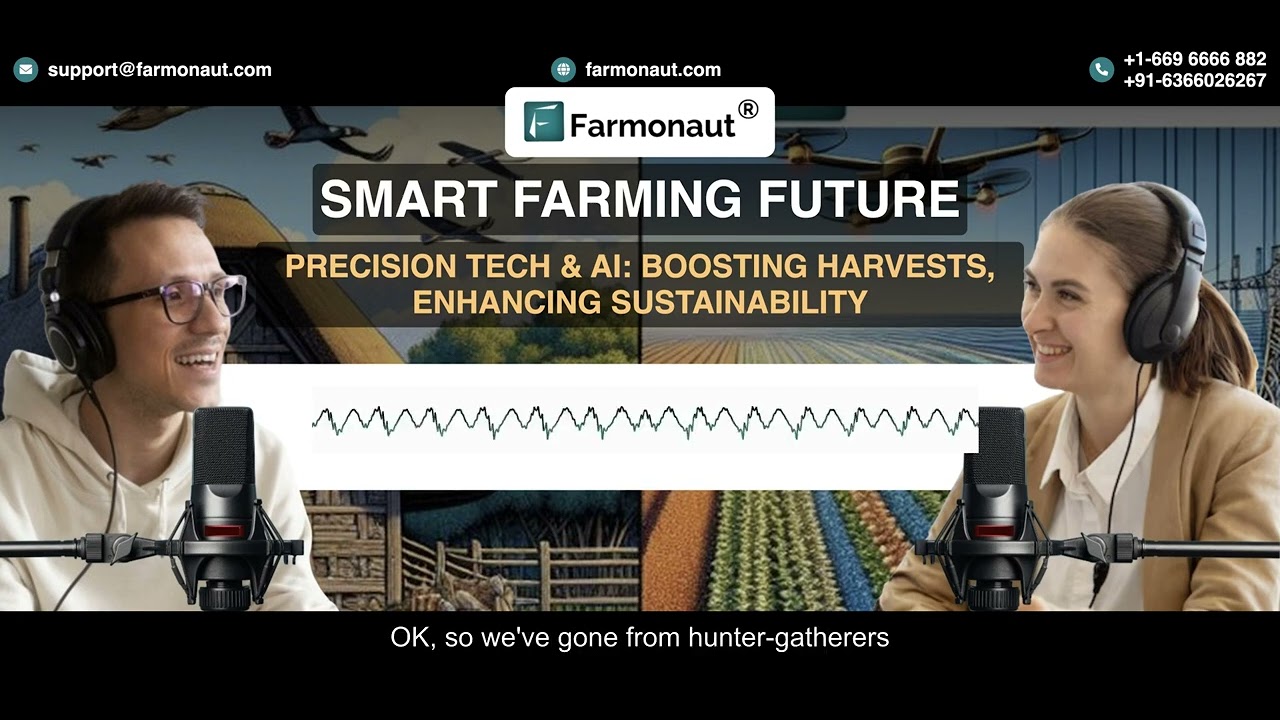
A digital farming system connects field operations, business management, data analytics, and market logistics, empowering both small and large-scale farms in 2025 to be more productive, transparent, and responsive to external challenges.
Key difference: Whereas “digital agronomy” is about scientific, data-driven crop and soil management, “digital farming” integrates the entire value chain—from predictive analytics to automated machine operations and digital supply chain management.
Much of that machine automation depends on satellite positioning, and GPS systems for agriculture explains what the main receivers actually do.
Farming Digital vs Agronomy Farm: Key Differences & Synergies
Farming digital and agronomy farm are industry terms often used to describe operations that heavily integrate digital tools/analytics or follow strong agronomic science, respectively. In 2025, the most successful farms almost always represent a synergistic blend:
- “Digital farm”—heavily integrates sensors, AI-driven analytics, IoT-connected equipment, and digital communications to streamline daily, weekly, and long-term farm management.
- “Agronomy farm”—focuses on scientifically improving soil, crop rotation, pest and irrigation management for sustainable production, using principles drawn from biology, chemistry, ecology, and economics.
In 2025 and beyond, leading-edge farms combine both—digital technology enhances core agronomic science for next-generation crop production, sustainability, and economic efficiency.

What is Digital Agronomy? 7 Ways Farming Digital Transforms in 2025
Let’s explore seven transformative ways digital agronomy and digital farming are revolutionizing global agriculture by 2025. These advancements not only increase productivity and resource efficiency but also drive sustainable food production and environmental stewardship for farms of every size.
1. Real-Time Crop Monitoring with Satellite Imagery, Sensors, and Drones
Gone are the days of guessing plant health or scouting every row. Digital agronomy harnesses satellites, in-field sensors, and drones to provide continuous, precise information about crop growth, pest infestations, diseases, and even microclimate variations.
- Satellite NDVI/Multispectral Imaging: Measures plant vigor and reveals hidden stress before it’s visible.
- IoT Soil Sensors: Track moisture, nutrient levels, pH, and temperature 24/7 right at the root zone.
- AI Analyzes Big Data: Detects anomalies, trends, and interventions needed—without delay.
- Drone Deployment: Multispectral drone surveys pinpoint pest/disease outbreaks or nutrient deficiencies in real-time.
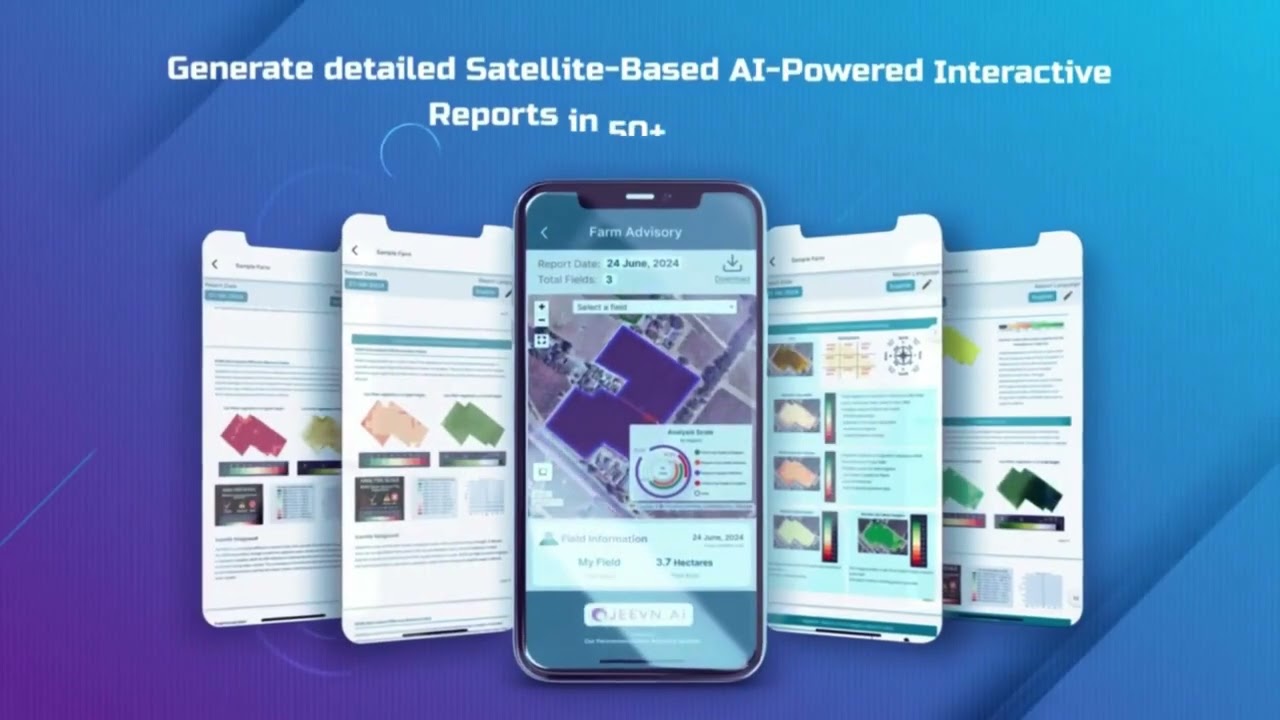
Benefits for 2025 digital farms:
- Early detection of threats reduces crop loss and input waste
- Drives targeted interventions (e.g., only spray where pests are found)
- Track and reduce your carbon footprint for sustainability and compliance
2. Precision Irrigation: Optimizing Water Use with Data
Irrigation management has always been challenging with changing weather and rainfall patterns. Digital agronomy farm systems in 2025 integrate soil moisture sensors, weather data, and predictive analytics to automate and calibrate irrigation for each section of the field.
- Apply exactly the right amount of water, precisely where and when the crop needs it
- Reduce water waste and lower costs for irrigation electricity and infrastructure
- Prevent water stress and root zone diseases with data-driven scheduling

Tools and platforms enable automated irrigation control, drought planning, and smart water stewardship aligned with crop lifecycle stages and real-time weather.
Explore fleet management to track and optimize your agricultural machinery in real-time—lowering fuel and maintenance costs, and supporting digital sustainability goals.
3. Site-Specific Nutrient and Fertilizer Application
Digital agronomy has enabled a shift from blanket fertilization to site-specific, need-based application, optimizing costs and reducing environmental runoff.
- Soil sensors and satellite data map variability across each agronomy farm.
- AI algorithms predict nutrient requirements for every micro-zone.
- Variable-rate applicators or drones distribute fertilizer/fertigation, minimizing areas of excess and deficiency.
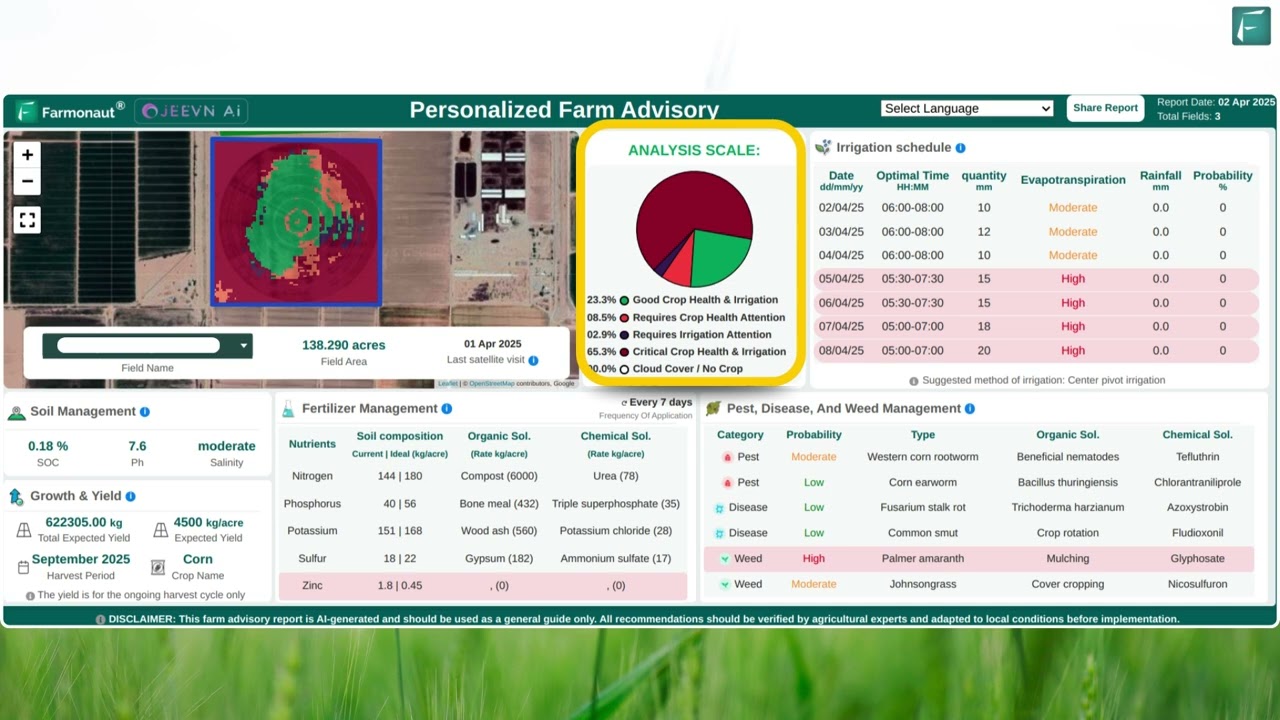
Outcomes: Lower input costs, reduced pollution, and improved yields. Data-driven recommendations align with smart advisory systems—like **real-time crop and forest advisory** for sustainable production.
4. Dynamic Pest and Disease Forecasting & Management
Digital agronomy harnesses the power of predictive analytics & AI to revolutionize how pests and diseases are managed in the field.
- Continuous Monitoring: Drones and satellite imagery spot pest/disease outbreaks at early stages.
- AI Modeling: Predicts likely spread, identifies resistant crop varieties, and recommends targeted, minimal chemical controls.
- Mobile Dashboards: Alerts farm managers instantly and logs the efficacy of interventions—optimizing future treatments and lessening environmental impact.
Reduced chemical use leads to greener farms and better yields by 2025.
5. Automated Farm Management & Data Analytics Platforms
Digital farm management platforms combine field data, satellite imagery, crop records, fleet tracking, and AI-powered business analytics—all in one place. This centralization delivers:
- Real-time dashboards for input, activity, and output tracking
- Automated reports for regulatory, financial, and sustainability compliance
- Optimization recommendations—what to plant where, when to fertilize, how to rotate crops for maximum farm profitability and ecological balance
- Discover Farmonaut’s leading satellite-based farm management platform for real-time crop health and advisory—accessible via Web App, Android, and iOS.



6. Blockchain-Based Product Traceability
As consumers and regulatory bodies demand **greater food safety and transparency**, blockchain integration in digital farming systems ensures every product step—from seed to store shelf—is logged, immutable, and verifiable.
- Build trust with buyers and processors through transparent production histories
- Meet export and food quality regulations with secure, easy access to batch-level data
- Learn about digital product traceability and supply chain risk reduction
7. Environmental Impact Monitoring: Sustainability in Action
Perhaps most crucial for future-ready farms, digital agronomy tools track and improve the sustainability of every activity:
- Carbon Footprint Tracking: Calculate emissions by monitoring fuel, input use, and crop practices (see digital solutions for 2025 mandates and climate credits)
- Resource Stewardship: Document water, fertilizer, pesticide reductions with real-time data
- Conservation and Compliance: Meet both local and international environmental standards
Next-gen digital agronomy gives modern farms the evidence and tools to demonstrate and continually improve sustainability to consumers, governments, and global partners.
Comparative Impact Table – Digital Agronomy Transformation
Farmonaut: Making Advanced Digital Agronomy Accessible Worldwide
As we move rapidly into the age of farming digital and advanced agronomy farm management in 2025, accessibility and affordability of technology is vital. At Farmonaut, we strive to democratize satellite-based digital agriculture solutions for every farm—large or small, anywhere on the globe.
- Satellite Crop Health Monitoring: Our large-scale farm management platform delivers real-time NDVI, soil moisture, and crop stress analytics—no need for expensive drone or sensor hardware.
- Jeevn AI Personalized Advisory: AI-powered guidance based on the very latest satellite and weather data, customized for your specific crops and farm ecosystem.
- Blockchain Traceability: Ensure secure, transparent supply chains with our digital traceability solutions—from field operation to retail shelf.
- Fleet & Resource Management: Smart tools for managing tractors and field machinery efficiently, optimize utilization, cutting costs and carbon emissions.
- Carbon Footprint Tracking: Seamlessly track and reduce farm emissions for compliance, sustainability, and carbon credit benefits. See how digital can make your farm greener and profitable.
- API Access: Bring all digital agronomy data into your own tools via our scalable API (developer docs here).
- Crop Loan & Insurance Facilitation: Simplify financing with fast, satellite-based crop verification (see details).
Farmonaut Solutions: Accessible Anywhere, Effortless Results
All Farmonaut tools are accessible through Android, iOS, and web apps, making it simple for professionals, farmers, and organizations to adopt digital agronomy with no large upfront investment. And thanks to a flexible subscription model, you’re free to scale solutions as your agronomy farm needs grow.
The Future of Digital Agronomy in 2025 & Beyond
What does the future hold for digital agronomy, farming digital, and agronomy farm management?
- Accessibility: With costs falling and mobile app-based solutions, digital agronomy is accessible to farms worldwide, not just industrial operations or large holdings.
- AI & Machine Learning Grow Smarter: Models continually improve in predicting risks, optimizing schedules, and adapting interventions as conditions and crops evolve.
- Cloud & Edge Computing: More analytics are conducted on-farm in real-time, providing instant, actionable insights—even with intermittent internet connectivity.
- Integration is Key: The winning farms of 2025 will combine data from satellites, drones, in-field sensors, and market analytics for a unified, automated system.
- Global Sustainability Goals: Digital agronomy ensures farms can quantify, report, and improve upon their ecological impact, meeting both consumer expectations and regulatory demands for a sustainable food future.
While challenges remain—including need for farmer education, rural broadband, and international data standards—the digital transformation wave is unstoppable. We expect these technologies to become standard practice, not just optional advantages.
Strategic Next Steps for Modern Farmers & Foresters
- Assess your current digital readiness.
- Start small – implement remote crop monitoring or a basic management app.
- Embrace advisory tools and traceability for higher-value markets.
- Track environmental data – aim for measurable water, input, and carbon savings.
- Stay current with new satellite, AI, and sensor advancements.
The synergy of agronomic science + digital systems is the future of sustainable, high-output agriculture, forestry and crop management—whatever your farm size or location.
FAQ: Everything About Digital Agronomy & Digital Farming
What is the difference between digital agronomy and digital farming?
Digital agronomy focuses on the scientific, data-driven optimization of crops and soil, using tools like satellites, sensors, AI, and GIS. Digital farming encompasses this but extends further to include all aspects of farm operations—business analytics, supply chain, automation, and traceability. In practice, modern farms combine both for maximum productivity and sustainability.
How do sensors and satellite data help increase crop yields?
Sensors and satellites provide continuous, granular data on plant health, soil conditions, and environmental stress. Coupled with AI-driven analytics, this enables early detection of issues, targeted interventions (water, fertilizer, pest control), and ultimately increases crop yields and resource efficiency.
Can small farms benefit from digital agronomy tools in 2025?
Absolutely. With cloud apps and mobile platforms, digital agronomy solutions like those from Farmonaut are affordable and scalable for small and midsize farms. No expensive hardware needed—just precise data, insights, and improved decision-making.
Is digital agronomy only for row crops?
No. While many tools are used in corn, wheat, or rice, digital agronomy enhances orchards, vegetables, forestry, and plantations—providing site-specific management and sustainability tracking for any agricultural environment.
What are the top priorities when starting digital farming?
Begin with digital crop monitoring or basic farm management records. Next, integrate soil data, advisory tools, and traceability features. As you see ROI in yield and cost, expand into AI-driven recommendations and full environmental impact management.
Where can I get digital agronomy solutions like described above?
Explore Farmonaut’s web app, Android, and iOS for subscription-based, scalable, and global digital management of your farm. Developers can use the Farmonaut API and developer documentation.
What is the expected impact of digital agronomy in the next few years?
Adoption is still partial: 27% of US farms used precision agriculture practices in 2023 and 22% in 2025, according to the USDA NASS. Wider use of these tools should help farms to meet sustainability and food security demands with data-driven clarity.
Summary: Why Digital Agronomy is the Future of Sustainable, High-Output Agriculture
In recent years, agriculture has witnessed transformative changes—with digital agronomy and digital farming now creating powerful, data-driven solutions to age-old challenges. In 2025, understanding and adopting these concepts is crucial for farmers, agronomists, and agricultural professionals aiming for sustainability, productivity, and efficiency.
As we at Farmonaut continue our mission, we empower the global agriculture sector to make precision farming affordable, accessible, and scalable. With advanced digital tools—satellite imagery, AI analytics, resource management platforms, and transparent traceability—we help every farm maximize its yield sustainably and profitably.
The integration of agronomic science and digital technology is not just the future; it is the **new standard** in agriculture for 2025 and beyond. Are you ready to upgrade your farm with digital agronomy?
Discussion
Questions, corrections or field experience? Share them below. First-time comments are reviewed before they appear, and your email is never published.
No comments yet. Be the first to add a question or your experience.

 SFX
SFX BACF Africa
 Nivia
Nivia Doodlakine
 Exurbia Geospatial
 FieldZero
 Indico Company
 Kubota
 FFBS
FFBS Jontra
 Tucor
Tucor Hayleys Agriculture
 Licence holder · Niger · Gold
 Licence holder · Nigeria · Gold + lithium










