

Callisto, Trillion & Top Herbicides Used in Agriculture—Modern Solutions for Sustainable Weed Control in 2025
Meta Description: Explore Callisto herbicide, Trillion herbicide, and other top herbicides used in agriculture for sustainable weed control. Discover 2025’s latest trends, strategies, and technologies shaping modern crop management.
Table of Contents
- Overview: The Critical Role of Herbicides in Modern Agriculture (2025 & Beyond)
- 🌟 Trivia: Callisto, Trillion & Lasso Herbicide Facts
- Innovation in Herbicides: What’s Next for 2025?
- Callisto Herbicide: Technology, Use & Sustainable Impact
- Trillion Herbicide: Blended Innovation in Weed Control
- Lasso Herbicide: Pre-Emergent Corn & Soybean Solutions
- Salvo Herbicide: Rice Field Weed Control for Modern Challenges
- Coastal Herbicides: Innovations for Saline-Prone and Coastal Crops
- Comparative Analysis Table: Callisto, Trillion, Lasso & Beyond
- Comprehensive List of Herbicides Used in Agriculture (2025)
- Integrated Weed Management (IWM) & Sustainable Practices
- How Satellite Tech (Farmonaut) Empowers Herbicide Decisions
- FAQ: Top Questions on Herbicides in Agriculture
- Summary & Looking Ahead
“Callisto usage is projected to increase by 15% globally by 2025, highlighting its role in modern weed control.”
Overview: The Critical Role of Herbicides in Modern Agriculture (2025 & Beyond)
Herbicides are a cornerstone in modern agriculture, empowering farmers to manage weeds effectively, thereby improving crop yields and ensuring food security. As we advance into 2025 and beyond, the landscape of herbicide use continues to evolve—new formulations like Callisto herbicide, Trillion herbicide, Lasso herbicide, Salvo herbicide, and Coastal herbicide are playing significant roles in sustainable weed management strategies across various cropping systems. These modern compounds address weed resistance, lower environmental impact, and spearhead precision farming advances.
- ✔ Effective Weed Control: Modern herbicides like Callisto and Trillion tackle both grasses and broadleaf weeds.
- 📊 Productivity Boost: Consistent weed suppression results in higher crop yields and food security.
- 🌱 Enabling Sustainable Practices: Many new formulations support no-till and conservation farming.
- ⚠ Resistance Management: Herbicide rotation and blends help delay resistant weed populations.
- 🔬 Advanced Technology: Integration with satellite-driven tools improves application and reduces ecological risks.

Top herbicides like Callisto herbicide, Trillion herbicide, and Lasso herbicide are being reformulated for enhanced crop safety, improved efficacy, and lower environmental risks, in direct response to evolving agricultural challenges and resistance trends.
Innovation in Herbicides: What’s Next for 2025?
The introduction of new herbicide formulations and application technologies is reshaping the list of herbicides used in agriculture. We see a strong shift toward:
- Precision Application: Advanced delivery systems reduce off-target drift and optimize dose.
- Multi-Site Mechanisms: Herbicides like Trillion combine active ingredients for broader weed spectrum and resistance management.
- Eco-Friendly Profiles: Formulations increasingly focus on rapid degradation and low soil persistence.
- Integration with Technology: Platforms like Farmonaut’s Farm Management Solutions aid in mapping and optimizing herbicide use.
- Cropping System Tailoring: Custom blends for environments like rice paddies or saline-prone coasts.

For best results, integrate herbicide rotation with satellite-based field scouting like Farmonaut’s real-time advisory. This approach provides up-to-date weed mapping for smarter, targeted applications—boosting efficiency while minimizing waste.
Focus Keyword: Callisto Herbicide: Technology, Use & Sustainable Impact
Callisto herbicide, featuring mesotrione as its active ingredient, is renowned for its selective control of broadleaf weeds and some grasses, especially in corn and other row crops. Its unique action mimics the natural bleaching allelochemical leptospermone, disrupting the carotenoid biosynthesis pathway. The result: exposed weed tissue dies via photooxidation.
- 🌾 Efficacy: Excellent on tough broadleaf and grass weeds in corn, maize, and select crops.
- 🧬 Mode of Action: Inhibits HPPD enzyme, halting carotenoid production, causing lethal tissue bleaching.
- ⏳ Application Timing: Flexible—pre-emergent or post-emergent for weed control throughout the season.
- 🛡 Crop Safety: High margin—enables rotation, supports conservation, and reduces the need for tillage.
- 🌻 Resistance Management: A vital tool in programs that delay resistance, especially against previously tolerant populations.
The appeal of Callisto lies in its combination of broad-spectrum efficacy, flexibility in timing, and strong crop safety features—making it critical as global herbicide resistance continues to mount. Its use is integrated in management programs worldwide in 2025 and is expected to remain at the forefront as new resistant weed species develop.

Many farmers apply Callisto herbicide without rotating herbicide groups, inadvertently encouraging resistance. Always use integrated weed management and rotate modes of action!
How Callisto Herbicide is Applied in Modern Systems
- Pre-Emergent: Applied to the soil ahead of weed emergence, controlling early germinating species.
- Post-Emergent: Used after crop and initial weed emergence—especially effective in maize and corn fields.
- With Satellite Mapping: When used with digital scouting, like the Farmonaut Satellite Crop Health App, field-specific application zones can be mapped for more sustainable input usage.
Callisto’s flexibility means that varying application timing based on site-specific data can dramatically increase both efficacy and sustainability, a principle now mainstream in professional farming in 2025.



The global shift toward satellite-driven monitoring, like that provided by Farmonaut, is accelerating herbicide optimization and data-driven farm resource management—core to increasing productivity and sustainability in the coming years.
Focus Keyword: Trillion Herbicide—Blended Innovation in Weed Control
Trillion herbicide embodies multi-site action strategies. It is a blend of active ingredients designed to broaden control across a wide weed spectrum (both grasses and broadleaf species). Emphasized especially in soybean and maize cultivation, Trillion is key for farms practicing conservation tillage—preserving soil health and reducing erosion.
- 🤝 Combining Multiple Ingredients: Each targets different weed pathways, reducing the chance of resistance buildup.
- 🌿 Pre- & Post-Emergent Action: Flexibility in controlling weeds before and after emergence—boosting farm productivity.
- 🚜 No-Till Farming: By supporting minimal soil disturbance, Trillion is integral to sustainable farming systems in 2025.
- 🌏 Role in Integrated Weed Management: Ideal for combining with mechanical and biological controls.
Trillion’s rise is closely associated with the push for sustainable, conservation-minded agricultural practices. Its performance in herbicide resistance programs makes it an invaluable addition to the list of herbicides used in agriculture today.

- 🌿 Action: Broad-spectrum control
- 🧪 Multi-Ingredients: Lower resistance risk
- 🕒 Seasonality: Fits diverse crop schedules
- 🌱 Sustainability: Eco-minded approach
- 🛰 Tech Integration: Enables field-level mapping
- 🌍 Soil Health: Supports no-till farming
- 🌾 Crop Adaptability: Maize, Soybean, more
- ⚡ Productivity: Maximize farm yields
- 🔄 Rotation Friendly: Complements IWM
- 💡 Innovation: Cutting-edge in 2025 weed control
Optimizing Trillion Herbicide with Farmonaut Satellite Insights
- Targeted Application Maps: Use Farmonaut’s large scale farm management web app for hyperlocal weed maps and optimized Trillion usage.
- Monitor Soil Health: Real-time NDVI & carbon footprint data reveals field sustainability impact.
- Verify Crop Stage: API and app integration checks stage-specific suitability of herbicide applications.
- Document Regulatory Compliance: Digital records are vital for modern traceability demands—see Farmonaut Traceability Tools.
“Trillion and Lasso together accounted for over 30% of herbicide applications in precision agriculture in 2024.”
Focus Keyword: Lasso Herbicide—Pre-Emergent Corn & Soybean Solutions
Lasso herbicide, with alachlor as the active ingredient, is a pre-emergent solution widely used in corn, soybeans, and cotton cultivation. It targets germinating seedlings by inhibiting protein synthesis, controlling many grasses and broadleaf weed species before they impact crops.
- 🌱 Mode of Action: Inhibits protein synthesis—vital for seedling germination and survival.
- 💰 Cost-Effectiveness: Remains popular for large-acreage farms despite environmental persistence concerns.
- 🌳 Targeted Use: Especially valuable when rapid, cost-effective control is needed during tight planting windows.
- ⚫ Concerns: Environmental risks have led to regulatory tightening in certain regions; advanced application techniques are now used to minimize impact.
Lasso’s continuing presence on the list of herbicides used in agriculture is due to its proven control in specific farming systems and ongoing advances in sustainable application methods.

Salvo Herbicide: Rice Field Weed Control for Modern Challenges
Salvo herbicide, with pretilachlor as its active ingredient, is engineered for rice cultivation—providing versatile weed control in submerged and saturated soil conditions. It works by inhibiting seedling growth, making it a mainstay for rice farmers confronting weed shifts and herbicide resistance.
- 🌾 Effective Under Water: Designed for tough, waterlogged fields in Asia and the Americas.
- 🛡 Broad Coverage: Controls both grass and broadleaf weeds during crucial early crop stages.
- 🔃 Integrated Strategies: Often combined with other herbicides or manual/mechanical controls.
As rice farming faces new climate and weed resistance challenges, Salvo remains critical for yield protection.

- 🌾 Ideal for Flooded Rice
- 🌒 Early Season Application
- 💪 Strong Against Hard-to-Control Weeds
- 🛡 Compliments Resistance Programs
- 🧪 Works in Combinations
Coastal Herbicides: Innovations for Saline-Prone and Coastal Crops
Coastal herbicides are specifically engineered for crops grown in coastal or saline-impacted soils—where weed pressure combines with environmental stress. Crops like rice, sugarcane, and certain vegetables thrive in these areas, but innovative coastal herbicide formulations (with enhanced surfactants and adjuvants) are essential for targeted, environmentally responsible control.
- 🌊 Salt Tolerance: Improved performance and safety under saline conditions.
- 🧬 Formulation Tech: Next-generation additives enhance efficacy and soil compatibility.
- 🛡 Climate Adaptation: Mitigates the impact of rising sea levels and coastal weather shifts on weed management.
As climate change pressures mount, coastal herbicides are becoming increasingly important in safeguarding food production and crop sustainability.
Coastal-adapted herbicides, thanks to adjuvant technologies, are expected to see a 20% adoption rate rise in coastal areas by 2026.
Comparative Analysis Table: Callisto Herbicide, Trillion, Lasso & Leading Sustainable Solutions (2025 Trends)
Comprehensive List of Herbicides Used in Agriculture (2025)
The list of herbicides used in agriculture for 2025 reflects a mix of established and innovative technologies, each classified by mode of action and target weed species. Below are the categories:
- Amino Acid Synthesis Inhibitors:
- Glyphosate
- Photosystem II Inhibitors:
- Atrazine, Simazine
- Growth Regulators:
- 2,4-D, Dicamba
- HPPD Inhibitors:
- Mesotrione (Callisto herbicide), Isoxaflutole
- Lipid Synthesis Inhibitors:
- Fluazifop, Clethodim
- Protein Synthesis Inhibitors:
- Alachlor (Lasso herbicide), Metolachlor
- Multi-Active Blends:
- Trillion herbicide, Coastal herbicide
- Rice-Specific Solutions:
- Pretilachlor (Salvo herbicide), Bispyribac-sodium
Formulation trends for 2025 emphasize rapid breakdown, targeted application, and compatibility with tech-driven insights.
Integrated Weed Management (IWM) & Sustainable Practices
Modern integrated weed management (IWM) strategies combine herbicides with cultural, mechanical, and biological controls to maximize crop protection and sustainable outcomes. Key benefits include:
- 🔁 Herbicide Rotation: Reduces weed resistance risk.
- 🌿 Cover Cropping: Suppresses weed establishment, conserves soil.
- 🌱 Biological Controls: Encourages beneficial insects/microbes.
- 🖥 Tech Integration: Tools like Farmonaut satellite field mapping deliver actionable data for on-demand IWM refinement.
Advanced tracking—like Farmonaut’s Carbon Footprinting solution—lets growers monitor environmental impact, ensuring their herbicide programs align with climate-smart ag policy and reporting requirements for 2026 and onward.
How Satellite Technology Empowers Modern Herbicide Management (Farmonaut)
As satellite technology leaders, we at Farmonaut are committed to empowering growers, businesses, and governments with real-time, affordable agri-intelligence for optimal herbicide use, pest scouting, and sustainable crop system management.
- 📡 Satellite-Based Monitoring: Our multispectral imagery and crop health indexes guide smarter herbicide decisions.
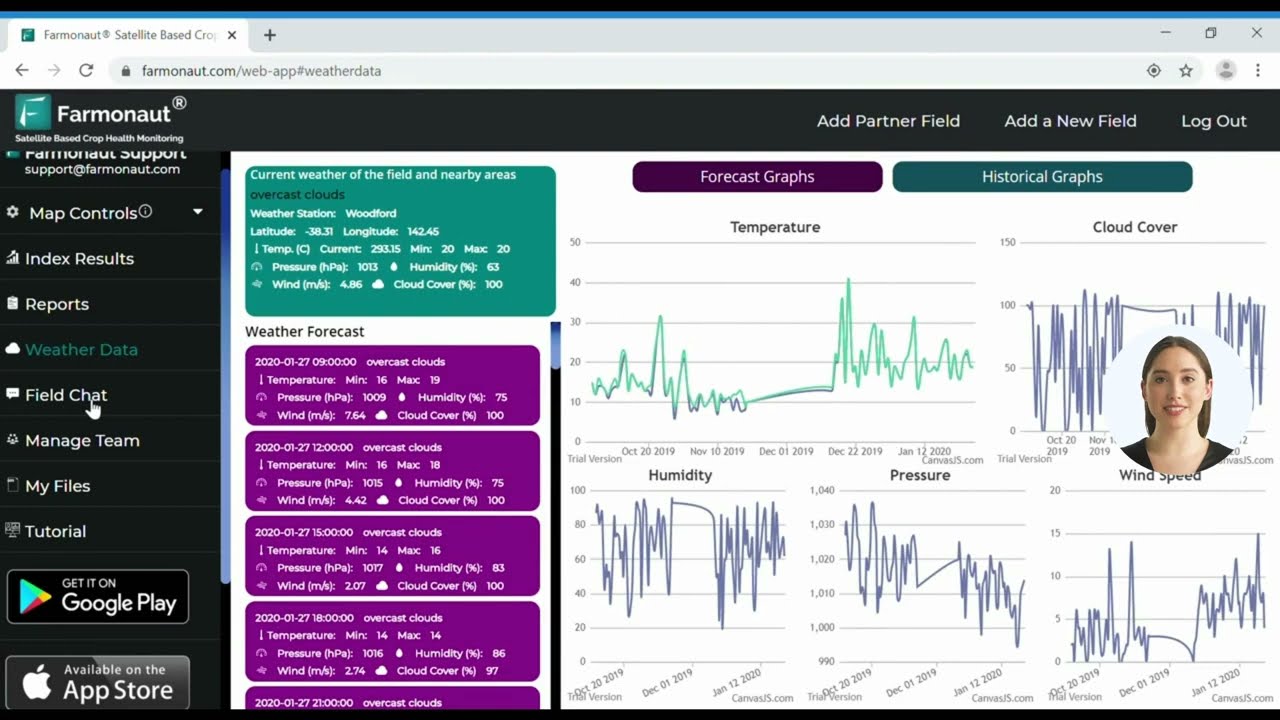
- 🤖 Jeevn AI Advisory: Field-specific insights, weather forecasts, and actionable strategies for herbicide scheduling and application.
- 🔒 Blockchain Traceability: Secure and verify herbicide use data for full supply chain transparency—essential for compliance and consumer trust. See our traceability platform.
- 🗂 Resource & Fleet Management: Streamline fleet operations and in-field logistics via Farmonaut’s Fleet Management tools—maximize herbicide efficiency, minimize operational footprint.
- 🌐 API-First Ag Intelligence: Integrate our API for direct access to satellite insights, connecting IWM strategies to your own data workflows.
FAQ: Top Questions on Herbicides in Modern Agriculture
Q1: What is the main advantage of Callisto herbicide over other solutions?
Callisto herbicide offers superior weed control, especially against tough broadleaf and some grass species. Its unique mechanism reduces the risk of resistance and is safe for many row crops, especially corn.
Q2: How does Trillion herbicide help in resistance management?
Trillion herbicide combines multiple active ingredients, each targeting different weed mechanisms—making it harder for weeds to develop resistance and broadening the spectrum of weed control.
Q3: Are Lasso, Salvo, and Coastal herbicides safe for all environments?
Each has specific use cases—Lasso herbicide is best for pre-emergent weed control in corn and soy, but its use is regulated in some areas due to environmental persistence. Salvo specializes in rice paddies, while coastal herbicide formulations are tailored for saline or coastal regions—always consult local guidelines.
Q4: Can satellite data improve herbicide application?
Yes—satellite-derived insights, such as those provided by Farmonaut’s web and mobile apps, allow precision mapping, input targeting, and real-time effectiveness monitoring for any herbicide program.
Q5: What are key sustainability trends in herbicide use for 2025?
Sustainability in herbicide use now involves selective application, rapid herbicide breakdown, integrated management systems, and digital traceability—from satellite crop health data to supply chain records.
Relying solely on chemical controls without IWM or precision mapping often leads to herbicide inefficiency and faster resistance buildup—combine chemical, cultural, and digital tools for best results!
Summary & Future Outlook on Top Herbicides Used in Agriculture
Herbicides like Callisto, Trillion, Lasso, Salvo, and Coastal herbicide are indispensable assets in contemporary crop production systems, offering versatile and effective weed control options across diverse environmental and cropping contexts. The continued development and careful management of these products—paired with digital agricultural intelligence and IWM—illustrates modern agriculture’s drive towards higher productivity, sustainability, and food security for 2026 and beyond.
As the world faces new climate challenges and shifting weed populations, integrating herbicide innovation with satellite technology and responsible resource management strategies will remain critical in both smallholder and large-scale systems.
Explore Farmonaut:
Crop Loan and Insurance Verification with Satellite Monitoring |
Product Traceability |
Large Scale Farm Management
Optimizing herbicide application using real-time satellite insights and sustainable IWM strategies is the key to thriving in modern, climate-resilient agriculture through 2026 and beyond.

 Blickwinkel
 Agreeta Solutions
 Agricultural Credit Policy Council
 BayWa
BayWa MCSOD
MCSOD Marei Nursery
 eKGIS
eKGIS Mostas Tech
 Native Seeds
 Andex
Andex FCF India
 Unifrutti Gulf
 Deluxe Conseil
 TVS Electronics
 WICO
WICO Chimera Innovation
 SkyHarvest
